


[Lecture Report] The 3rd Meeting of the FY2025 “Roundtable on Geothermal Heat, a Renewable Energy Source: The Role of Geothermal Heat in Medical Facilities” (Ministry of the Environment, November 26, 2025, Chuo City, Tokyo)
date : 11/30/2025
Tags: Planetary Health

![[Lecture Report] The 3rd Meeting of the FY2025 “Roundtable on Geothermal Heat, a Renewable Energy Source: The Role of Geothermal Heat in Medical Facilities” (Ministry of the Environment, November 26, 2025, Chuo City, Tokyo)](https://hgpi.org/en/wp-content/uploads/sites/2/eyecatch_suzuki.png)
On November 26, 2025, Mr. Shu Suzuki, Senior Associate of Health and Global Policy Institute (HGPI), participated as a panelist in the 3rd meeting of the FY2025 “Roundtable on Geothermal Heat, a Renewable Energy Source,” hosted by the Ministry of the Environment (MoE). The session, titled “The Role of Geothermal Heat in Medical Facilities,” focused on the potential for decarbonization and management improvement in the healthcare sector.
What is Geothermal Heat? A Clean Energy Source Beneath Our Feet
Geothermal heat (ground source heat) is a form of renewable thermal energy available right beneath us. At a depth of approximately 10 meters, the ground temperature remains constant year-round—cooler than the air in summer and warmer in winter. By utilizing this temperature difference, highly efficient heating and cooling can be achieved, contributing to energy savings, decarbonization, and the mitigation of the heat island effect. While “geothermal energy” typically refers to high-temperature heat from deep within the Earth used for power generation, “geothermal heat” refers to the relatively low-temperature heat (10–20°C) found at shallower depths (10 to several hundred meters), primarily derived from solar energy. Common application methods include Ground Source Heat Pump (GSHP) systems, such as “closed-loop” systems using underground heat exchange pipes and “open-loop” systems that directly utilize groundwater.
Significance and Challenges in Medical Facilities
Since FY2024, the MoE has been organizing this roundtable to promote the adoption of geothermal heat across various sectors. This third meeting specifically addressed medical facilities, which are characterized by high energy consumption. In a hospital setting, implementing high-efficiency geothermal systems is expected to not only reduce running costs but also provide a stable and comfortable indoor environment for patients.
During the panel discussion, Mr. Suzuki highlighted several key points from a healthcare policy perspective:
- Balancing Management and Decarbonization: The importance of cost reduction in hospital management and the creation of sustainable business models through renewable energy.
- Enhancing the Care Environment: How stable and efficient climate control impacts patient comfort and health outcomes.
- Barriers to Adoption: The necessity of public support and the sharing of best practices to address challenges such as high initial investment costs.
For more details, please visit FY2025 “Roundtable on Geothermal Heat, a Renewable Energy Source” | Ministry of the Environment (in Japanese). HGPI will continue to promote policy recommendations for sustainable healthcare systems through the lens of Planetary Health, where health and environmental issues intersect.
Related Posts
-
2023-08-01
[Announcement] HGPI Joins Global Green and Healthy Hospitals (August 1, 2023)
-
2024-06-26
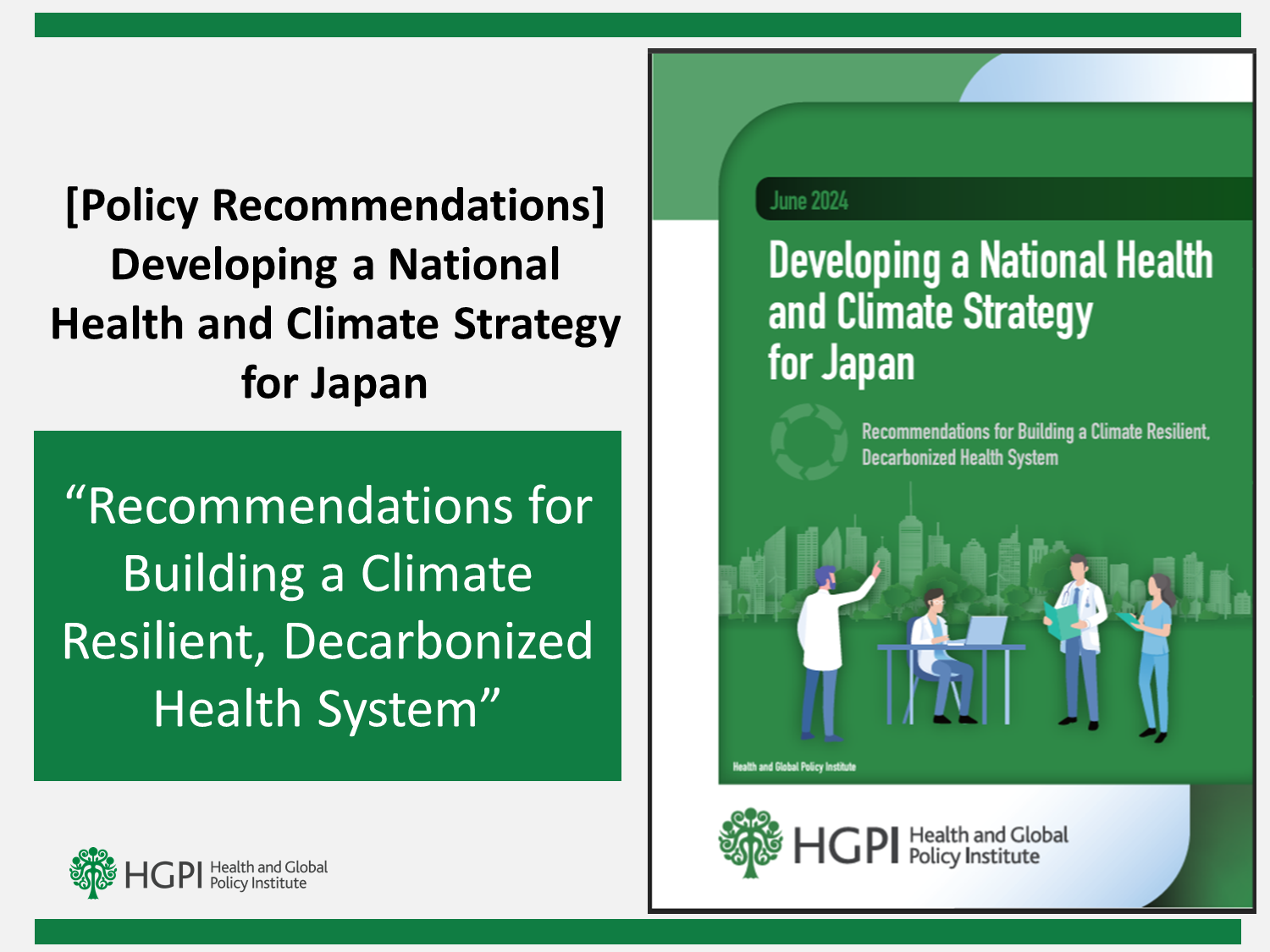
[Policy Recommendations] Developing a National Health and Climate Strategy for Japan (June 26, 2024)
-
2025-11-11
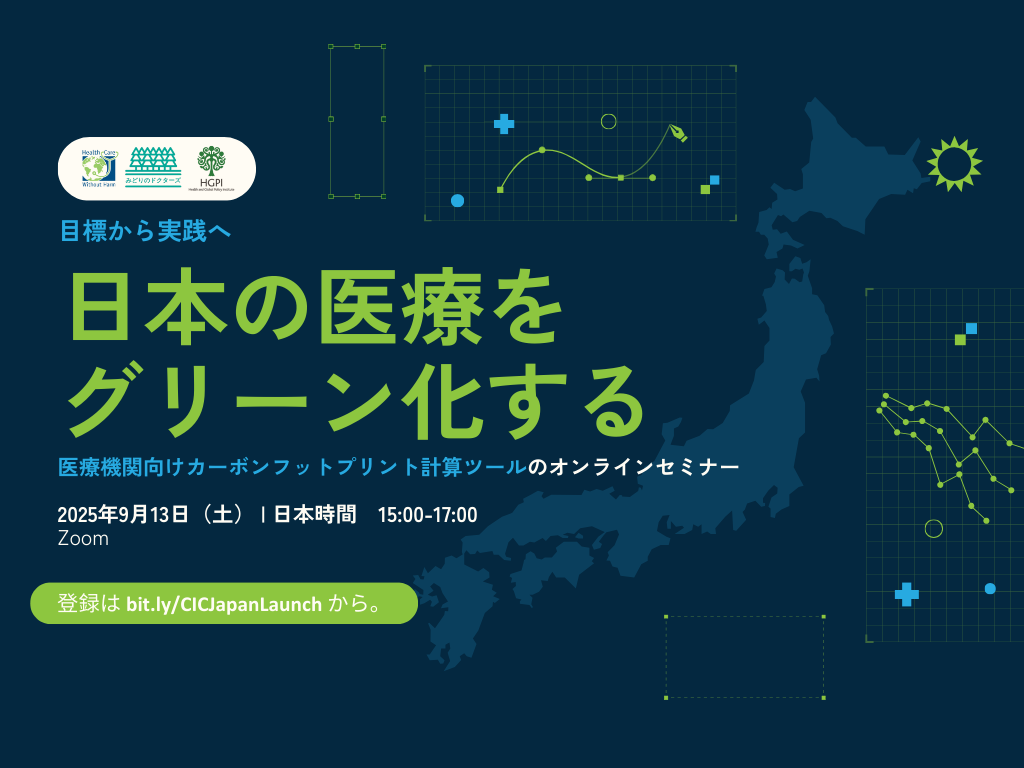
[Event Report] From Vision to Action: Greening Japan’s Healthcare “Online Seminar: Climate and Health 101” (September 13, 2025)
-
2025-11-17
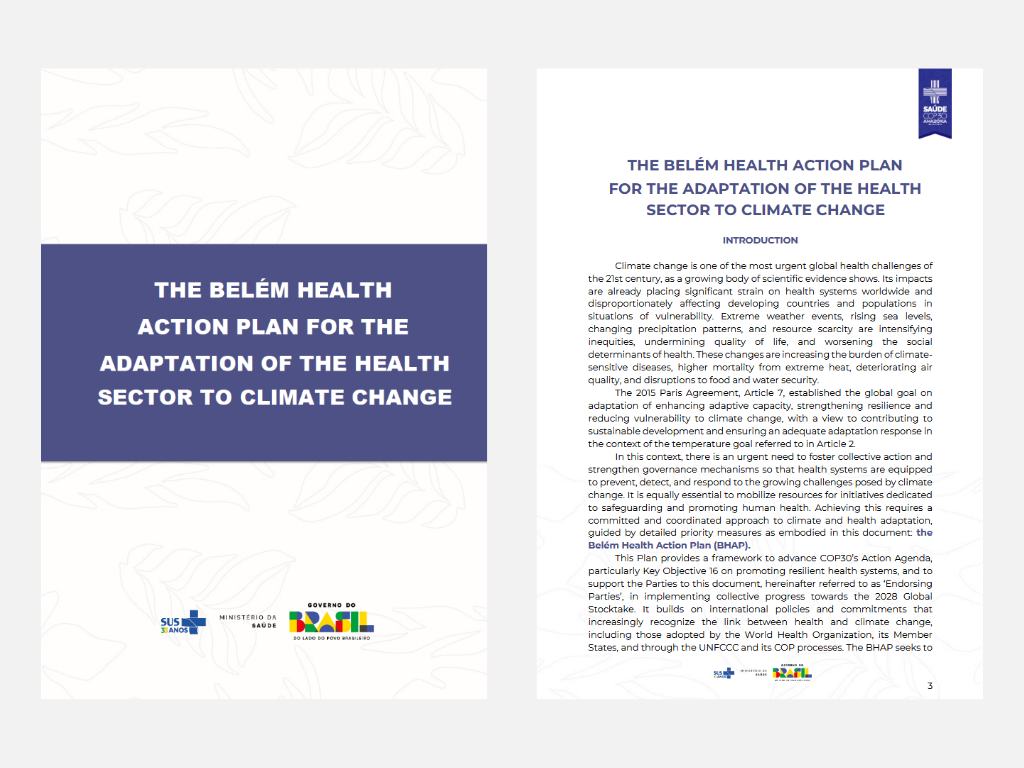
[Announcement] HGPI Endorses the “Belém Health Action Plan” (November 14, 2025)
Top Research & Recommendations Posts
Featured Posts
-
2026-05-18
[Registration Closed] Kick-off Panel Discussion “From Africa and Japan, Drawing from Perspectives Around the World:A Platform for Cultivating a Philosophical Health Dialogue Together” (June 15, 2026)
![[Registration Closed] Kick-off Panel Discussion “From Africa and Japan, Drawing from Perspectives Around the World:A Platform for Cultivating a Philosophical Health Dialogue Together” (June 15, 2026)](https://hgpi.org/en/wp-content/uploads/sites/2/HGPI_20260615_Eyecathch_panel-discussion-From-Japan-and-Africa-in-Discussion-with-the-World_2.png)
-
2026-08-28
[Announcement] The 3rd Kiyoshi Kurokawa Award: Call for Nominations (Deadline: November 30, 2026)
![[Announcement] The 3rd Kiyoshi Kurokawa Award: Call for Nominations (Deadline: November 30, 2026)](https://hgpi.org/en/wp-content/uploads/sites/2/Kiyoshi-Kurokawa-Award_3rd_nominations_eyecatch_caseB_ENG_web_20260929_v0.5.jpg)
-
2026-09-01
[Registration Closed] HGPI Salon 2025-2026 Looking Ahead to the Future of Japan’s Social Security System “Session 6: Japan’s Health Policy through the Lens of Global Security” (October 13, 2026)
![[Registration Closed] HGPI Salon 2025-2026 Looking Ahead to the Future of Japan’s Social Security System “Session 6: Japan’s Health Policy through the Lens of Global Security” (October 13, 2026)](https://hgpi.org/en/wp-content/uploads/sites/2/HGPISalon2025-20266.png)
-
2026-09-17
[Registration Open] (Webinar) The 145th HGPI Seminar “Toward Better AMR Measures at Elderly Care Facilities—Considering Infectious Disease Control in a Super-Aged Society From a Policy Perspective” (October 27, 2026)
![[Registration Open] (Webinar) The 145th HGPI Seminar “Toward Better AMR Measures at Elderly Care Facilities—Considering Infectious Disease Control in a Super-Aged Society From a Policy Perspective” (October 27, 2026)](https://hgpi.org/en/wp-content/uploads/sites/2/HGPIseminar145.png)
-
2026-10-06
[Registration Open] (Webinar) The 146th HGPI Seminar “How We Can Build a Society That Supports Choices Around Organ Donation: Exploring Decision-Making by Citizens and a Multi-Layered Approach Through Strategic Social Marketing” (November 9, 2026)
![[Registration Open] (Webinar) The 146th HGPI Seminar “How We Can Build a Society That Supports Choices Around Organ Donation: Exploring Decision-Making by Citizens and a Multi-Layered Approach Through Strategic Social Marketing” (November 9, 2026)](https://hgpi.org/en/wp-content/uploads/sites/2/HGPI_20261001_Eyecatch_HGPIseminer-146th-1.png)
