


[Policy recommendation] Reliable Policy Implementation for Early Detection and Early Intervention of Chronic Kidney Disease (CKD) (July 31, 2026)
date : 7/31/2026
Tags: Kidney Disease, NCDs

![[Policy recommendation] Reliable Policy Implementation for Early Detection and Early Intervention of Chronic Kidney Disease (CKD) (July 31, 2026)](https://hgpi.org/en/wp-content/uploads/sites/2/ckd-ncd-20260731-top_ENG.png)
Health and Global Policy Institute (HGPI) launched the Kidney Disease Project in fiscal year 2022, and has since generated recommendations regarding the necessity of prevention and early intervention for Chronic Kidney Disease (CKD), the importance of collaboration among various professions and institutions, the need for lateral expansion of good practices by local governments, and the necessity of promoting kidney disease countermeasures based on the perspective of patients and those affected.
In FY2024, HGPI conducted quantitative and qualitative surveys to identify the choices, decisions, and difficulties encountered by people whose health checkups detected potential CKD before seeking medical care. Based on the survey findings, we hosted an advisory board meeting to examine potential solutions with experts from industry, government, academia, and civil society. The results of those efforts were compiled in the policy report, “Strengthening Chronic Kidney Disease Strategies: Challenges and Solutions in Seeking Medical Care from the Perspective of Patients and Those Affected” In that report, we highlighted the need to establish evidence-based criteria for recommending medical check up and consultations, to prioritize target populations for intervention, and to develop approaches tailored to the characteristics and needs of different populations.
Building on those efforts, in FY2025, HGPI published the policy recommendations, “Reliable Policy Implementation for Early Detection and Early Intervention of Chronic Kidney Disease (CKD)” with the aim of ensuring that early detection and early intervention for CKD are systematically implemented by insurers.
To create these recommendations, we conducted individual interviews with different stakeholders from local governments and workplace settings to identify barriers to implementation and potential solutions, and hosted two meetings of our advisory board. The first meeting focused on local governments, including National Health Insurance (NHI) and the Medical Care System for the Advanced Elderly, while the second focused on workplace settings, including employers and employee health insurance providers. Drawing on the findings from these interviews and advisory board discussions, this report focuses on challenges in the pathway from health checkups to follow-up medical consultations in CKD care and presents recommendations for overcoming those challenges, with particular emphasis on the roles of local governments and workplace stakeholders.
Policy Recommendations
Perspective 1: Establishing Data and Institutional Infrastructure
1-1. Establishing systems for collecting and utilizing data (including real-world data) for CKD initiatives
1-1-1. Build systems to integrate and utilize health checkup and medical claims data held by insurers as well as with data from voluntary health programs
1-1-2. Provide an infrastructure that allows insurers to share health checkup and medical data, and reinforce collaboration among insurers
1-1-3. Design for data analysis and utilization from the data collection phase as a vital aspect of achieving evidence-based policymaking1-2. Redesigning policies and systems surrounding health checkups and encouraging post-health checkup care-seeking behavior
1-2-1. The national Government should specify calculation criteria and methods of determining evaluation indicators and corresponding funding measures so insurers can visualize and appropriately evaluate CKD initiatives
1-2-2. Reshape the Insurer Initiatives Support System and the Penalty and Incentive System into effective evaluation and incentive systems
1-2-3. Redesign specific health checkups and specific health guidance to encompass screening and intervention for CKD and other chronic diseases
1-2-4. Provide guidance on the use of private healthcare services to transform frameworks for health maintenance into a self-sustaining industry
Perspective 2: Optimizing Health Checkup Operations and Subsequent Follow-up
2-1. Standardize and eliminate inconsistencies in consultation recommendation criteria through cross-disciplinary discussions
2-2. Re-evaluate methods for identifying who is eligible for consultation recommendations and prioritize those whose treatment is more urgent
2-3. Engage in communication to make consultation recommendations more effective
Perspective 3: Reinforcing Collaboration Between Insurers and Physicians/Healthcare Institutions and Standardizing Healthcare Provision
3-1. Strengthen collaboration among local governments, workplaces, and physicians to ensure seamless follow-up care after health checkups
3-2. Intensify cross-disciplinary discussion and collaboration in guideline development and other such efforts to appropriately standardize physicians’ responses following health checkups
![[Policy recommendation] Reliable Policy Implementation for Early Detection and Early Intervention of Chronic Kidney Disease (CKD)](/assets/img/katsudo/icon_pdf_l.png)
Related Posts
-
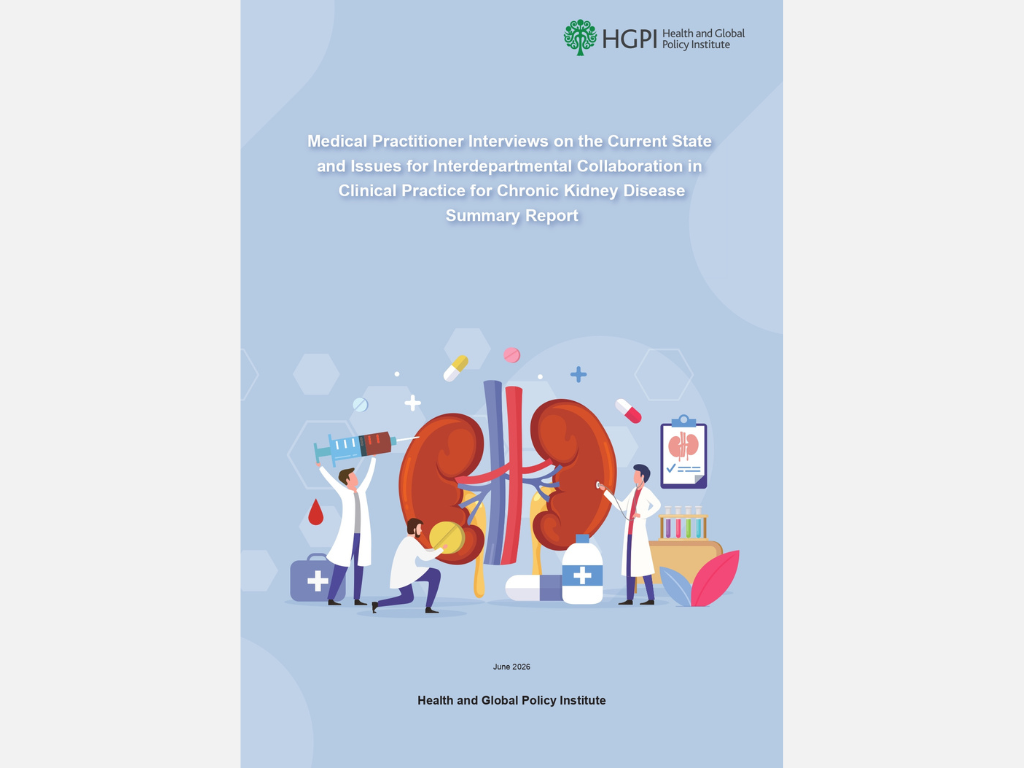
2026-07-02
[Research Report] Medical Practitioner Interviews on the Current State and Issues for Interdepartmental Collaboration in Clinical Practice for Chronic Kidney Disease (June 30, 2026)
-
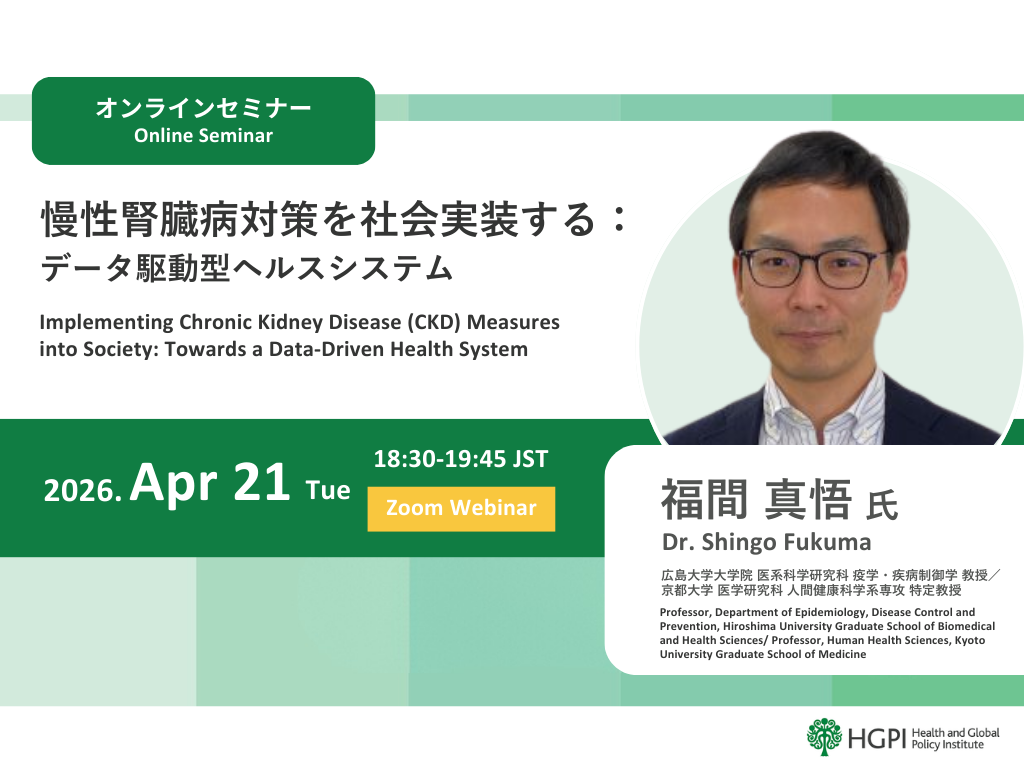
2026-05-29
[Event Report] Online Seminar “Implementing Chronic Kidney Disease (CKD) Measures into Society: Towards a Data-Driven Health System” (April 21, 2026)
-
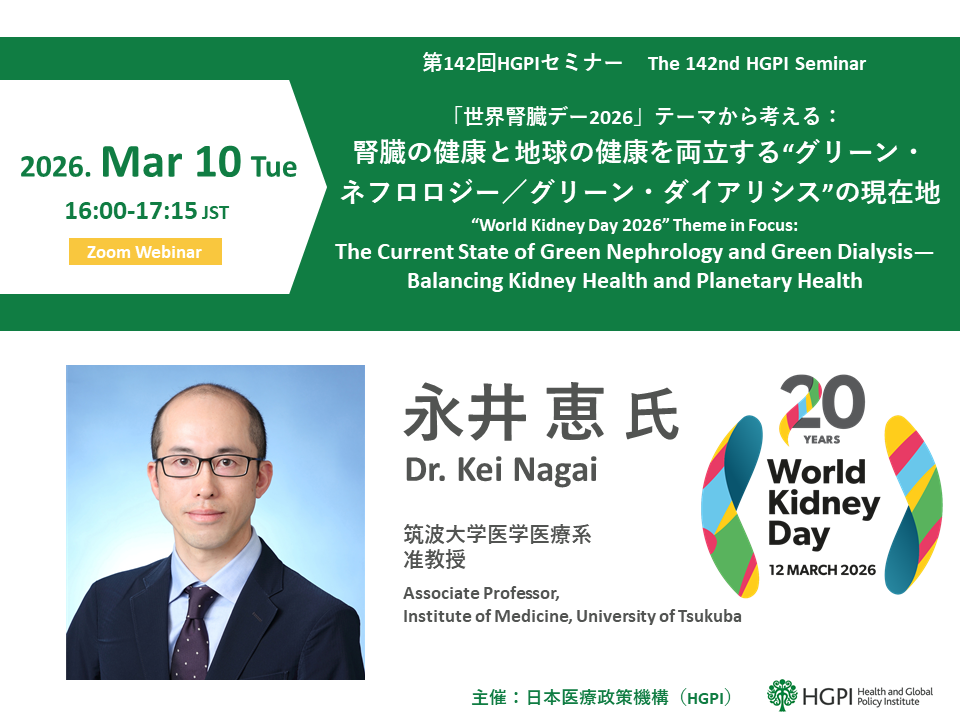
2026-03-11
[Event Report] The 142nd HGPI Seminar “World Kidney Day 2026” Theme in Focus: The Current State of Green Nephrology and Green Dialysis—Balancing Kidney Health and Planetary Health (March 10, 2026)
-
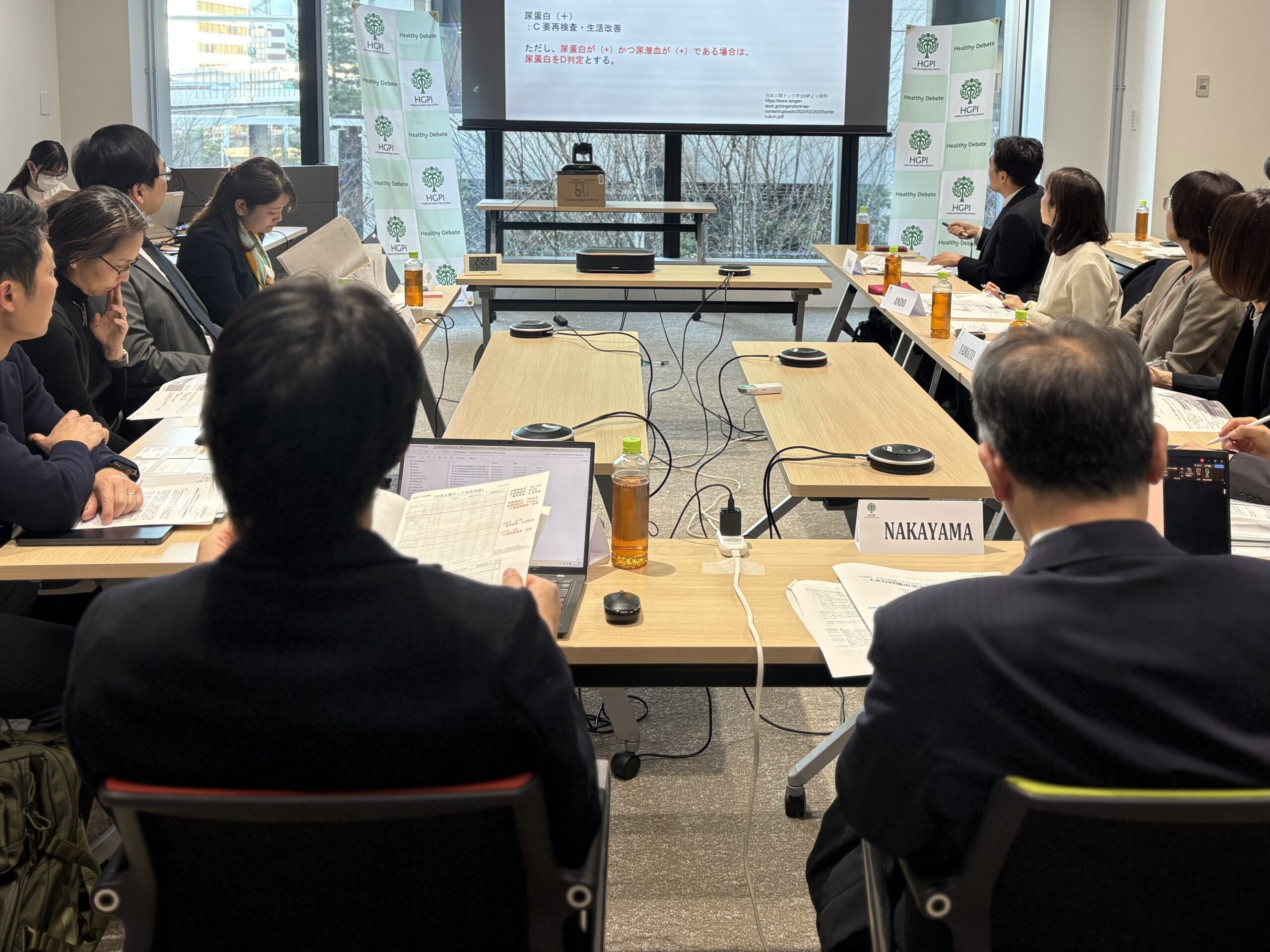
2026-02-04
[Event Report] Advisory Board Meeting “Toward Reliable Policy Implementation for Early Detection and Early Intervention of Chronic Kidney Disease (CKD) in the Occupational Health Sector” (January 27, 2026)
-
2025-12-10
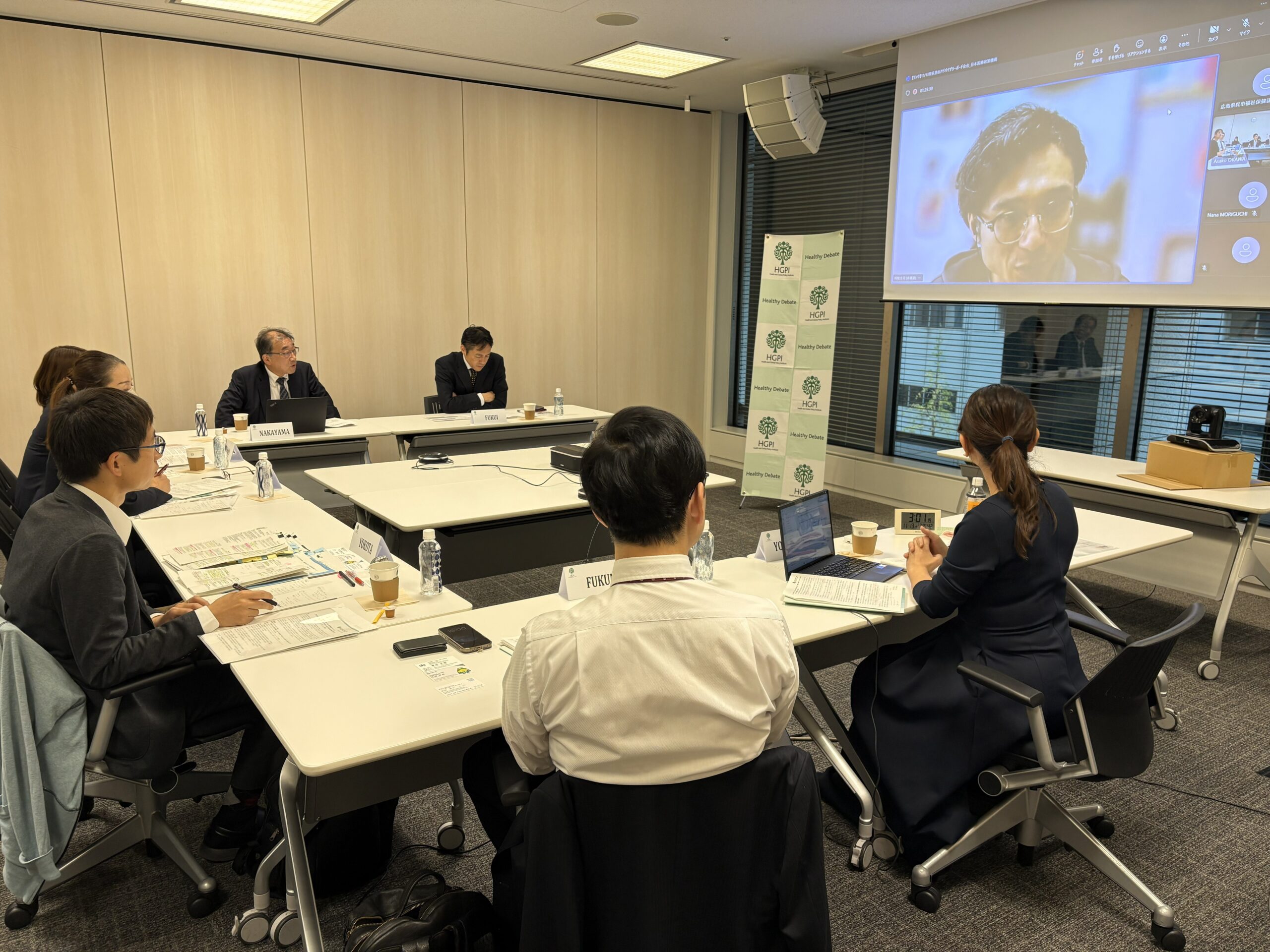
[Event Report] Advisory Board Meeting “Toward Reliable Policy Implementation for Early Detection and Early Intervention of Chronic Kidney Disease (CKD) at the Local Governments” (November 13, 2025)
-
2025-10-06
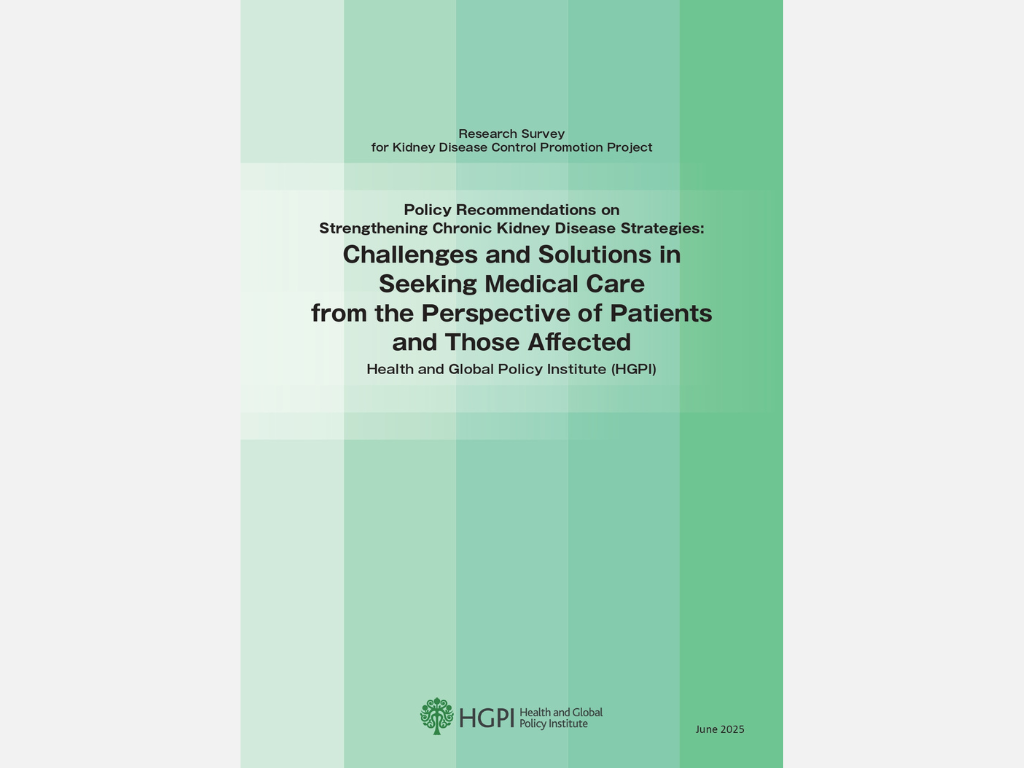
[Recommendations] Kidney Disease Control Promotion Project “Policy Recommendations on Strengthening Chronic Kidney Disease Strategies: Challenges and Solutions in Seeking Medical Care from the Perspective of Patients and Those Affected” (July 9, 2025)
-
2025-03-13
[HGPI Policy Column] (No.55) From the Kidney Disease Control Promotion Project “What Is Required from a Patient Perspective for Continuity of Treatment for Chronic Kidney Disease (CKD): Dietary Therapy Edition”
Top Research & Recommendations Posts
Featured Posts
-
2026-05-18
[Registration Closed] Kick-off Panel Discussion “From Africa and Japan, Drawing from Perspectives Around the World:A Platform for Cultivating a Philosophical Health Dialogue Together” (June 15, 2026)
![[Registration Closed] Kick-off Panel Discussion “From Africa and Japan, Drawing from Perspectives Around the World:A Platform for Cultivating a Philosophical Health Dialogue Together” (June 15, 2026)](https://hgpi.org/en/wp-content/uploads/sites/2/HGPI_20260615_Eyecathch_panel-discussion-From-Japan-and-Africa-in-Discussion-with-the-World_2.png)
-
2026-08-28
[Announcement] The 3rd Kiyoshi Kurokawa Award: Call for Nominations (Deadline: November 30, 2026)
![[Announcement] The 3rd Kiyoshi Kurokawa Award: Call for Nominations (Deadline: November 30, 2026)](https://hgpi.org/en/wp-content/uploads/sites/2/Kiyoshi-Kurokawa-Award_3rd_nominations_eyecatch_caseB_ENG_web_20260929_v0.5.jpg)
-
2026-09-01
[Registration Closed] HGPI Salon 2025-2026 Looking Ahead to the Future of Japan’s Social Security System “Session 6: Japan’s Health Policy through the Lens of Global Security” (October 13, 2026)
![[Registration Closed] HGPI Salon 2025-2026 Looking Ahead to the Future of Japan’s Social Security System “Session 6: Japan’s Health Policy through the Lens of Global Security” (October 13, 2026)](https://hgpi.org/en/wp-content/uploads/sites/2/HGPISalon2025-20266.png)
-
2026-09-17
[Registration Open] (Webinar) The 145th HGPI Seminar “Toward Better AMR Measures at Elderly Care Facilities—Considering Infectious Disease Control in a Super-Aged Society From a Policy Perspective” (October 27, 2026)
![[Registration Open] (Webinar) The 145th HGPI Seminar “Toward Better AMR Measures at Elderly Care Facilities—Considering Infectious Disease Control in a Super-Aged Society From a Policy Perspective” (October 27, 2026)](https://hgpi.org/en/wp-content/uploads/sites/2/HGPIseminar145.png)
-
2026-10-06
[Registration Open] (Webinar) The 146th HGPI Seminar “How We Can Build a Society That Supports Choices Around Organ Donation: Exploring Decision-Making by Citizens and a Multi-Layered Approach Through Strategic Social Marketing” (November 9, 2026)
![[Registration Open] (Webinar) The 146th HGPI Seminar “How We Can Build a Society That Supports Choices Around Organ Donation: Exploring Decision-Making by Citizens and a Multi-Layered Approach Through Strategic Social Marketing” (November 9, 2026)](https://hgpi.org/en/wp-content/uploads/sites/2/HGPI_20261001_Eyecatch_HGPIseminer-146th-1.png)
