


[Research Report] AMR Policy Update #9: Stockholm Residents’ Awareness and Practices in Returning and Recycling Pharmaceuticals: Findings from Local Interviews (July 15, 2026)
date : 7/15/2026
Tags: AMR

![[Research Report] AMR Policy Update #9: Stockholm Residents’ Awareness and Practices in Returning and Recycling Pharmaceuticals: Findings from Local Interviews (July 15, 2026)](https://hgpi.org/en/wp-content/uploads/sites/2/HGPI_eyecatch_AMR_Policy-Update-9.png)
The importance of fighting antimicrobial resistance (AMR) in the global health context carries with it the risk of undermining decades of progress in infectious disease control if left unaddressed. AMR arises when bacteria and other microbes evolve to withstand the medicines designed to kill them, making once-treatable infections increasingly difficult to cure. In Europe, AMR has been referred to as one of the three most dangerous health threats, together with the pandemic of emergent new diseases and chemical, biological, nuclear and radiological threats to health.
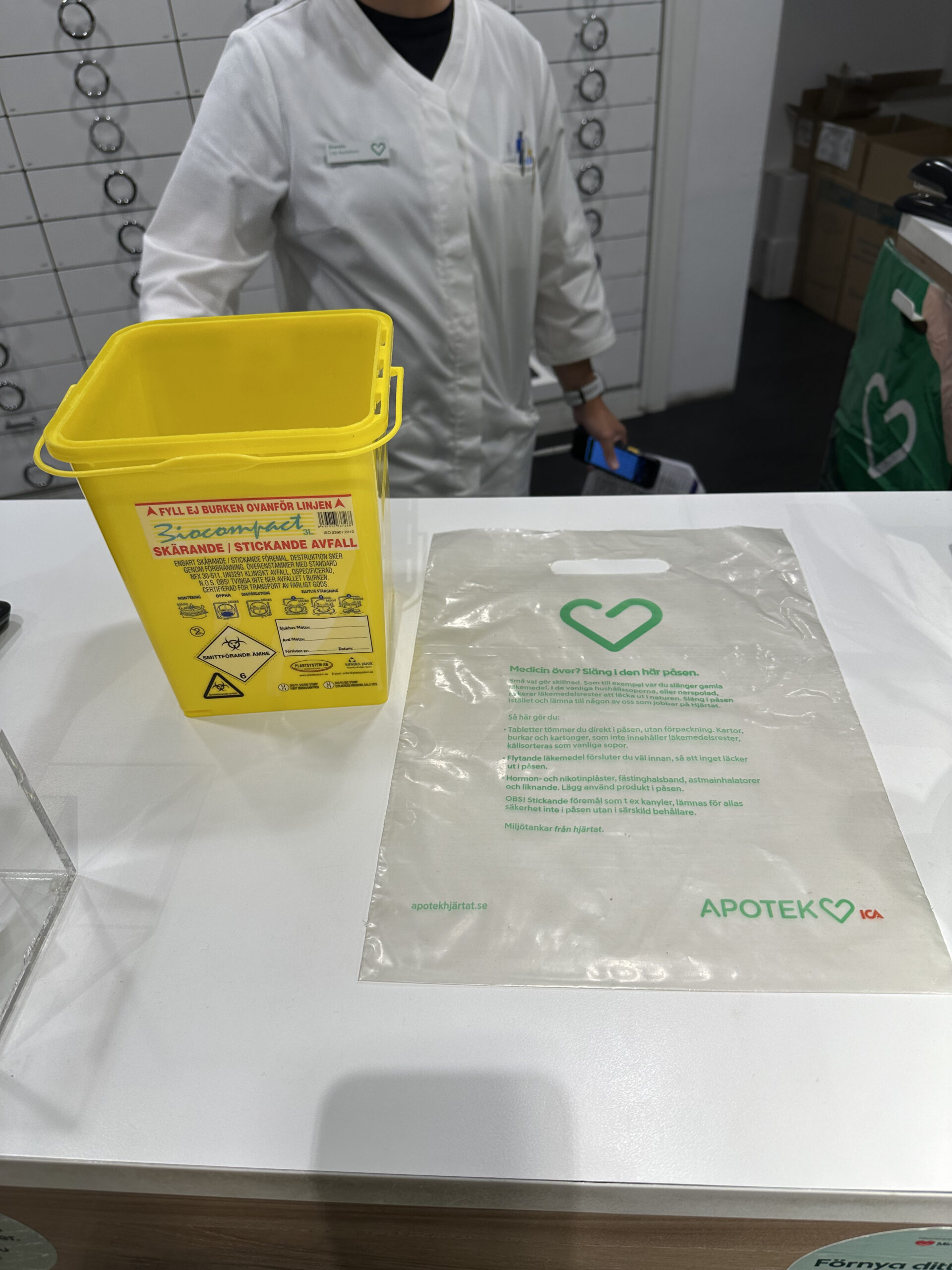
In response to this threat, Sweden has developed and maintained a strategy and a national action plan for AMR for many years. This includes government initiatives designed to support the return, safe disposal, and recycling of expired or unused medicines and medical products. Under these programs, pharmacies accept unused or expired medicines from the public, often via free return bags, for safe disposal, keeping them out of household waste and wastewater. When medicines are discarded improperly, their active compounds, including antibiotics, can reach waterways and soil, where low-level exposure helps select for resistant bacteria; safe return and disposal are therefore an effective and strong step in mitigating this environmental contamination.
However, alongside government policy, it is deeply important to consider how citizens actively integrate these programs and policy initiatives into their daily routines.
Aiming to advance policies to combat AMR, Health and Global Policy Institute (HGPI) and AMR Alliance Japan have been engaged in researching citizen engagement and awareness raising activities. This article introduces five individuals who took part in an informed and consenting interview during a dedicated research trip to Sweden in September 2025. The interviews were conducted in English with five Swedish citizens who reside in Stockholm, with ages ranging from 30s to 50s. During these sessions, participants were asked questions regarding their personal knowledge of, attitudes toward, and utilization of established medicine return programs at Swedish community pharmacies, drawing on the Knowledge, Attitudes, and Practices (KAP) framework widely used in public health. The discussion findings have been edited for clarity and concision, ensuring participant anonymity.
The findings of these interviews highlight the importance of community-led, sustainable countermeasures in the area of pharmaceutical management, such as everyday habits of returning unused medicines and a culture of cautious use They also suggest education and awareness campaigns to be a key step in the process of fostering engaged citizens that transcend specific age groups or demographics.
Participant 1 (Male, 50s)
The first participant, who has lived in Stockholm his entire life, reported infrequent use of medication return systems, typically returning unused medicines to pharmacies only once every few years. When he does return medicines, these are primarily prescription drugs. He demonstrates an awareness of appropriate antibiotic use and indicated that he and his family generally rely on over-the-counter (OTC) medications to manage minor symptoms such as headaches.
He noted challenges in building continuity with primary care providers, as attending physicians often change. He expressed that having a consistent family doctor would improve communication, particularly for managing chronic or complex conditions. In his view, the healthcare system appears better structured for general screenings than for ongoing management of chronic issues.
While he does not recall formal education regarding the environmental impact of pharmaceuticals, he reported receiving consistent guidance from doctors and pharmacists on proper medication disposal. As a result, he feels confident in managing unused medicines at home.
Participant 2 (Male, 30s)
The second participant, also a lifelong Stockholm resident, reported limited engagement with pharmacy-provided medicine return bags, preferring instead to use his own bag when returning unused medications. However, he noted that he has only returned medicines a few times in his life. He generally relies on OTC medications and tends to complete the medicines he purchases, resulting in minimal leftover products.
He described a positive experience with the healthcare system following hospitalization for internal inflammation, where he received timely diagnosis and appropriate antibiotic treatment. He also reported frequent use of online pharmacies due to their convenience.
The participant recalled exposure to public service announcements (PSAs) from pharmacies during his upbringing, which promoted the return of unused medicines. He believes that awareness of proper disposal practices is relatively high among Swedish residents. He also reported regularly receiving vaccinations at pharmacies but had not been aware that some promotional materials are sponsored by private pharmacy companies.
Regarding the healthcare subsidy system, he noted that while he has not personally reached the annual cost cap, his mother does so regularly, and he perceives the system as effective for frequent users. However, he highlighted that separate caps for medications may place a higher financial burden on individuals using non-essential treatments, and he observed that these caps have increased in recent years.
Participant 3 (Male, 30s)
The third participant, born and raised in Sweden, indicated awareness of pharmacy-provided medicine return bags but reported not using them due to low personal medication use. During his childhood, medication management, including antibiotics, was handled by his parents. He attributed his confidence in handling medicines to both this upbringing and having family members working in the medical field.
He views the healthcare subsidy system positively, although he has not personally reached the threshold for financial support. He has maintained a long-term relationship with the same community doctor but does not believe that changing doctors or clinics would significantly affect the quality of care.
While he has not specifically noticed signage related to medicine return programs, he has observed vaccination-related promotional materials in pharmacies and reported positive experiences with mobile vaccination clinics in central urban areas. Although his own experiences with the healthcare system have been positive, he noted that acquaintances have reported increasing wait times for care.
Participant 4 (Female, 30s)
The fourth participant, who lives in Stockholm for her studies, demonstrated clear awareness of pharmacy-provided medicine return bags. While she has not personally returned unused or expired medicines, she reported that her family collects and returns such items in bulk using these bags.
Her household practices cautious use of antibiotics, relying on them only when prescribed, and maintains a supply of basic OTC medications such as paracetamol. She described mixed experiences with the healthcare system, including an incident where she initially faced difficulty accessing care due to geographic registration constraints, although she ultimately received treatment when her condition was deemed urgent.
She also reported increasing difficulty in accessing primary care services, noting that local clinics appear to be overburdened. She described instances where clinics declined to provide appointments and directed her elsewhere. She suggested that individuals with lower perceived urgency, particularly younger adults, may face greater barriers in accessing care.
Participant 5 (Female, 30s)
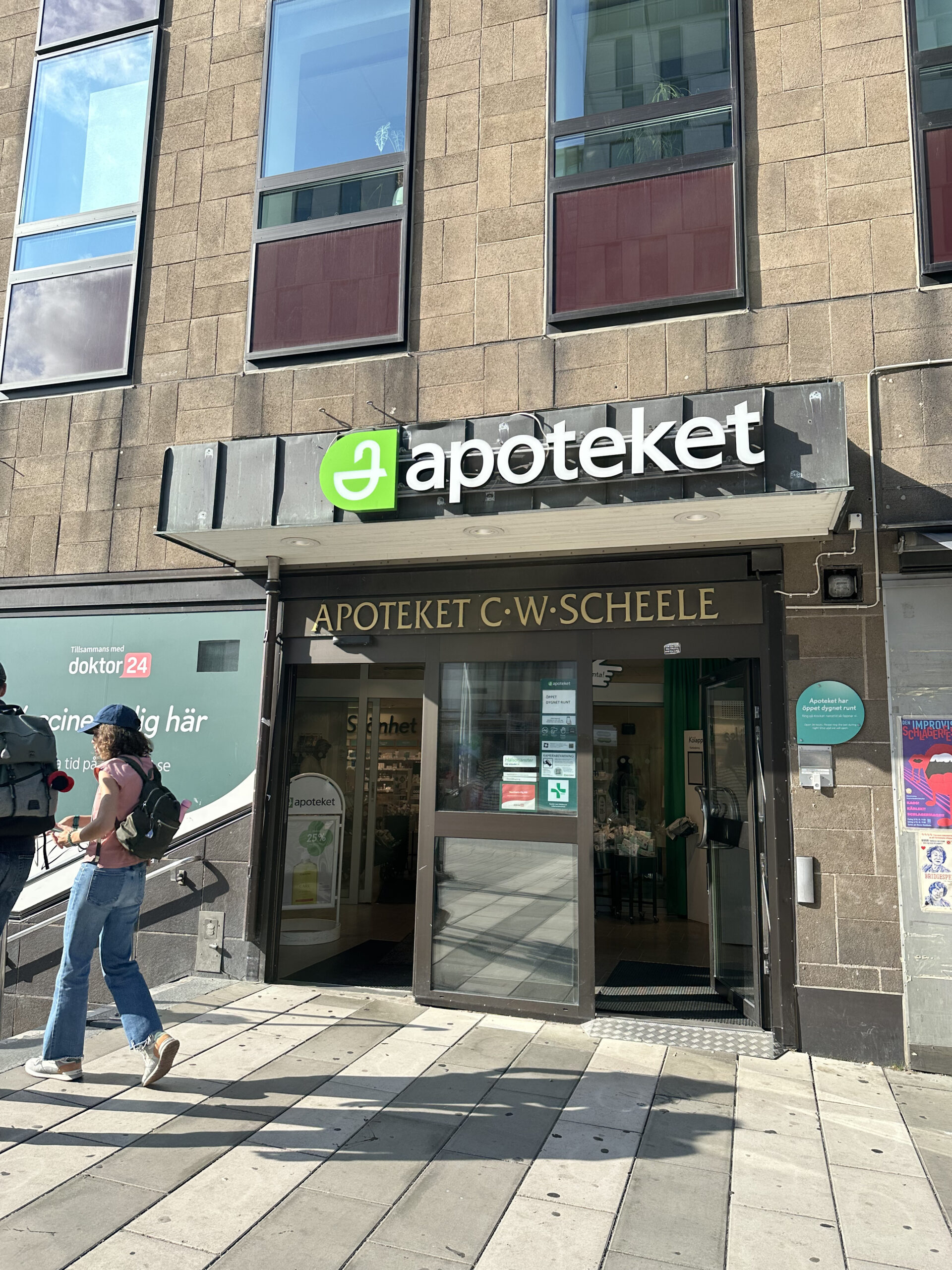
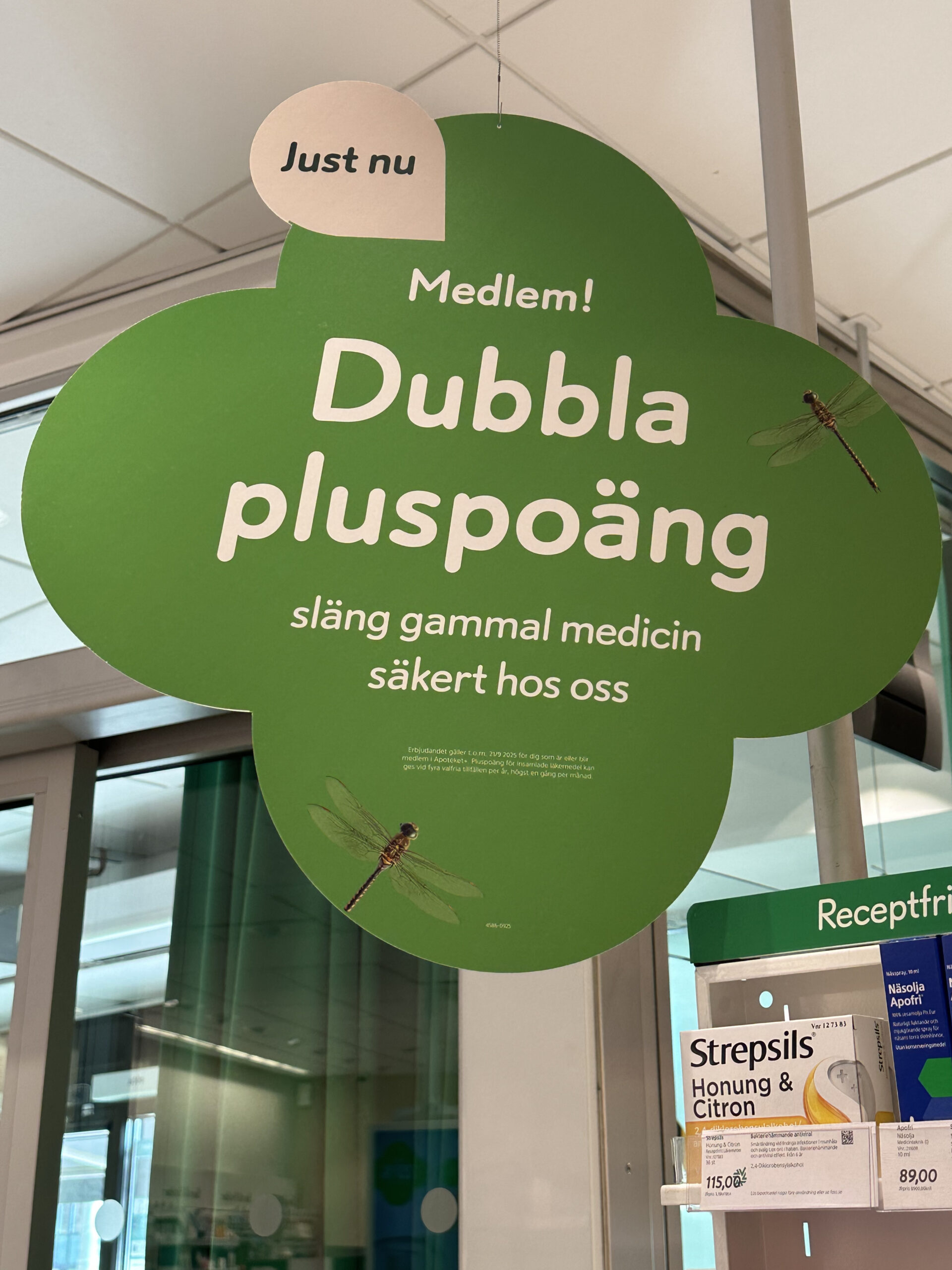
The fifth participant, a lifelong Stockholm resident, did not recognize pharmacy-provided return bags but recalled seeing posters promoting medicine return programs. She reported cautious use of medications, maintaining only small quantities of pain relief and allergy medicines at home. As a result, she has not needed to return unused medicines. She also noted that her family emphasizes completing prescribed medication courses, minimizing leftover pharmaceuticals.
Although she does not recall formal education on the environmental impact of pharmaceutical waste, she highlighted that environmental awareness and recycling practices are emphasized from an early age in Sweden. She believes that this general culture of responsible waste disposal contributes to public openness toward appropriate handling of medical waste.
From these lived experiences, it suggests that awareness of proper medicine disposal and of AMR in Sweden rests not on any single measure, such as the medicine return programs, but on a broader culture of responsible disposal rooted in society and local communities, alongside everyday habits at home. Most of the citizens we interviewed were not strongly conscious of the return programs or the return bags themselves. Even so, through education from an early age and routine communication with doctors and pharmacists, the mindset and practice of not letting medicines go to waste, and of returning any leftovers to the pharmacy, had become second nature and were carried out as part of daily life.
At the same time, participants voiced concerns about healthcare more broadly. These ranged from financial worries, such as the recent increases in the cost ceilings under the subsidy scheme, to challenges within the healthcare delivery system itself, including difficulty in building a relationship with a regular family doctor as attending physicians frequently change, and growing difficulty in securing primary care appointments.
For AMR measures to remain effective over the medium and long term, steadily advancing targeted initiatives such as medicine return programs must go hand in hand with fostering such a culture across society as a whole, through school education and broader learning-support and awareness-raising activities. At the same time, it is essential to sustain a healthcare delivery system in which medical professionals and citizens can build relationships of trust.
Note: Sweden’s High-Cost Protection Scheme
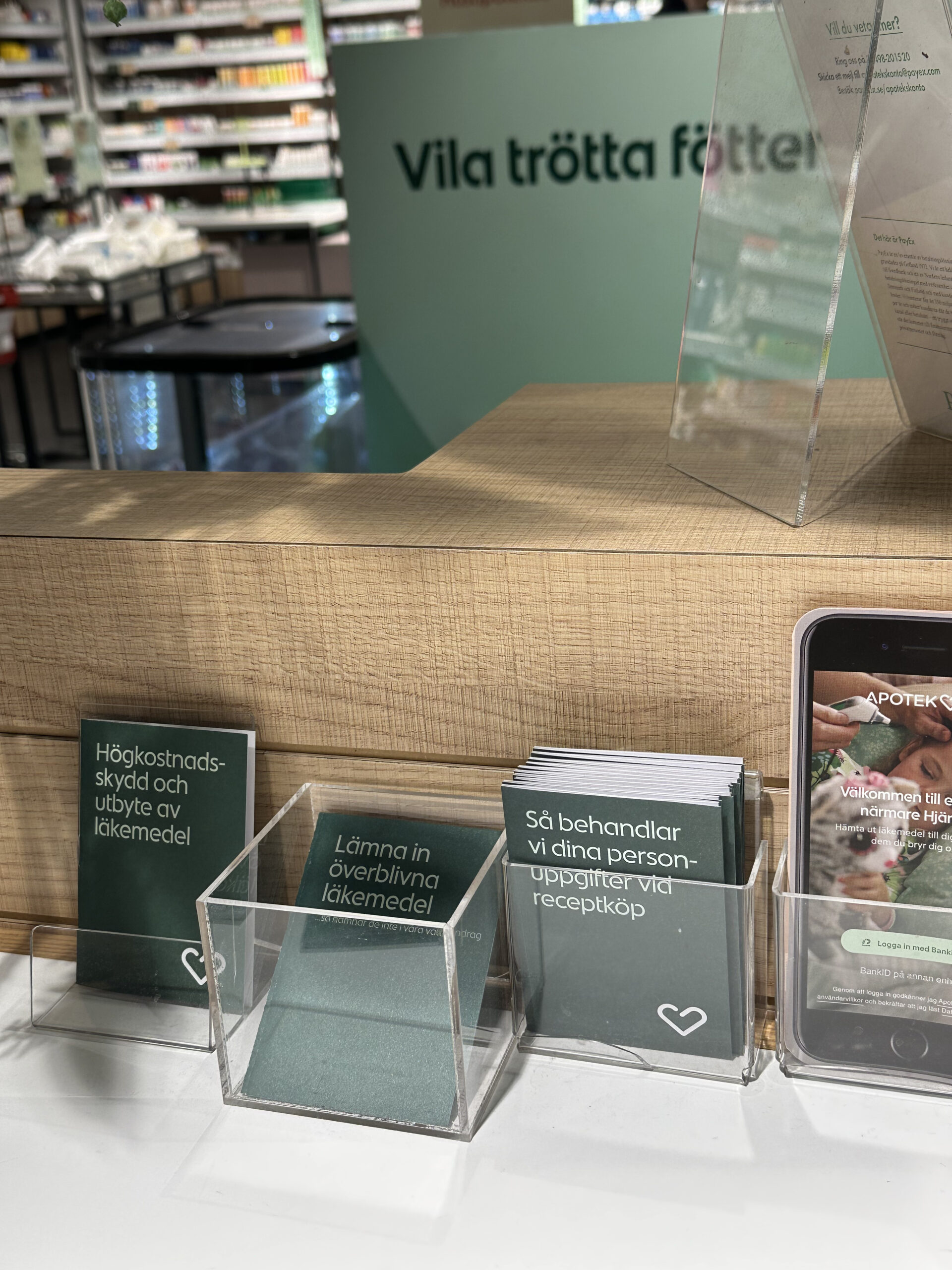
Sweden operates a high-cost protection scheme (högkostnadsskydd) that limits how much a patient pays out of pocket. It applies over a 12-month period and, notably, sets separate ceilings for outpatient care visits and for prescription medicines. For prescription medicines, patients first pay the full cost up to a set amount; beyond that, state subsidy begins, and the patient’s share decreases in steps as their cumulative spending rises. Once their out-of-pocket payments reach the ceiling, medicines are free for the remainder of the period. Protection applies only to medicines approved for subsidy by the Dental and Pharmaceutical Benefits Agency (TLV: Tandvårds- och läkemedelsförmånsverket), a central government body; medicines outside the scheme are, as a rule, paid for in full and do not count toward the ceiling.
These coverage decisions rest on three ethical principles that Sweden enshrined in law in 1997: the human dignity principle (människovärdesprincipen), the need and solidarity principle (behovs- och solidaritetsprincipen), and the cost-effectiveness principle (kostnadseffektivitetsprincipen). Crucially, need and solidarity rank above cost-effectiveness. As a result, medicines for conditions of high need are less likely to be excluded from subsidy on the grounds of cost alone. The out-of-pocket ceiling for prescription medicines was raised in July 2025, from roughly SEK 2,900 to SEK 3,800.
Authors
Clara Isabella Ann Lim (Program Specialist, Health and Global Policy Institute)
Yui Kohno (Manager, Health and Global Policy Institute)
Related Posts
-
2026-07-01
[Research Report] AMR Policy Update #8: Fostering AMR-Conscious Youth: The Antibiotic Smart Sweden Certificate Program and its Implications for Early Childhood Education (July 1, 2026)
-
2026-06-16
[Research Report] AMR Policy Update #7: The New Global Action Plan on AMR (Part 2)
-
2026-06-15
[Research Report] AMR Policy Update #6: The New Global Action Plan on AMR (Part 1)
-
2026-02-06
[Research Report] AMR Policy Update #5: Cancer Care and AMR (Part 2)
-
2026-02-05
[Research Report] AMR Policy Update #4: Cancer Care and AMR (Part 1)
-
2025-12-24
[Research Report] AMR Policy Update #3: Human Mobility and AMR
-
2025-11-26
[Research Report] AMR Policy Update #2: WHO’s First Report on Fungal Infection—Bridging the Gap Between Clinical Practice and R&D
-
2025-11-21
[Research Report] AMR Policy Update #1: AMR Policy for the Next Decade and the Next Century
Top Research & Recommendations Posts
Featured Posts
-
2026-05-18
[Registration Closed] Kick-off Panel Discussion “From Africa and Japan, Drawing from Perspectives Around the World:A Platform for Cultivating a Philosophical Health Dialogue Together” (June 15, 2026)
![[Registration Closed] Kick-off Panel Discussion “From Africa and Japan, Drawing from Perspectives Around the World:A Platform for Cultivating a Philosophical Health Dialogue Together” (June 15, 2026)](https://hgpi.org/en/wp-content/uploads/sites/2/HGPI_20260615_Eyecathch_panel-discussion-From-Japan-and-Africa-in-Discussion-with-the-World_2.png)
-
2026-08-28
[Announcement] The 3rd Kiyoshi Kurokawa Award: Call for Nominations (Deadline: November 30, 2026)
![[Announcement] The 3rd Kiyoshi Kurokawa Award: Call for Nominations (Deadline: November 30, 2026)](https://hgpi.org/en/wp-content/uploads/sites/2/Kiyoshi-Kurokawa-Award_3rd_nominations_eyecatch_caseB_ENG_web_20260929_v0.5.jpg)
-
2026-09-01
[Registration Closed] HGPI Salon 2025-2026 Looking Ahead to the Future of Japan’s Social Security System “Session 6: Japan’s Health Policy through the Lens of Global Security” (October 13, 2026)
![[Registration Closed] HGPI Salon 2025-2026 Looking Ahead to the Future of Japan’s Social Security System “Session 6: Japan’s Health Policy through the Lens of Global Security” (October 13, 2026)](https://hgpi.org/en/wp-content/uploads/sites/2/HGPISalon2025-20266.png)
-
2026-09-17
[Registration Open] (Webinar) The 145th HGPI Seminar “Toward Better AMR Measures at Elderly Care Facilities—Considering Infectious Disease Control in a Super-Aged Society From a Policy Perspective” (October 27, 2026)
![[Registration Open] (Webinar) The 145th HGPI Seminar “Toward Better AMR Measures at Elderly Care Facilities—Considering Infectious Disease Control in a Super-Aged Society From a Policy Perspective” (October 27, 2026)](https://hgpi.org/en/wp-content/uploads/sites/2/HGPIseminar145.png)
-
2026-10-06
[Registration Open] (Webinar) The 146th HGPI Seminar “How We Can Build a Society That Supports Choices Around Organ Donation: Exploring Decision-Making by Citizens and a Multi-Layered Approach Through Strategic Social Marketing” (November 9, 2026)
![[Registration Open] (Webinar) The 146th HGPI Seminar “How We Can Build a Society That Supports Choices Around Organ Donation: Exploring Decision-Making by Citizens and a Multi-Layered Approach Through Strategic Social Marketing” (November 9, 2026)](https://hgpi.org/en/wp-content/uploads/sites/2/HGPI_20261001_Eyecatch_HGPIseminer-146th-1.png)
