


[HGPI Policy Column] (No.73) — From the Planetary Health Project “Part 18: Planetary Health Diet: A Dietary Guideline for the Health of People and the Planet”
date : 6/19/2026

![[HGPI Policy Column] (No.73) — From the Planetary Health Project “Part 18: Planetary Health Diet: A Dietary Guideline for the Health of People and the Planet”](https://hgpi.org/en/wp-content/uploads/sites/2/column-73-top.png)
<POINTS>
- Dual vulnerability of food systems: Food systems account for approximately one-third of global greenhouse gas emissions, while simultaneously suffering direct consequences from climate change in the form of crop failures and nutritional degradation. This paradox of being both a driver and a victim of the crisis, represents a structural vulnerability that demands urgent attention.
- The Planetary Health Diet as a framework for sustainable food systems: The Planetary Health Diet is a science-based dietary guideline that simultaneously targets the reduction of environmental burden and the promotion of human health. It is positioned as a comprehensive policy framework for achieving both goals in an integrated manner.
- Global momentum toward redesigning the “food environment” that supports individual choices: Rather than relying solely on individual initiatives, an accelerating global trend is emerging to redesign the collective “Food Environment,” including publicly funded food services such as school lunches, hospital meals, and meals in long-term care facilities, to make healthier, more sustainable food choices the default.
- Transitioning to a sustainable food system and institutional design in Japan: There is growing need to embed an integrated perspective on health and the environment into existing institutional frameworks, and to design systems, through public procurement and food labeling policies, among others, that support a societal shift towards sustainable diets.
Climate Change and Food Systems
Approximately one-third of global greenhouse gas emissions are attributed to food systems. Yet food systems face a dual vulnerability: they are both a significant driver of climate change and its direct victim. In Japan, the impacts are already becoming evident. Rising temperatures have led to white immature grain in rice crops, reducing yields and quality, while the increasing frequency of extreme weather events, including typhoons, continues to cause widespread damage to agriculture, forestry, and fisheries. Furthermore, given that Japan’s food self-sufficiency rate stands at approximately 38% on a caloric basis, the global instability of food production caused by climate change poses a direct risk to domestic food security. This extends beyond food security, intersecting deeply with public health challenges through nutritional imbalances and widening disparities.
Overview and Key Points of the Planetary Health Diet
In 2019, the EAT–Lancet Commission introduced the “Planetary Health Diet,” a science-based dietary guideline designed to simultaneously achieve human health and planetary sustainability. Rather than treating food, agriculture, environment, and health as separate domains, this guideline frames them as one integrated system, presenting scientific benchmarks for addressing complex, interconnected challenges through everyday dietary choices. While groundbreaking, the proposal also drew criticism for its predominantly Western-centric perspective, insufficient attention to cultural and religious diversity, and perceived disconnect from real-world food access conditions, sparking significant international debate. In response to critiques of Planetary Health Diet 1.0, an updated version (Planetary Health Diet 2.0) was published in 2025, incorporating equity-based accessibility, economic feasibility, cultural diversity, and a more multifaceted understanding of health to support broader societal implementation.
The Planetary Health Diet is, by design, adaptable to regional and cultural contexts, and encourages local food consumption and the use of seasonal produce. It promotes reduced consumption of animal products, sugar, refined grains, and processed foods, while encouraging greater intake of vegetables, plant-based proteins, and whole grains (see Figure 1 and Table 1). According to the report published by the EAT–Lancet Commission in 2025, the Planetary Health Diet is projected to generate benefits across multiple domains, including health, environmental sustainability, and food security, both directly and indirectly. Research based on the EAT–Lancet Commission’s 2019 paper and the dietary guidelines it proposed suggests that, for human health, the Planetary Health Diet could prevent approximately 11 million premature deaths annually by reducing the incidence of coronary heart disease, stroke, type 2 diabetes, and certain cancers, as well as improving malnutrition in low- and middle-income countries. Recent systematic reviews and meta-analyses have further confirmed that adherence to the Planetary Health Diet is associated with reduced risk of diabetes, cardiovascular disease, cancer, and all-cause mortality.
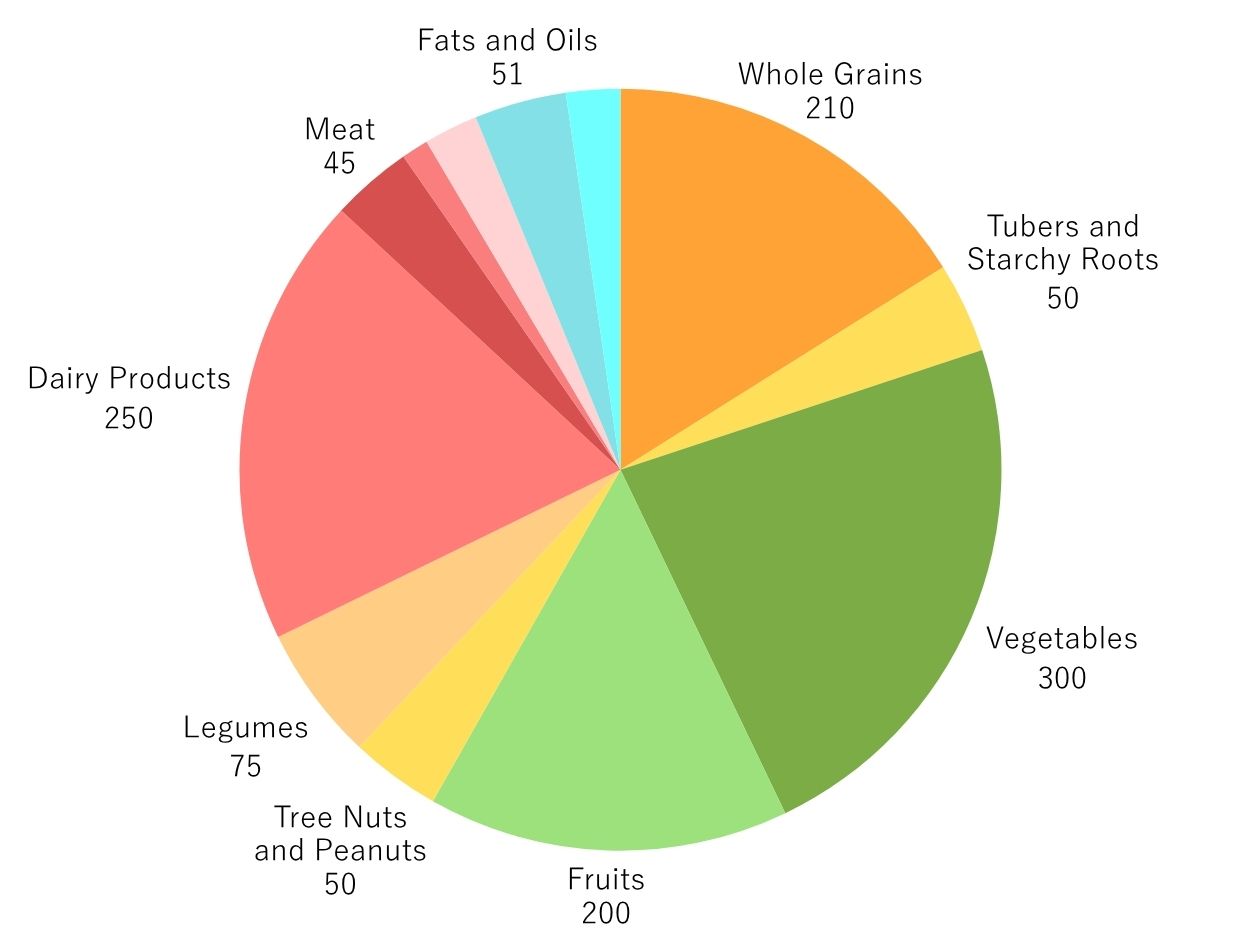
Figure 1: Recommended Daily Intake by Food Group under the Planetary Health Diet (g/day)
Source: “The EAT–Lancet Commission on healthy, sustainable, and just food systems,” by Rockström et al., 2025, p. 1632
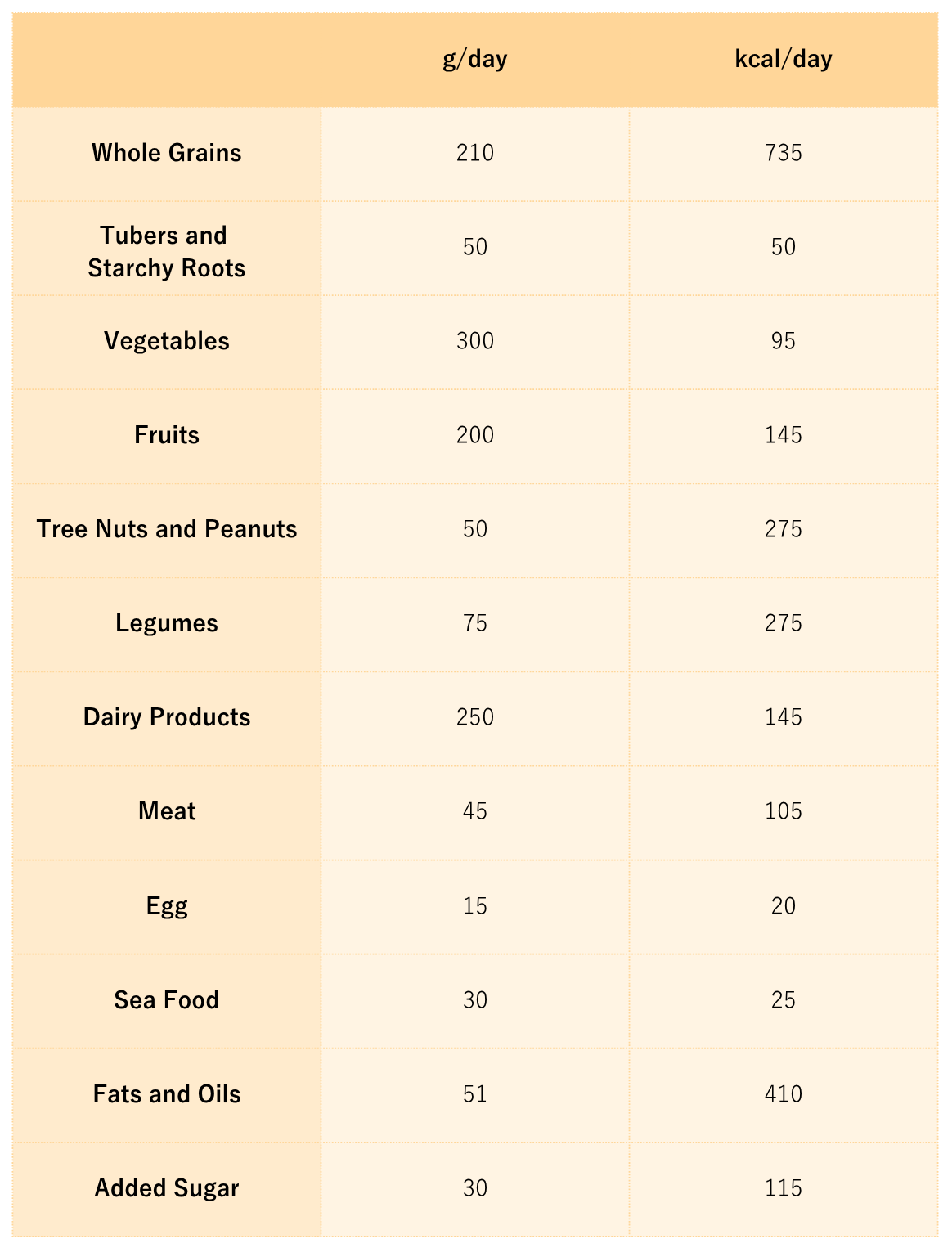 Table 1: Scientific Targets and Possible Ranges for the Planetary Health Diet at 2,400 kcal/day
Source: “The EAT–Lancet Commission on healthy, sustainable, and just food systems,” by Rockström et al., 2025, p. 1632
The EAT–Lancet Commission emphasizes that sustaining and embedding these individual dietary changes within society requires not just personal effort, but a society-wide “Great Food Transformation.” This transformation encompasses changes in consumption patterns, improvements in the quality of food production, sustainable intensification of farmland, improved governance of oceans and land, and reducing food waste by half, collectively aiming to reshape the entire food system toward sustainability.
If current food system trajectories in production and consumption continue, agricultural greenhouse gas emissions are projected to increase by approximately 30%, and agricultural land use by approximately 6% by 2050. However, if food production and consumption patterns change through the implementation of the Planetary Health Diet, it is estimated that these increases could be curbed by approximately 50% for greenhouse gas emissions and approximately 20% for land-use conversion.
Global Developments
Since its launch in 2019, the Planetary Health Diet has attracted significant international attention and is being implemented at various scales. Through the C40 Good Food Cities initiative, built on the Milan Urban Food Policy Pact, major cities around the world, including Tokyo, have pledged to redesign their food environments in alignment with the Planetary Health Diet. Signatory cities have reported a 31% reduction in the consumption of high-emission foods and a 40% increase in plant-based food consumption through optimized public procurement.
These efforts centered on public procurement and school meals are expanding to countries worldwide. In Brazil, public schools are required to source at least 30% of their food budgets from local producers, with bans on the procurement of ultra-processed foods and mandatory comprehensive nutritional labeling on packaging. France has legally mandated at least one plant-based meal option per week in school cafeterias. In South Korea, building on the Basic Act on Dietary Life Education enacted in 2009, organic and vegetarian school meals have been institutionalized across multiple local governments. Meanwhile, Copenhagen has pursued a policy of sourcing 90% of public food service ingredients from organic suppliers, while reforming menus to reduce meat and increase legumes and seasonal vegetables.
Examples of Planetary Health Diet Initiatives in Japan
Efforts aligned with the Planetary Health Diet are also advancing in Japan. The Fourth Basic Plan for the Promotion of Shokuiku (Food and Nutrition Education) promotes locally sourced food consumption, which also contributes to reducing carbon footprint by shortening supply chains and lowering food mileage. In Fukuroi City, Shizuoka Prefecture, the “Japan’s Most Future-Oriented School Lunch” initiative incorporates locally sourced ingredients and composting of kitchen waste, reflecting international trends and demonstrating the growing momentum for sustainable food practices within Japanese school meal programs.
In parallel with these domestic initiatives, Japan has also been engaged in international discussions on achieving sustainable food systems. At the time of the Tokyo Nutrition for Growth Summit in 2021, then-Minister for Foreign Affairs Yoshimasa Hayashi contributed an article to The Lancet, emphasizing the importance of sustainable food systems for achieving both environmental conservation and nutritional security. In line with the principle of human security, emphasizing leaving no one behind, Japan has used the Tokyo Nutrition for Growth Summit to promote multi-stakeholder commitments for global health and nutrition improvement. The Tokyo Nutrition for Growth Declaration, issued as an outcome of the summit, referenced the connection between promoting healthy diets and building sustainable food systems, underscoring the need to make food systems more sustainable and climate-resilient for both nutritional security and environmental goals, thereby creating a policy context that advances the Planetary Health Diet agenda.
Policy Pathways for Promoting the Planetary Health Diet in Japan
Japan already has a robust legislative framework related to food, including laws governing health (the Health Promotion Act and the Basic Act on Shokuiku), the environment and agriculture (Act on Promotion of Environmental Burden Reduction Business Activities for Establishing Environmentally Harmonized Food Systems), and food labeling (the Food Labeling Act). For the societal implementation of the Planetary Health Diet, it is essential to integrate a planetary health perspective into these existing frameworks, reorganizing and bridging the current siloed structure across sectors. Three specific policy approaches can be identified as follows.
- Creating Market Demand and Supporting Industry through Public Procurement
Rather than relying solely on voluntary behavioral change by individuals, leveraging public procurement by national and local governments can generate demand for sustainable food and create mechanisms to support producers. Concretely, this involves aligning the Act on Promotion of Environmental Burden Reduction Business Activities for Establishing Environmentally Harmonized Food Systems with the School Lunch Program Act and the Basic Plan for Fisheries to mandate the procurement of low-environmental-impact ingredients and underutilized fish species in school meals, and to prioritize the purchase of fishery eco-label certified products. This approach to public procurement extends beyond school lunches to hospital and long-term care facility meals, which are also directly shaped by national institutional frameworks through reimbursement under the medical and nursing care fee schedules. By connecting these contexts under the umbrella of sustainable public food procurement, society-wide demand for low-environmental-impact and locally sourced ingredients can be generated. To achieve this, it is important to create an environment in which registered dietitians and other food professionals, who oversee menu planning and nutritional management in these settings, can participate in the development of sustainable procurement standards and institutional design.
- Food and Nutrition Education that Integrates Human Health and Planetary Health
Integrating the concept of planetary health into the existing frameworks of shokuiku (food and nutrition education), which have traditionally focused on individual health and cultural heritage, provides a vital foundation for embedding the principles of the Planetary Health Diet into society. Evolving the locally sourced food promotion emphasized in the School Lunch Program Act and the Basic Plan for the Promotion of Shokuiku into a literacy-building initiative, which helps people understand how local procurement supports environmental conservation, and how environmental health in turn connects to human well-being, can create opportunities for the next generation to choose sustainable diets. Moreover, this educational effort should not be limited to schools. Through nutritional guidance in medical and care settings and community awareness-raising activities, the goal should be to build a comprehensive food education system that enables people of all generations to learn about the connections between food and the environment, and to apply that understanding to their everyday choices.
- Reforming Food Labeling Systems to Support Consumer Choice
Rather than relying on shifts in individual awareness, there is a need to design a food environment that makes it easier to practice the Planetary Health Diet through everyday choices. By expanding the scope of the Food Labeling Act and the Health Promotion Act to include not only traditional nutritional information but also environmental impact indicators, such as carbon footprints, consumers can be empowered to voluntarily choose lower-impact foods, while visual nudges can also make it harder to select products whose long-term excessive consumption increases both health risks and environmental burden. Standardizing such labeling systems would not only support individual consumer choices but also function as a clear decision-making benchmark for sustainable ingredient selection in the public procurement contexts described earlier, such as schools and hospitals, thereby contributing to an overall improvement in the food environment across society.
To advance these institutional approaches effectively, it is essential to pursue in parallel a nuanced social dialogue (risk communication) that helps industries and individuals accurately understand the connections between dietary habits and the environment. By advancing both institutional development and the cultivation of social understanding in tandem, a smoother transition will be possible.
Conclusion
The transformation of food systems through the Planetary Health Diet is an effective means of simultaneously realizing environmental sustainability and human health. Its societal implementation requires institutional design that supports producers, distributors, and consumers alike. By incorporating planetary health and Planetary Health Diet perspectives into the design of food systems, encompassing not only school meals but also publicly funded food services such as hospital meals and meals in long-term care facilities, it becomes possible to create a food environment in which the Planetary Health Diet is the easier and more natural choice for society as a whole. Japan is called upon to leverage its established institutional foundations and international knowledge to steadily advance the transition toward a sustainable food system. The expertise and practice of food professionals, including registered dietitians, will be indispensable to achieving this goal.
References
- Bui, L. P., Pham, T. T., Wang, F., Chai, B., Sun, Q., Hu, F. B., Lee, K. H., Guasch-Ferre, M., & Willett, W. C. (2024). Planetary Health Diet Index and risk of total and cause-specific mortality in three prospective cohorts. The American Journal of Clinical Nutrition, 120(1), 80–91. https://doi.org/10.1016/j.ajcnut.2024.03.019
- Copenhagen Municipality. (2019). The City of Copenhagen’s food strategy 2019. https://maaltider.kk.dk/sites/default/files/2022-06/The%20City%20of%20Copenhagen%20Food%20Strategy%202019.pdf
- Ministry of Foreign Affairs of Japan. (2023). Minister for Foreign Affairs Hayashi’s article in The Lancet: ‘The Tokyo Nutrition for Growth Summit 2021 is a historic opportunity to achieve the Sustainable Development Goals’. https://www.mofa.go.jp/mofaj/press/release/press6_001006.html
- Global Child Nutrition Foundation. (2024). South Korea 2024 report. https://gcnf.org/wp-content/uploads/2024/12/South_Korea_2024_Report_R6.pdf
- Health Promotion Act, Act No. 103 of 2002 (2002).
- Kim, R., et al. (2025). School meals case study: Republic of Korea. London School of Hygiene & Tropical Medicine. https://researchonline.lshtm.ac.uk/id/eprint/4677478/1/Kim_etal_2025_School_Meals_Case_Study_RoK.pdf
- Liu, J., Shen, Q., & Wang, X. (2024). Emerging EAT-Lancet planetary health diet is associated with major cardiovascular diseases and all-cause mortality: A global systematic review and meta-analysis. Clinical Nutrition, 43(12), 167–179.
- Milan Urban Food Policy Pact. (n.d.). MPA 2025: Discover the inspiring practices from the special mentions of the governance category. https://www.milanurbanfoodpolicypact.org/mpa-2025-discover-the-inspiring-practices-from-the-special-mentions-of-the-governance-category/
- The Rockefeller Foundation. (2025). Building a public good: Policy and infrastructure development in South Korea’s universal free environment-friendly school lunch program report. https://www.rockefellerfoundation.org/wp-content/uploads/2025/12/Building-a-Public-Good-Policy-and-Infrastructure-Development-in-South-Koreas-Universal-Free-Environment-Friendly-School-Lunch-Program-Report-Final.pdf
- Rockström, J., Thilsted, S. H., Willett, W. C., Gordon, L. J., Herrero, M., Hicks, C. C., … & DeClerck, F. (2025). The EAT–Lancet Commission on healthy, sustainable, and just food systems. The Lancet, 406(10512), 1625–1700.
- School Meals Coalition. (2025). School Meals Coalition case study: France. https://schoolmealscoalition.org/sites/default/files/2025-08/SMC_CountryProgress_France.pdf
- Springmann, M., Clark, M., Mason-D’Croz, D., Wiebe, K., Bodirsky, B. L., Lassaletta, L., … & Willett, W. (2018). Options for keeping the food system within environmental limits. Nature, 562(7728), 519–525.
- Fisheries Agency of Japan. (2022). Basic Plan for Fisheries. https://www.jfa.maff.go.jp/j/policy/kihon_keikaku/attach/pdf/index-9.pdf
- Food Labeling Act, Act No. 70 of 2013 (2013).
- Ministry of Agriculture, Forestry and Fisheries. (2021). Strategy for Sustainable Food Systems (Midori Strategy). https://www.maff.go.jp/j/kanbo/kankyo/seisaku/midori/
- Forestry Agency. (2021). Basic Plan for Forest and Forestry. https://www.rinya.maff.go.jp/j/kikaku/plan/attach/pdf/index-10.pdf
- Forestry Agency. (2021). Key Points of the Basic Plan for Forest and Forestry. https://www.rinya.maff.go.jp/j/kikaku/plan/attach/pdf/index-8.pdf
- Wang, Y., Pan, D., Zhang, C., Xu, D., Lu, Y., Yin, S., … & Sun, G. (2025). Planetary Health Diet and risk of mortality and chronic diseases: Results from US NHANES, UK Biobank, and a meta-analysis. Science Advances, 11(36), eadq5147.
- Willett, W., Rockström, J., Loken, B., Springmann, M., Lang, T., Vermeulen, S., … & Murray, C. J. (2019). Food in the Anthropocene: The EAT–Lancet Commission on healthy diets from sustainable food systems. The Lancet, 393(10170), 447–492. https://doi.org/10.1016/S0140-6736(18)31788-4
Authors
Mako Mihira (Intern, Health and Global Policy Institute)
Eri Cahill (Associate, Health and Global Policy Institute)
Gail Co (Program Specialist, Health and Global Policy Institute)
Joji Sugawara (Vice President, Health and Global Policy Institute)
Related Posts
-
2026-04-15
[HGPI Policy Column] (No.70) — From the Planetary Health Project “Part 17: The Lancet Countdown: A ‘Lifeline’ for Health and Economy Brought about by Climate Action”
-
2026-03-16
[Research Report] Energy Conservation and Greenhouse Gas Emissions Reduction in Healthcare Facilities: Case Studies from New Construction and Facility Renewal (March 16, 2026)
-
2026-03-11
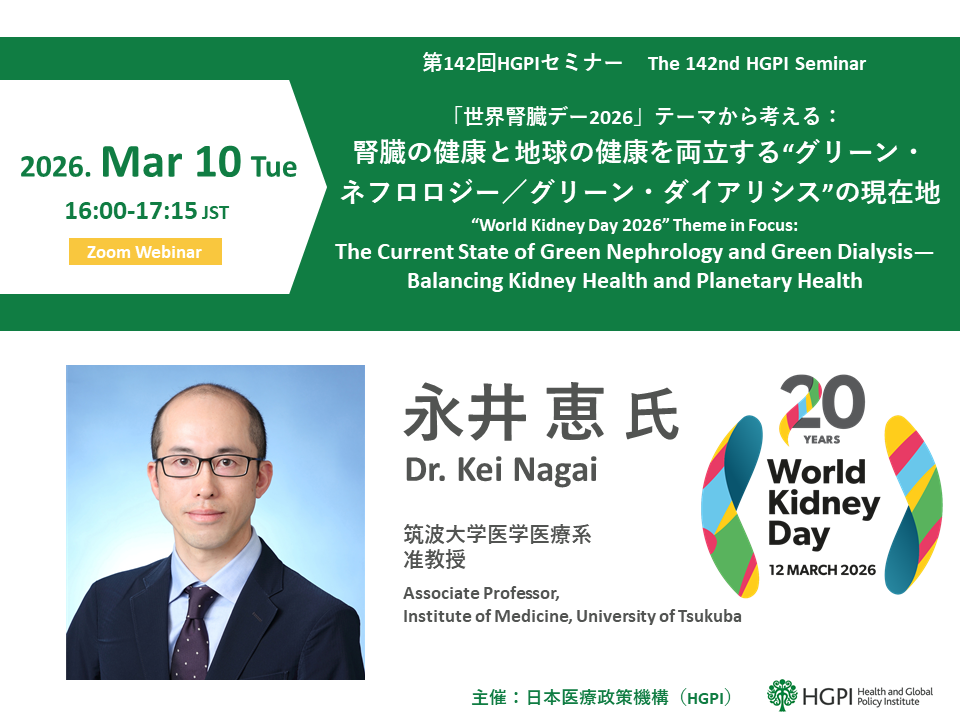
[Event Report] The 142nd HGPI Seminar “World Kidney Day 2026” Theme in Focus: The Current State of Green Nephrology and Green Dialysis—Balancing Kidney Health and Planetary Health (March 10, 2026)
-
2025-11-13
[Research Report] Perceptions, Knowledge, Actions and Perspectives of Healthcare Organizations in Japan in Relation to Climate Change and Health: A Cross-Sectional Study (November 13, 2025)
Top Research & Recommendations Posts
Featured Posts
-
2026-05-18
[Registration Closed] Kick-off Panel Discussion “From Africa and Japan, Drawing from Perspectives Around the World:A Platform for Cultivating a Philosophical Health Dialogue Together” (June 15, 2026)
![[Registration Closed] Kick-off Panel Discussion “From Africa and Japan, Drawing from Perspectives Around the World:A Platform for Cultivating a Philosophical Health Dialogue Together” (June 15, 2026)](https://hgpi.org/en/wp-content/uploads/sites/2/HGPI_20260615_Eyecathch_panel-discussion-From-Japan-and-Africa-in-Discussion-with-the-World_2.png)
-
2026-08-28
[Announcement] The 3rd Kiyoshi Kurokawa Award: Call for Nominations (Deadline: November 30, 2026)
![[Announcement] The 3rd Kiyoshi Kurokawa Award: Call for Nominations (Deadline: November 30, 2026)](https://hgpi.org/en/wp-content/uploads/sites/2/Kiyoshi-Kurokawa-Award_3rd_nominations_eyecatch_caseB_ENG_web_20260929_v0.5.jpg)
-
2026-09-01
[Registration Closed] HGPI Salon 2025-2026 Looking Ahead to the Future of Japan’s Social Security System “Session 6: Japan’s Health Policy through the Lens of Global Security” (October 13, 2026)
![[Registration Closed] HGPI Salon 2025-2026 Looking Ahead to the Future of Japan’s Social Security System “Session 6: Japan’s Health Policy through the Lens of Global Security” (October 13, 2026)](https://hgpi.org/en/wp-content/uploads/sites/2/HGPISalon2025-20266.png)
-
2026-09-17
[Registration Open] (Webinar) The 145th HGPI Seminar “Toward Better AMR Measures at Elderly Care Facilities—Considering Infectious Disease Control in a Super-Aged Society From a Policy Perspective” (October 27, 2026)
![[Registration Open] (Webinar) The 145th HGPI Seminar “Toward Better AMR Measures at Elderly Care Facilities—Considering Infectious Disease Control in a Super-Aged Society From a Policy Perspective” (October 27, 2026)](https://hgpi.org/en/wp-content/uploads/sites/2/HGPIseminar145.png)
-
2026-10-06
[Registration Open] (Webinar) The 146th HGPI Seminar “How We Can Build a Society That Supports Choices Around Organ Donation: Exploring Decision-Making by Citizens and a Multi-Layered Approach Through Strategic Social Marketing” (November 9, 2026)
![[Registration Open] (Webinar) The 146th HGPI Seminar “How We Can Build a Society That Supports Choices Around Organ Donation: Exploring Decision-Making by Citizens and a Multi-Layered Approach Through Strategic Social Marketing” (November 9, 2026)](https://hgpi.org/en/wp-content/uploads/sites/2/HGPI_20261001_Eyecatch_HGPIseminer-146th-1.png)
