


[Event Report] HGPI Special Seminar Commemorating Dementia Month and World Alzheimer’s Month “Patient and Public Involvement Experience in Dementia Research by a Person Living with Dementia” (September 9, 2025)
date : 11/13/2025
Tags: Dementia, HGPI Seminar

![[Event Report] HGPI Special Seminar Commemorating Dementia Month and World Alzheimer’s Month “Patient and Public Involvement Experience in Dementia Research by a Person Living with Dementia” (September 9, 2025)](https://hgpi.org/en/wp-content/uploads/sites/2/HGPI_20250909_HGPI-Special-Seminar-about-PPI-in-Dementia-Research-1.png)
This special edition of the HGPI Seminar was held to commemorate Dementia Awareness Month and World Alzheimer’s Month in 2025, under the title ‘Patient and Public Involvement (PPI) Experience in Dementia Research by a Person Living with Dementia.’
We invited Ms. Bobby Redman, who is actively involved in PPI in dementia research while also working as an advocate for people with dementia in Australia, to share her experiences, challenges, and the significance of participating in research from the perspective of a person with dementia. Additionally, Dr. Sarah Jay, Consumer Engagement Coordinator at Dementia Australia, who has been instrumental in supporting the participation of individuals with dementia in research alongside Ms. Redman, joined the discussion to address the barriers and strategies involved when individuals with dementia participate in research. Additionally, Ms. Shinobu Yamanaka, Representative Director of the Japan Dementia Working Group, joined the seminar as a special commentator. Following the presentations by Ms. Redman and Ms. Jay, she shared her experience and perspectives as a person living with dementia in Japan, namely her expectations for the future of meaningful involvement for people with lived experience in dementia research in the country.
<POINTS>
- It is possible to assist people living with dementia to live well with dementia by providing avenues for them to learn about dementia and opportunities for them to be involved in research pertaining to them to make a difference through their lived experience.
- Research in the field of dementia should be meaningful and add value to the lives of those participating in the research and those for whom the research is being conducted.
- Research has to be focused on improving the lives of people with dementia and involving them in the research pertaining to them so that the research outcomes can make a difference in their lives.
- It is essential that dementia research be aligned with the actual needs of people living with dementia, and PPI in dementia research in Japan still holds great potential for further development and advancement.
■ Ms. Shinobu Yamanaka: “My Experience as a Person Living with Dementia and My Ongoing Efforts”
Ms. Yamanaka was diagnosed with Alzheimer’s disease in 2019 and subsequently with dementia with Lewy bodies in April 2025. Although she experienced a period of despair following the diagnosis due to negative perceptions surrounding dementia, coming forward with her diagnosis led her to begin advocacy and community activities for people with dementia. In 2022, she established the “Day Service Happy”, aiming to create a place where people living with dementia can find meaning in their daily lives and contribute to their communities. Through this initiative, she has transformed the wish to “Do something for someone else” into tangible actions that foster local connections.
In 2024, she was appointed as a member of the Global Dementia Expert Panel (International Member) of Alzheimer’s Disease International (ADI), and in 2025, she became the Representative Director of the Japan Dementia Working Group (JDWG). JDWG aims to build a society in which people living with dementia can live with hope and dignity, making the most of their individuality and abilities while collaborating with families, professionals, and communities to realize an inclusive society where everyone supports one another.
■ Ms. Bobby Redman: Sharing Experience of PPI -From the Perspective of Person with Lived Experience
Ms. Redman noticed changes in her memory and emotions at age 66 and was later diagnosed with frontotemporal dementia. Drawing on her background in the field of psychology, she decided to contribute her experience to others in similar situations from the early stages after diagnosis. To date, she has participated in more than 50 research projects as an advisor and assistant investigator.
In Australia, people living with dementia are involved in the research process from the onset, before funding is secured. They work alongside researchers to examine whether the research is moving in the right direction, whether it is meaningful to people living with dementia, and whether it leads to real improvements in their lives. Ms. Redman emphasized that involving people with lived experience enables researchers to better understand their perspectives and support their needs, thereby making research more grounded in real life.
She introduced practical examples of involvement such as providing feedback during study design, reviewing research materials, and participating in focus group discussions. She also stressed that the perspectives of people living with dementia are essential to developing ethical and culturally sensitive research. Furthermore, she noted that engaging in research allows people with dementia to feel that they can contribute to society, which fosters a sense of purpose and hope in daily life.
■ Dr. Sarah Jay: “Dementia Australia’s Approach – The Coordinator’s Role in Supporting the Participation of Individuals with Dementia and Their Families in Research”
Institutional Framework for Research Involvement in Australia
Australia has established a structured system that enables people living with dementia and their care partners to participate meaningfully in research. A central role in this system is played by Dementia Australia, which promotes dementia-related policy through education, support services, and research funding. As part of its initiatives, the organization employs Involvement Coordinators, whose role is to connect researchers with people living with dementia and their families, and to facilitate appropriate and meaningful engagement in research.
Organizational Structures and Decision-Making Processes Promoting Engagement in Research
Within Dementia Australia, people with lived experience that want to take part in research are referred to as Advocates, and they serve as members of an Advisory Committee. This committee provides strategic guidance, sets research priorities, and makes recommendations to the Dementia Australia Board to ensure that the voices of people living with dementia are reflected in research and that the outcomes bring tangible benefits to their daily lives. Based on the committee’s recommendations, a formal framework for ongoing involvement was established, enabling advocates to participate at multiple stages of research, from hypothesis formulation and study design to reviewing questionnaires, refining wording in research materials, and overseeing the presentation and dissemination of the results.
Support System provided by Engagement Coordinators
Involvement Coordinators serve as key contact points for both researchers and advocates. They provide information on research opportunities, ethical considerations, and training, and facilitate effective matching between participants and research teams. For researchers, Dementia Australia offers practical guidelines, training programs, and educational resources on collaborating with people living with dementia. For advocates and families, psychological and environmental support is provided to ensure that they can participate in research with confidence and support. Each year, Dementia Australia receives more than 50 inquiries regarding research participation, with advocates formally engaged as advisors or team members in over 15 projects.
Promoting Sustainable Engagement through the ALICE Strategy
Dementia Australia implements its activities in line with its PPI strategy “ALICE,” which stands for Authentic, Lived experience, Inclusive, Collaborative, and Empowering. This strategy aims to ensure that the knowledge and experiences of people living with dementia and their families are used to inform research that is relevant to their real lives and meaningfully contributes to society. By implementing the principles of ALICE, Dementia Australia seeks to create research that is inclusive, collaborative, and empowering for people living with dementia and their families, enabling them to share their lived experiences with confidence and impact.
■ Discussion and Q&A
Following the presentations, a discussion and Q&A session was held. The session began with an in-depth exchange on the future direction of dementia research involvement within Australia, followed by comments from special commentator Ms. Yamanaka, focusing on future implementation in Japan.
Ms. Redman and Ms. Jay shared insights from both the perspectives of people living with dementia and involvement coordinators, outlining challenges encountered in implementing research involvement within Dementia Australia and the strategies used to overcome them. They also expressed expectations for the future, which is that PPI will become more systematically embedded in universities and research institutions across Australia, and that experts with lived experience of dementia will be recognized as professionals within research teams and committees, establishing this approach as a new standard in research practice.
Reflecting on these discussions, Ms. Yamanaka emphasized that dementia research in Japan must be closely aligned with the real needs of people living with dementia.
This seminar focused on deepening the understanding of the importance and added value of involving people living with dementia and their families in research. Health and Global Policy Institute (HGPI) aims to continue hosting such seminars to promote the development of PPI in dementia research in Japan and to contribute to improving the quality of life for people living with dementia.
[Event Overview]
- Date & Time: Tuesday, September 9, 2025; 17:00-18:30 JST (18:00-19:30 AEST)
- Format: Online (Zoom webinar)
- Language: Japanese and English (with simultaneous interpretation)
- Participation Fee: Free
- Capacity: 500 participants
■Speaker Profiles (title omitted, in no particular order):
Bobby Redman (Living with FTD / Retired psychologist / Former Chair, the Dementia Australia Advisory Committee)
Bobby Redman is a retired psychologist, living with FTD. Since her diagnosis, in 2016, she has been a passionate dementia advocate, determined to improve the lives of people with dementia and their carers.
Bobby recently retired as Chair of the Dementia Australia Advisory Committee, working for and with people living with dementia around Australia. She currently sits on numerous committees, focusing on public health and disability. As a strong supporter of dementia research, she has been involved in more than 50 research projects, both as a participant and as an advisor and / or investigator, and has presented at many Australian and International Conferences. Bobby has strong community ties and is an active Rotarian, holding the position of Rotary District Chair of the Dementia Awareness and Support Committee. In 2020, she was greatly honored to be a NSW finalist for Senior Australian of the Year, for her community and dementia advocacy work.
Sarah Jay (Consumer Engagement Coordinator (Research), Dementia Australia)
Sarah is the Consumer Engagement Coordinator (Research) at Dementia Australia. The role is centered around supporting people with a living or lived experience of dementia to engage in research projects, liaising with researchers and projects to build capacity for meaningful engagement of people with living or lived experience of dementia in research. Previously, Sarah worked as a researcher where her PhD and the work that followed, focused on understanding the impact of shift work for sleep, health, safety, and wellbeing.
Shinobu Yamanaka (Representative Director, Japan Dementia Working Group)
Ms. Shinobu Yamanaka was born in 1977, and she is currently residing in Kochi Prefecture. In 2019, at the age of 41, she was diagnosed with Young-onset Alzheimer’s disease and as a result, retired in 2021 after working for 15 years as a mobile phone sales representative. In April 2022, she founded the general incorporated association Second Story. In October of the same year, she opened the community-based day care service Day Service Happy in Konan City, and in 2024 expanded its services to Kochi City as well. In July 2022, she was appointed as a “Kochike Kibou (Hope) Ambassador” by Kochi Prefecture. In April 2024, she became a member of Global Dementia Expert Panel (International Member) of Alzheimer’s Disease International (ADI). In April 2025, she was also diagnosed with Dementia with Lewy Bodies, and in June of the same year, she assumed the position of Representative Director of the Japan Dementia Working Group. Her publications include Hitori Janai-ki (You Are Never Alone): Why I, Diagnosed with Dementia, Started a Day Care Service (Chuohoki Publishing, 2025).

Related Posts
-
2024-10-10
[Event Report] HGPI Special Seminar Commemorating Dementia Month and World Alzheimer’s Month “Examining the Role of Industry in Creating a Dementia-Inclusive Society” (September 19, 2024)
-
2025-05-12
[Event Report] The 131st HGPI Seminar “The Policy Process of the Kyoto City Caregiver Support Ordinance” (March 19, 2025)
-
2025-04-25
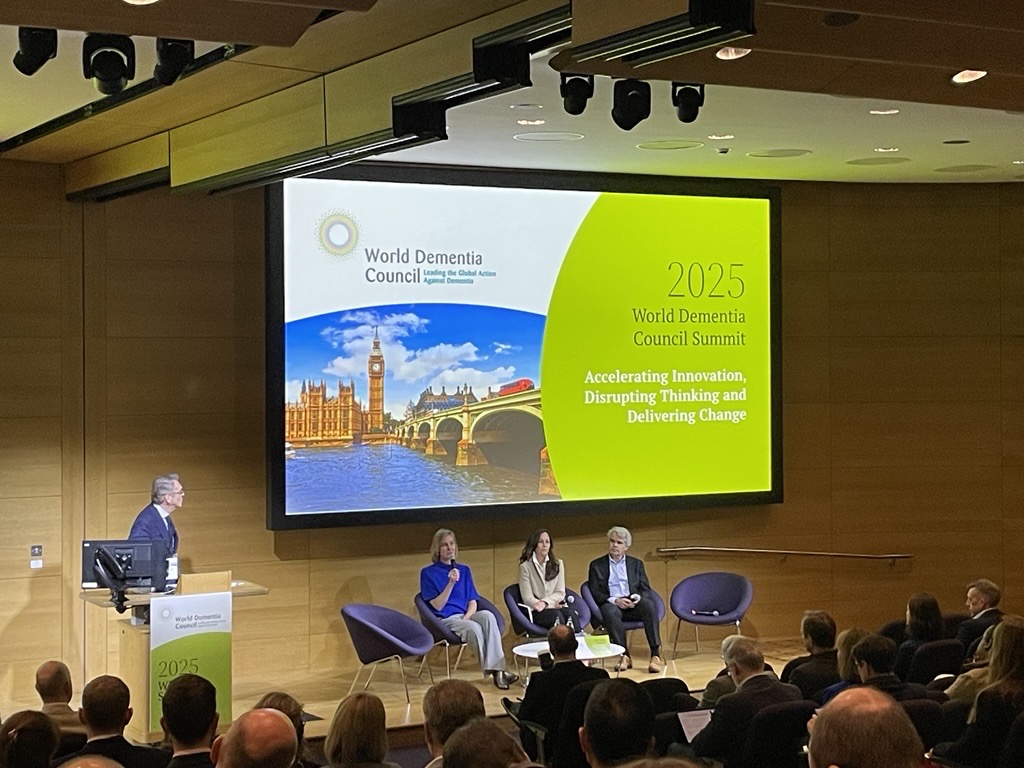
[Activity Report] The World Dementia Council “WDC Summit 2025” (March 25, 2025, London, England)
-

2025-09-16
[Policy Recommendations] Dementia Project Information Packet for Local Government Officials “Dementia Policies for Our City: Taking the First Step in Promoting Future Measures for Dementia” (March 17, 2025)
-
2025-03-27
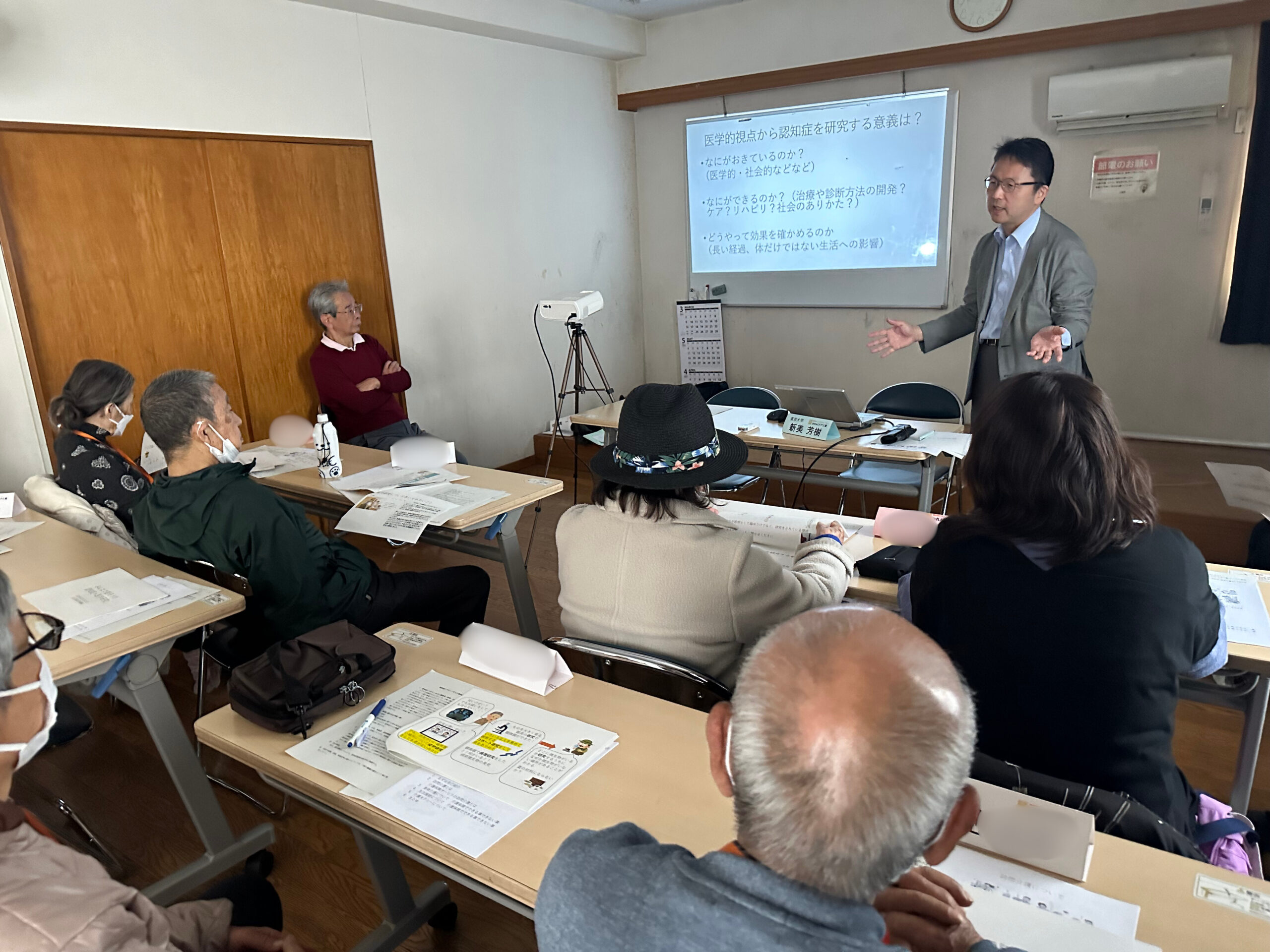
[Event Report] Promoting Patient and Public Involvement in Dementia Research 'Roundtable Dialogue' - Let's Talk About Research (March 17, 2025)
-
2025-03-24
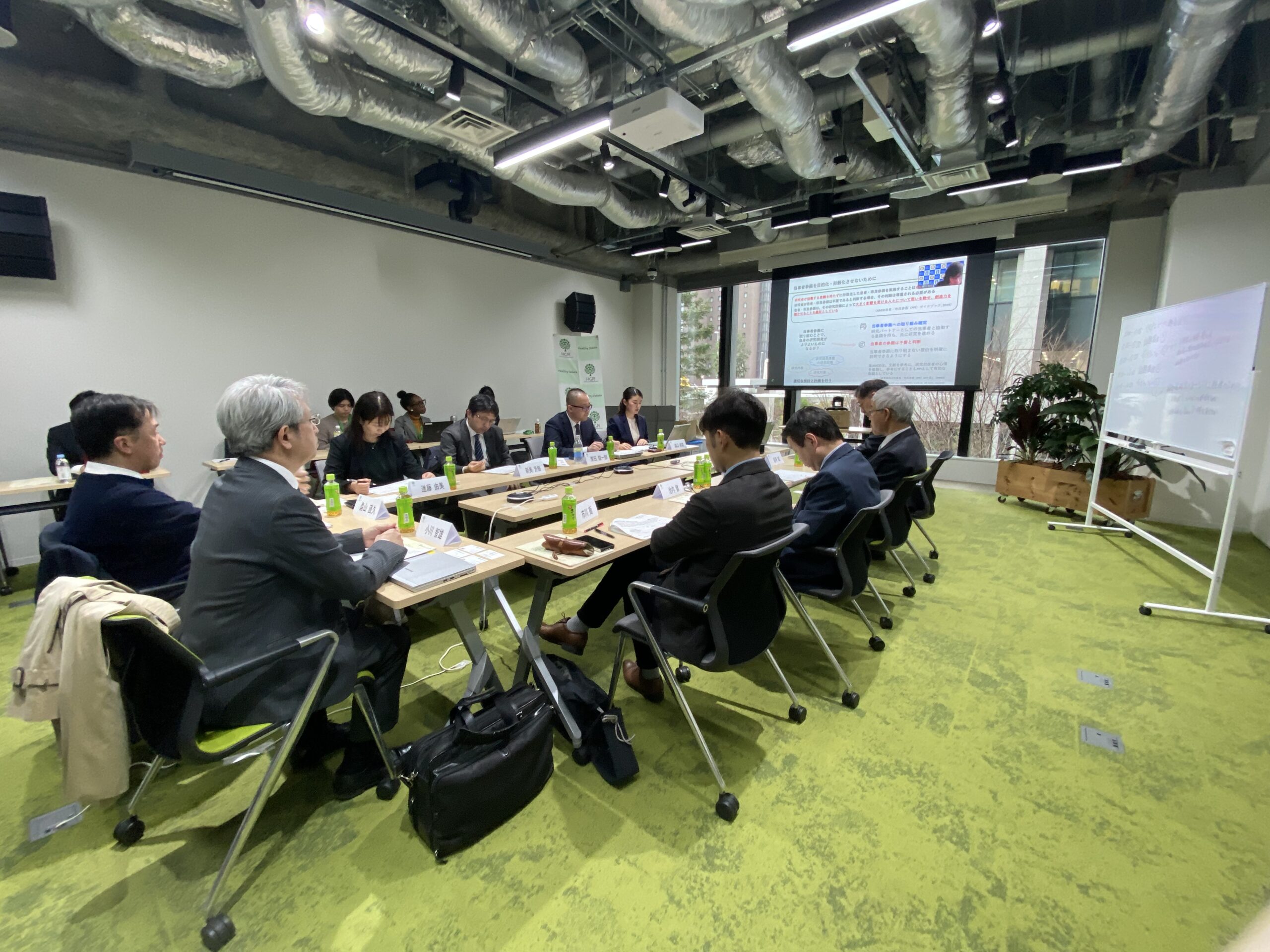
[Event Report] Roundtable Discussion to Promote the Participation of People living with Dementia, Their Families and Caregivers in Medical Research on Dementia (February 4, 2025)
-

2025-10-29
[HGPI Policy Column] (No. 65) From the Dementia Project “The Future of Dementia Research Co-created with affected parties, Vol.3: A Stage Theory of Patient and Public Involvement (PPI) in Medical Research on Dementia and Commentary and Recommendations on PPI Evaluation”
Top Research & Recommendations Posts
Featured Posts
-
2026-05-18
[Registration Closed] Kick-off Panel Discussion “From Africa and Japan, Drawing from Perspectives Around the World:A Platform for Cultivating a Philosophical Health Dialogue Together” (June 15, 2026)
![[Registration Closed] Kick-off Panel Discussion “From Africa and Japan, Drawing from Perspectives Around the World:A Platform for Cultivating a Philosophical Health Dialogue Together” (June 15, 2026)](https://hgpi.org/en/wp-content/uploads/sites/2/HGPI_20260615_Eyecathch_panel-discussion-From-Japan-and-Africa-in-Discussion-with-the-World_2.png)
-
2026-08-28
[Announcement] The 3rd Kiyoshi Kurokawa Award: Call for Nominations (Deadline: November 30, 2026)
![[Announcement] The 3rd Kiyoshi Kurokawa Award: Call for Nominations (Deadline: November 30, 2026)](https://hgpi.org/en/wp-content/uploads/sites/2/Kiyoshi-Kurokawa-Award_3rd_nominations_eyecatch_caseB_ENG_web_20260929_v0.5.jpg)
-
2026-09-01
[Registration Closed] HGPI Salon 2025-2026 Looking Ahead to the Future of Japan’s Social Security System “Session 6: Japan’s Health Policy through the Lens of Global Security” (October 13, 2026)
![[Registration Closed] HGPI Salon 2025-2026 Looking Ahead to the Future of Japan’s Social Security System “Session 6: Japan’s Health Policy through the Lens of Global Security” (October 13, 2026)](https://hgpi.org/en/wp-content/uploads/sites/2/HGPISalon2025-20266.png)
-
2026-09-17
[Registration Open] (Webinar) The 145th HGPI Seminar “Toward Better AMR Measures at Elderly Care Facilities—Considering Infectious Disease Control in a Super-Aged Society From a Policy Perspective” (October 27, 2026)
![[Registration Open] (Webinar) The 145th HGPI Seminar “Toward Better AMR Measures at Elderly Care Facilities—Considering Infectious Disease Control in a Super-Aged Society From a Policy Perspective” (October 27, 2026)](https://hgpi.org/en/wp-content/uploads/sites/2/HGPIseminar145.png)
-
2026-10-06
[Registration Open] (Webinar) The 146th HGPI Seminar “How We Can Build a Society That Supports Choices Around Organ Donation: Exploring Decision-Making by Citizens and a Multi-Layered Approach Through Strategic Social Marketing” (November 9, 2026)
![[Registration Open] (Webinar) The 146th HGPI Seminar “How We Can Build a Society That Supports Choices Around Organ Donation: Exploring Decision-Making by Citizens and a Multi-Layered Approach Through Strategic Social Marketing” (November 9, 2026)](https://hgpi.org/en/wp-content/uploads/sites/2/HGPI_20261001_Eyecatch_HGPIseminer-146th-1.png)
