
[Event Report] The 59th Special Breakfast Meeting “Connecting Technology, Opening the Future: Japan’s Potential in Global Health” (August 21, 2025)
date : 11/21/2025

![[Event Report] The 59th Special Breakfast Meeting “Connecting Technology, Opening the Future: Japan’s Potential in Global Health” (August 21, 2025)](https://hgpi.org/en/wp-content/uploads/sites/2/sbm-59-1-top.png)
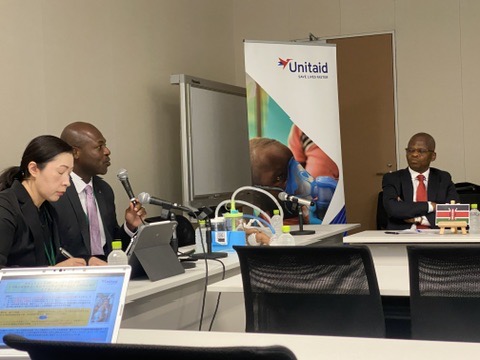
We were honored to welcome Mr. Philippe Duneton, Executive Director of Unitaid, and Dr. Thomas Burke, Founder of Vayu Global Health Innovations, as our guest speakers at the 59th Special Breakfast Meeting hosted by Health and Global Policy Institute (HGPI).
This special breakfast meeting welcomed keynote speakers from Unitaid and Vayu Global Health Innovations, in celebration of a partnership with Unitaid that has continued for nearly a decade. The event served as a valuable opportunity for active discussions on Japan’s potential role and perspective in the field of global health, through efforts to promote equitable access to healthcare and examples of collaboration with Japan.
<Key Points of the Lecture>
- Unitaid’s market-shaping approach has dramatically improved access to medicines and other health products, demonstrating a high return on investment, with each dollar invested generating up to 46 times its value.
- Japan’s experience in promoting Universal Health Coverage (UHC) and its technological expertise is highly regarded in the field of global health. In particular, its contributions in areas such as expansion of access to medical oxygen and improvement of maternal and child health are recognized as successful models of public-private partnership.
- Field-driven innovation has produced affordable and impactful solutions for conditions, such as postpartum hemorrhage and neonatal respiratory distress. The success of these innovations depends on close collaboration with local communities and sustainable business plans.
- Amid concerns over declining Official Development Assistance (ODA), partnerships with international organizations are key to scaling up the innovative technologies developed by Japanese startups to address global challenges.
- Japan is expected to play a leading role in global health by leveraging its national strengths through a coordinated and collaborative effort among the government, private sector, and civil society, positioning investment in global health as a “strategic investment in the future.
■ Unitaid’s Initiatives and Japan’s Strategic Engagement in Global Health
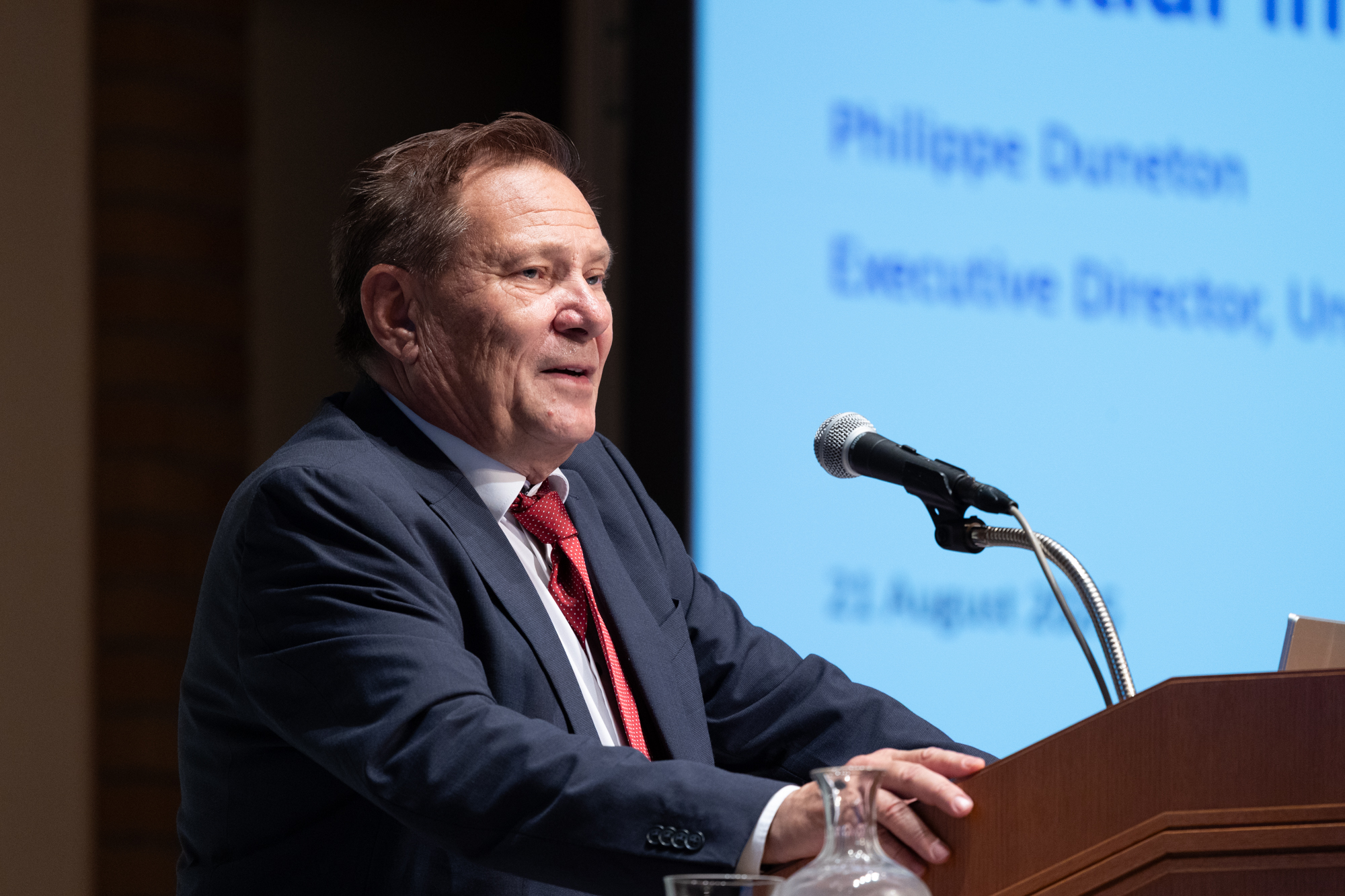
Mr. Philippe Duneton, Executive Director of Unitaid, opened the session with a presentation on Unitaid’s activities and Japan’s contributions to global health.
The Establishment, Vision, and Focus Areas of Unitaid
The creation of Unitaid was greatly influenced by the G8 Kyushu-Okinawa Summit held in July 2000, at which Japan, as the host country, made infectious disease control a main agenda item. items. At the time, there was a stark imbalance in medical treatment, namely, medicines were concentrated in the Global North, while the people who needed them most lived in the Global South. In response to this challenge, the idea of an “innovation-driven approach” emerged, leading to collaboration among leaders such as President Jacques Chirac of France, President George W. Bush of the United States, and other governments, including Japan and the United Kingdom. Since then, Unitaid has advanced a “person-centered approach” through joint efforts involving European countries led by France, the United Kingdom, Norway, as well as Brazil, Chile, Japan, and other Asian nations, African countries, and civil society organizations.
Key Initiatives and Expectations for Japan’s Role
Unitaid works to improve access to medicines, medical devices, and diagnostic and preventive tools, for infectious diseases such as HIV, tuberculosis, and malaria. In recent years, its focus on women’s health, which affects nearly half of the global population, has increased. Currently, it is exploring more integrated approaches in addition to traditional disease-specific (vertical) strategies. Unitaid also employs strategic approaches, including market creation and price negotiations, when introducing newly developed products, aiming to accelerate the adoption of innovation. According to the organization, Unitaid’s work will help to save approximately US $10 billion for countries and help programs by 2030.
Japan plays a significant role in the field of global health, with its efforts toward Universal Health Coverage (UHC) advancing in coordination with Unitaid’s initiatives to save lives by making new health products available and affordable for people in low- and middle-income countries. Unitaid identify innovative treatments and tools, help tackle the market barriers that are holding them back, and get them to the people who need them most – fast. Japan is positioned as a key partner alongside France in the area of innovation.
One concrete example of Japan’s contribution is its support for expansion of access to medical oxygen. Before the COVID-19 pandemic, this area was not a global health priority; however, with additional funding from the Japanese government, Unitaid partnered with the World Health Organization (WHO) to support the strengthening of oxygen supply systems across various African countries. In many of these countries, there were no demand assessments or supply plans for oxygen, and individual healthcare facilities procured supplies independently. Unitaid and WHO collaborated with national governments to assist in reinforcing these supply systems.
Furthermore, through a public-private partnership involving Japanese companies, production volume guarantee agreements were signed with the governments of Kenya and Tanzania, resulting in approximately a threefold increase in liquid oxygen production. This initiative is believed to have contributed to the sustainability of oxygen supply systems to healthcare facilities, and similar support is being extended to the fields of diagnostics and pharmaceuticals. These activities are also considered to potentially play a significant role in future pandemic preparedness efforts.
One of the medicines developed by a Japanese pharmaceutical company is currently used daily by tens of millions of people for HIV treatment worldwide. With support from Unitaid, it is offered at a cost of less than $40 per year for a once-daily dose. Such cases are recognized as examples of how Japanese medical technology and expertise contribute to addressing global health challenges, drawing increasing attention for future, international collaboration efforts.
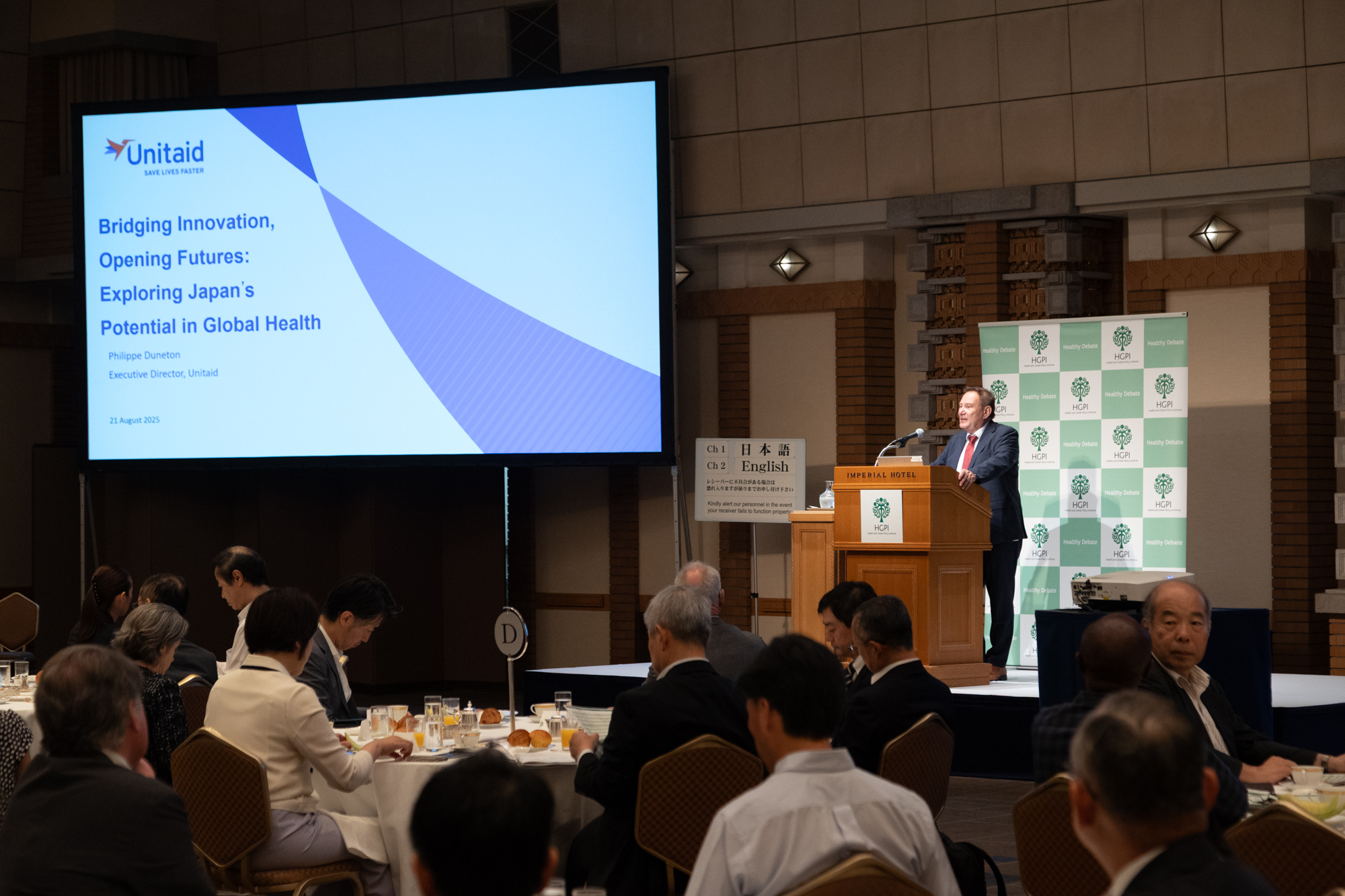 Challenges and Solutions in Global Health
Currently, as governments tend to prioritize their own national interests, the future expansion of international assistance, including Official Development Assistance (ODA), remains uncertain, with concerns over potential restrictions on aid in some aspects. While some countries are considered capable of self-sufficiency, others remain heavily dependent on support, raising concerns about widening disparities. Against this backdrop, the need for sustained investment in innovation is being discussed, with continued emphasis on the development and dissemination of new medicines, diagnostics, and tools.
Innovation is believed to simplify the lives of healthcare workers and individuals, providing more efficient solutions, such as HIV and COVID-19 self-testing kits. While the importance of multiple vertical international funds is recognized, many countries find it challenging to manage these funds separately, highlighting the need for service integration. In particular, integrated approaches centered on women’s health, including HIV and malaria prevention as well as cervical cancer elimination, have been effective. Furthermore, in designing interventions, incorporating feedback from target populations and real-world experience is considered crucial, as reflecting the voices of the people is essential to improving access.
■ Case Studies of Field-Driven Innovation and Principles for Success
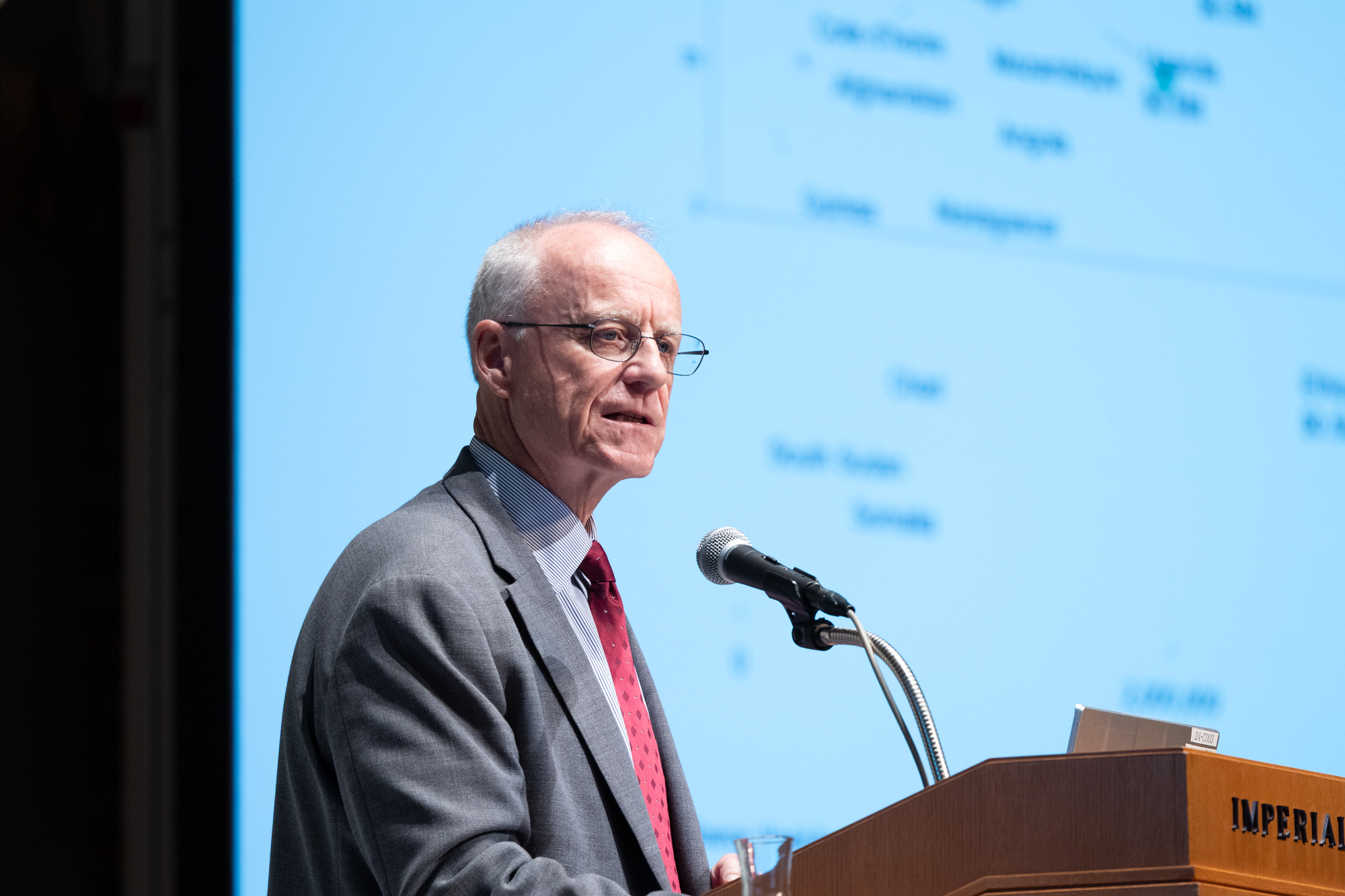 Next, Dr. Thomas Burke took the stage, outlining the principles for achieving success in global health and then presenting examples of innovations put into practice to realize those principles.
Vision and Principle for Success
Vayu Global Health Innovations upholds the fundamental principle of realizing a world where all people have dignity, rights, and free and equal access to high-quality healthcare. To achieve this goal, it is essential that the “Eight Fundamental Freedoms” are established and guaranteed in global health interventions. These fundamental freedoms include access to safe water, sufficient food security, a sanitary environment, living free from violence, safe childbirth, measures against infectious diseases, literacy skills acquisition, and access to means of livelihood. Each of these represents an independent issue, yet they are interrelated and collectively impact people’s health and well-being.
For example, even if health support is provided, if literacy levels are insufficient, residents may find it difficult to properly understand and utilize medical information and administrative services, which could make it harder to break the cycle of poverty. Furthermore, even when literacy is present, if there is no access to means of livelihood, such as employment opportunities, residents tend to leave the community, which may result in the community as a whole being left behind in unsustainable development.
Ensuring safe childbirth is a fundamental condition for protecting maternal and child health and is considered a crucial factor in addressing disparities in maternal and child healthcare. For example, in Nordic countries, the maternal mortality rate related to childbirth is low, at about one in 24,000, whereas in some other regions, a high mortality rate of one in 16 has been reported, thus highlighting the persistent disparities between regions. In such areas, investments aimed at achieving safe childbirth are expected not only to protect the lives of mothers and children but also to have ripple effects such as promoting women’s social participation and revitalizing local economies.
In promoting these initiatives, collaboration with a wide range of stakeholders tailored to the specific conditions of each region is crucial. For instance, partnerships with organizations, such as Unitaid, have shown measurable success in supporting innovative approaches to improve access to healthcare. Moreover, mechanisms that foster cooperation with local communities and encourage the active involvement of local residents are indispensable. Among these, cultivating community leaders with a strong sense of ownership and integrating them into the social fabric of the region are key to achieving sustainable and self-driven change.
Furthermore, securing sustainable funding is essential for launching, scaling, and maintaining such initiatives. Funding serves as a driving force that supports the implementation of each phase from project development to scaling and long-term operation. To achieve this, it is necessary to develop a feasible business plan. In particular, having forward-looking plans such as an exit strategy and a sustainability strategy, clearly defined before the project begins, is a critical factor in ensuring that the outcomes of the initiative can be maintained over the long term.
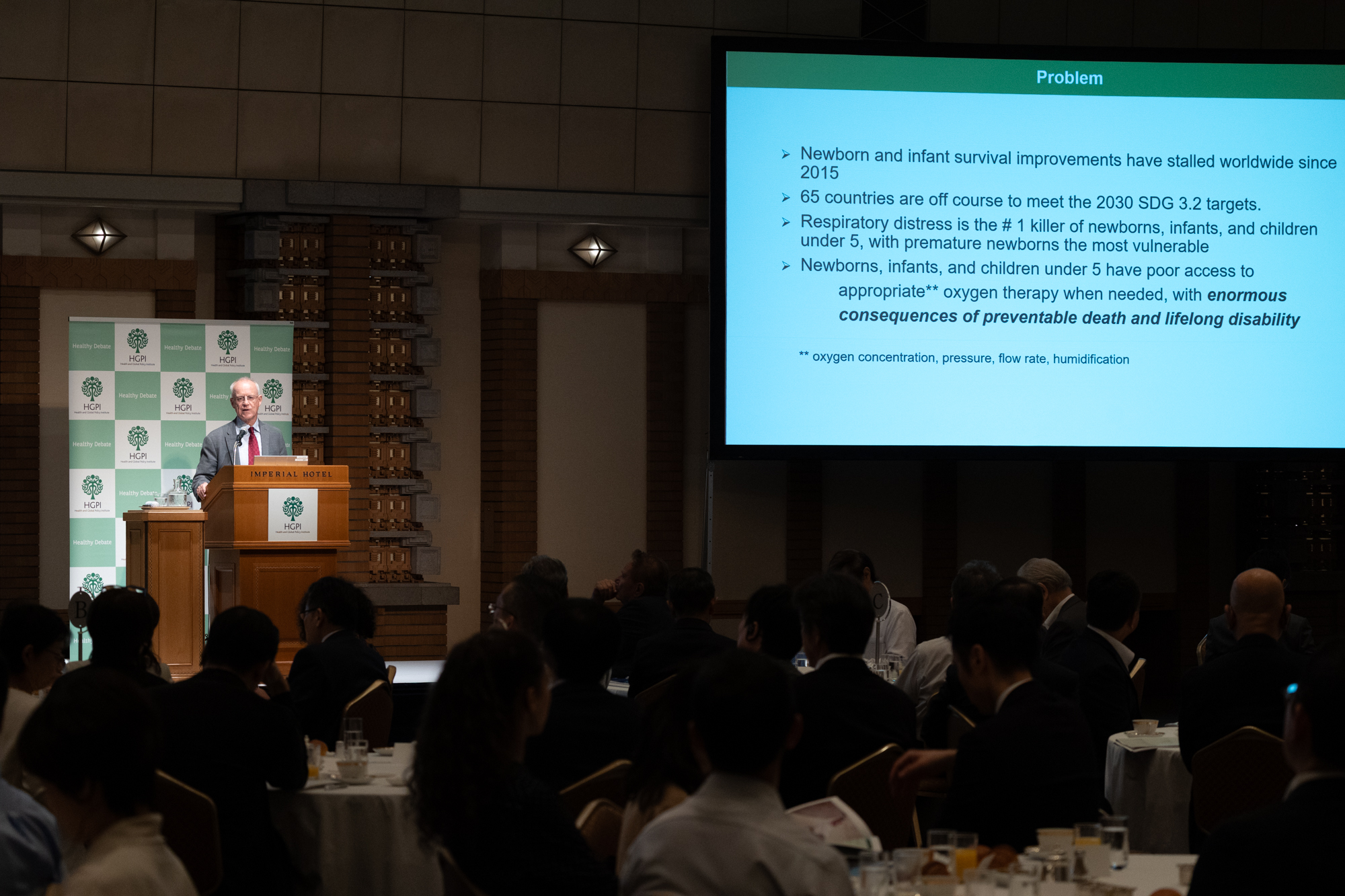 Examples of Innovations and Japan’s Contribution
Two concrete examples can be cited as innovations that have brought about such sustainable and autonomous change. The first is an initiative involving the use of uterine balloon devices to address postpartum hemorrhage (PPH). PPH is one of the leading causes of maternal mortality, and conventional medical devices for its treatment have traditionally been expensive, costing between $400 and $600 per unit. This innovation began as a simple, low-cost alternative involving tying a condom to a catheter; through continuous refinement, it eventually led to the development of purpose-built devices costing as little as $5 in India and $7.50 in African countries. However, it has been pointed out that simply providing the device itself is not sufficient; a comprehensive care package and proper training for healthcare providers are also essential. This initiative has grown through years of international support and collaboration, with Japan playing a key role in its development and implementation.
The second example is the “Bubble CPAP System,” designed to provide respiratory support for newborns and infants. Bubble-type Continuous Positive Airway Pressure (CPAP) systems are the standard treatment for neonatal respiratory support in high-income countries. However, in low-resource settings where electricity infrastructure is limited, there has been a pressing need for affordable, electricity-free alternatives. To address this challenge, the “Value Bubble CPAP System” and an accompanying oxygen blender were developed with the support and collaboration of Unitaid, the Government of Japan, and the Japanese people. These devices do not require electricity and can be provided at approximately 1/50th the cost of conventional equipment (around $400), enabling the delivery of high-quality neonatal care even in low-resource environments.
The system was developed through collaboration with neonatologists from India, Africa, Europe, and the United States, with pilot implementation beginning in India approximately nine years ago. Japan’s contribution has extended beyond financial support to fostering technological innovation and improving neonatal survival rates. This initiative stands as a successful example of sustainable neonatal healthcare delivery in resource-limited settings through the partnership between Japan and Unitaid, and represents the significant role that Japan plays and its contribution to global health issues.
(Photographed by: Kazunori Izawa)
■ Profile:
Philippe Duneton (Executive Director, Unitaid)
Philippe Duneton, a French national, has over 25 years of experience in the fields of HIV/AIDS, infectious and tropical diseases, and public health. He has been involved with Unitaid since its establishment in 2006. As Executive Director, he has led Unitaid’s response to the COVID-19 pandemic and played a key role as co-lead for the therapeutics pillar of the Access to COVID-19 Tools (ACT) Accelerator. Prior to this, Dr. Duneton worked as a clinician in the Infectious Disease Department at La Pitié Salpêtrière Hospital in Paris, and served twice as an advisor in the French Ministry of Health under Minister Bernard Kouchner. He also led national initiatives on HIV/AIDs and harm reduction at the Assistance Publique – Hôpitaux de Paris (AP-HP), and later held the position of head of the French regulatory agency for medicines and health products. In addition, he served as Chair of Board of the European Medicines Agency (EMA). Dr. Duneton is a medical doctor and holds a master’s degree in public health.
Thomas Burke (Founder, Vayu Global Health Innovations)
Thomas F. Burke, MD, FACEP, FRSM is Director of the Global Health Innovation Lab at the Massachusetts General Hospital (MGH) and senior faculty at Harvard Medical School and the Harvard T.H. Chan School of Public Health. Dr. Burke’s has pioneered numerous award-winning scientific advances and thereafter translated them into policy and practice. Dr. Burke’s focus is primarily on maternal, newborn, and infant survival, and he has authored of over 140 scientific manuscripts and two books. On June 3, 2019, in a joint UK and India government ceremony in the House of Lords, Dr. Burke was bestowed the title, “Lord of the Planet in Medical Sciences”. Dr. Burke has been profiled for his work by BBC, NPR, FOX Television, ABC, CBS, the London Financial Times, the New Yorker, the Seattle Times, and the Boston Globe, among other news outlets. Dr. Burke is President of Vayu Global Health Innovations, which works closely with Unitaid, Grand Challenges Canada, the Gates Foundation, and the Japanese government among others, in over 38 countries.
Related Posts
-
2025-05-30
[Event Report] The 57th Special Breakfast Meeting “Functional Differentiation and Collaboration in Regional Healthcare: Achieving a Reliable Medical Delivery System” (March 10, 2025)
-
2025-01-26
[Event Report] The 56th Special Breakfast Meeting “From Insights to Impact: How Do We Ensure Health Policy and Systems Research and Learning Accelerates Achievement of the Sustainable Development Goals (SDGs)?” (November 26, 2024)
-
2024-08-31
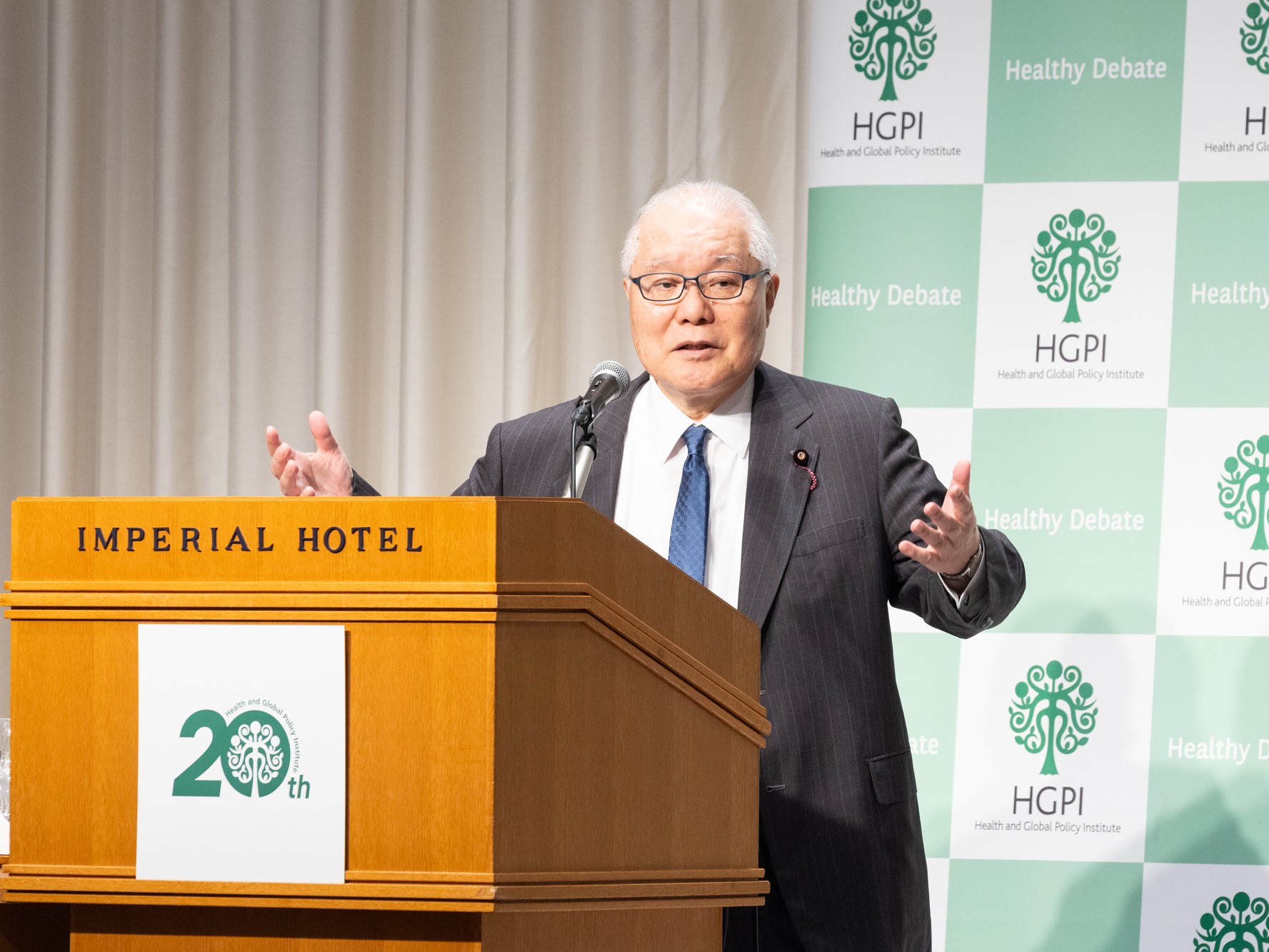
[Event Report] The 54th Special Breakfast Meeting "Future of Health and Welfare Administration" (June 28, 2024)
-
2024-04-30
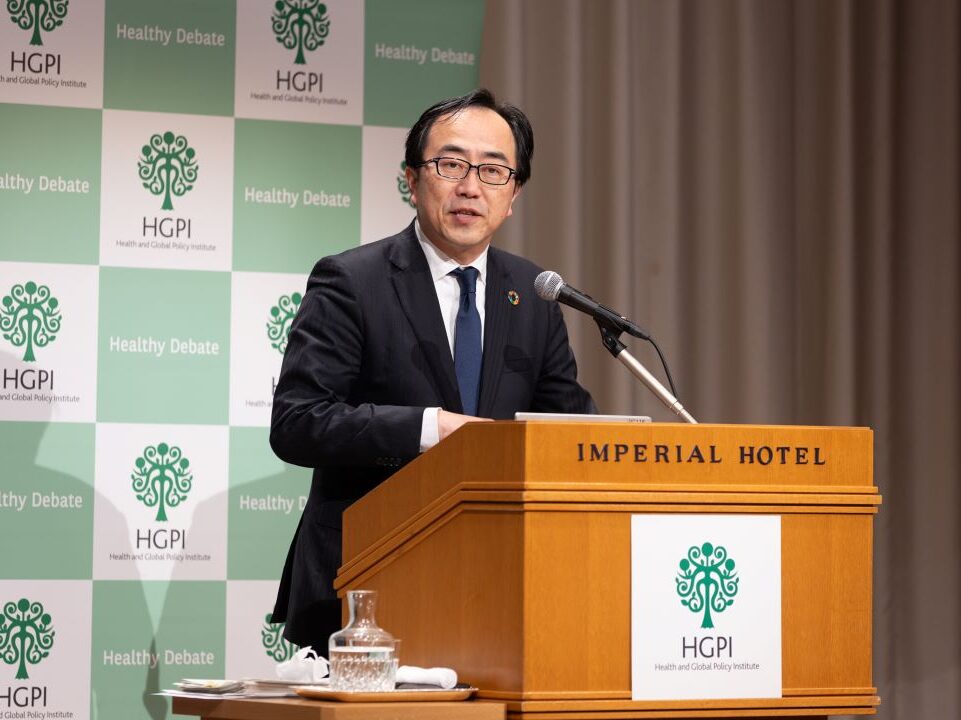
[Event Report] The 53rd Special Breakfast Meeting "Shaping Global Health Rules from the Perspective of Japan's chief negotiator: A Look into 'pandemic accord'" (January 31, 2024)
-
2024-02-02
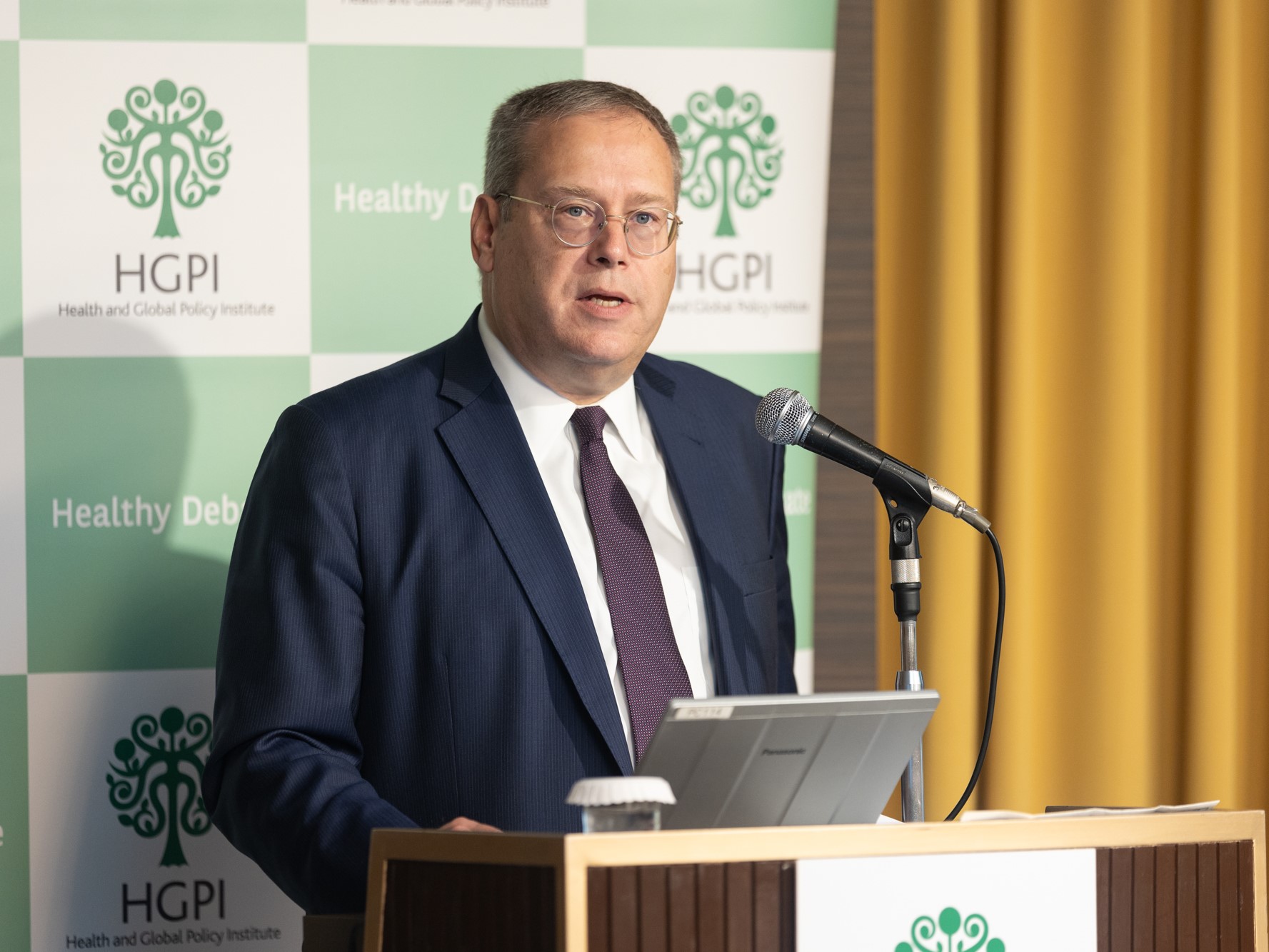
[Event Report] The 52nd Special Breakfast Meeting – US-China Competition and Healthcare Industry: New Frontier of Economic Security (October 23, 2023)
-
2025-09-18
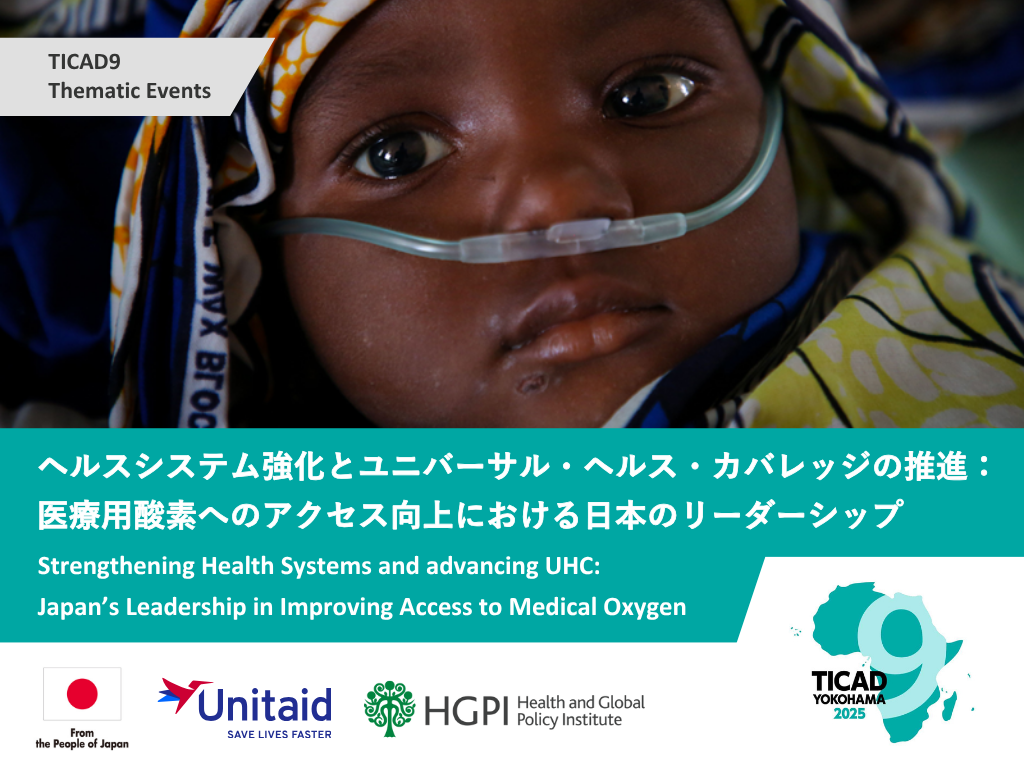
[Event Report] TICAD9 Thematic Event “Strengthening Health Systems and advancing UHC: Japan’s Leadership in Improving Access to Medical Oxygen” (August 20, 2025)
-
2025-07-25
[Event Report] Non-partisan Diet Member Briefing – 30-minute Health Policy Update “Strategic Global Expansion of Japanese Companies: Public-Private Partnerships in Japan’s Health Sector with Unitaid” (June 6, 2025)
Top Research & Recommendations Posts
Featured Posts
-
2026-05-18
[Registration Closed] Kick-off Panel Discussion “From Africa and Japan, Drawing from Perspectives Around the World:A Platform for Cultivating a Philosophical Health Dialogue Together” (June 15, 2026)
![[Registration Closed] Kick-off Panel Discussion “From Africa and Japan, Drawing from Perspectives Around the World:A Platform for Cultivating a Philosophical Health Dialogue Together” (June 15, 2026)](https://hgpi.org/en/wp-content/uploads/sites/2/HGPI_20260615_Eyecathch_panel-discussion-From-Japan-and-Africa-in-Discussion-with-the-World_2.png)
-
2026-08-28
[Announcement] The 3rd Kiyoshi Kurokawa Award: Call for Nominations (Deadline: November 30, 2026)
![[Announcement] The 3rd Kiyoshi Kurokawa Award: Call for Nominations (Deadline: November 30, 2026)](https://hgpi.org/en/wp-content/uploads/sites/2/Kiyoshi-Kurokawa-Award_3rd_nominations_eyecatch_caseB_ENG_web_20260929_v0.5.jpg)
-
2026-09-01
[Registration Closed] HGPI Salon 2025-2026 Looking Ahead to the Future of Japan’s Social Security System “Session 6: Japan’s Health Policy through the Lens of Global Security” (October 13, 2026)
![[Registration Closed] HGPI Salon 2025-2026 Looking Ahead to the Future of Japan’s Social Security System “Session 6: Japan’s Health Policy through the Lens of Global Security” (October 13, 2026)](https://hgpi.org/en/wp-content/uploads/sites/2/HGPISalon2025-20266.png)
-
2026-09-17
[Registration Open] (Webinar) The 145th HGPI Seminar “Toward Better AMR Measures at Elderly Care Facilities—Considering Infectious Disease Control in a Super-Aged Society From a Policy Perspective” (October 27, 2026)
![[Registration Open] (Webinar) The 145th HGPI Seminar “Toward Better AMR Measures at Elderly Care Facilities—Considering Infectious Disease Control in a Super-Aged Society From a Policy Perspective” (October 27, 2026)](https://hgpi.org/en/wp-content/uploads/sites/2/HGPIseminar145.png)
-
2026-10-06
[Registration Open] (Webinar) The 146th HGPI Seminar “How We Can Build a Society That Supports Choices Around Organ Donation: Exploring Decision-Making by Citizens and a Multi-Layered Approach Through Strategic Social Marketing” (November 9, 2026)
![[Registration Open] (Webinar) The 146th HGPI Seminar “How We Can Build a Society That Supports Choices Around Organ Donation: Exploring Decision-Making by Citizens and a Multi-Layered Approach Through Strategic Social Marketing” (November 9, 2026)](https://hgpi.org/en/wp-content/uploads/sites/2/HGPI_20261001_Eyecatch_HGPIseminer-146th-1.png)
