


[Event Report] HGPI Special Seminar “Global Health Security: Building Next-Generation Biological Surveillance – Challenges and Opportunities in Bridging Science and Society” (September 3, 2025)
date : 10/23/2025
Tags: AMR, Global Health, HGPI Seminar, International House of Japan, Vaccinations

![[Event Report] HGPI Special Seminar “Global Health Security: Building Next-Generation Biological Surveillance – Challenges and Opportunities in Bridging Science and Society” (September 3, 2025)](https://hgpi.org/en/wp-content/uploads/sites/2/HGPI_ihj-shs-20250903-top.png)
Health and Global Policy Institute (HGPI) held a closed meeting, “HGPI Special Seminar,” on the occasion of the visit to Japan by Dr. Ashish K. Jha (Dean, Brown University School of Public Health / Former White House COVID-19 Response Coordinator), for Individual Supporting Members and stakeholders active in fields related to health security. Dr. Jha has been a global leader in infectious disease crisis response from Ebola Virus Disease to COVID-19, dedicating his efforts to promoting real-world evidence-based policymaking and achieving fair and high-quality healthcare systems in both the United States and internationally.
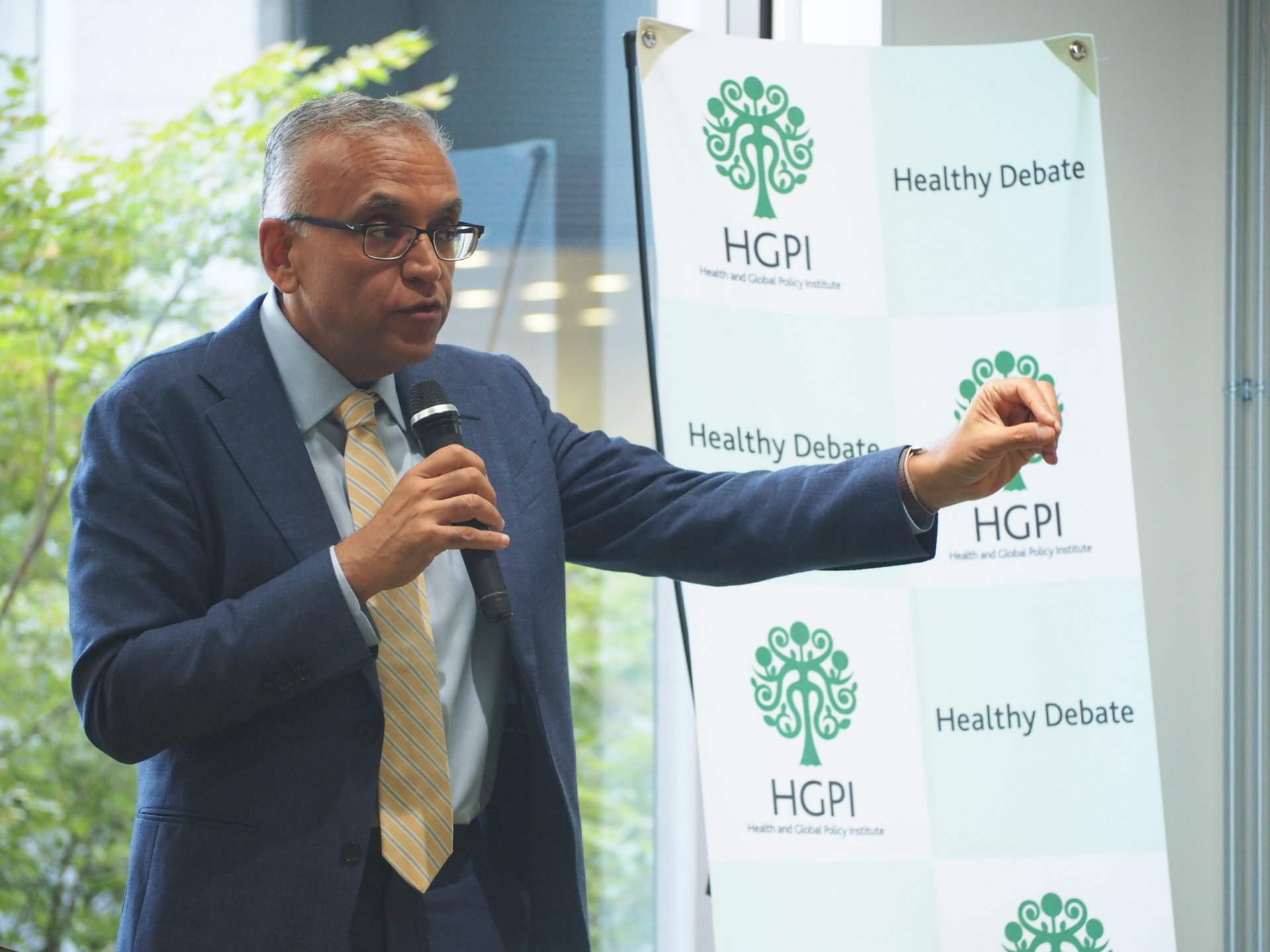
In this seminar, Dr. Jha delivered a lecture on the BioRadar initiative, which he leads, and on prospects for international cooperation to strengthen global health security in the future. In the subsequent panel discussion, experts from the United States and Japan, together with participants, engaged in an in-depth dialogue on challenges to international collaboration, the implications of geopolitical shifts, and the roles that Japan and the United States should play.
<POINTS>
- The need to establish new biosurveillance systems has been highlighted to address advances in modern science and the expansion of biological threats driven by globalization.
- In response to the growing scope of biological threats, the BioRadar initiative is presented as a promising next-generation biosurveillance system capable of (1) detecting unknown biological threats, (2) enabling early identification of outbreaks of known infectious diseases, and (3) ensuring protection of personal information.
- Amid geopolitical changes that are undermining global health and public health security systems traditionally dependent on the United States, it is essential to enhance the resilience of individual countries while reconstructing new frameworks for international cooperation.
- Japan has also succeeded in developing innovative biosurveillance technologies. However, challenges remain in their implementation, including insufficient public awareness and understanding and a lack of clarity in the division of roles across government, industry, and academia.
- Japan’s engagement in global health contributes to maintaining a rules-based international order and strengthening global health governance. Going forward, deeper Japan–U.S. collaboration will be critical to reinforcing global health security in the Asia-Pacific region.
■ The Need for New Biosurveillance Systems in the Modern Era
In the modern era, the introduction of new biosurveillance systems is critically important to address both the “increasing scale of biological threats” and the “limitations of existing biosurveillance systems.” The “Golden Age of Chemistry” (1880s–1890s) produced plastics and pharmaceuticals but also chemical weapons, while the “Golden Age of Physics” (1920s–1930s) brought nuclear power and diagnostic testing but also nuclear weapons. Similarly, the past 15 years, described as the “Golden Age of Biology,” have yielded remarkable advances such as gene editing and synthetic biology, while at the same time suggesting the emergence of new biological weapons. In fact, U.S. intelligence agencies have reported that both state and non-state actors are engaged in biological weapons development, warning that their use may become a reality for the first time within the next 5–10 years.
Moreover, globalization has increased human–animal contact, intensified human mobility, and, together with factors such as climate change, has made the present era an “age of pandemics.” While the global spread of novel infectious diseases is a concern, existing biosurveillance systems remain limited, as they cannot detect biological crises unless the target pathogen has already been identified and specified. These limitations became evident during the COVID-19 pandemic. At the time, systems were designed with the premise of “knowing what to look for,” and thus failed to detect the widespread transmission of emerging viruses at an early stage, ultimately impeding a rapid response to the outbreak.
In this way, confronted with both scientific advances and the expansion of biological threats brought by globalization, the construction of new biosurveillance systems has become an urgent priority in the modern era.
■ The BioRadar Initiative as a New Biosurveillance System
Against this backdrop, Dr. Ashish K. Jha and his colleagues have proposed the BioRadar initiative. Unlike conventional surveillance systems, which are designed to detect specific pathogens predetermined in advance, BioRadar does not assume pathogen identification but is capable of detecting unknown threats.
Specifically, BioRadar is modeled after the way an air radar detects anomalies and creates a “biological profile” of a city on a given day. This profile is built from multiple anonymized data sources, including environmental samples such as wastewater and air, clinical data, pharmacy purchase records, and even social media and search history data. By using AI models to establish a baseline of “normal conditions” and then detecting deviations from that baseline as “abnormal,” the system enables the early identification of unknown biological threats and facilitates further investigation.
Furthermore, the initiative also makes it possible to detect outbreaks of known infectious diseases such as seasonal influenza earlier than conventional systems. All collected data are fully anonymized and de-identified, ensuring privacy protection. This design allows for the early detection of biological crises and the minimization of harm while avoiding excessive intrusion into individuals’ lives.
At the same time, there are significant implementation challenges. Establishing and maintaining such a system requires enormous costs, with individual pilot operations alone estimated to require USD 3–10 million over 18 months. Large-scale, nationwide deployment would require substantial government funding. Moreover, for the system to function effectively, close cooperation and complementary relationships between the public health sector and the defense sector are essential.
■ The Future of International Cooperation to Safeguard Health Security Amid Geopolitical Change
The framework for international cooperation on global health security is being forced to undergo redefinition in light of current geopolitical shifts. The international order established after World War II has reached a turning point requiring urgent global reformation, with the United States withdrawing from multilateral systems such as the United Nations and the World Health Organization (WHO), and as a result contributing to the erosion of the system. The closure of overseas offices of the United States Agency for International Development (USAID) and the withdrawal of personnel from the Centers for Disease Control and Prevention (CDC) are examples of this trend, both of which have had serious consequences for global public health surveillance. In addition, the emergence of new partnerships, symbolized by summits among leaders from India, Russia, and China, highlights significant changes in the geopolitical environment.
These changes mean that traditional global health surveillance systems, which have long depended on U.S. presence, are no longer functioning adequately. While this poses a serious risk, it also provides an opportunity to reform and redesign international cooperation frameworks for both routine and emergency contexts in a more efficient manner. Furthermore, in low- and middle-income countries, particularly in Africa, there is growing recognition of the need to reduce excessive dependence on U.S. development funding and to increase healthcare expenditures from domestic budgets.
Against this backdrop, it is essential to strengthen each country’s resilience to biological threats while constructing new global health security systems. In this effort, new technologies and biosurveillance systems, such as the BioRadar initiative, are promising tools. They can reduce the need to dispatch experts internationally each time an infectious disease emerges and enable a fairer and more efficient global sharing of surveillance responsibilities. For these technologies and systems to be effectively developed and implemented, close collaboration with allied nations, partner countries, and international organizations is indispensable, along information and knowledge sharing to establish similar mechanisms across regions.
■ Challenges and Future Prospects for Japan’s Response to Biological Threats Revealed by COVID-19
During the COVID-19 pandemic, Japan successfully maintained its mortality rate to about one-sixth that of the United States, despite being a super-aging society. At the same time, weaknesses in the country’s health information infrastructure were exposed. Key epidemiological data remained insufficiently digitized, and the central government’s infection forecasts were limited to the national level and were not updated frequently enough.
As a response to this situation, Kanagawa Prefecture advanced a pilot study of an infection forecasting model that utilized viral genetic material in wastewater. The highly sensitive wastewater PCR test, developed through collaboration among government, industry, and academia, was capable of detecting infections even when there were fewer than 10 new cases per one million people, achieving a level of sensitivity 10 to 100 times higher than comparable U.S. technologies at the time. Moreover, it proved to be more cost-effective than conventional clinical surveillance.
Nevertheless, despite demonstrated effectiveness, both the central government and local governments have generally been reluctant to introduce wastewater surveillance. This reluctance stems in part from a tendency to avoid disseminating “negative information,” such as the presence of pathogens, as well as political preferences for emphasizing only results that confirm safety. Such attitudes pose a serious barrier to the rapid response required for biological threats. Going forward, it will be essential to promote awareness and understanding among both government and the public regarding the importance of adopting effective surveillance technologies.
■ The Significance of Japan’s Engagement in Global Health and Future Prospects for Japan–U.S. Cooperation
Japan’s engagement in global health carries two major points of significance. First, Japan’s commitment to international norms contributes to maintaining a rules-based international order. During the COVID-19 pandemic, while some countries prioritized strategic vaccine diplomacy, Japan provided support aligned with international principles such as human security and the Sustainable Development Goals (SDGs), thereby contributing to the stability of the international order.
Second, Japan plays an active role in strengthening global health governance. Global health governance is composed of multi-layered structures at the global, regional, national, and local levels. As current geopolitical changes make cooperation at the global level increasingly difficult, Japan’s promotion of regional cooperation in Asia serves to complement this multilayered structure and enhance its overall resilience.
Currently, Japan–U.S. cooperation extends beyond the narrow sense of national security to encompass economic, food, and health security. In the field of health security in particular, Japan is in the process of establishing the Japan Institute for Health Security, thereby laying the foundation for closer bilateral collaboration. By further strengthening such cooperation, health security across the Asia-Pacific region can be further strengthened and developed .
Today’s biological threats cannot be addressed by a single country alone. To bring innovative approaches such as the BioRadar initiative into reality, cross-border dialogue and concrete cooperation are indispensable. Building a collaborative framework involving Japan, the United States, and partners around the world is therefore essential.
 |
 |
 |
 |
 |
 |
 |
[Event Details]
- Date & Time: Wednesday, September 3, 2025, 10:00–11:30 (Open 9:30) JST
- Speaker: Dr. Ashish K. Jha (Dean, Brown University School of Public Health / Former White House COVID-19 Response Coordinator)
- Format: In-person only
- Venue: Global Business Hub Tokyo 3F, Otemachi Financial City Grand Cube, 1-9-2 Otemachi, Chiyoda-ku, Tokyo 100-0004
- Language: English only (no simultaneous interpretation)
- In cooperation with: International House of Japan

■Speaker’s Profiles
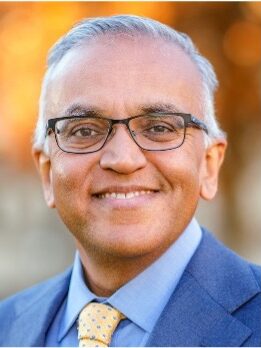 Ashish K. Jha (Dean, Brown University School of Public Health / Former White House COVID-19 Response Coordinator)
Dr. Ashish K. Jha is a global leader in public health research, policy, and practice. He has served as Dean of the Brown University School of Public Health since September 2020 and was appointed White House COVID-19 Response Coordinator in 2022. Over the course of his career, Dr. Jha has led responses to health crises from Ebola to COVID-19, advancing policies grounded in scientific evidence, expanding vaccine and testing access, and championing major investments in indoor air quality. Previously, he was a professor at the Harvard T.H. Chan School of Public Health and Harvard Medical School, and Faculty Director of the Harvard Global Health Institute. He has published nearly 300 peer-reviewed articles and was elected to the U.S. National Academy of Medicine in 2013.
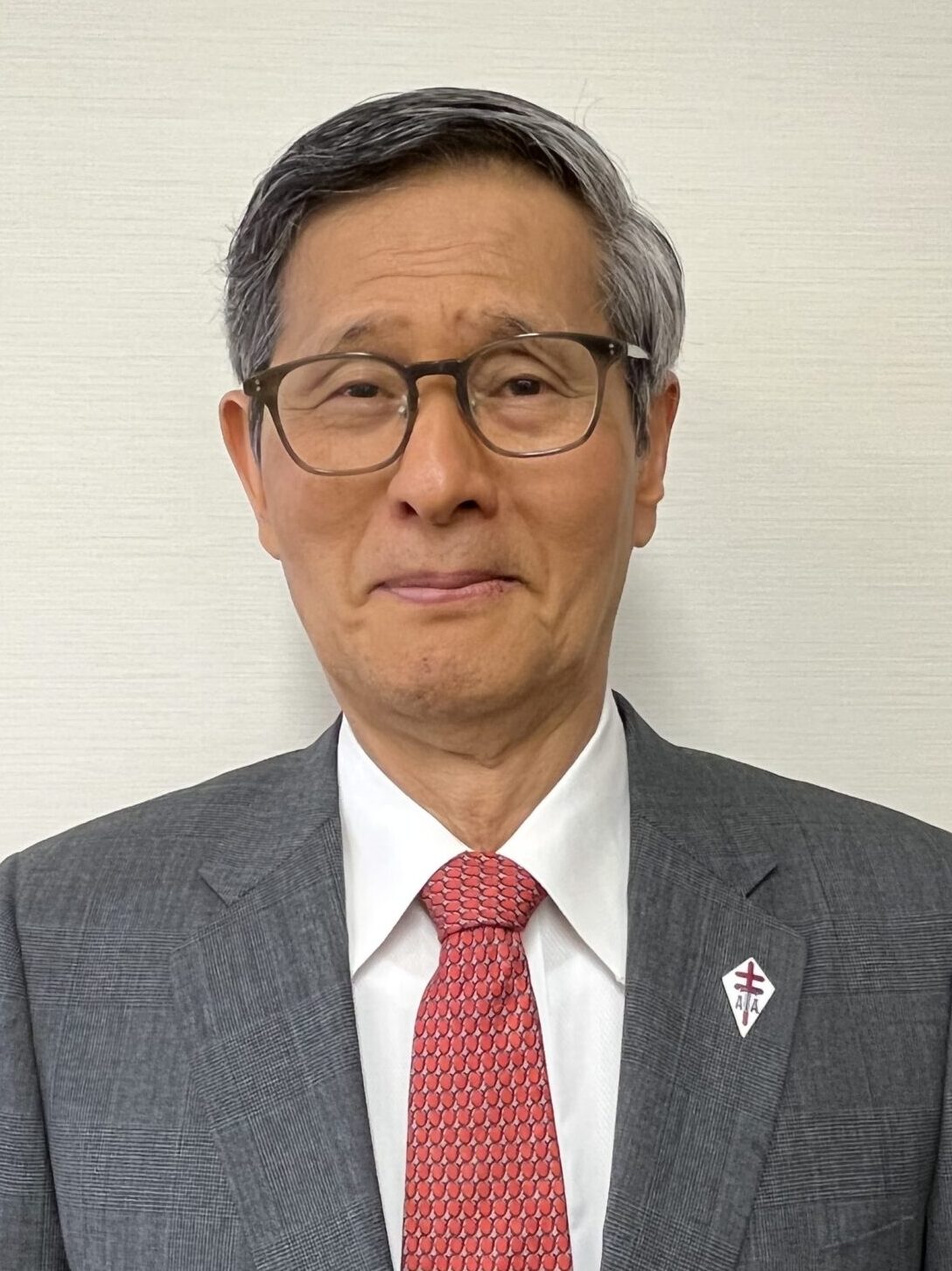 Shigeru Omi (Chairman, Japan Anti-Tuberculosis Association)
Dr. Shigeru Omi graduated from Jichi Medical University in 1978. He served as Regional Director of the WHO Western Pacific Regional Office in 1999 and WHO Executive Board member from 2009. In 2014, he became President of the Japan Community Healthcare Organization (JCHO) and established the NPO “All Generations” in September 2015. In February 2020, Dr. Omi served as Vice Chairman of the Expert Advisory Panel on COVID-19 Countermeasures. In April 2021, he became Chairman of the Basic Response Policy Subcommittee of the Novel Influenza and Other Infectious Diseases Response Promotion Council. Since April 2022, he has been serving as Representative Director of the Japan Anti-Tuberculosis Association (JATA) and Honorary President of JCHO. Since June of the same year until present, he has also been serving as President of JATA.
 Nikki Romanik (Distinguished Senior Fellow, Global Health Security, Brown University School of Public Health / Former Deputy Director of the White House Office of Pandemic Preparedness and Response Policy)
She was the former Special Assistant to the President, Deputy Director, and Chief of Staff for the Office of Pandemic Preparedness and Response Policy at the White House. In this role, she led the recruitment and establishment of the inaugural office, driving key initiatives to enhance national preparedness and response to outbreaks, pandemics, and other biological threats.
 Stephanie Psaki (Distinguished Senior Fellow, Global Health Security, Brown University School of Public Health / Former U.S. Coordinator for Global Health Security at the White House)
She previously served as the inaugural U.S. Coordinator for Global Health Security at the White House, and on the staff of the U.S. National Security Council, overseeing issues ranging from pandemic preparedness to universal health coverage. Prior to joining the U.S. government, she worked as a researcher in population and family health. She received a Ph.D. from the Johns Hopkins Bloomberg School of Public Health.
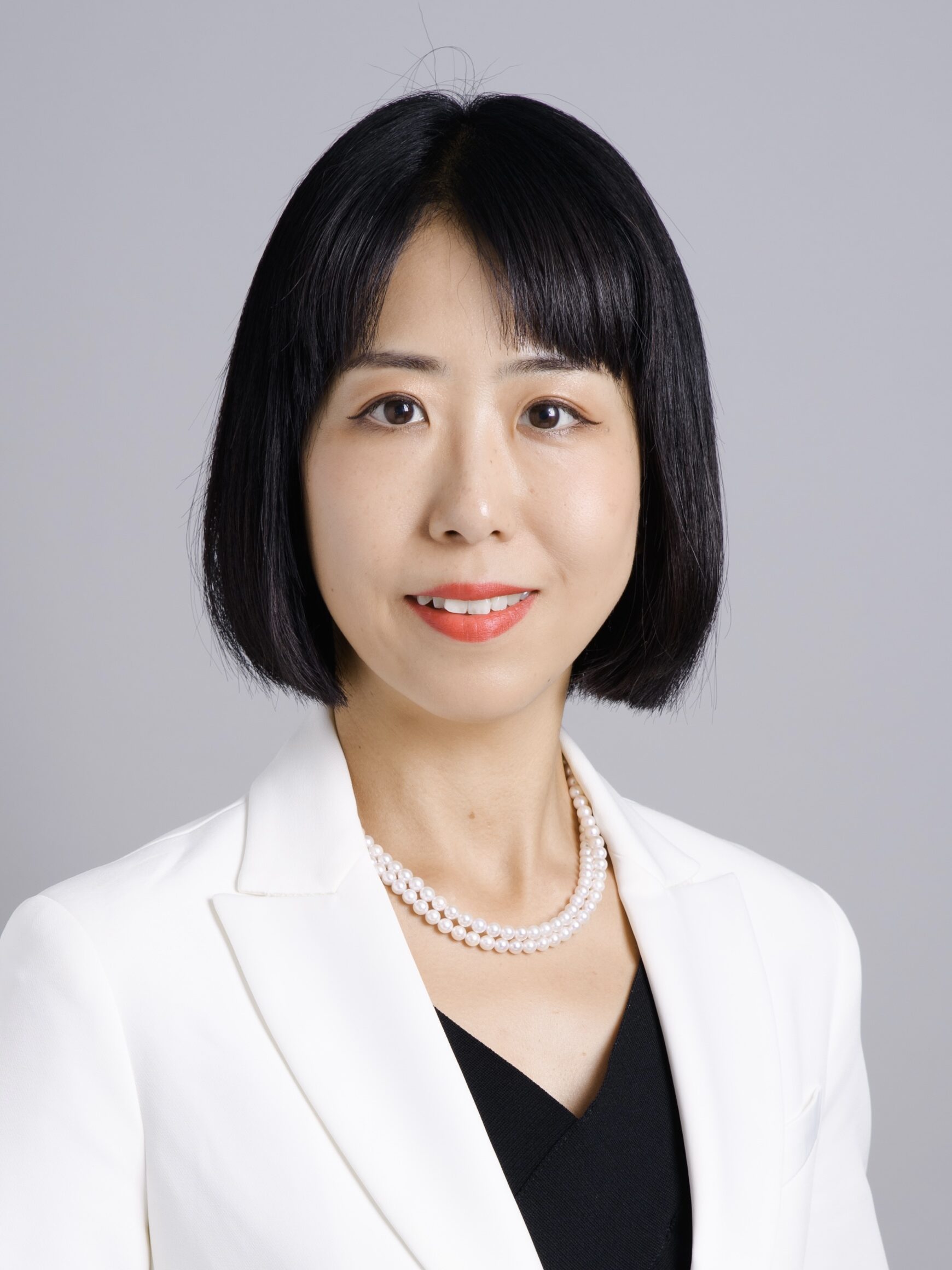 Kayo Takuma (Professor, Faculty of Law, Keio University)
Kayo Takuma is a professor of international politics at the Faculty of Law, Keio University. Her main research interest involves the origin, evolution, and challenges of global health governance, with a focus on its relationship with the changing international political order. She is currently conducting a study of regional health cooperation in Asia. She served as a professor at Tokyo Metropolitan University from 2020 to 2024, and was a visiting researcher at École des hautes études en sciences sociales (EHESS) in France for one year from March 2023, before assuming her current position in 2024. She received an M.A. and Ph.D. from the University of Tokyo.
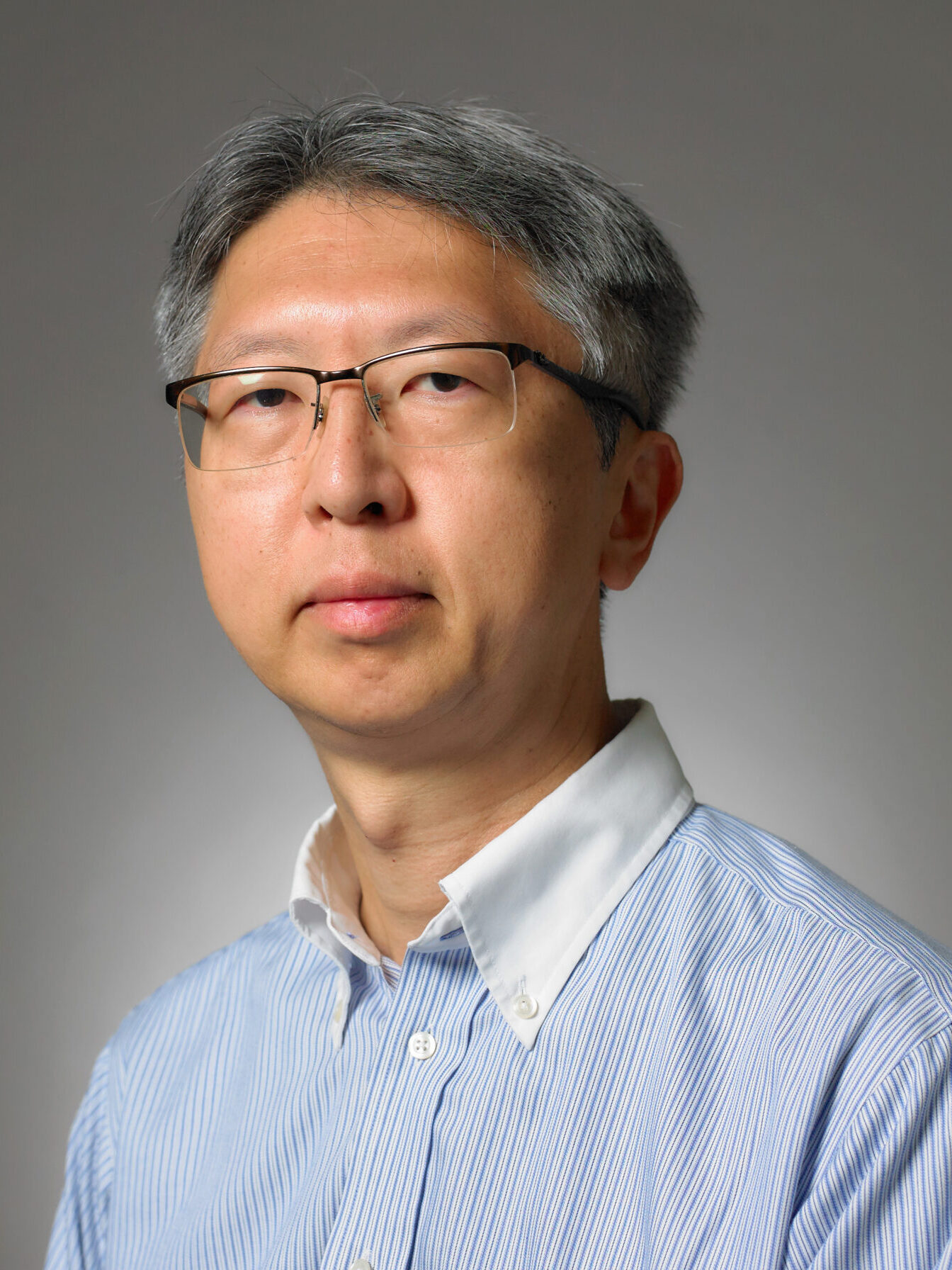 Byung-Kwang (BK) Yoo (Professor, School of Human Sciences, Waseda University/ Professor, School of Health Innovation, Kanagawa University of Human Services)
Byung-Kwang (BK) Yoo, MD, PhD (Health Economics), is Professor at the School of Human Sciences, Waseda University since 2023, with a joint appointment of Kanagawa University of Human Services. After obtaining MD in Japan and Ph.D. in Health Economics from Johns Hopkins University, he had previously worked at the Stanford University in Palo Alto, the Centers for Disease Control and Prevention (CDC) in Atlanta, the University of Rochester in New York State, and the University of California Davis. His research interests include public health measures against large-scale infectious diseases and patient preventive behaviors (e.g., vaccination, healthy diet and physical activity).
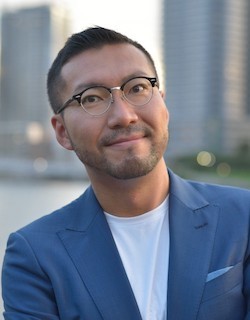 Ryoji Noritake (Chair, Health and Global Policy Institute)
Mr. Ryoji Noritake is the Chair of Health and Global Policy Institute (HGPI), a Tokyo-based independent and non-profit health policy think tank established in 2004. He also served as Asia-Pacific Lead for Project HOPE, a US-based medical humanitarian aid organization. Through HOPE and HGPI, he has led health system strengthening projects in the Asia-Pacific region and engaged in the US Navy’s medical humanitarian projects. His focus is a multi-sectoral approach to health issues such as public-private partnerships and civil-military coordination. He was a member of the Tokyo Metropolitan Government’s Policy Discussion Roundtable for Super Ageing Society (2018) and served as a Visiting Scholar at the National Graduate Institute for Policy Studies (2016-2020). He is currently serving as a member of World Dementia Council (WDC), the Salzburg Global Seminar’s Advisory Council, Advisory Board Member of Elsevier Atlas, and the Dementia Innovation Alliance hosted by the Ministry of Economy, Trade and Industry (METI), Japan. He was awarded the 32nd Takemi Incentive Award in 2022. He is a graduate of Keio University’s Faculty of Policy Management and holds a MSc in Medical Anthropology from the University of Amsterdam, the Netherlands.
Related Posts
-
2025-10-31
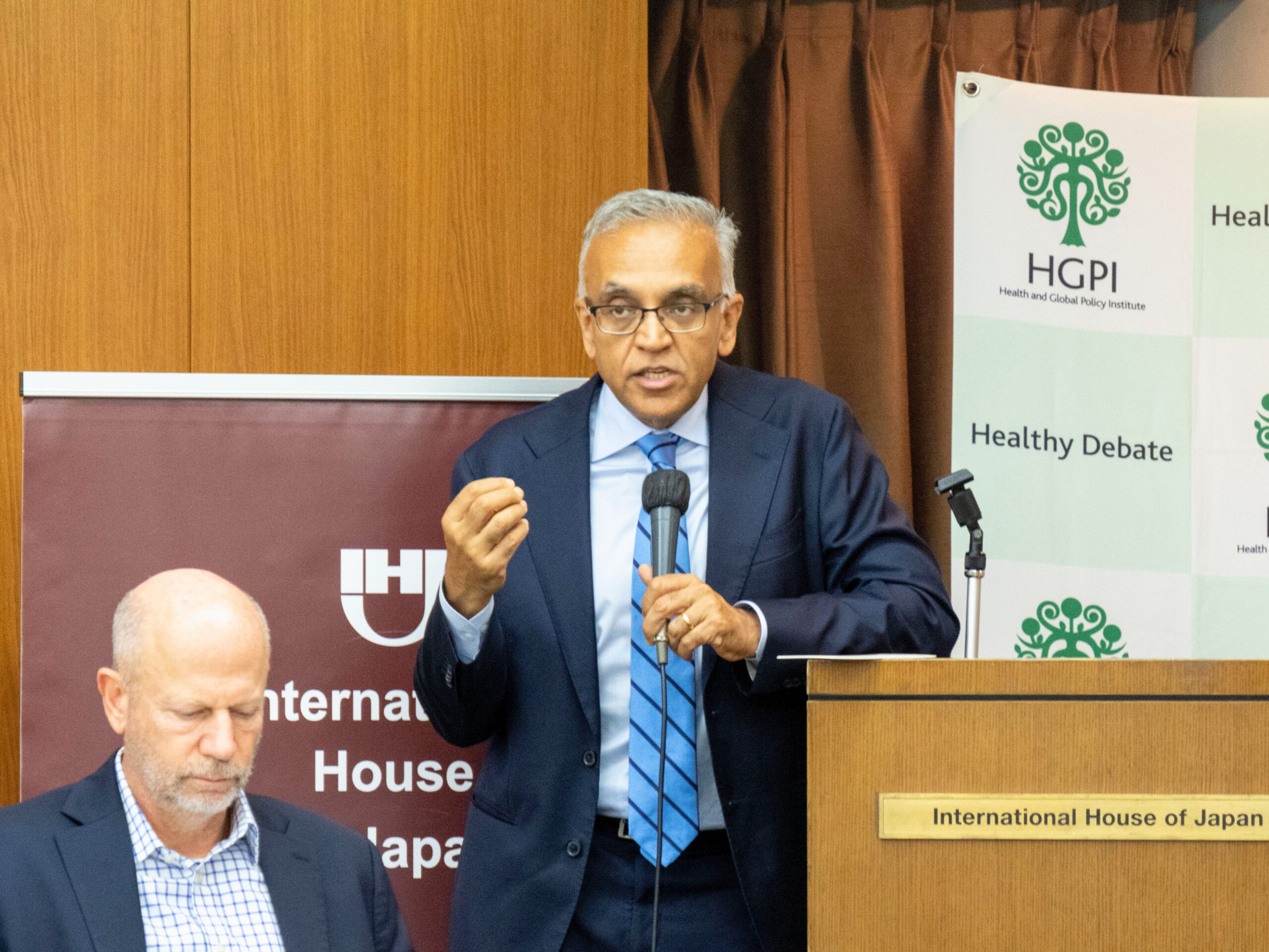
[Event Report] HGPI- IHJ Expert Roundtable with Brown University School of Public Health (September 5, 2025)
-
2025-10-20
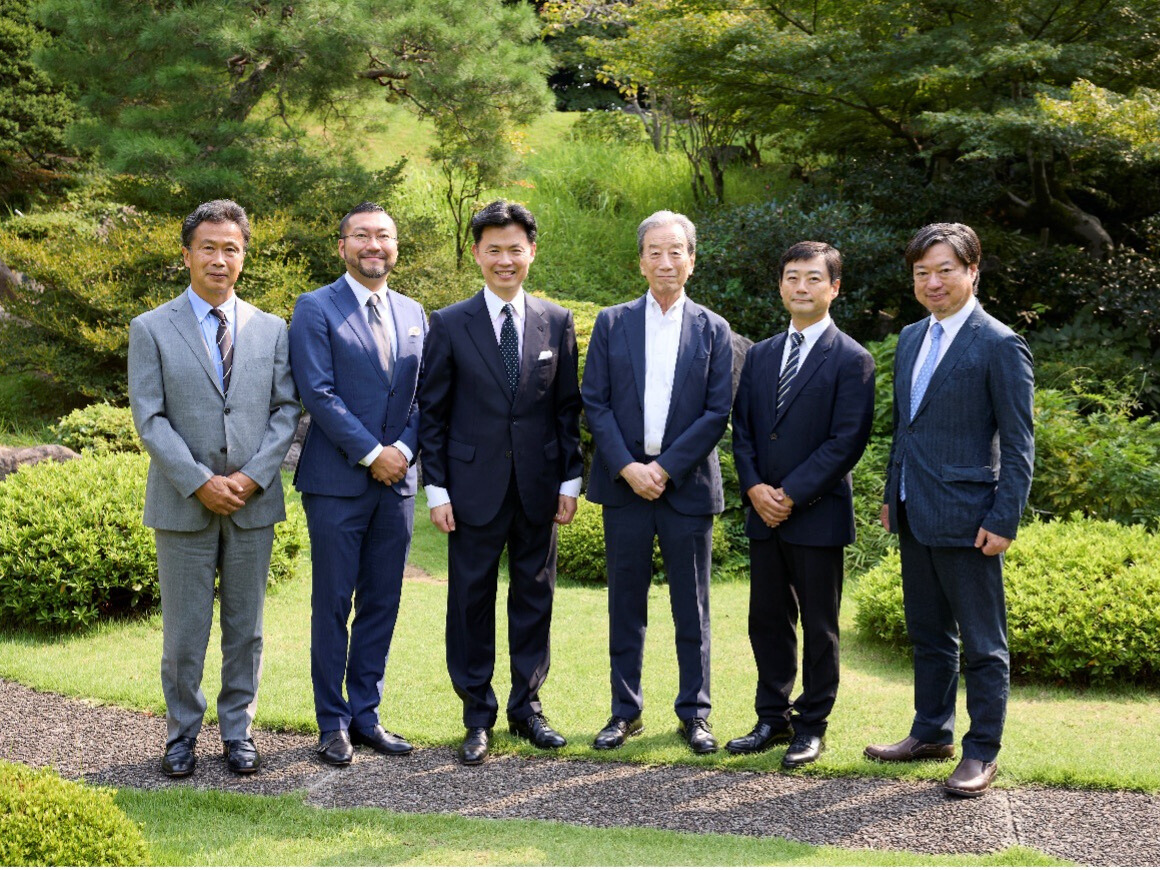
[Event Report] HGPI-IHJ Idea Exchange Session (August 22, 2025)
-
2025-10-20
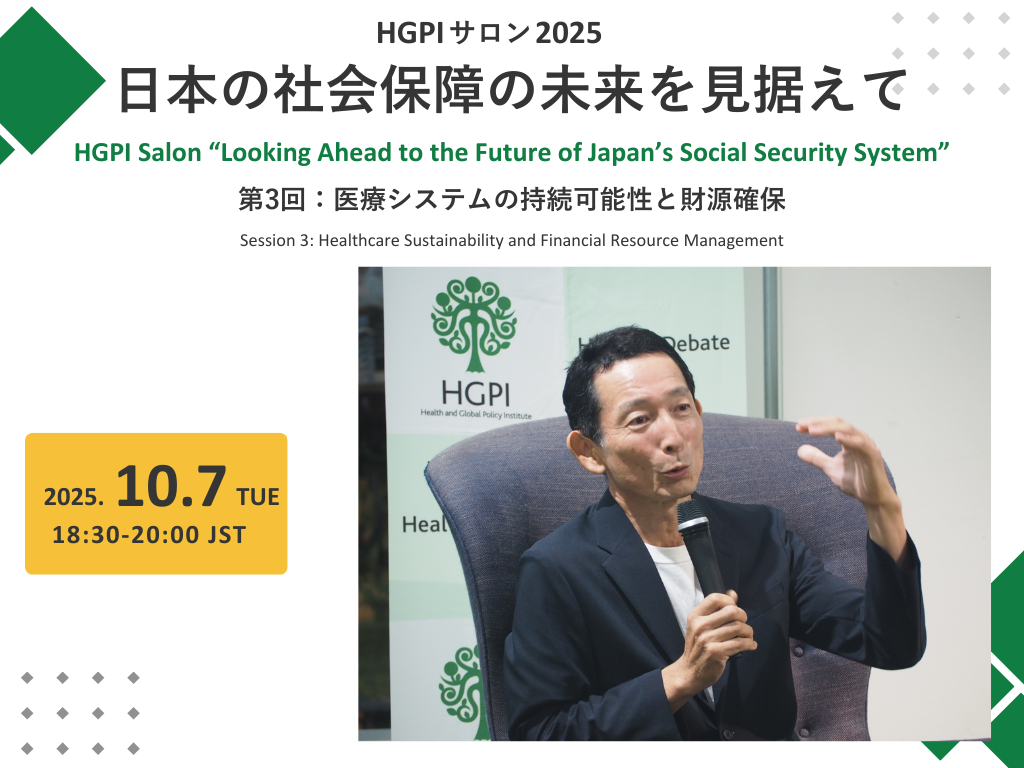
[Event Report] HGPI Salon 2025 “Looking Ahead to the Future of Japan’s Social Security System” Session 3: Healthcare Sustainability and Financial Resource Management (October 7, 2025)
-
2025-10-15
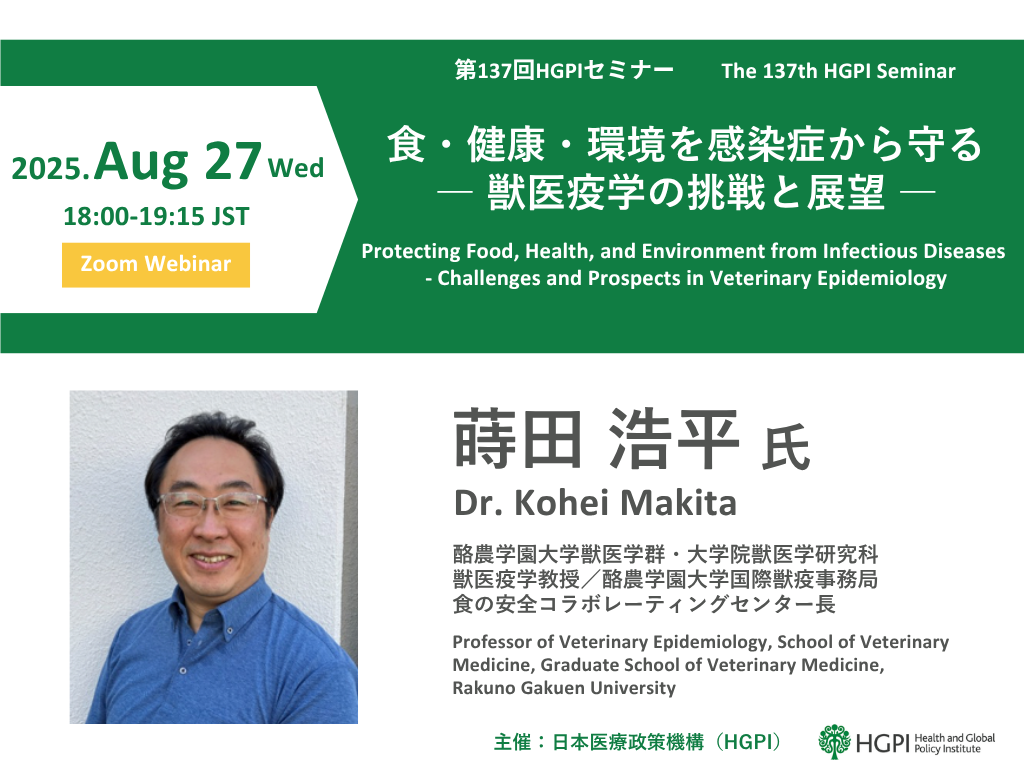
[Event Report] The 137th HGPI Seminar “Protecting Food, Health, and the Environment from Infectious Diseases – Challenges and Prospects in Veterinary Epidemiology” (August 27, 2025)
-
2025-10-21
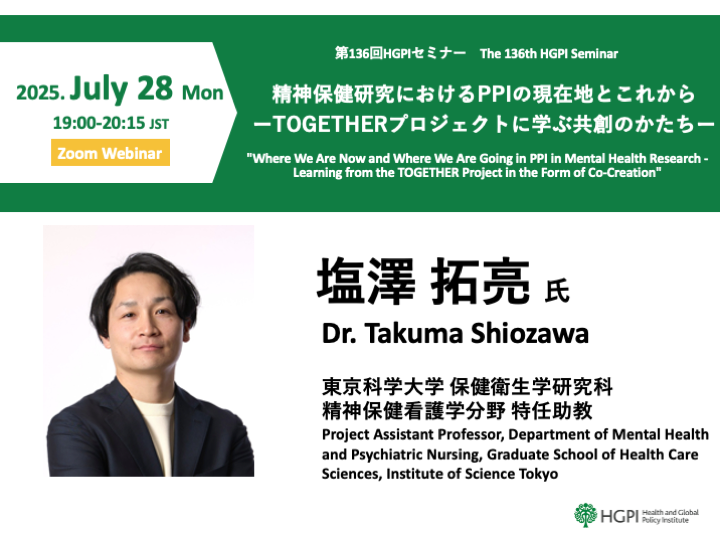
[Event Report] The 136th HGPI Seminar "Where We Are Now and Where We Are Going Regarding PPI in Mental Health Research: Learning from the TOGETHER Project in the Form of Co-Creation" (July 28, 2025)
Top Research & Recommendations Posts
Featured Posts
-
2026-05-18
[Registration Closed] Kick-off Panel Discussion “From Africa and Japan, Drawing from Perspectives Around the World:A Platform for Cultivating a Philosophical Health Dialogue Together” (June 15, 2026)
![[Registration Closed] Kick-off Panel Discussion “From Africa and Japan, Drawing from Perspectives Around the World:A Platform for Cultivating a Philosophical Health Dialogue Together” (June 15, 2026)](https://hgpi.org/en/wp-content/uploads/sites/2/HGPI_20260615_Eyecathch_panel-discussion-From-Japan-and-Africa-in-Discussion-with-the-World_2.png)
-
2026-08-28
[Announcement] The 3rd Kiyoshi Kurokawa Award: Call for Nominations (Deadline: November 30, 2026)
![[Announcement] The 3rd Kiyoshi Kurokawa Award: Call for Nominations (Deadline: November 30, 2026)](https://hgpi.org/en/wp-content/uploads/sites/2/Kiyoshi-Kurokawa-Award_3rd_nominations_eyecatch_caseB_ENG_web_20260929_v0.5.jpg)
-
2026-09-01
[Registration Closed] HGPI Salon 2025-2026 Looking Ahead to the Future of Japan’s Social Security System “Session 6: Japan’s Health Policy through the Lens of Global Security” (October 13, 2026)
![[Registration Closed] HGPI Salon 2025-2026 Looking Ahead to the Future of Japan’s Social Security System “Session 6: Japan’s Health Policy through the Lens of Global Security” (October 13, 2026)](https://hgpi.org/en/wp-content/uploads/sites/2/HGPISalon2025-20266.png)
-
2026-09-17
[Registration Open] (Webinar) The 145th HGPI Seminar “Toward Better AMR Measures at Elderly Care Facilities—Considering Infectious Disease Control in a Super-Aged Society From a Policy Perspective” (October 27, 2026)
![[Registration Open] (Webinar) The 145th HGPI Seminar “Toward Better AMR Measures at Elderly Care Facilities—Considering Infectious Disease Control in a Super-Aged Society From a Policy Perspective” (October 27, 2026)](https://hgpi.org/en/wp-content/uploads/sites/2/HGPIseminar145.png)
-
2026-10-06
[Registration Open] (Webinar) The 146th HGPI Seminar “How We Can Build a Society That Supports Choices Around Organ Donation: Exploring Decision-Making by Citizens and a Multi-Layered Approach Through Strategic Social Marketing” (November 9, 2026)
![[Registration Open] (Webinar) The 146th HGPI Seminar “How We Can Build a Society That Supports Choices Around Organ Donation: Exploring Decision-Making by Citizens and a Multi-Layered Approach Through Strategic Social Marketing” (November 9, 2026)](https://hgpi.org/en/wp-content/uploads/sites/2/HGPI_20261001_Eyecatch_HGPIseminer-146th-1.png)
