


[Event Report] The 20th Anniversary of HGPI “Health Policy Summit 2025” (February 1, 2025)
date : 11/11/2025
Tags: Health Policy Summit, Other Activities, The Kiyoshi Kurokawa Award

![[Event Report] The 20th Anniversary of HGPI “Health Policy Summit 2025” (February 1, 2025)](https://hgpi.org/en/wp-content/uploads/sites/2/healthpolicysummit2024-top.png)
*The event report has been published. (November 11, 2025)
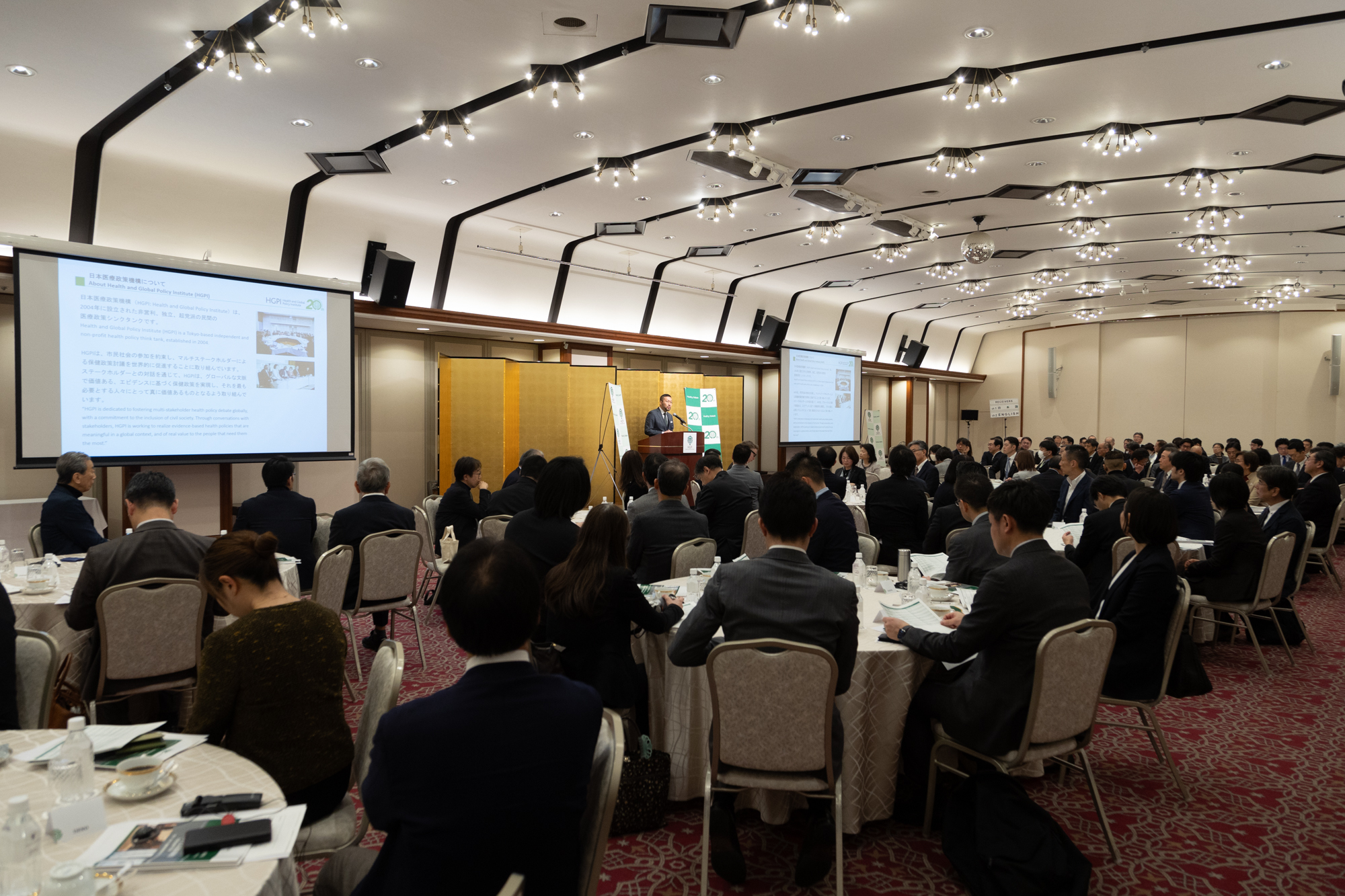
On February 1, 2025, Health and Global Policy Institute (HGPI) held the 20th Anniversary of HGPI “Health Policy Summit 2025.”
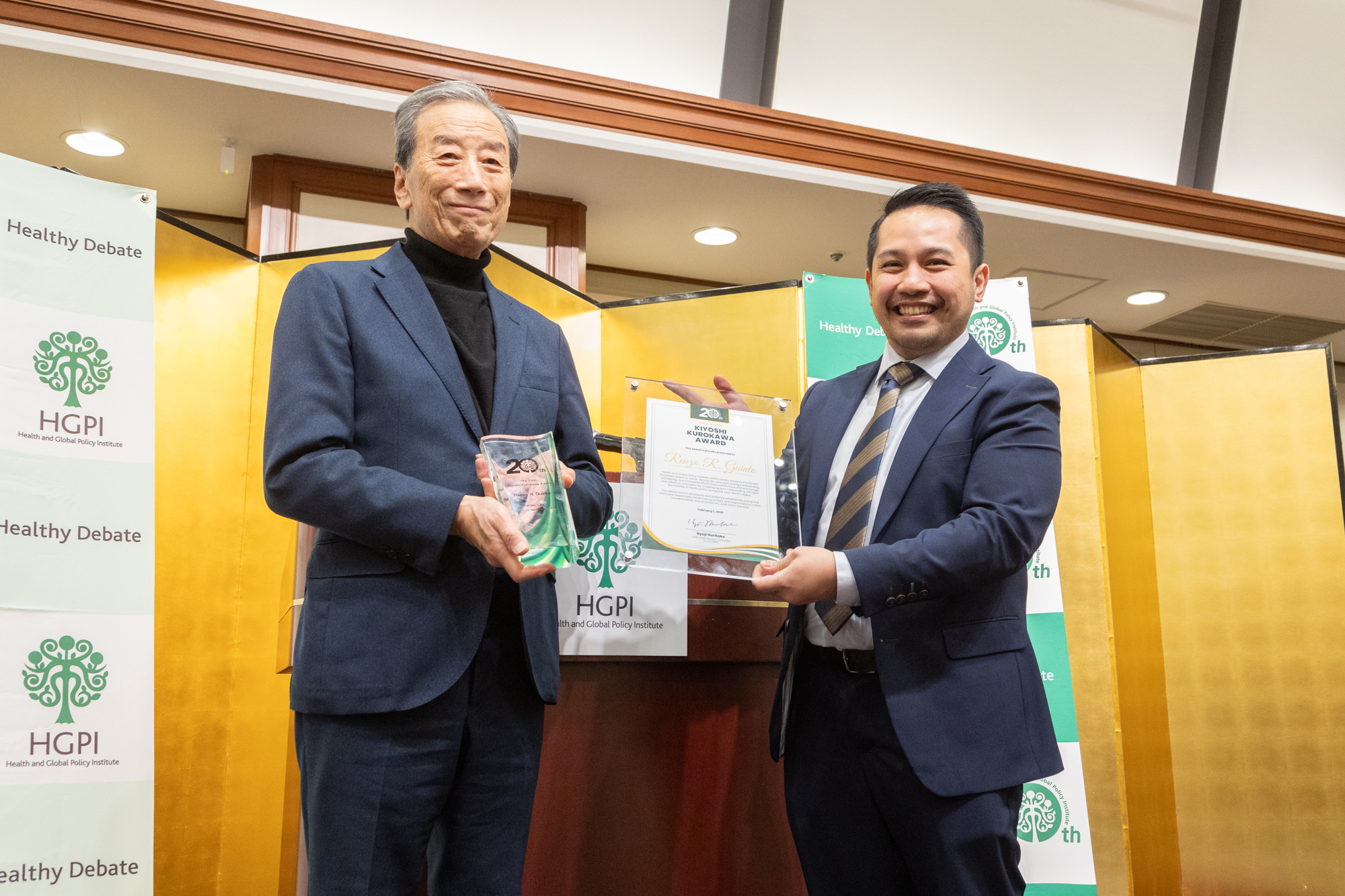
Thanks to the tremendous amount of support and cooperation we have received over the years, HGPI celebrated the 20th anniversary of its establishment in FY2024. To commemorate this milestone, HGPI newly established the “Kiyoshi Kurokawa Award,” which aims to promote innovation in the field of health policy in the Asia-Pacific region by recognizing young researchers, practitioners, and organizations that have made outstanding contributions beyond existing frameworks. The award was presented during this Summit.
As in past Health Policy Summits, we also organized panel discussions on urgent health policy issues that are fundamental to healthcare in Japan, and deepened discussions together with experts who are active on the frontlines in Japan and abroad.
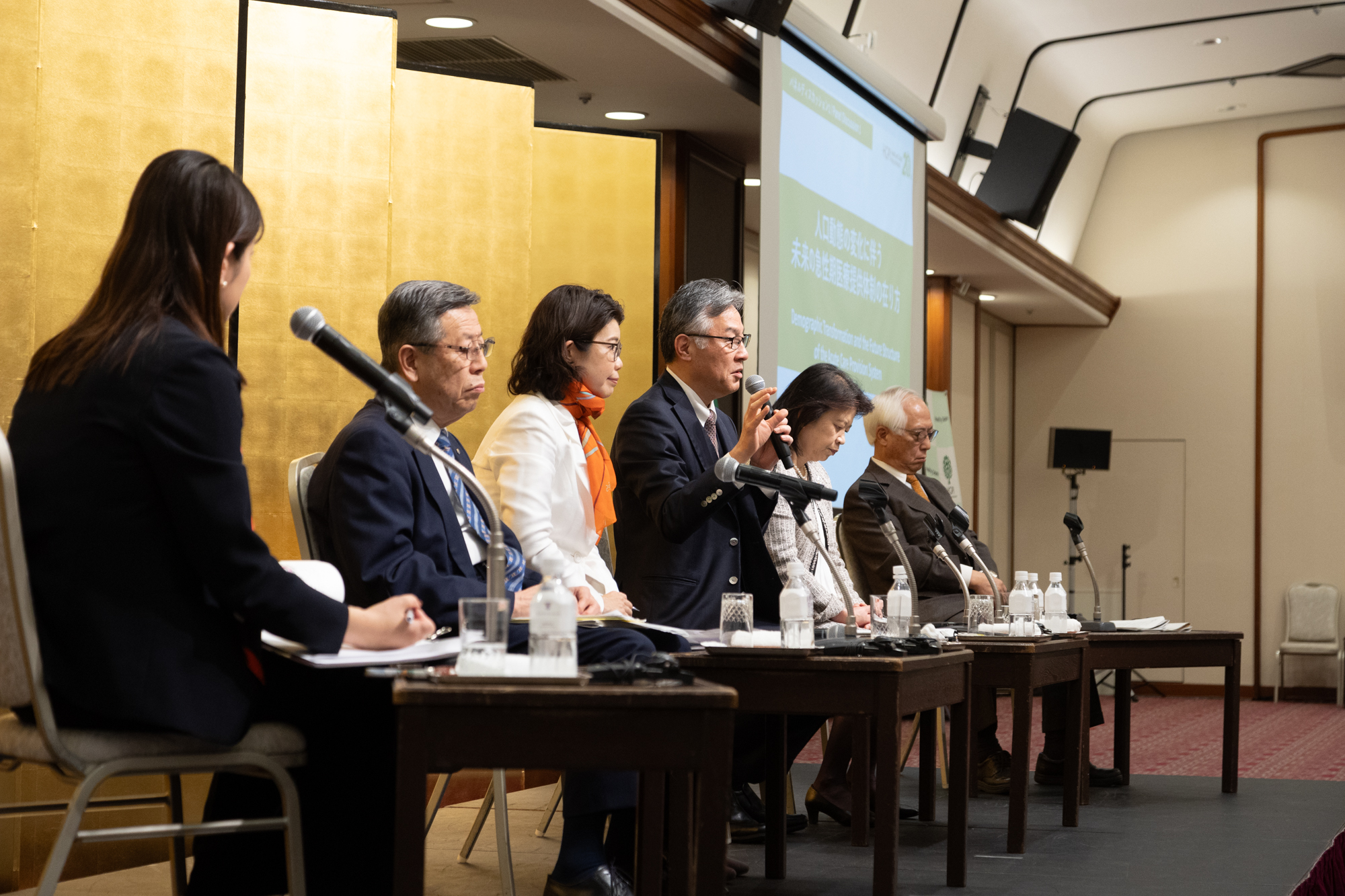
The theme of Panel Discussion 1 was “Demographic Transformation and the Future Structure of the Acute Care Provision System.” Japan will experience rapid growth in the number of senior citizens, especially those age 75 years and over, through 2025, after which the growth of this group will gradually decelerate. From 2025 to 2040, the population age 65 years and over is expected to increase in 132 secondary medical care areas (mainly urban areas) and decrease in 197 secondary medical care areas. Meanwhile, as the decline in Japan’s working-age population further accelerates in 2025 and beyond, the demographic transition will shift from a rapid increase in the elderly population to a rapid decrease in the working-age population. This will widen regional disparities and further upset the balance between healthcare supply and demand. At the national level, Correcting the uneven geographic and specialty distribution of physicians is a current topic of discussion at bodies such as the “Study Group on Correcting the Uneven Distribution of Physicians through Physician Training and Other Processes,” but placing our focus on acute care in rural areas and other regions experiencing significant physician shortages shows that acute care may be unavailable or that it relies entirely on certain physicians. In part, the system has remained functional thanks to the drive and independence of certain physicians, but many health professionals have relocated to major metropolitan areas in pursuit of better compensation, working environments, and training opportunities. In addition to concentration in cities, maldistribution is compounded by the recent tendency for health professionals to shy away from fields such as surgery, emergency medicine, and obstetrics and gynecology. Furthermore, as the population ages, it will also be necessary to accommodate a growing number of emergency medical transports for senior citizens and meet growing demand for in-home and long-term care. In December 2024, the Ministry of Health, Labour and Welfare (MHLW) “Study Group on New Regional Medical Care Visions and Other Plans” compiled a report proposing collaboration, reorganization, and consolidation of acute care institutions, and introduced a new “comprehensive care function” in addition to recovery care functions, to provide acute care to elderly patients and others. Going forward, medical institutions will be required to report their functions. In light of these developments, careful and thorough discussions will be necessary on how to design a healthcare provision system that is understandable and acceptable to the public, and debates over benefits and burdens in securing financial resources for social security expenditures will be unavoidable. Looking ahead ten to fifteen years to the future when these demographic transformations will become more pronounced, the session deepened discussions with experts on the ideal structure of acute care and system design, including appropriate allocation of medical personnel.
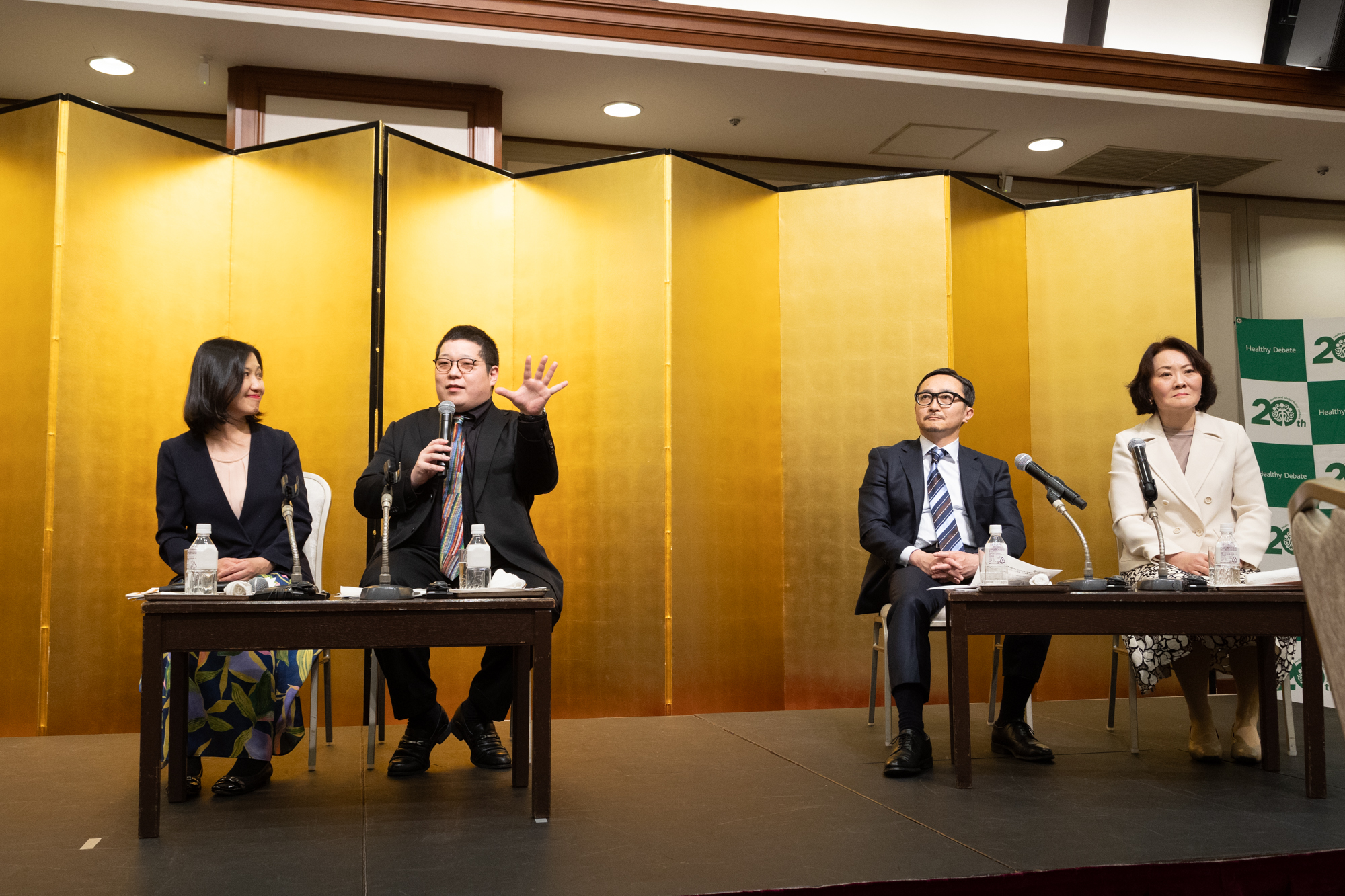
The theme of Panel Discussion 2 was “The Past and Future of Policymaking: Examining the Feasibility of Evidence-Based, Citizen-Centered Health Policy,” and it deepened the discussion on the nature of the formulation of such policies. HGPI operates under a singular vision: “Achieving evidence-based, citizen-centered health policy.” To mark the occasion of the 20th anniversary of HGPI’s founding, this session served as an opportunity to once again discuss issues and prospects for achieving evidence-based, citizen-centered health policy. In the policymaking process, interest in Evidence Based Policy Making (EBPM) has been growing in recent years. Advances in Information and Communication Technology (ICT) and AI are making it possible to gather data of all types based on actual society, and expectations are high for this real-world data to be utilized alongside conventional research data to formulate policy. However, the voices of patients and affected parties – which HGPI has valued greatly for the past two decades – are also an essential factor when considering health policy. While expectations are high for synergy among both of these forms of evidence to elevate the quality of health policy, they may also sometimes result in conflicts. It is said that there are two aspects to keep in mind when considering policy: the rightness of its content and its procedural legitimacy. How can we establish a policymaking process that ensures both of these aspects are present, and how can HGPI contribute to that process? The session deepened the discussion on these items by synthesizing theoretical perspectives on policymaking as well as from political philosophy, anthropology, and real-world politics.
[Event Details]
- Date & Time: Saturday, February 1, 2025; from 11:00 to 16:00
- Venue: Josui kaikan (2-1-1 Hitotsubashi Chiyoda-ku Tokyo)
- Languages: Japanese and English (with simultaneous interpretation)
[Program] (Titles omitted, no particular order)
| 11:00-12:10 | Lunch Reception | |||||||
| 12:15-12:25 | Opening Remarks | |||||||
| Takamaro Fukuoka (Minister of Health, Labour and Welfare) | 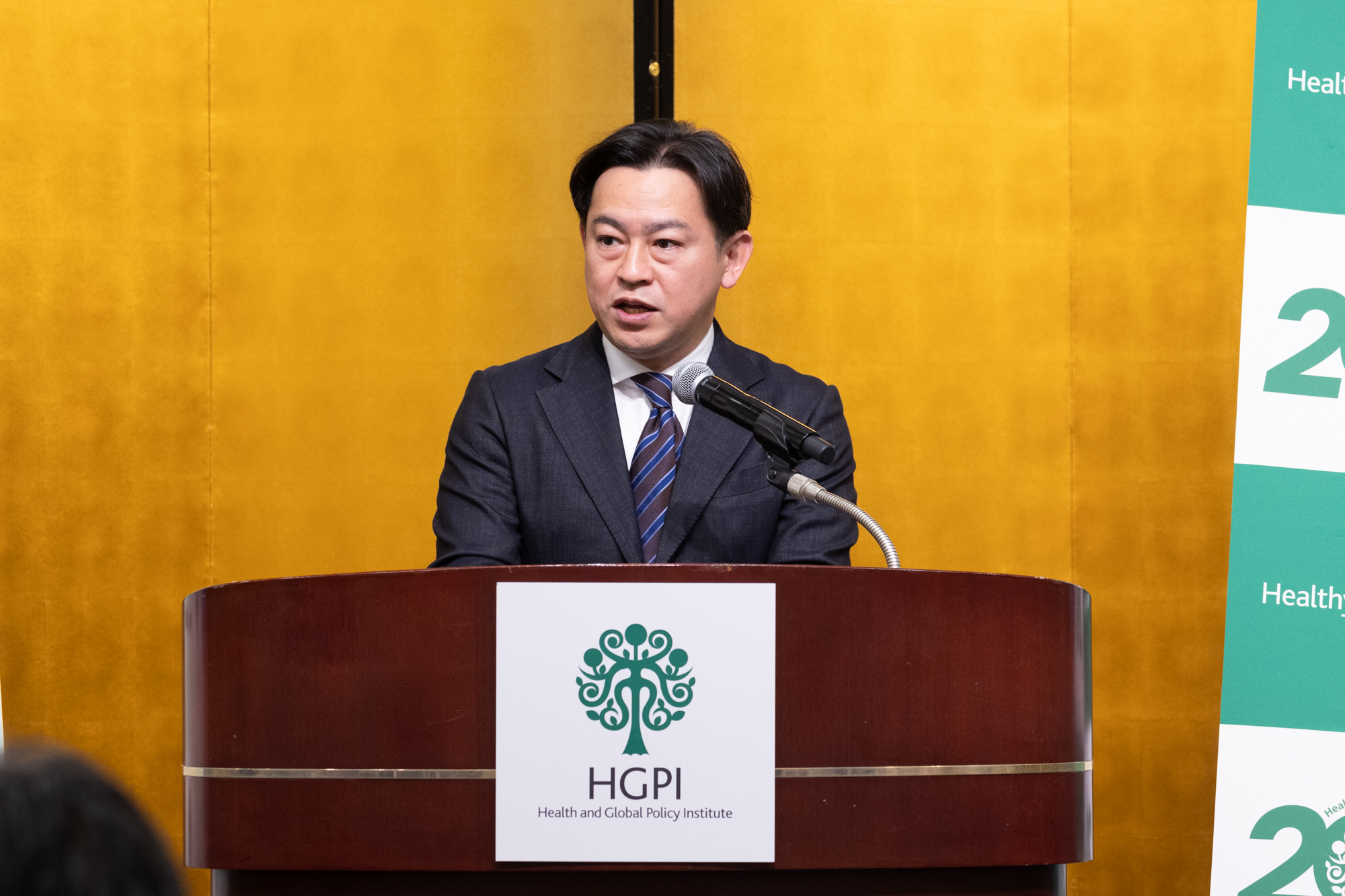 |
|||||||
| 12:25-12:35 | Explanatory introduction | |||||||
| Ryoji Noritake (Chair, Health and Global Policy Institute) | 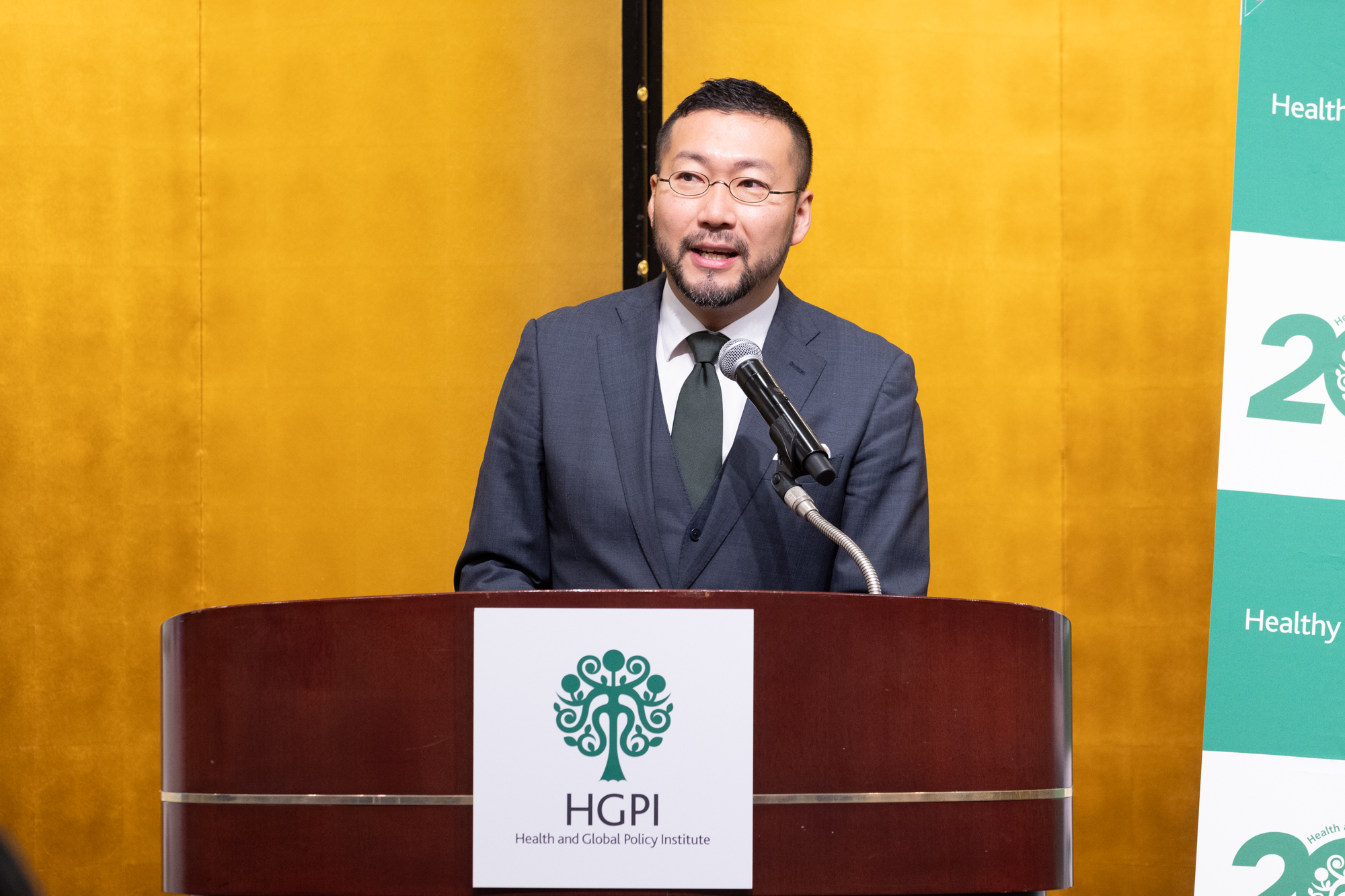 |
|||||||
| 12:35-12:55 | The 1st “Kiyoshi Kurokawa Award” Ceremony | |||||||
| Recipient: Renzo R. Guinto (Associate Professor, SingHealth Duke-NUS Global Health Institute (SDGHI), Duke-NUS Medical School, National University of Singapore) For more information, click here |
 |
|||||||
| 13:00-14:20 | Panel Discussion 1 “Demographic Transformation and the Future Structure of the Acute Care Provision System” | |||||||
| Panelists: Takao Aizawa (President, Japan Hospital Association) Ayano Kunimitsu (Member of the House of Representatives) Akinobu Taketomi (President, Japan Surgical Society) Kumiko Yoshikawa (Executive Officers, Japanese Nursing Association) Tsuyoshi Watanabe (President, Japanese Medical Specialty Board) Moderator: Eri Yoshimura (Senior Manager, Health and Global Policy Institute) |
 |
|||||||
|
||||||||
| 14:35-15:55 | Panel Discussion 2 “The Past and Future of Policymaking: Examining the Feasibility of Evidence-Based, Citizen-Centered Health Policy” | |||||||
| Panelists: Junko Kitanaka (Professor, Dept. of Human Sciences, Faculty of Letters / Graduate School of Human Relations, Keio University) Kazuya Sugitani (Lecturer, Faculty of Policy Studies, Iwate Prefectural University) Tatsuo Fujii (Professor, Institute for Liberal Arts, Institute of Science Tokyo) Miki Yamada (Former Member, House of Representatives/ Former State Minister of the Environment) Moderator: Shunichiro Kurita (Senior Manager, Health and Global Policy Institute) |
 |
|||||||
|
||||||||
| 15:55-16:00 | Closing Remarks | |||||||
| Kiyoshi Kurokawa (Honorary Chairman for Life, Health and Global Policy Institute) | 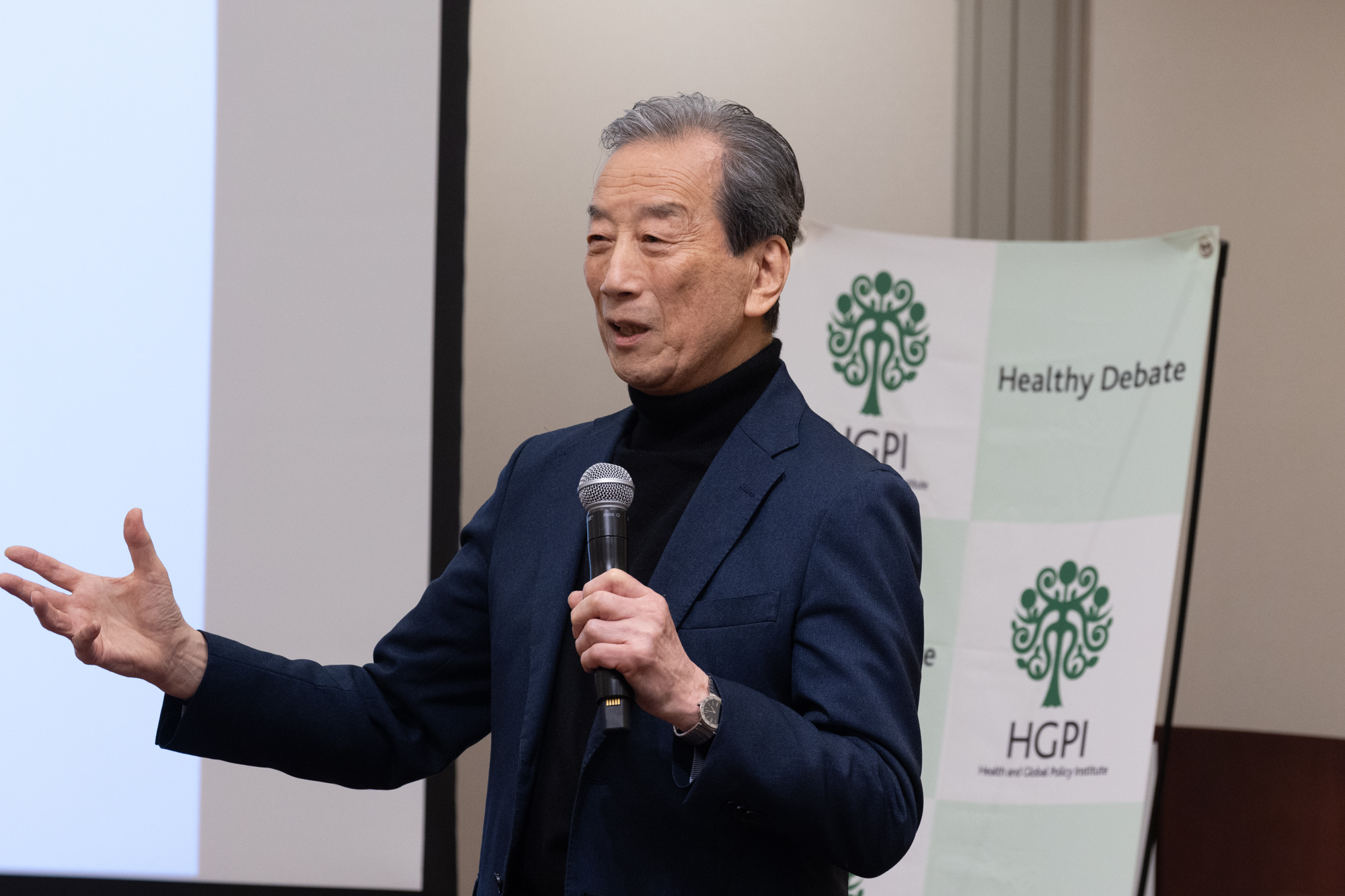 |
|||||||
|
||||||||
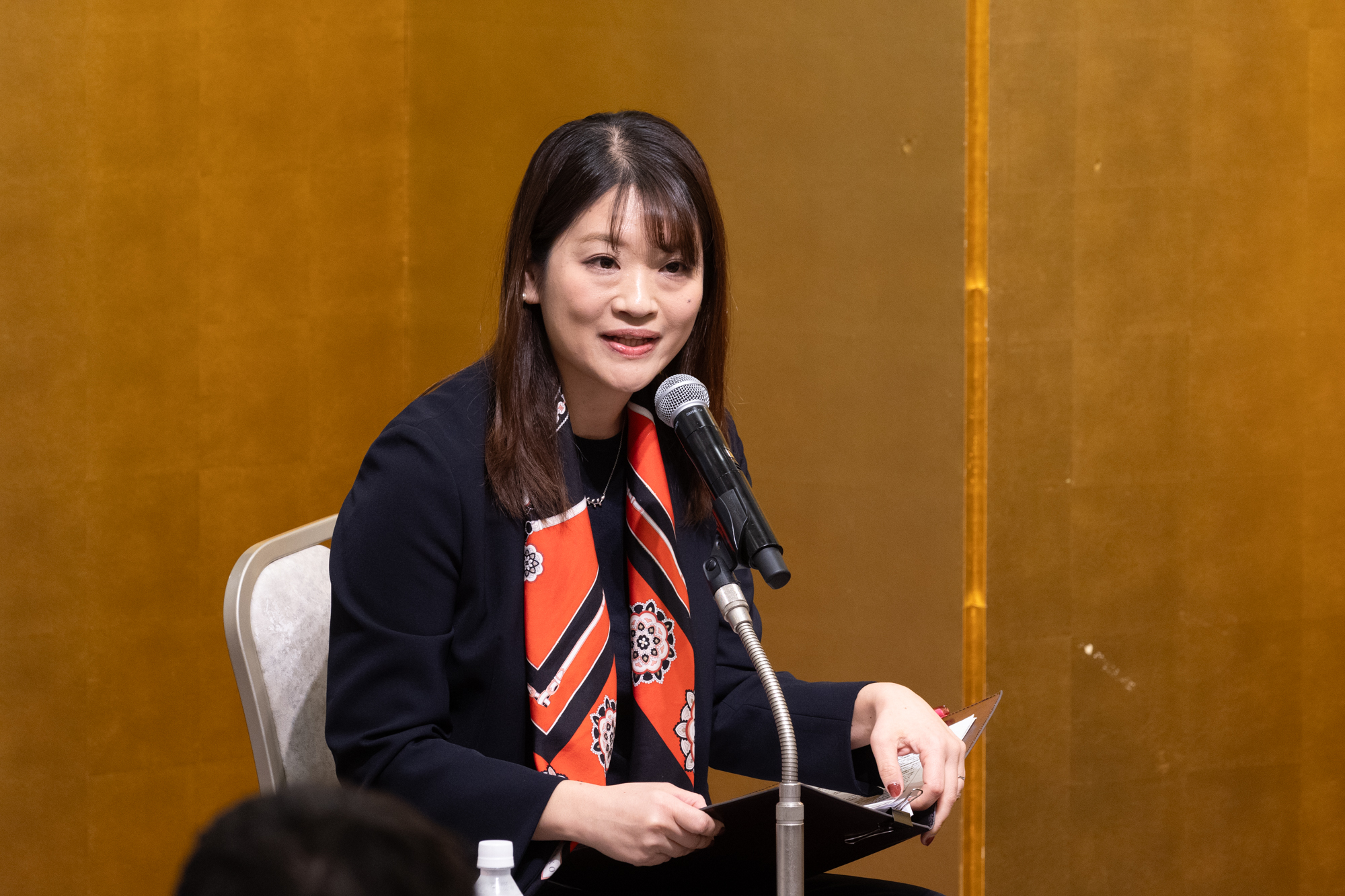
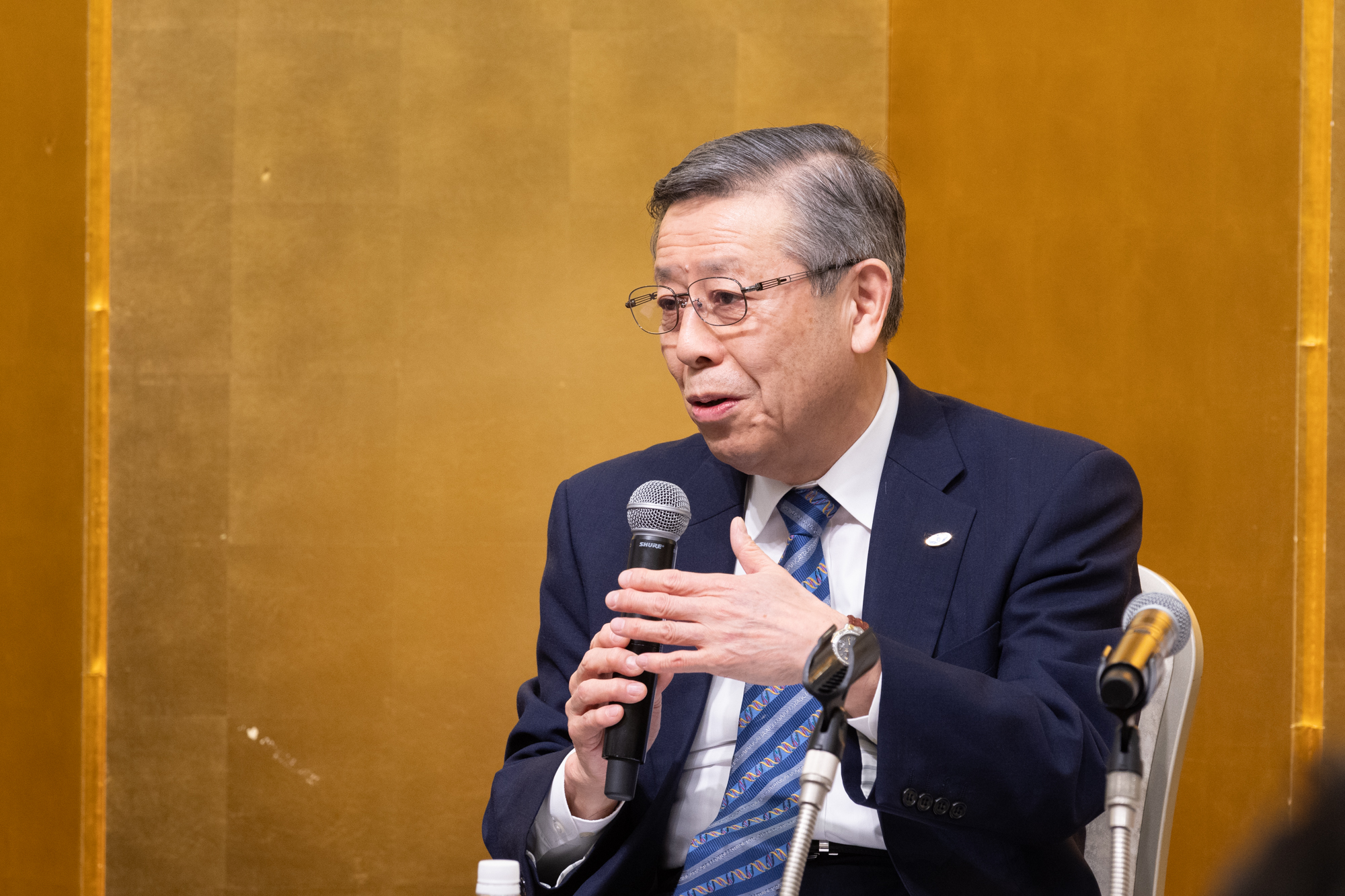
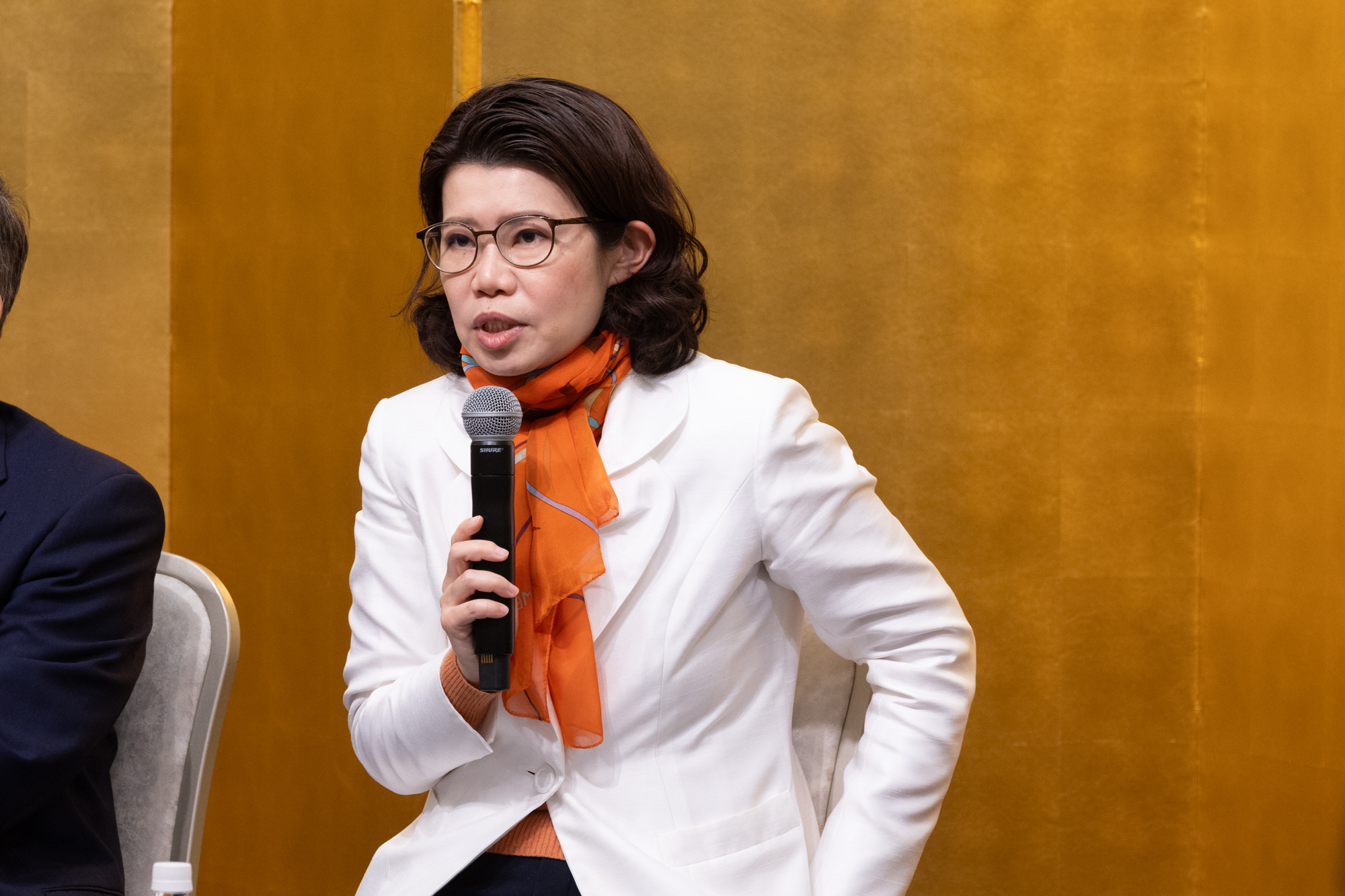
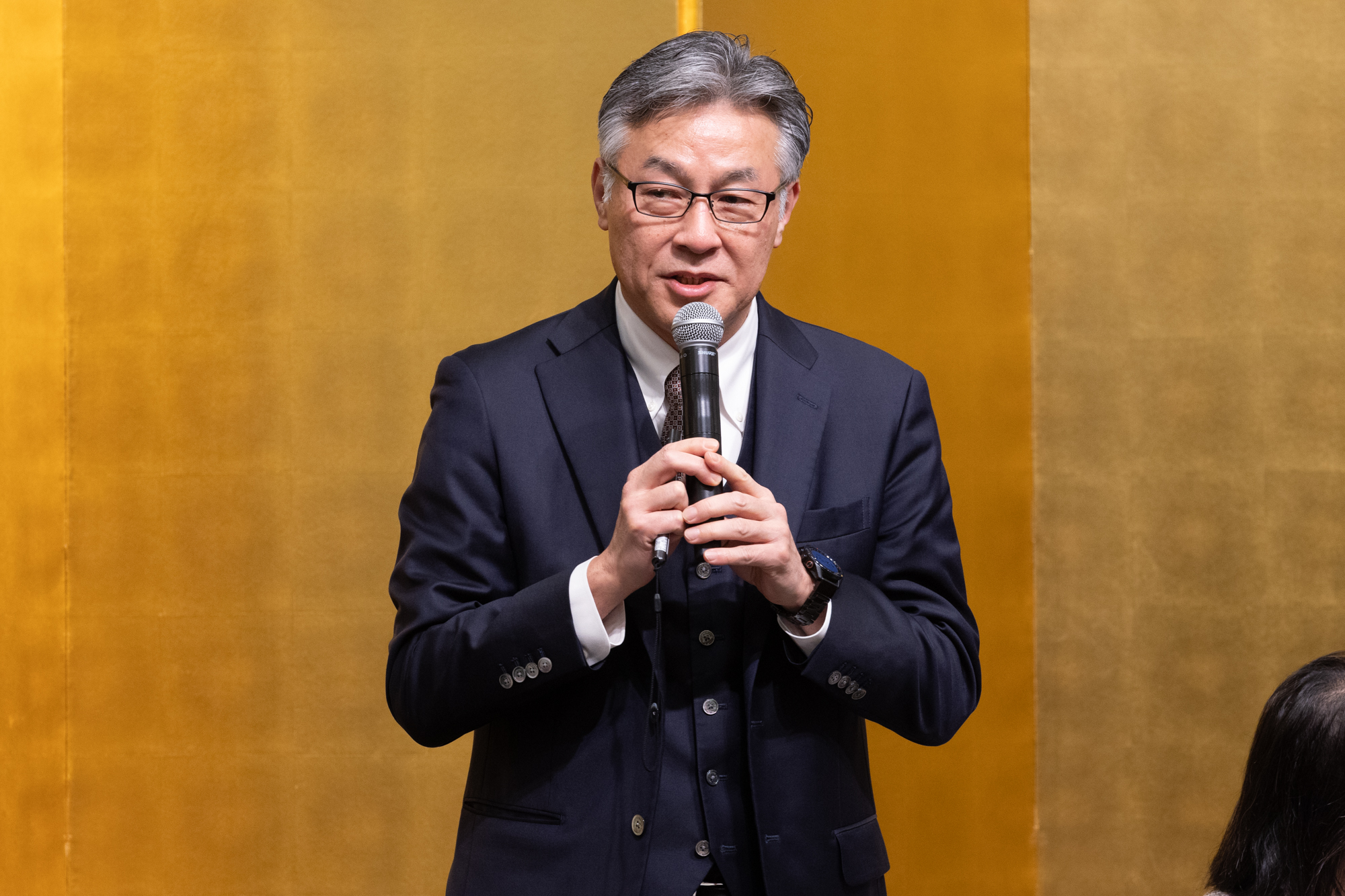
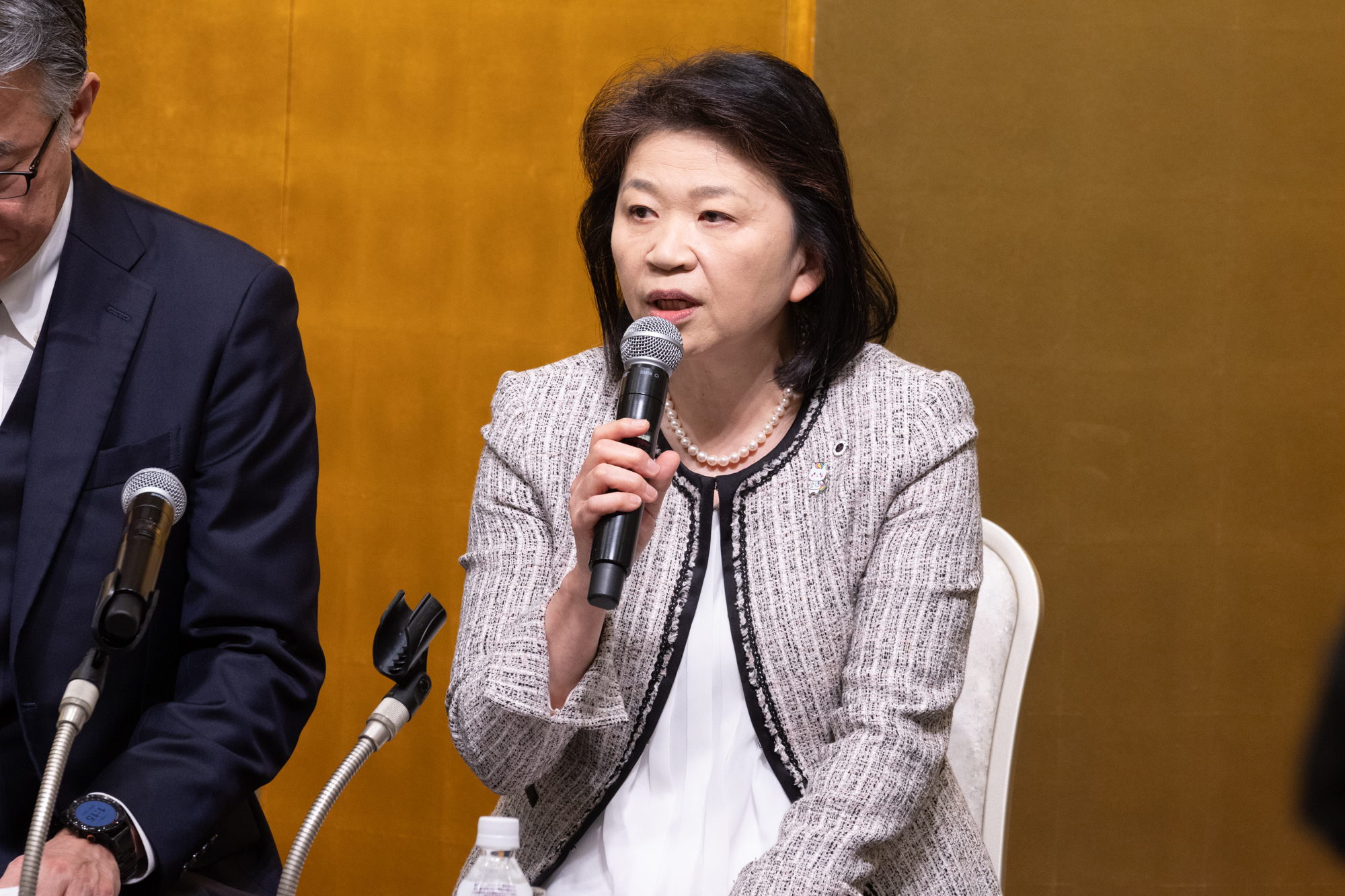
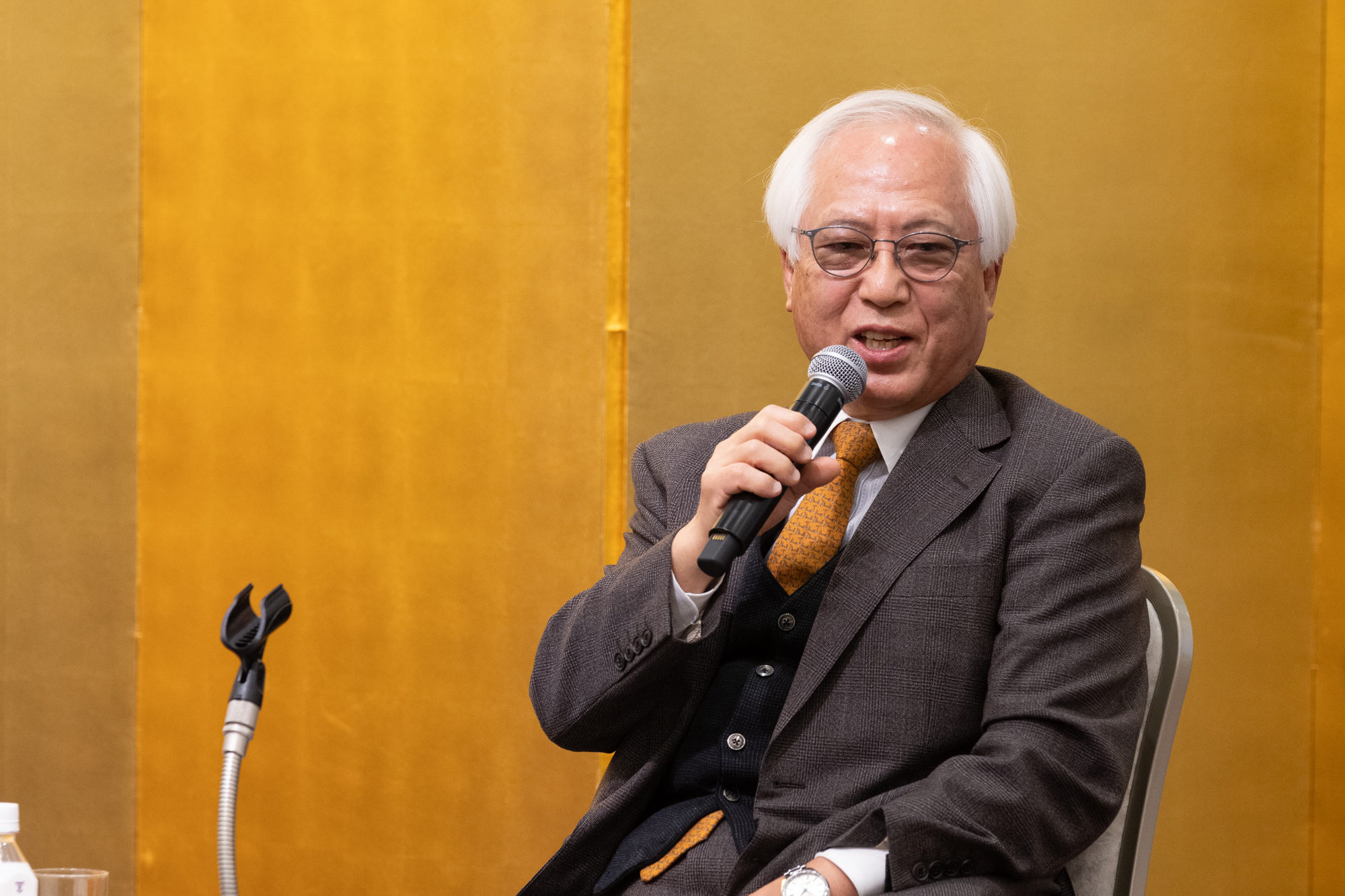
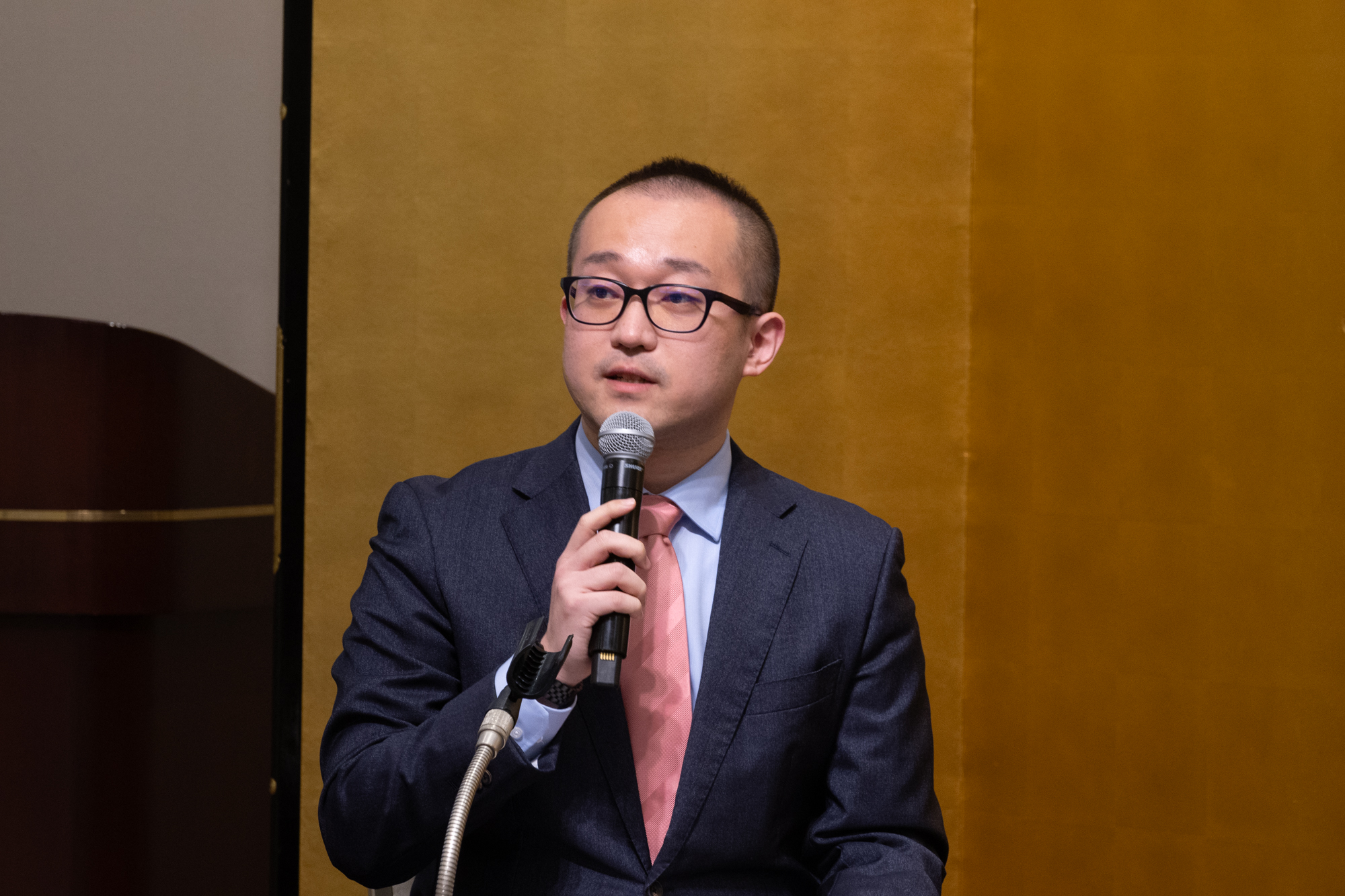
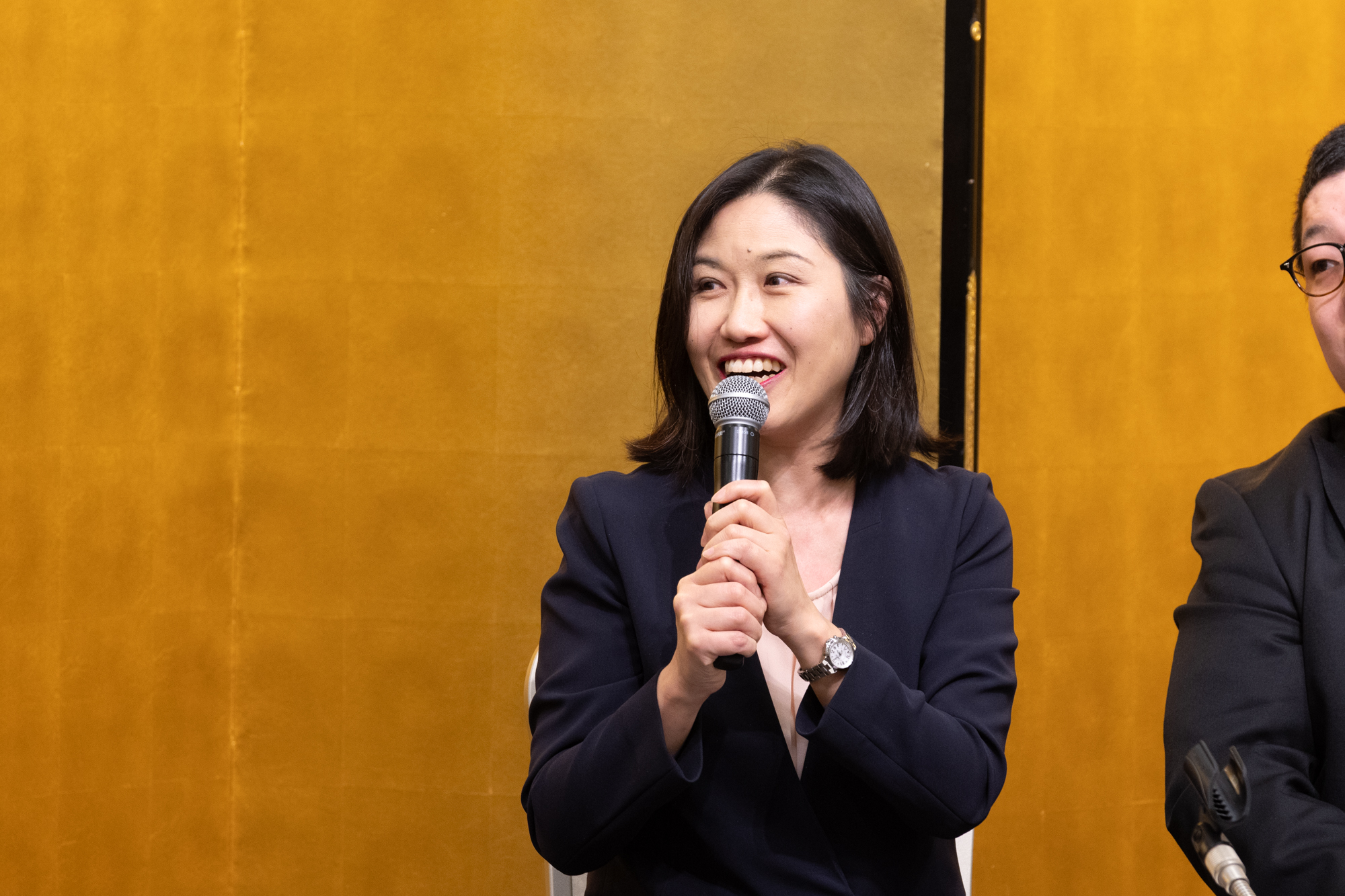

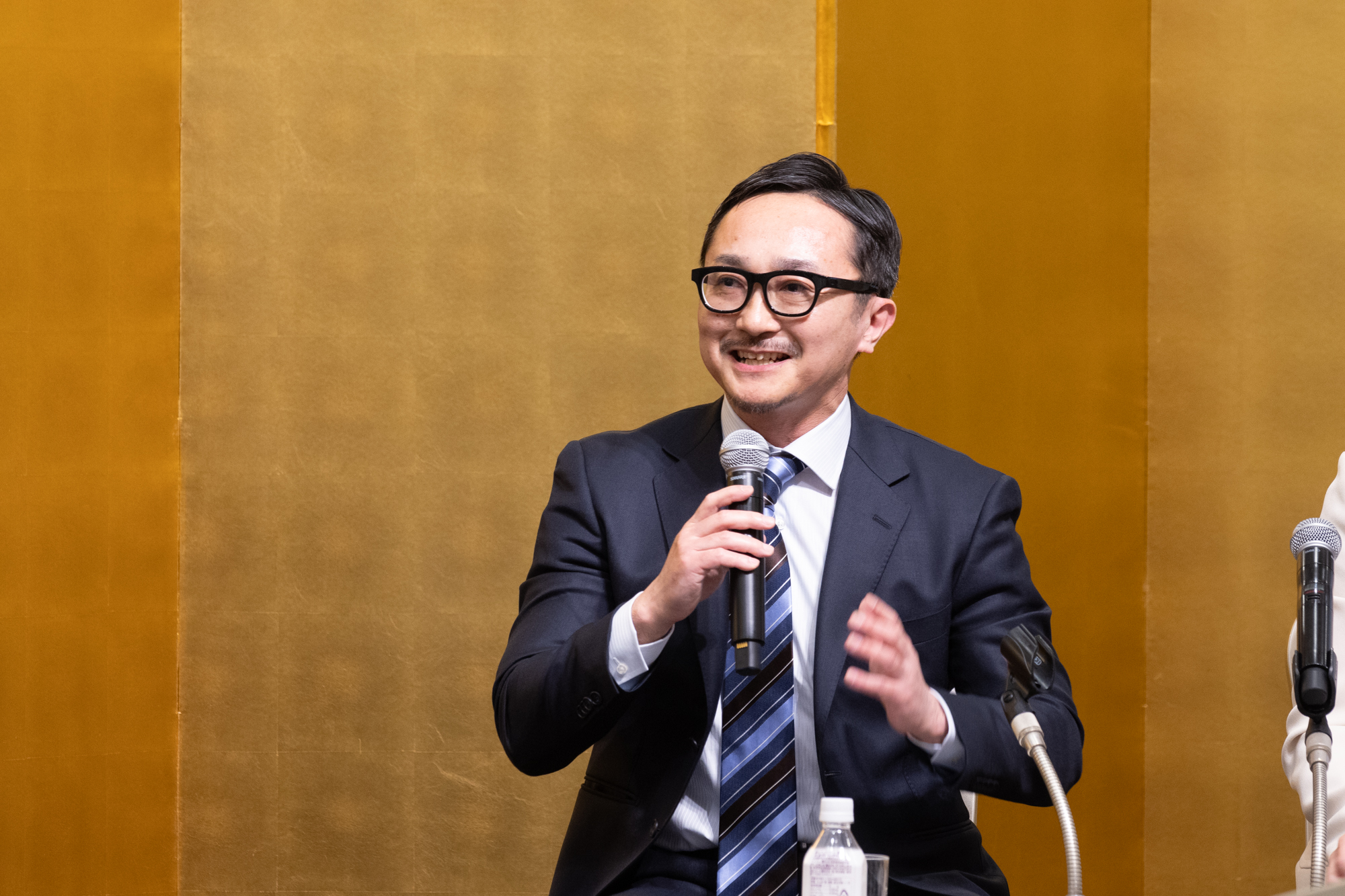
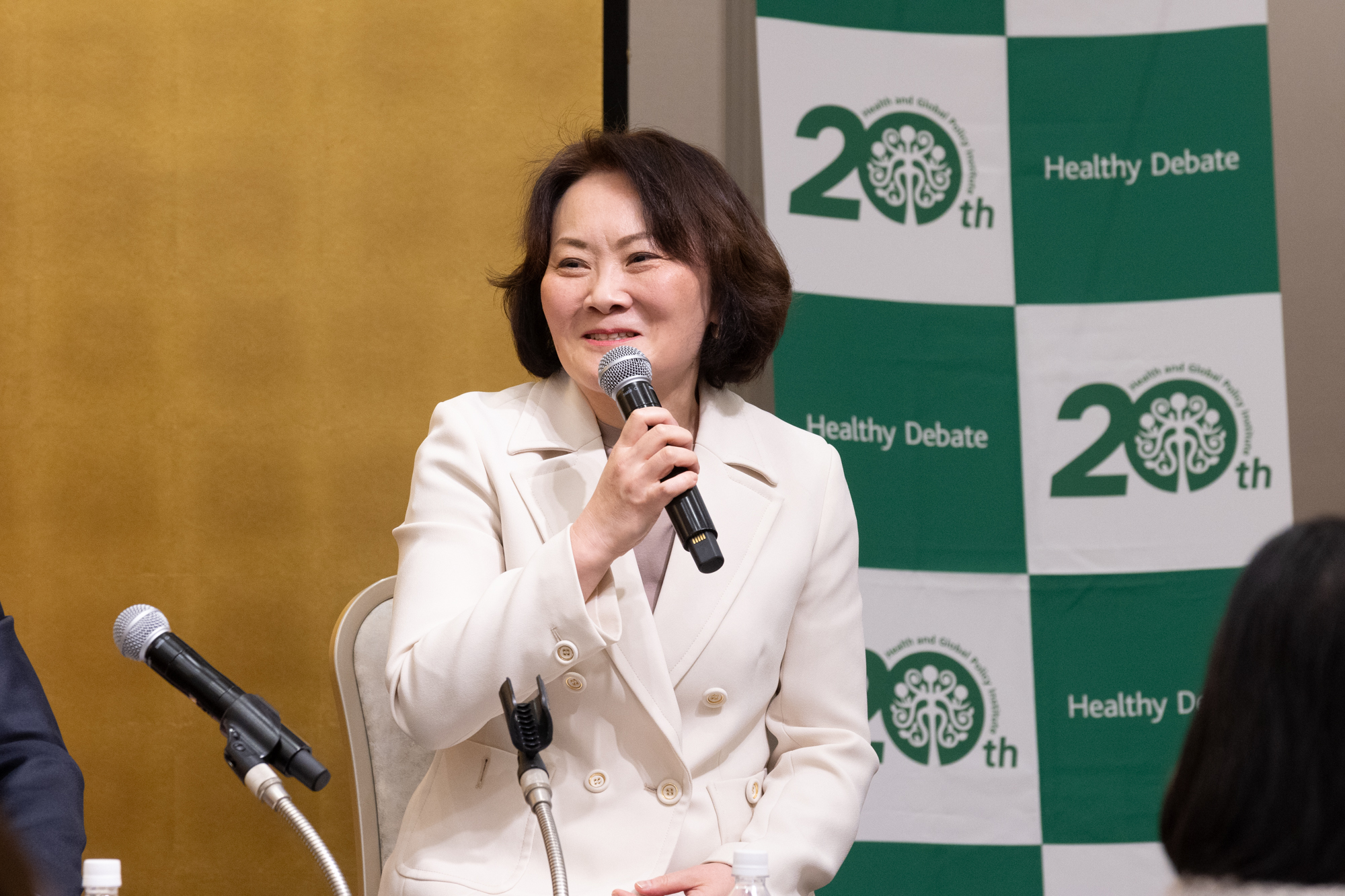

Host by: Health and Global Policy Institute (HGPI)
(Photographed by: Kazunori Izawa)
![[Event Report] The 20th Anniversary of HGPI “Health Policy Summit 2025”](/assets/img/katsudo/icon_pdf_l.png)
Related Posts
-

2025-02-01
[Announcement] Announcement of the 1st Kiyoshi Kurokawa Award Recipient
-
2023-04-03
[Event Report] Health Policy Summit 2023 (February 18, 2023)
-
2021-08-24
[Event Report] Health Policy Summit 2021 (May 22, 2021)
-
2019-08-09
[Report and Recommendations] Health Policy Summit 2019 (February 23, 2019)
-
2017-02-22
[Event Report] Health Policy Summit 2017
Top Research & Recommendations Posts
Featured Posts
-
2026-05-18
[Registration Closed] Kick-off Panel Discussion “From Africa and Japan, Drawing from Perspectives Around the World:A Platform for Cultivating a Philosophical Health Dialogue Together” (June 15, 2026)
![[Registration Closed] Kick-off Panel Discussion “From Africa and Japan, Drawing from Perspectives Around the World:A Platform for Cultivating a Philosophical Health Dialogue Together” (June 15, 2026)](https://hgpi.org/en/wp-content/uploads/sites/2/HGPI_20260615_Eyecathch_panel-discussion-From-Japan-and-Africa-in-Discussion-with-the-World_2.png)
-
2026-08-28
[Announcement] The 3rd Kiyoshi Kurokawa Award: Call for Nominations (Deadline: November 30, 2026)
![[Announcement] The 3rd Kiyoshi Kurokawa Award: Call for Nominations (Deadline: November 30, 2026)](https://hgpi.org/en/wp-content/uploads/sites/2/Kiyoshi-Kurokawa-Award_3rd_nominations_eyecatch_caseB_ENG_web_20260929_v0.5.jpg)
-
2026-09-01
[Registration Closed] HGPI Salon 2025-2026 Looking Ahead to the Future of Japan’s Social Security System “Session 6: Japan’s Health Policy through the Lens of Global Security” (October 13, 2026)
![[Registration Closed] HGPI Salon 2025-2026 Looking Ahead to the Future of Japan’s Social Security System “Session 6: Japan’s Health Policy through the Lens of Global Security” (October 13, 2026)](https://hgpi.org/en/wp-content/uploads/sites/2/HGPISalon2025-20266.png)
-
2026-09-17
[Registration Open] (Webinar) The 145th HGPI Seminar “Toward Better AMR Measures at Elderly Care Facilities—Considering Infectious Disease Control in a Super-Aged Society From a Policy Perspective” (October 27, 2026)
![[Registration Open] (Webinar) The 145th HGPI Seminar “Toward Better AMR Measures at Elderly Care Facilities—Considering Infectious Disease Control in a Super-Aged Society From a Policy Perspective” (October 27, 2026)](https://hgpi.org/en/wp-content/uploads/sites/2/HGPIseminar145.png)
-
2026-10-06
[Registration Open] (Webinar) The 146th HGPI Seminar “How We Can Build a Society That Supports Choices Around Organ Donation: Exploring Decision-Making by Citizens and a Multi-Layered Approach Through Strategic Social Marketing” (November 9, 2026)
![[Registration Open] (Webinar) The 146th HGPI Seminar “How We Can Build a Society That Supports Choices Around Organ Donation: Exploring Decision-Making by Citizens and a Multi-Layered Approach Through Strategic Social Marketing” (November 9, 2026)](https://hgpi.org/en/wp-content/uploads/sites/2/HGPI_20261001_Eyecatch_HGPIseminer-146th-1.png)
