


[Recommendations] Developing and Expanding Cardiovascular Disease Control Plans in Each Prefecture – Challenges and Good Examples for Cardiovascular Disease Control Addendum (May 30, 2024)
date : 5/30/2024
Tags: Cardiovascular Diseases, NCDs

![[Recommendations] Developing and Expanding Cardiovascular Disease Control Plans in Each Prefecture – Challenges and Good Examples for Cardiovascular Disease Control Addendum (May 30, 2024)](https://hgpi.org/en/wp-content/uploads/sites/2/ncd-cvd-20240530-top_ENG.png)
The Health and Global Policy Institute (HGPI) Cardiovascular Disease Control Promotion Project formulated policy recommendations titled, “Developing and Expanding Cardiovascular Disease Control Plans in Each Prefecture – Challenges and Good Examples for Cardiovascular Disease Control Addendum.”
For details, please view the PDF provided bottom.
■ Background to the creation of this addendum and its objectives
In Japan, cardiovascular diseases (CVDs) like stroke and heart disease are leading causes of death and the most common conditions that require long-term care. To advance all varieties of CVD control measures, Japan enacted the “Basic Act on Countermeasures for Stroke, Heart Disease and Other CVDs to Extend Healthy Life Expectancies” (or the “Basic Act on CVD Measures”) in December 2018. Later, the Japanese National Plan for Promotion of Measures Against Cerebrovascular and Cardiovascular Disease was formulated in accordance with that Act and approved by Cabinet Decision in October 2020. Under the National Plan, each prefectural government formulated a Prefectural Plan for the Promotion of CVD Countermeasures (referred to as “Prefectural Plans” below) and is now advancing efforts to promote CVD control. While Japan has laid the groundwork to further advance CVD control measures, the Basic Act and the Basic Plan only outline general principles and goals. Expectations are now growing for the national Government and prefectural governments to make concrete progress on these measures and expand them in the future. Given this context, in the latter half of 2021, Health and Global Policy Institute (HGPI) launched the three-year Cardiovascular Disease Control Promotion Project to provide strong backing to the formulation of Prefectural Plans. Looking back on the first two years of this project, in its first year, we set a direction and compiled perspectives for considering CVD control in policy recommendations, and in its second year, we gathered knowledge and identified methodologies for implementing CVD control in prefectures in accordance with those perspectives. In response to the Second Phase of the Basic Plan, which came into effect after a revision in April 2023, in the second year of our activities, this project worked to identify issues that must be addressed for the formulation of phase two Prefectural Plans, with our main focus on measures at prefectural governments. As of the time of writing, in April 2024, all prefectures are now in the final stages of reviewing their respective plans. At this stage, they will clarify the roles of each stakeholder and proceed with the actual introduction of countermeasures. Given these circumstances, to drive concrete progress in CVD control, activities for year three of the HGPI CVD Control Promotion Project have included sharing approaches, perspectives, and implementation strategies and methodologies we have accumulated thus far through opinion exchanges with prefectural officials and council members. In the course of those discussions, government officials and collaborators from academia provided us with new knowledge that was not fully captured in the recommendations presented in our project’s second year. For this reason, we compiled this addendum describing each stakeholders’ roles in the future implementation of CVD control measures. It is our sincere hope that these recommendations can once again be shared with and utilized by all related parties to contribute to steady future progress in CVD control.
![[Recommendations] Developing and Expanding Cardiovascular Disease Control Plans in Each Prefecture – Challenges and Good Examples for Cardiovascular Disease Control Addendum](/assets/img/katsudo/icon_pdf_l.png)
Related Posts
-
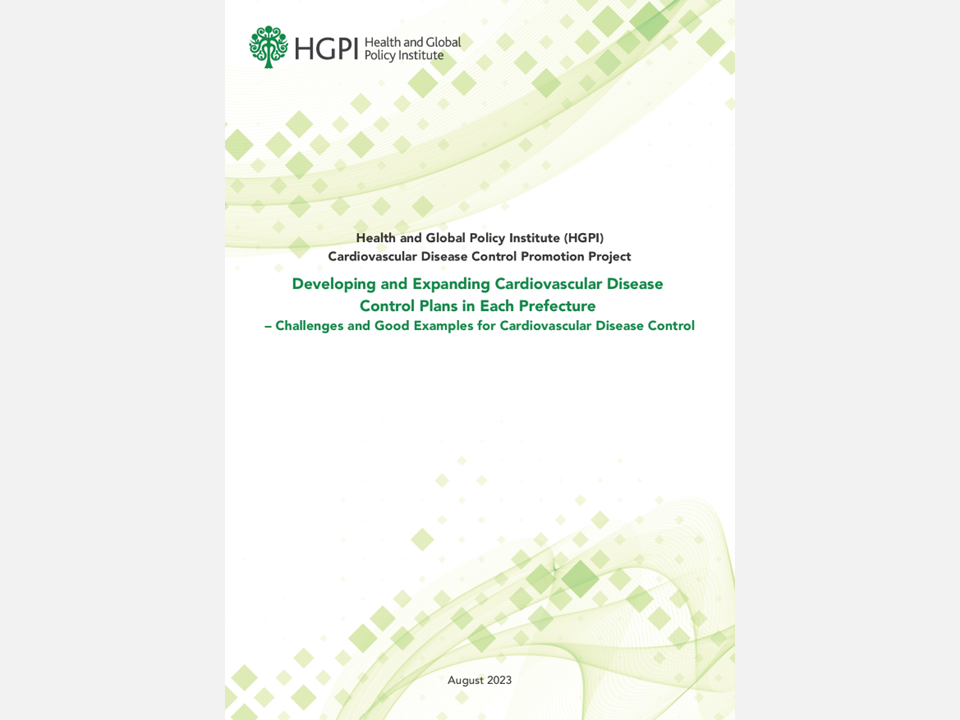
2023-09-07
[Publication Report] Developing and Expanding Cardiovascular Disease Control Plans in Each Prefecture – Challenges and Good Examples for Cardiovascular Disease Control (September 7, 2023)
-
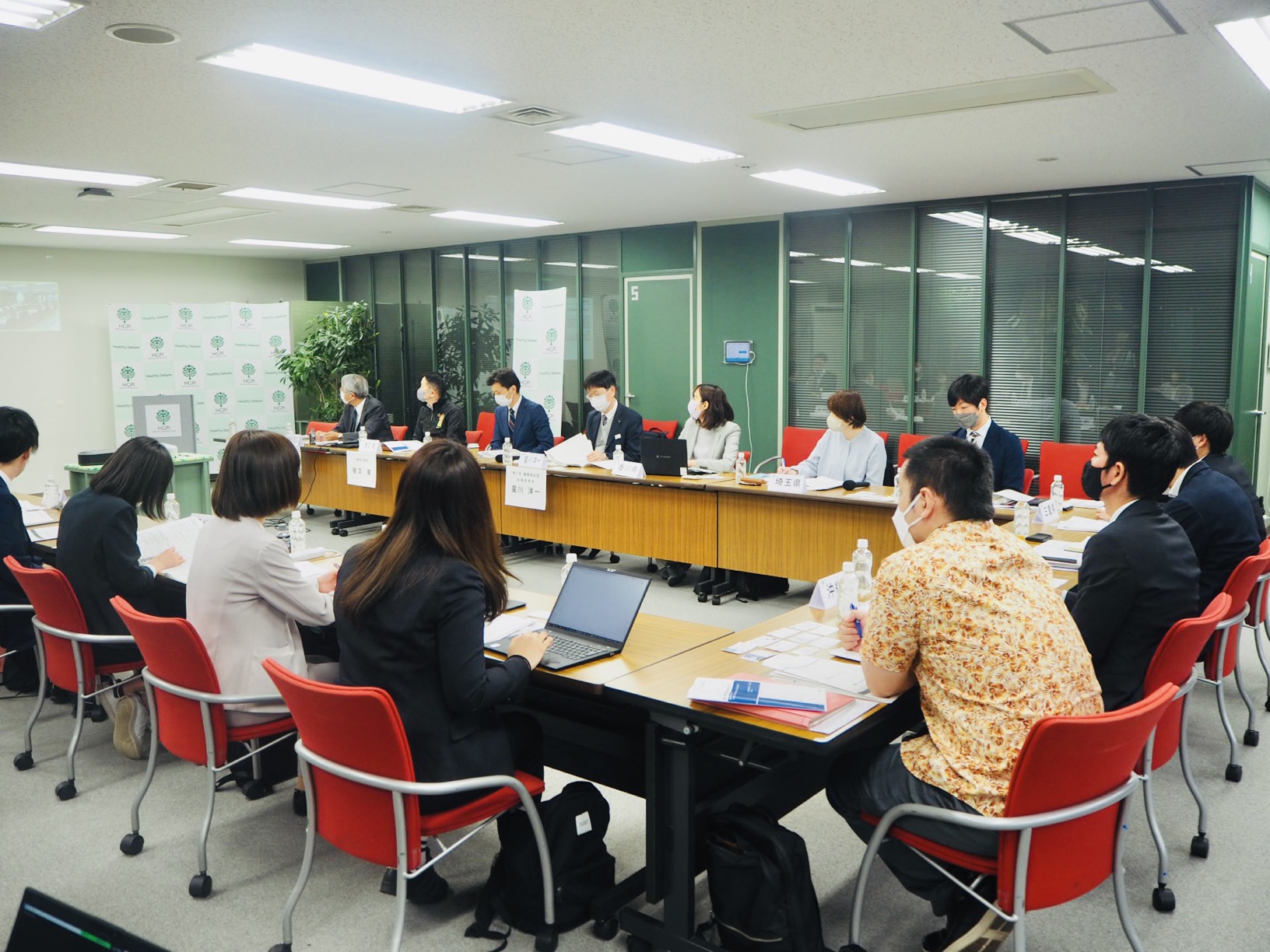
2023-05-29
[Event Report] The Cardiovascular Disease Control Promotion Project “Nationwide Summit for Promoting CVD Control” (April 25, 2023)
-
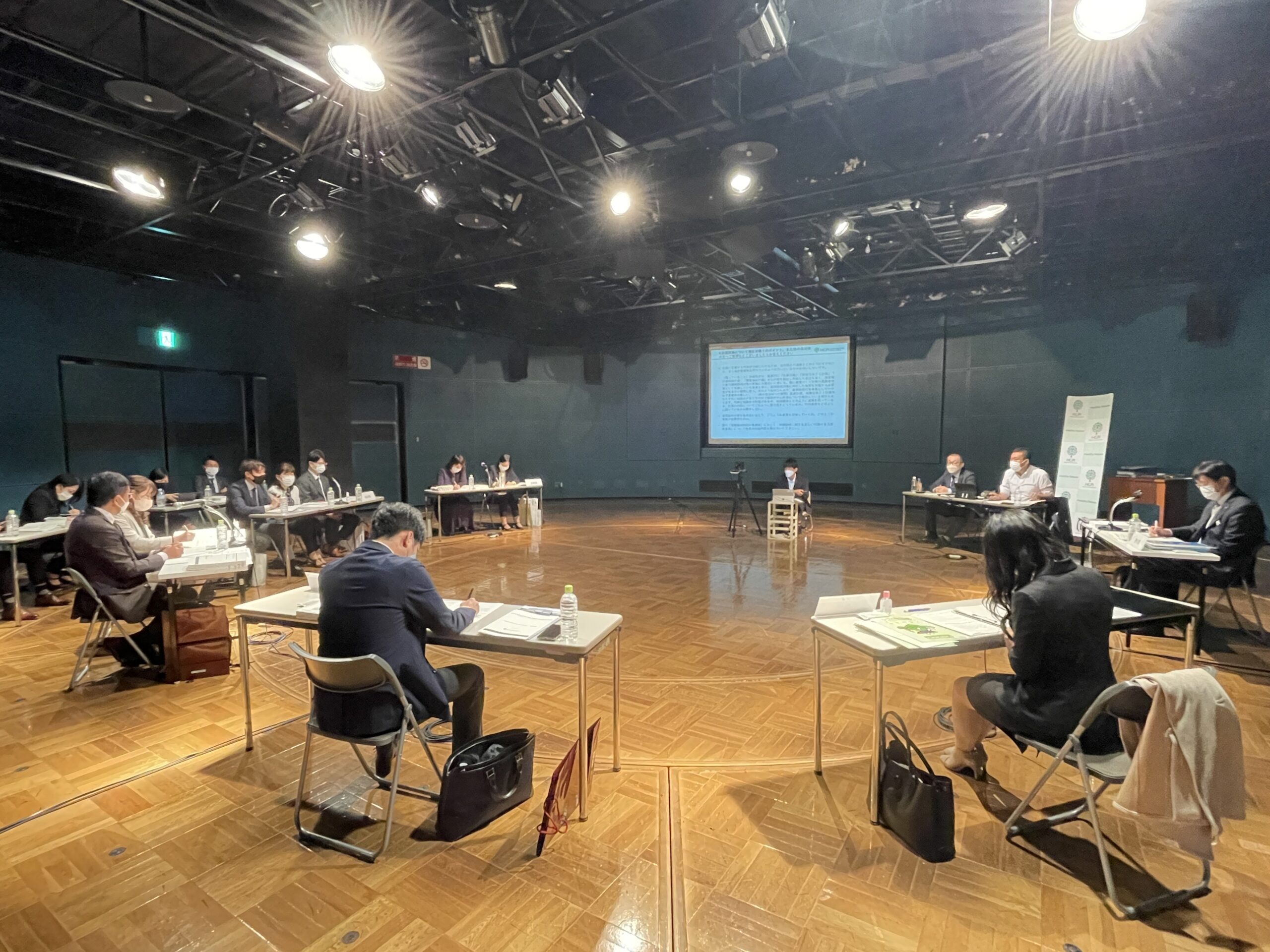
2023-03-15
[Event Report] The Cardiovascular Disease Control Promotion Project, Phase 2. “Current Issues and Prospects for Advancing Cardiovascular Disease Control Promotion Plans in Each Prefecture” (March 15, 2023)
-
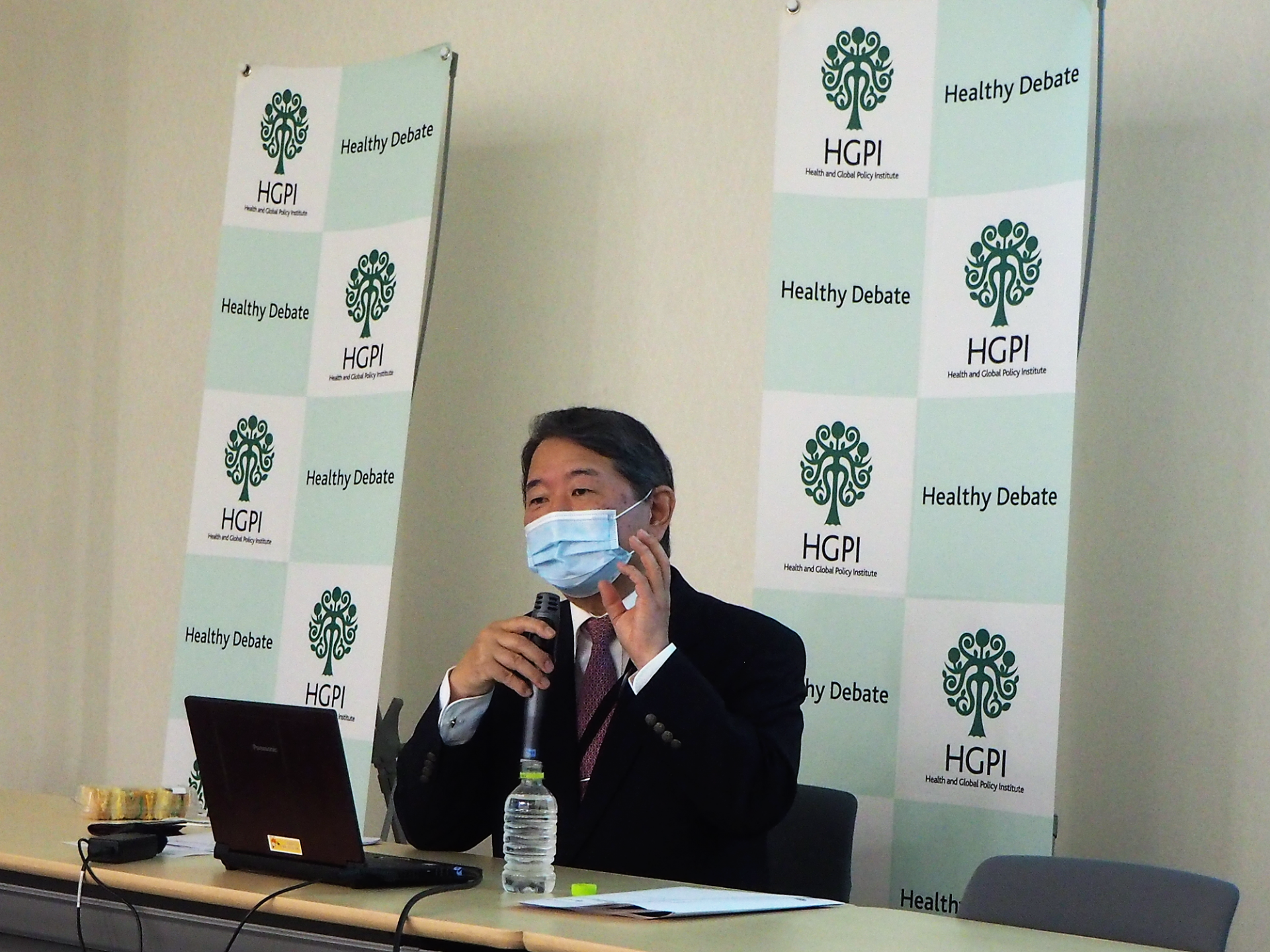
2022-07-14
[Event Report] Non-partisan Diet Member Briefing – 30-minute Health Policy Update “The Latest on Cardiovascular Disease Control and Voices From the Frontline – Circumstances Since the Basic Act and Best Practices from Communities and Regions” (June 8, 2022)
-
2022-04-27
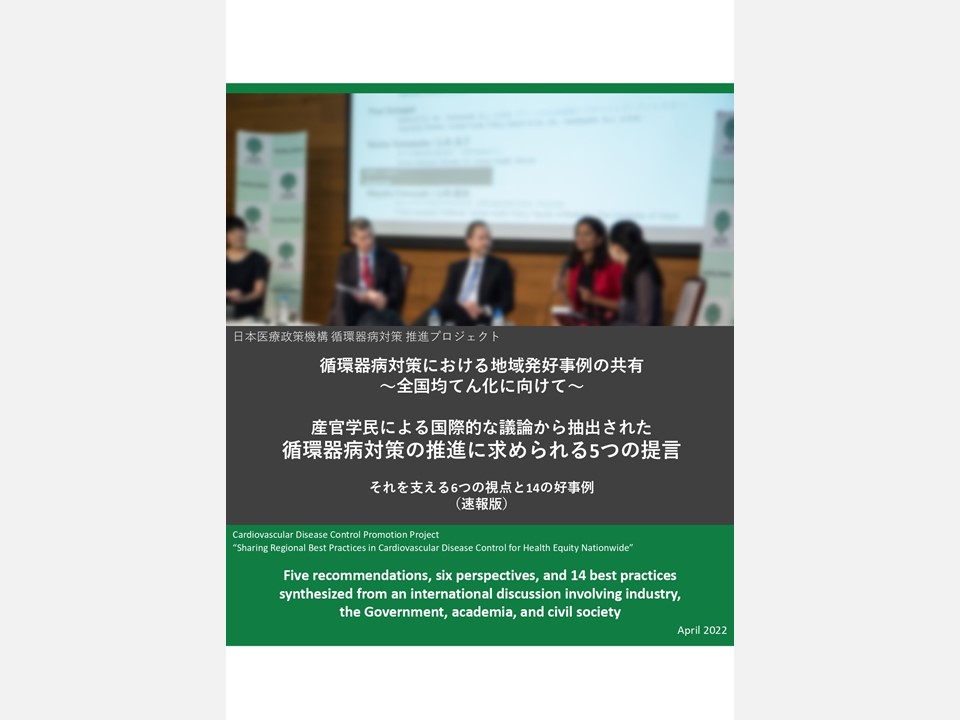
[Recommendations] The HGPI Cardiovascular Disease Control Promotion Project - Five Recommendations for Advancing CVD Control With Six Supporting Perspectives and 14 Best Practices Extracted from Global Discussions With Industry, Government, Academia, and Civil Society (April 27, 2022)
-
2024-04-18
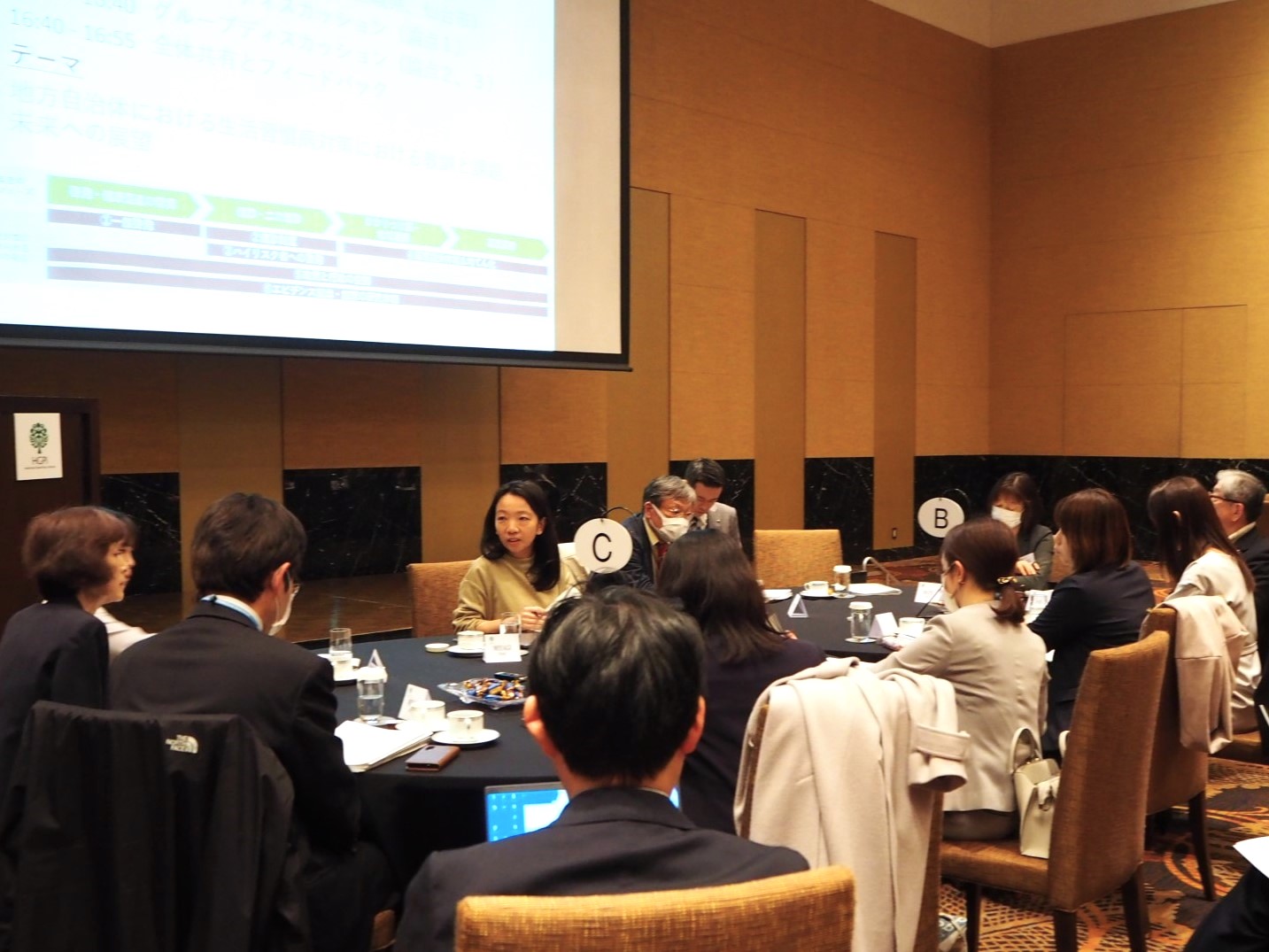
[Event Report] NCDs-related Cross-project Meeting: The 2nd Meeting on Non-Communicable Disease in Hokkaido and Tohoku (March 15, 2024)
-
2024-01-30
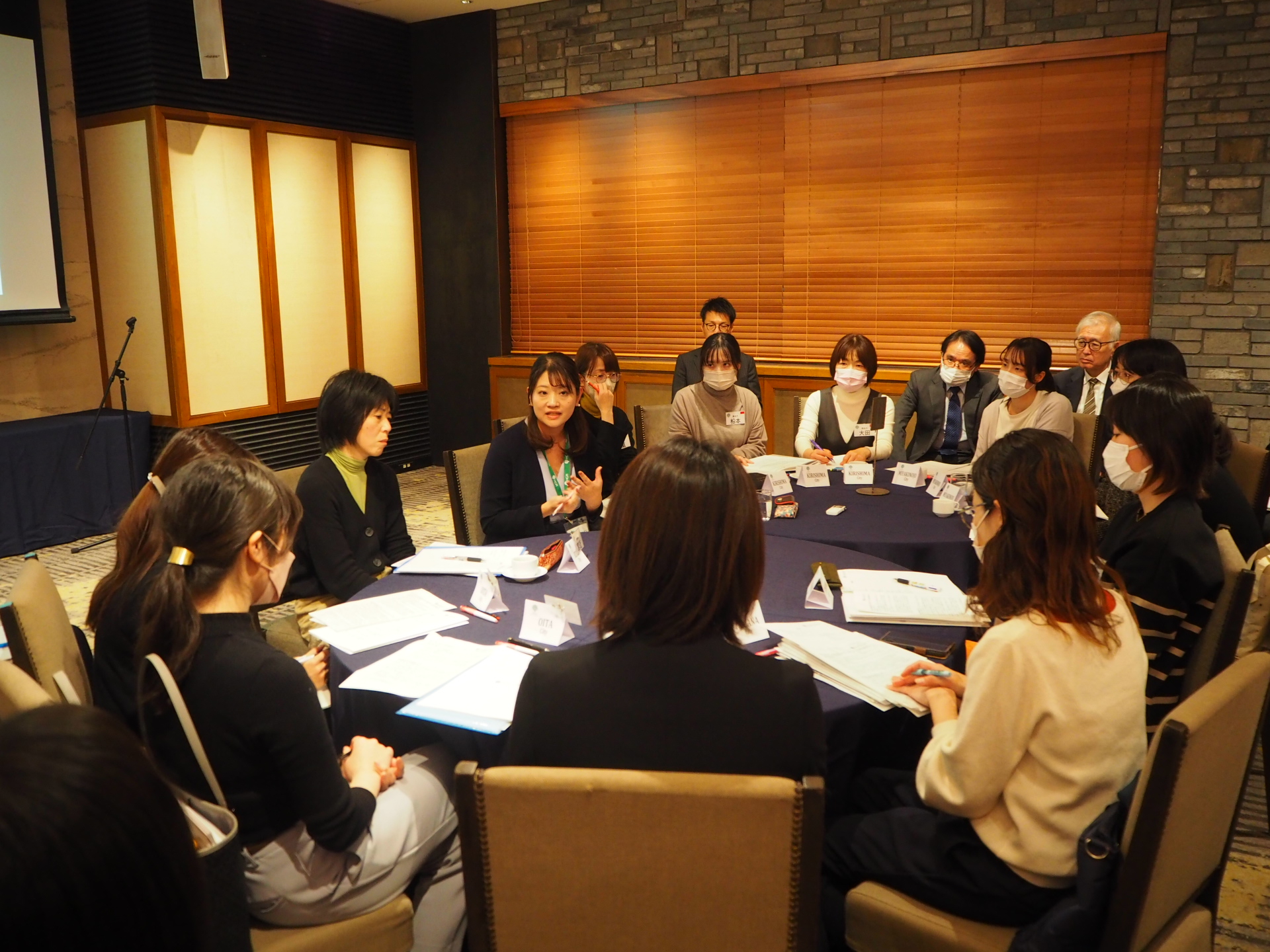
[Event Report] NCDs-related Cross-project Meeting: the 1st NCDs Meeting in Kyushu (December 7, 2023)
Top Research & Recommendations Posts
Featured Posts
-
2026-05-18
[Registration Closed] Kick-off Panel Discussion “From Africa and Japan, Drawing from Perspectives Around the World:A Platform for Cultivating a Philosophical Health Dialogue Together” (June 15, 2026)
![[Registration Closed] Kick-off Panel Discussion “From Africa and Japan, Drawing from Perspectives Around the World:A Platform for Cultivating a Philosophical Health Dialogue Together” (June 15, 2026)](https://hgpi.org/en/wp-content/uploads/sites/2/HGPI_20260615_Eyecathch_panel-discussion-From-Japan-and-Africa-in-Discussion-with-the-World_2.png)
-
2026-08-28
[Announcement] The 3rd Kiyoshi Kurokawa Award: Call for Nominations (Deadline: November 30, 2026)
![[Announcement] The 3rd Kiyoshi Kurokawa Award: Call for Nominations (Deadline: November 30, 2026)](https://hgpi.org/en/wp-content/uploads/sites/2/Kiyoshi-Kurokawa-Award_3rd_nominations_eyecatch_caseB_ENG_web_20260929_v0.5.jpg)
-
2026-09-01
[Registration Closed] HGPI Salon 2025-2026 Looking Ahead to the Future of Japan’s Social Security System “Session 6: Japan’s Health Policy through the Lens of Global Security” (October 13, 2026)
![[Registration Closed] HGPI Salon 2025-2026 Looking Ahead to the Future of Japan’s Social Security System “Session 6: Japan’s Health Policy through the Lens of Global Security” (October 13, 2026)](https://hgpi.org/en/wp-content/uploads/sites/2/HGPISalon2025-20266.png)
-
2026-09-17
[Registration Open] (Webinar) The 145th HGPI Seminar “Toward Better AMR Measures at Elderly Care Facilities—Considering Infectious Disease Control in a Super-Aged Society From a Policy Perspective” (October 27, 2026)
![[Registration Open] (Webinar) The 145th HGPI Seminar “Toward Better AMR Measures at Elderly Care Facilities—Considering Infectious Disease Control in a Super-Aged Society From a Policy Perspective” (October 27, 2026)](https://hgpi.org/en/wp-content/uploads/sites/2/HGPIseminar145.png)
-
2026-10-06
[Registration Open] (Webinar) The 146th HGPI Seminar “How We Can Build a Society That Supports Choices Around Organ Donation: Exploring Decision-Making by Citizens and a Multi-Layered Approach Through Strategic Social Marketing” (November 9, 2026)
![[Registration Open] (Webinar) The 146th HGPI Seminar “How We Can Build a Society That Supports Choices Around Organ Donation: Exploring Decision-Making by Citizens and a Multi-Layered Approach Through Strategic Social Marketing” (November 9, 2026)](https://hgpi.org/en/wp-content/uploads/sites/2/HGPI_20261001_Eyecatch_HGPIseminer-146th-1.png)
