


[Event Report] Meaningful Involvement Promotion Project Urgent Symposium “The New Takaichi Administration and Central Social Insurance Medical Council Reform – Ensuring Patients’ Voices are Heard” (January 22, 2026)
date : 3/5/2026

![[Event Report] Meaningful Involvement Promotion Project Urgent Symposium “The New Takaichi Administration and Central Social Insurance Medical Council Reform – Ensuring Patients’ Voices are Heard” (January 22, 2026)](https://hgpi.org/en/wp-content/uploads/sites/2/IMG_5310-scaled-1.jpeg)
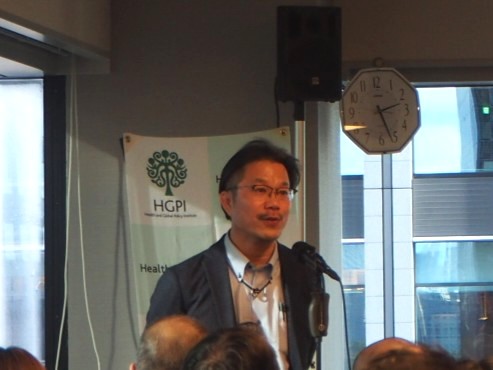
Ahead of the start of full-scale discussions on reform of the Central Social Insurance Medical Council (CSIMC), Health and Global Policy Institute (HGPI) hosted an urgent symposium to examine the significance of meaningful involvement of people with lived experience of health concerns and those close to them at CSIMC and other deliberation bodies, specific methods of involvement, and how the involvement of these parties is to be positioned.
The new coalition government formed by the Liberal Democratic Party and the Japan Innovation Party on October 20, 2025 has identified social security reform as a key policy topic. The inclusion of “reform of the Central Social Insurance Medical Council to strengthen the functions of hospitals and drug discovery, to reflect the voices of patients, and to implement data-based institutional designs” in their Coalition Agreement is highly noteworthy for the future of the health policy decision-making process. While CSIMC holds a great amount of influence over medical service fee and drug price revisions as a deliberation body under the Ministry of Health, Labour and Welfare (MHLW), the existing system does not specifically require the inclusion of “patient council members” on that council, so expectations for future reform are high.
Given this backdrop and keeping the new administration’s desired direction for CSIMC in view, this urgent symposium examined a broad range of perspectives, centered on three discussion points:
- Achieving meaningful involvement for patients and others with lived experience through CSIMC
- Delivering and reflecting the voices of the public in policy
- The ideal mechanisms and selection processes for ensuring meaningful involvement
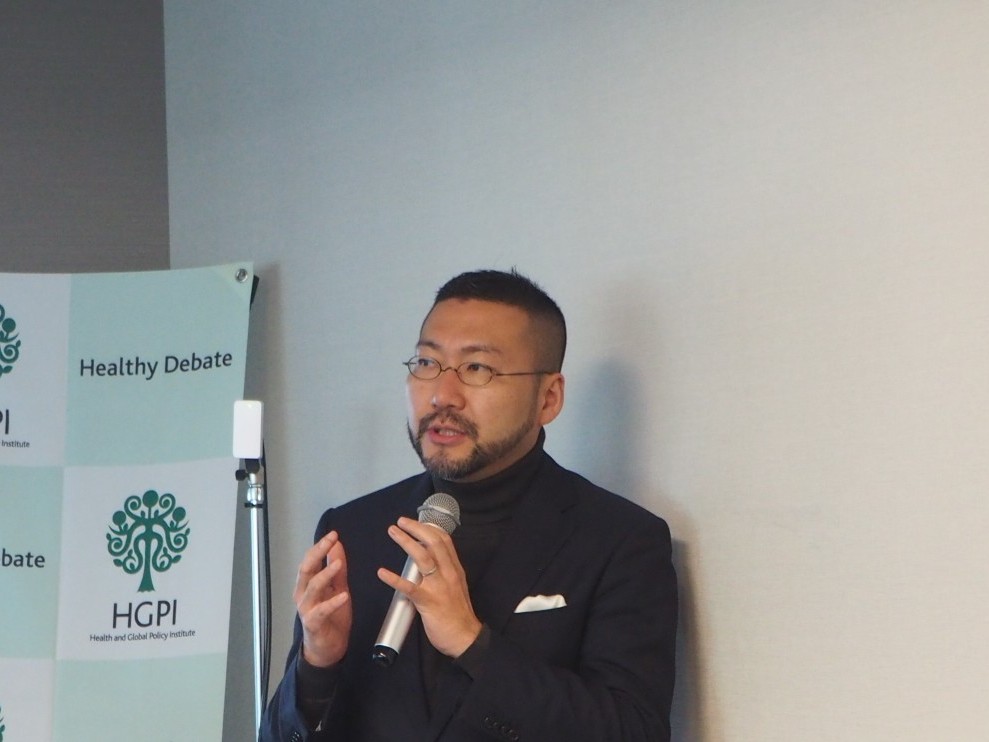
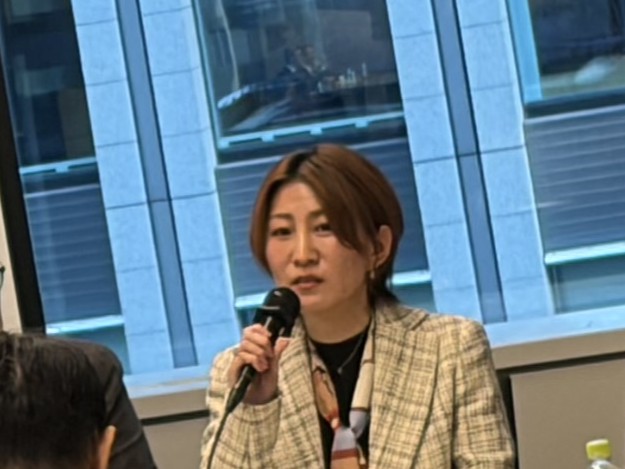
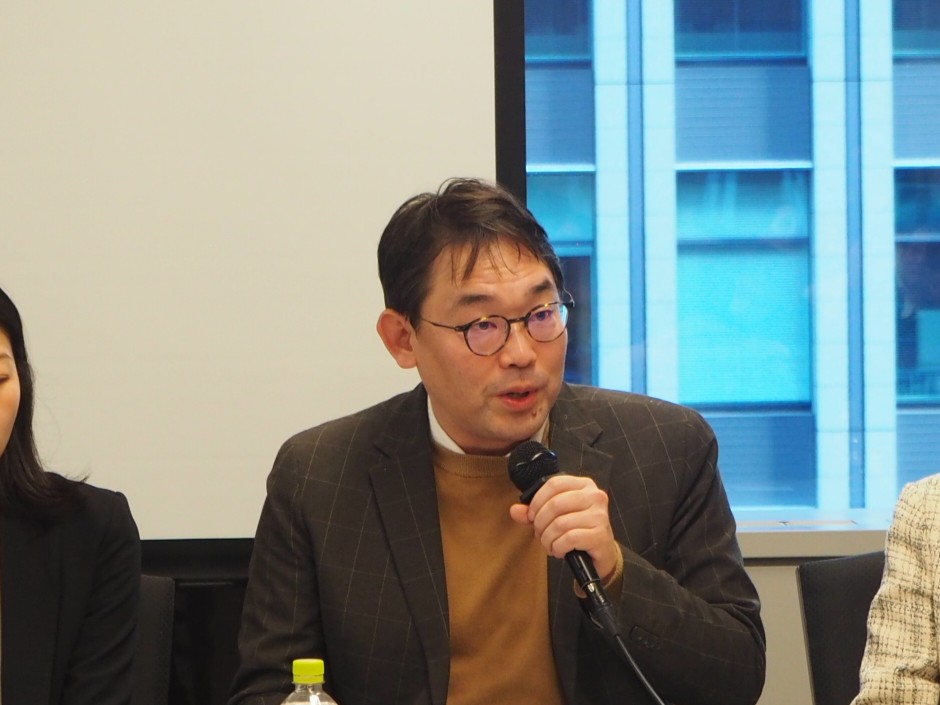
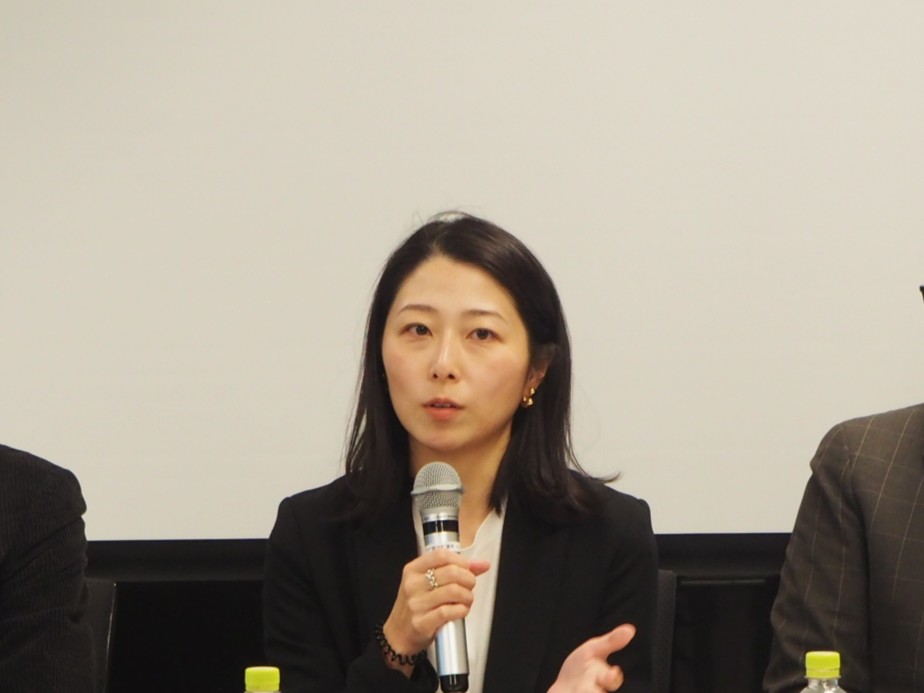
The symposium opened with a brief expert lecture followed by a panel discussion that included two panelists selected from Japan’s Patient Expert Platform (J-PEP). This event marked the first time that HGPI selected discussion participants using an open application process for J-PEP members. While recognizing that open application and selection processes possess a certain degree of inherent difficulty in terms of operations, we hope to see the systemic positioning of meaningful involvement expanded to a broad range of other councils and deliberation bodies in the future.
<Recommendations on the specific direction for CSIMC reform and next steps shared at the symposium>
The significance of CSIMC itself, and its role
- Medical service fee revision rates are set within the range allowed by the national budget. In this context, the role of CSIMC is to adjust the distribution of limited financial resources. Based on this perspective, in addition to allowing patient advocate council members to share real-world living conditions for patients and others with lived experience, CSIMC should reinforce the ability of insurers to represent the interests of those parties.
- To reinforce its legitimacy as the body responsible for resource allocation, CSIMC should move away from decision-making practices that are based on negotiations or established customs and transition to practices that involve analyzing the state of the cost distribution or healthcare service content using accumulated healthcare data.
The future direction for meaningful involvement at CSIMC
- In addition to establishing quotas for seats for patient advocate council members in law, the roles and degree of representation for such parties should be clarified in order to avoid their involvement from being reduced to a mere formality.
- Open recruitment systems and term limits should be introduced, and steps to ensure transparency in council member selection should be taken. There should also be structural arrangements made to ensure representativeness for patients and citizens by distinguishing and establishing separate positions for different groups such as patient advocacy organization representatives, people with lived experience who are not affiliated with organizations, and citizens who are not currently living with health concerns.
Methods and functions for capturing a diverse range of voices of patients and others with lived experience
- The many realities of daily life cannot be fully reflected through the efforts of a few council members alone, so the voices of patients and others with lived experience should be gathered and crystallized into qualitative data or narratives to use as reference materials during discussions.
- Forums for patients, citizens, and government officials to hold conversations and share patient journeys and experiences should be established, and frameworks to compile and submit those narratives as official reference materials for use at deliberation bodies should be built. 1
- While leveraging social media or AI to gather and systematize a diverse range of voices, information should also be gathered in a systematic manner using surveys, hearings, and other tools to prevent bias in populations or opinions.
- While referring to private-sector frameworks for grasping customer needs and reflecting them in product development, consideration should be given to the creation of frameworks for systematically gathering patient opinions and reflecting them in policies without the need for their direct involvement in meetings.
Operational processes that enable real involvement
- While creating opportunities for patients, others with lived experience, and citizens to engage in prior learning and ongoing conversations to encourage involvement in discussions, and while introducing processes to deepen mutual understanding with the government, a support system that accompanies the representatives of patients and others with lived experience throughout the involvement and learning processes should be established.
- Measures that enable continuous involvement by clearly demonstrating how the gathered opinions are reflected in policies should be established.
1. Patient Journey: Patient awareness of their condition and how they feel, think, and act when pursuing diagnosis and treatment at healthcare institutions.
<Summary of Symposium Discussion>
Supporting the formation of consensus on health policy through the meaningful involvement of patients and citizens
Policy issues cannot be addressed simply by deriving optimal technical solutions. Rather, they can only be determined after completing a political process that involves the creation of an agenda in which the problem that must be addressed is identified from the outset. In particular, as issues related to healthcare expenses encompass a diversity of conflicting interests in addition to complex factors in the overall system (such as links to welfare systems or changes in the demographic profile), they cannot be addressed only by correcting the actions of certain entities. In areas where there are no single correct answers, such as health policy decision-making, this means that the very process of forming consensus among participants with different opinions and values is a vital element of policymaking that elevates trust in the system and enhances its sustainability.
In recent years, challenges like population and birthrate decline, societal aging, fiscal constraints, and the growing burden that social security premiums place on working generations have led to greater need for decisions on how to further “share the pain” in health policy, and efforts to adjust the distribution of disadvantages and burdens are needed in a growing number of settings. Given this backdrop, in addition to the rationality of policy content, our panel suggested that societal acceptance toward the decision-making process (in other words, consent from patients, affected parties, and citizens) has become even more important.
However, many deliberation bodies involved in health policy only offer limited opportunities for involvement from patients and others with lived experience, and there are age and gender biases among council members. There have even been examples in which policies that were carefully adjusted by various types of deliberation bodies or councils were met with strong opposition when presented to society. Our panel mentioned that in addition to securing opportunities for involvement for patients and others with lived experience, another important item for establishing forums that enable diverse stakeholders to hold repeated discussions on an even playing field will be the process that helps patient advocates and government officials understand the necessary systems for meaningful involvement, develop a positive attitude toward participating in dialogue, and gradually deepen mutual understanding. As mutual understanding cannot be achieved through single conversations, our panel also recognized the importance of having an ongoing process for building trusting relationships through repeated trial and error.
Another item of emphasis was the need for local governments to establish easily-accessible opportunities for involvement in health policy for patients, others with lived experience, and citizens. Our panel suggested that if the government does not limit discussions to internal meetings and pursues forums where discussions are held on an even playing field, or devises methods of disseminating information that draw in younger generations, it will help broaden the foundation for involvement from patients, others with lived experience, and citizens.
The significance, challenges, and implementation of meaningful involvement for patients and others with lived experience through CSIMC
The medical service fees determined by CSIMC set price standards for healthcare, which directly impacts the lives of patients and others with lived experience through the cost of out-of-pocket payments. It was pointed out that although some people’s lives are being severely impacted because they cannot receive high-cost medical treatments, such difficulties have yet to be shared with society or policy decision-makers to a sufficient degree. Our panel also reemphasized the importance of implementing frameworks at CSIMC that will systematically incorporate the perspectives of patients and others with lived experience who are directly affected by the burden of healthcare costs.
While CSIMC has provisional seats for patient advocate representatives among seats set aside for payer-side representatives, it was also pointed out that it is unclear just whose voices they reflect in the comments they offer during discussions. It was also suggested that the extent to which opinions and statements positioned as the “public interest” reflect real-world circumstances for a diversity of patients, others with lived experience, and citizens may not always be clear.
In addition to identifying issues, our panel also shared practical perspectives on methods that patients and others with lived experience are developing to take part on councils and other deliberation bodies as well as methods of establishing frameworks for future involvement from patients, others with lived experience, and citizens at CSIMC. One patient advocacy organization described how it gathers and organizes its views as an organization before making public statements by creating opportunities for members in different regions or with different genders or positions to exchange opinions in advance. Other efforts that were introduced included those that aim to share roles and duties according to personal experience or capacity in light of the fact that many councils and other deliberation bodies require participants to make decisions immediately or time their comments carefully.
On the topic of ensuring representativeness, our panel mentioned that when establishing frameworks for patient advocate council members, rather than treating patients and citizens as a single entity, steps must be taken to distinguish between and position different parties (such as patient advocacy organization representatives who can gather opinions through their organizations, patients or citizens who share their experiences as individuals, or citizens who currently do not live with health concerns) as different stakeholders. Panelists also expressed a shared recognition that it is important to clarify the position of “others with lived experience” according to the purpose of the meeting and to ensure their inclusion in discussions is appropriate when designing involvement opportunities, after taking the roles of each party and the nature of their statements into account.
Changes in the role of CSIMC and how to best reflect patient interest in a systematic manner
Progress in systemic reform has led to changes in the institutional role of CSIMC. CSIMC once held substantial discussions that set overall standards for increases or reductions in medical service fees. However, revision rates for medical service fees (i.e., the overall ranges of increase or reduction) are now determined through the government’s budgeting process, and discussions at CSIMC now focus on how points are allocated within that range. In other words, CSIMC’s main role has shifted from one in which it directly influences medical service fee standards to one in which it adjusts how financial resources will be allocated within a predetermined range.
Our panel pointed out that as CSIMC’s role as coordinator in the allocation of these resources becomes more well-established, the question of how to reflect the voices of patients and others with lived experience is not limited to the issue of whether or not there are seats for patient advocates at CSIMC. CSIMC was originally structured in a manner that would allow health service providers and payers to deliberate on official prices with the intent that insurers, which are positioned as payers, would serve to represent the interests of the insured. Consequently, our panel recognized that reinforcing the ability of insurers to represent the perspectives of the insured in discussions will be an important aspect of ensuring patient interest is reflected in discussions in a continuous manner.
Furthermore, to enhance the legitimacy of CSIMC as the deliberation body that is responsible for adjusting the allocation of financial resources, participants suggested that it will be essential to move away from decision-making that is over-reliant on negotiations or established customs and to emphasize decision-making that is based on the healthcare data that has been accumulated. Another opinion was that medical claims data, electronic medical records, or other such forms of information should be used to analyze real-world circumstances surrounding the structure of expenses or the content of health services before determining resource allocation to take steps toward systemic operations that are more rational and convincing.
Establishing diverse channels for collecting patient feedback: Examining possibilities and limitations of mechanisms to compliment the council member appointment system
Given the diversity in diseases or backgrounds among patients and others with lived experience, only establishing a few seats for patient advocate council members when reforming CSIMC will place limits on how fully the voices of such parties can be reflected. It is particularly difficult to gather voices from all generations for diseases that impact small numbers of people. Frameworks for gathering and organizing a diversity of voices must be established in a manner that compliments the council member system.
As for specific methods of gathering and organizing a broad range of voices, one suggestion was to systematize information like the experiences of individual patients, patient journeys, and patient narratives as qualitative data and to utilize that information as a reference material in the policy-making process. Our panel also emphasized that because it is difficult to directly reflect patient experiences in policy simply by presenting individual narratives as they are, it will also be necessary to provide support to arrange and translate those narratives to suit the topic at hand in discussions.
In one example for the collection of diverse voices, the MHLW utilized a large-scale customer database held by a private company to conduct a questionnaire survey, which enabled the MHLW to quickly identify diverse needs for many people that could not be identified through the council member-based system. In another example, a company expanded its decision-making process with a system that could systematically incorporate customer opinions and reflect them in decision-making at the product development stage, even without direct participation from customer representatives in meetings. Such examples demonstrate the potential for referring to systems or data utilization methods developed by the private sector.
Another suggestion was to anonymize the opinions of patients, others with lived experience, and citizens and then to classify and sort them for recommendation materials and other forms of output for policy using AI. Our panel also mentioned the option of broadly grasping the issues that people face in daily life by analyzing the items they post on an everyday basis, such as video testimonials on YouTube or posts on social networks. Conversely, because voices from social media do not fully represent society and because minority opinions are at risk of being drowned out when using AI, the need for caution when using these tools was also emphasized. Due to this, gathering information in a systematic manner using a combination of sources like quantitative data, surveys, and interviews will be essential. Another item that was emphasized was the importance of creating mechanisms that provide patients and others with lived experience with feedback so they can see how their opinions have been reflected in policy in order to support their continuous involvement.
 |
 |
 |
 |
 |
 |
 |
 |
 |
[Event Overview]
- Date & Time: Thursday, January 22, 2026; 14:00-16:00 JST
- Format: In-person
- Venue: Conference Room 22A, TKP Tokyo Station Otemachi Conference Center (KDDI Otemachi Building 22F, 1-8-1 Chiyoda City, Tokyo)
- Language: Japanese only
[Program] (Titles omitted; in no particular order)
| 14:00-14:10 | Opening Remarks and Explanatory Introduction |
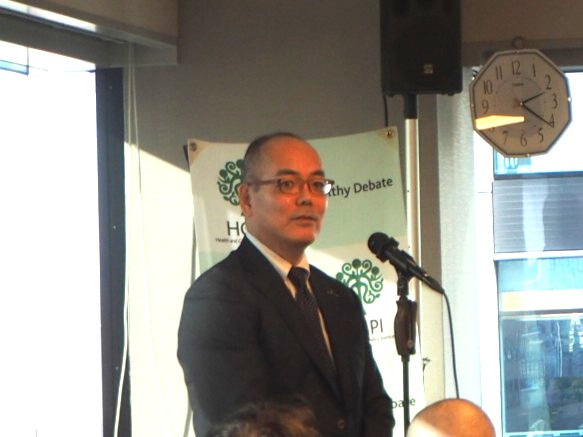
| Shunichiro Kurita (Senior Manager, HGPI) | |
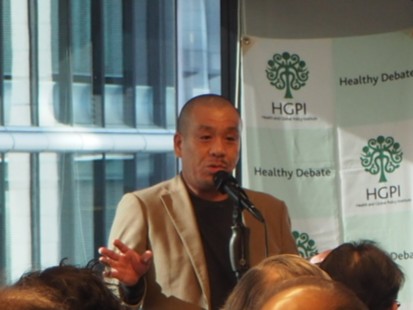
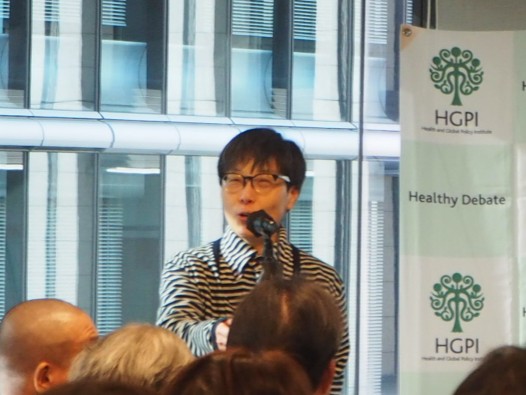
| 14:10-14:45 | Short Lectures: “Discussion Points for CSIMC Reform” (5 minutes each) |
|
Naomi Sakurai (President, Cancer Survivors Recruiting Project) |
|
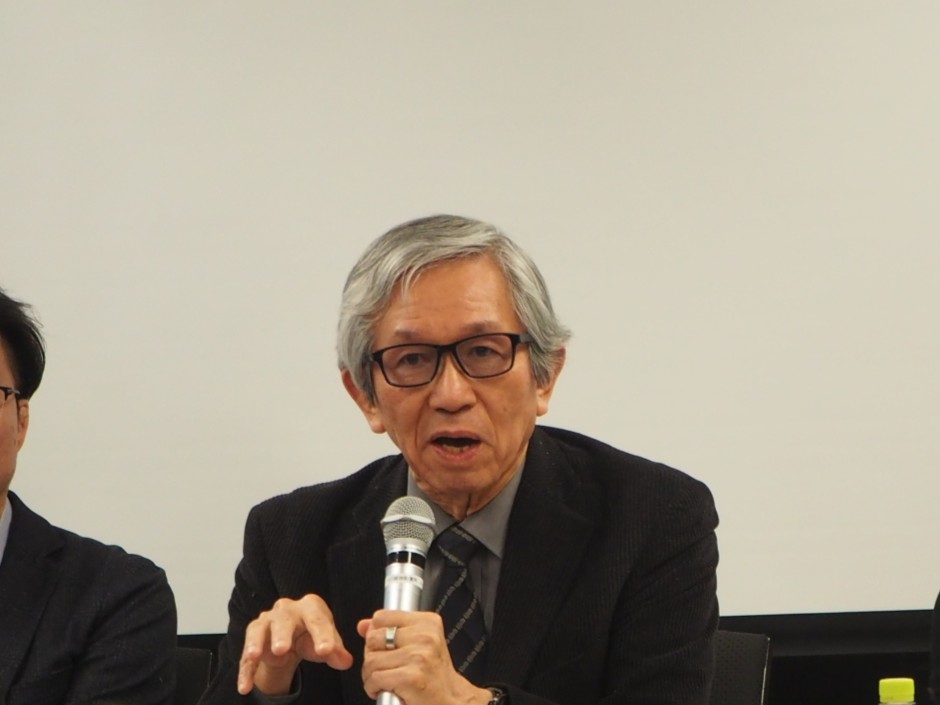
| 14:45-15:40 | Panel Discussion: “Necessary Actions for Delivering Patients’ Voices Through CSIMC” |
|
The five speakers listed above Moderator: Shunichiro Kurita (Senior Manager, HGPI) |
|
| 15:40-16:00 | Question and Answer Session with the Audience |
(Registration is free, but please note that J-PEP is available only in Japanese.)
Related Posts
-
2025-08-08
[Announcement] Release of the J-PEP Introductory Video and Flyer (August 8, 2025)
-
2026-02-03
[Event Report] The Meaningful Involvement Promotion Project “An Open Dialogue Between People With Lived Experience and Policymakers” (January 7, 2026)
-
2025-11-13
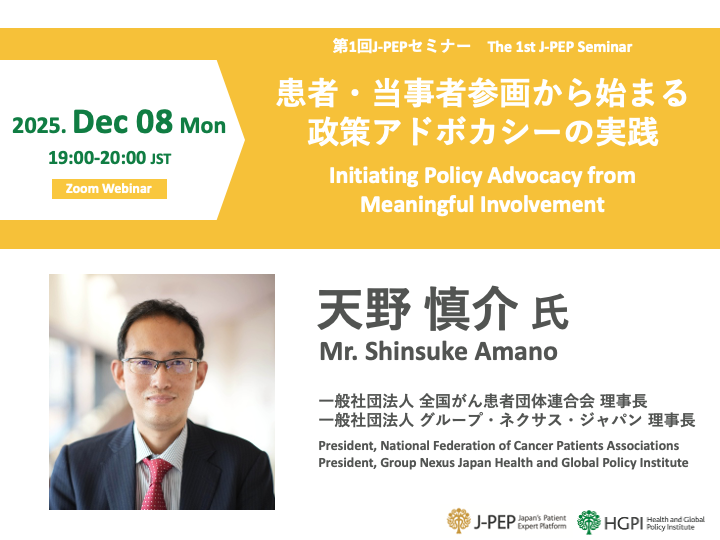
[Registration Closed] (Webinar) The 1st J-PEP Seminar – Initiating Policy Advocacy from Meaningful Involvement (December 8, 2025)
-
2025-10-14
[Discussion Points] National Local Government Conference “Reflecting on Involvement of People with Lived Experience in Prefectural Healthcare Planning Processes to Promote Meaningful Involvement in Prefectures and Municipalities” (July 22, 2025)
-
2025-08-13
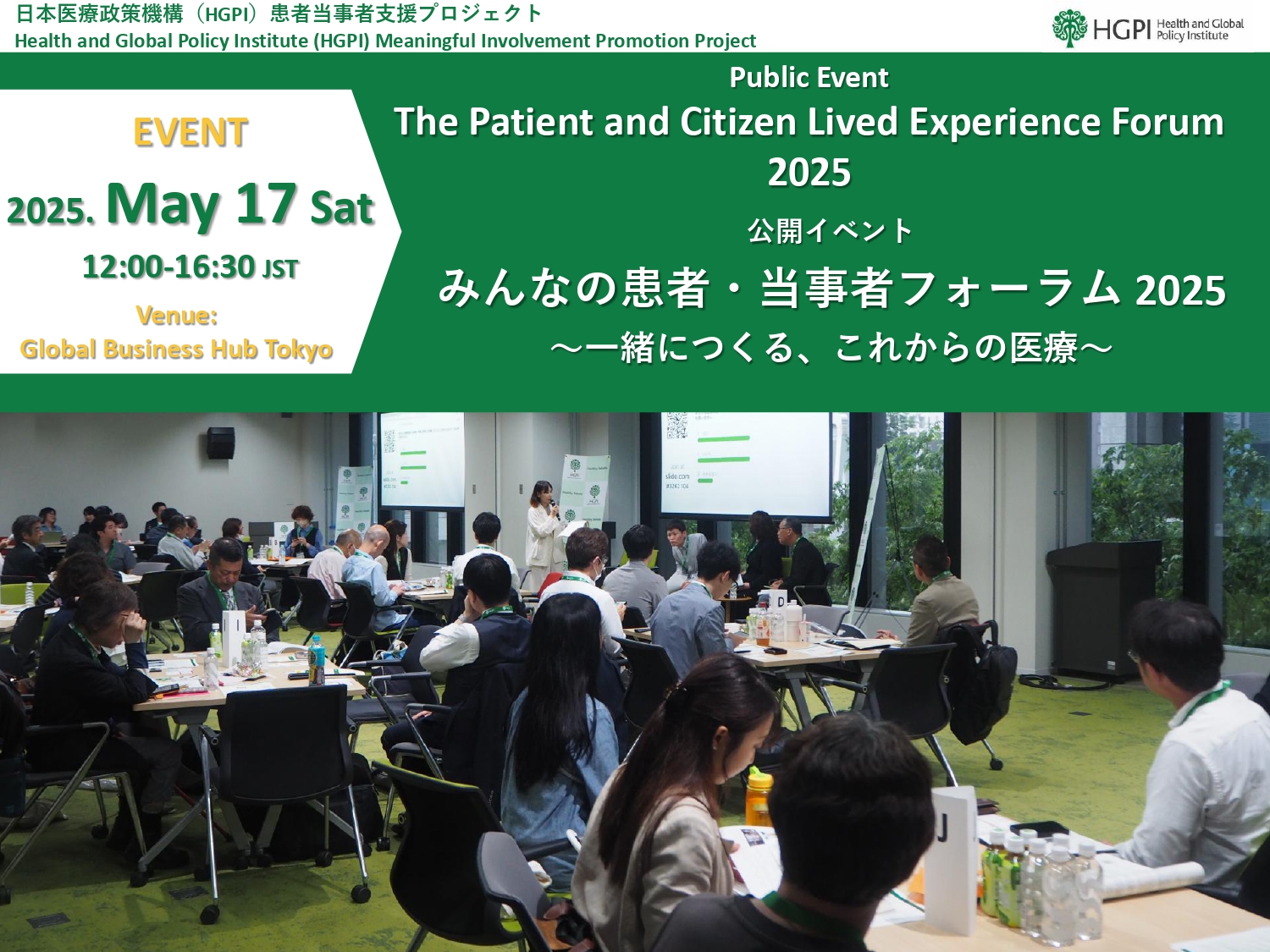
[Event Report] Public Event “The Patient and Citizen Lived Experience Forum 2025” (May 17, 2025)
-
2025-06-20
[Activity Report] Guidance on Promoting Meaningful Involvement for People with Psychosocial or Developmental Disabilities Issued with Cooperation From HGPI (April 22, 2025)
-
2024-11-21
[Event Report] Meaningful Involvement Promotion Project Online Expert Meeting "Shaping the Future of Health Policy with People with Lived Experience and Citizens” (July 26, 2024)
-
2024-09-27
[HGPI Policy Column] (No. 48) From the Meaningful Involvement Promotion Project: The Resolution on Social Participation at the 77th World Health Assembly
Top Research & Recommendations Posts
Featured Posts
-
2026-05-18
[Registration Closed] Kick-off Panel Discussion “From Africa and Japan, Drawing from Perspectives Around the World:A Platform for Cultivating a Philosophical Health Dialogue Together” (June 15, 2026)
![[Registration Closed] Kick-off Panel Discussion “From Africa and Japan, Drawing from Perspectives Around the World:A Platform for Cultivating a Philosophical Health Dialogue Together” (June 15, 2026)](https://hgpi.org/en/wp-content/uploads/sites/2/HGPI_20260615_Eyecathch_panel-discussion-From-Japan-and-Africa-in-Discussion-with-the-World_2.png)
-
2026-08-28
[Announcement] The 3rd Kiyoshi Kurokawa Award: Call for Nominations (Deadline: November 30, 2026)
![[Announcement] The 3rd Kiyoshi Kurokawa Award: Call for Nominations (Deadline: November 30, 2026)](https://hgpi.org/en/wp-content/uploads/sites/2/Kiyoshi-Kurokawa-Award_3rd_nominations_eyecatch_caseB_ENG_web_20260929_v0.5.jpg)
-
2026-09-01
[Registration Closed] HGPI Salon 2025-2026 Looking Ahead to the Future of Japan’s Social Security System “Session 6: Japan’s Health Policy through the Lens of Global Security” (October 13, 2026)
![[Registration Closed] HGPI Salon 2025-2026 Looking Ahead to the Future of Japan’s Social Security System “Session 6: Japan’s Health Policy through the Lens of Global Security” (October 13, 2026)](https://hgpi.org/en/wp-content/uploads/sites/2/HGPISalon2025-20266.png)
-
2026-09-17
[Registration Open] (Webinar) The 145th HGPI Seminar “Toward Better AMR Measures at Elderly Care Facilities—Considering Infectious Disease Control in a Super-Aged Society From a Policy Perspective” (October 27, 2026)
![[Registration Open] (Webinar) The 145th HGPI Seminar “Toward Better AMR Measures at Elderly Care Facilities—Considering Infectious Disease Control in a Super-Aged Society From a Policy Perspective” (October 27, 2026)](https://hgpi.org/en/wp-content/uploads/sites/2/HGPIseminar145.png)
-
2026-10-06
[Registration Open] (Webinar) The 146th HGPI Seminar “How We Can Build a Society That Supports Choices Around Organ Donation: Exploring Decision-Making by Citizens and a Multi-Layered Approach Through Strategic Social Marketing” (November 9, 2026)
![[Registration Open] (Webinar) The 146th HGPI Seminar “How We Can Build a Society That Supports Choices Around Organ Donation: Exploring Decision-Making by Citizens and a Multi-Layered Approach Through Strategic Social Marketing” (November 9, 2026)](https://hgpi.org/en/wp-content/uploads/sites/2/HGPI_20261001_Eyecatch_HGPIseminer-146th-1.png)
