


[Event Report] Public Forum “Rebalancing Contribution and Responsibility in a Healthcare System at a Turning Point: Toward Sustainability and Innovation” (November 5, 2025)
date : 12/2/2025

![[Event Report] Public Forum “Rebalancing Contribution and Responsibility in a Healthcare System at a Turning Point: Toward Sustainability and Innovation” (November 5, 2025)](https://hgpi.org/en/wp-content/uploads/sites/2/HGPI_20251009_Forum_eyecatch-1.jpg)
As medical advances and the growing elderly population continue to drive up healthcare costs, the challenge of achieving both the appropriate evaluation of innovation and a sustainable healthcare system, while concurrently promoting the establishment of an effective and efficient medical system, has become a global issue. This concern is shared not only by Japan but by many other countries that maintain a public healthcare system.
Health and Global Policy Institute (HGPI) has long facilitated multi-stakeholder discussions, extending beyond individual diseases to address the nature of the healthcare system itself, including the drug pricing system and the drug discovery ecosystem. In 2024, to advance deliberations on balancing the sustainability of the healthcare system with innovation, particularly through the lens of drug pricing policy, we established a multi-stakeholder panel centered on patients and stakeholders. This has created an opportunity for diverse parties to informally express their views. Furthermore, we have also hosted a roundtable discussion titled “U.S. – Japan Joint Roundtable on “Navigating Biopharma Innovation with Patient Engagement Towards a Healthy Aging Society” as a platform for dialogue between patients, stakeholders, and global counterparts.
Up to this point, numerous policy options have been proposed by industry, government, academia, and civil society to harmonize the sustainability of the healthcare system with innovation. Stakeholders have continuously examined, decided upon, and implemented the effectiveness and feasibility of these options over many years. However, with the sustainability of the healthcare system now under severe threat, it is crucial not just to present specific policy options but also to re-examine the processes of consensus building, policy coordination, and negotiation, and to offer alternatives for how to proceed.
The increasing transparency of information, with the generalization of online broadcasts and the publication of meeting minutes, has significantly improved patient and stakeholder access to information. Conversely, this has sometimes made the delicate consensus-building role traditionally played by conventional deliberative councils more challenging. Therefore, this forum brought together stakeholders who had been involved in major reforms and institutional changes surrounding Japan’s healthcare system. They touched upon the actual difficulties in coordinating and negotiating within the healthcare system and discussed various options from multiple perspectives. This included not only debates on suppressing benefits like social security costs but also the option of increasing individual financial burdens.
Key Discussion Points
- Japan has experienced about fifty consecutive years of fiscal deficits, making it increasingly difficult to sustain a social security system built on moderate benefits and low personal burden. An aging society with a declining birthrate has further widened the gap between benefits and contributions and intensified fiscal challenges.
- The main factor behind the rise in social security spending is an increase in recipients, rather than growth in per capita benefits. In other words, the structural fiscal imbalances are driven by demographic trends.
- Addressing these realities calls for fundamental strategies, including re-examining the definition of old age and reframing societal attitudes toward demographic change.
- Perceptions of healthcare costs and financial burdens vary by age. The working-age population, in particular, may hesitate to seek care due to higher out-of-pocket expenses under schemes like the high-cost medical benefit system. This highlights the need for fair, inclusive policy dialogue that welcomes perspectives from all generations and sectors.
- A true understanding of healthcare’s value requires looking beyond medical expenses to consider impacts on productivity, long-term care, and family burden. Making these costs visible will strengthen policy discussions on the societal value of health.
- To rebalance benefits and contributions in a sustainable way, all stakeholders—including government, healthcare providers, researchers, industry, and the media—must openly share information and engage in transparent dialogue. Such collaboration is essential for building public understanding and advancing effective, future-oriented policy.
[Event Overview]
- Date & Time: Wednesday, November 5, 2025; 10:00-11:30 JST
- Format: In-person Only
- Venue: Global Business Hub Tokyo
(3F Otemachi Financial City Grand Cube, 1-9-2 Otemachi, Chiyoda-ku, Tokyo 100-0004) - Language: Japanese only
- Participation Fee: Free
- Organizer: Health and Global Policy Institute (HGPI)
- Capacity: 40 participants (lottery-based selection if applications exceed capacity)
- Rules: Chatham House Rule
(The Chatham House Rule refers to a meeting format in which discussions are held off-the-record and speakers remain unidentified. This rule aims to facilitate an honest and vigorous debate by ensuring anonymity.)
[Program] (Titles omitted; in no particular order)
10:00-10:10 Explanatory Introduction
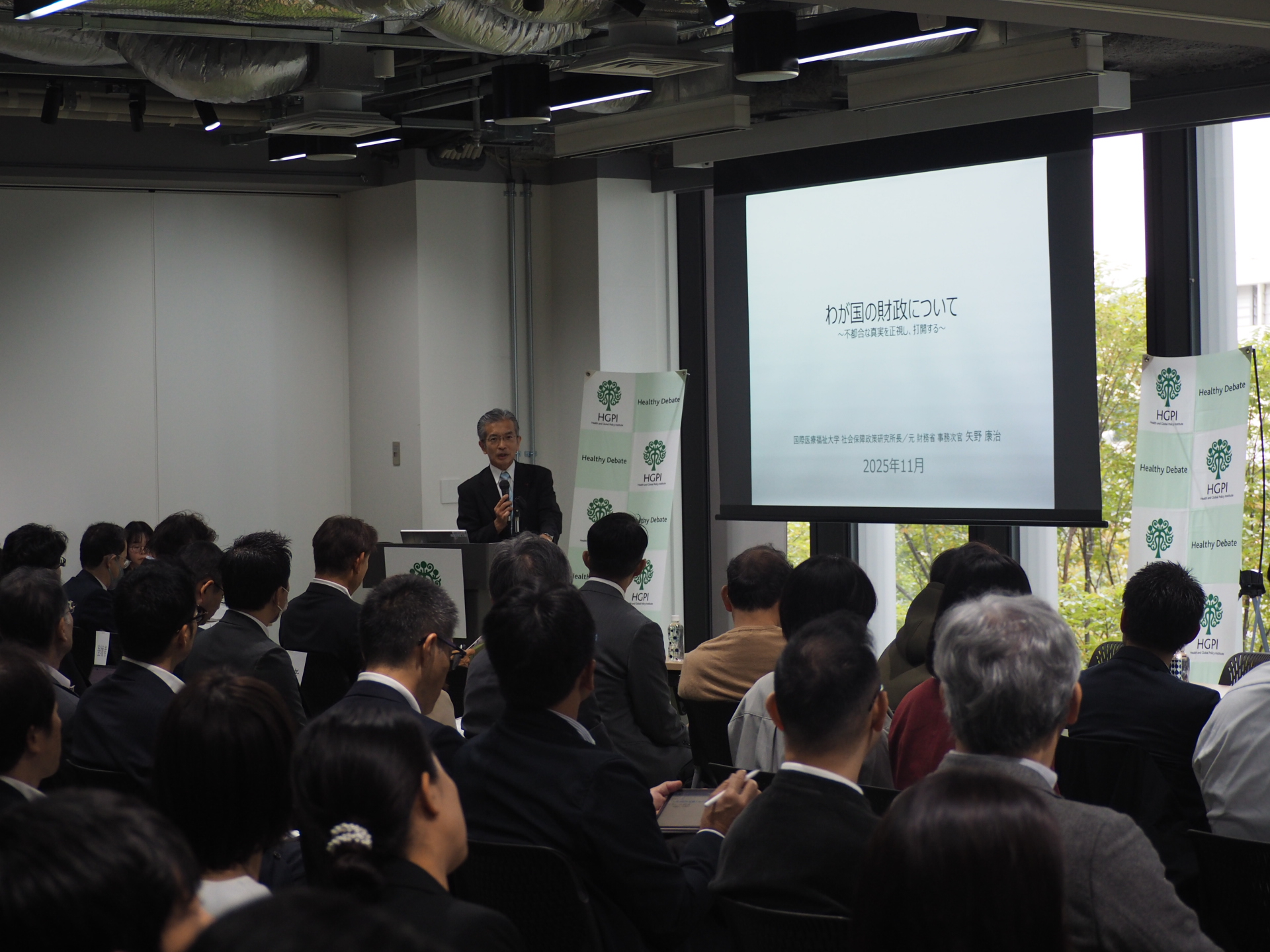 10:10-10:40 Keynote Lecture “Japan’s Public Finances: Facing Inconvenient Truths and Finding a Way Forward”
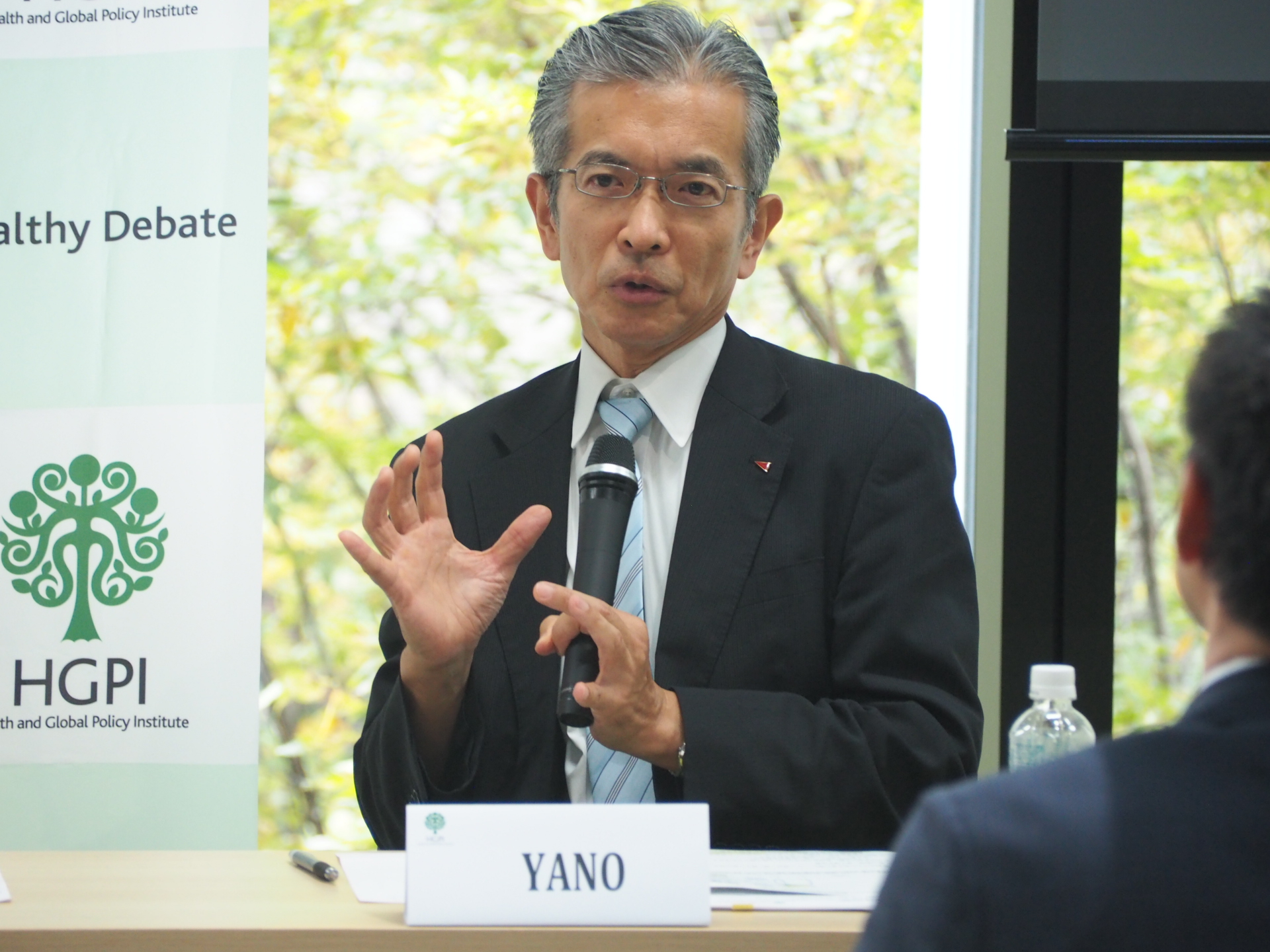
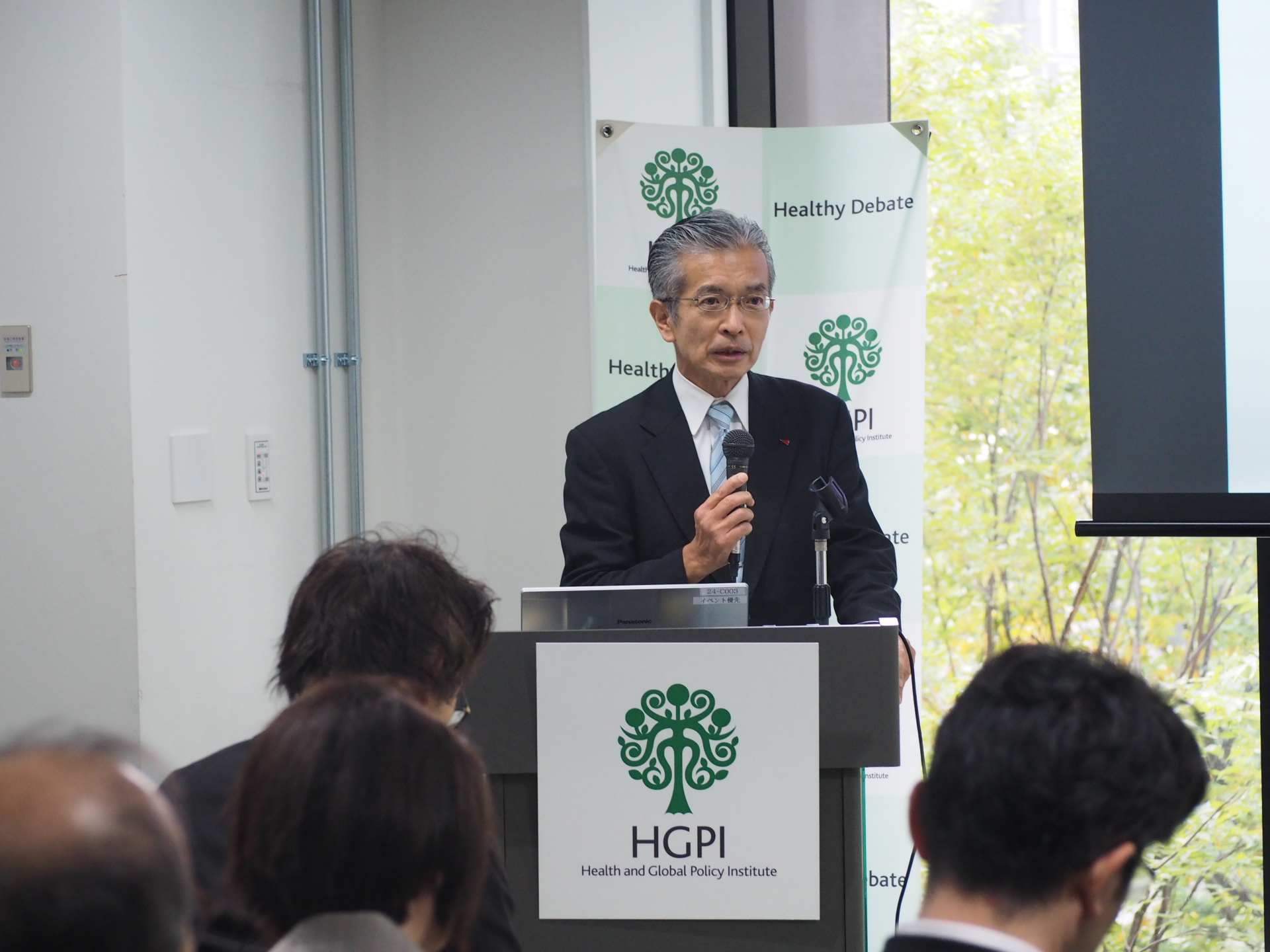 Koji Yano (Director, Institute of Social Security Policy, International University of Health and Welfare/ Former Vice-Minister of Finance)
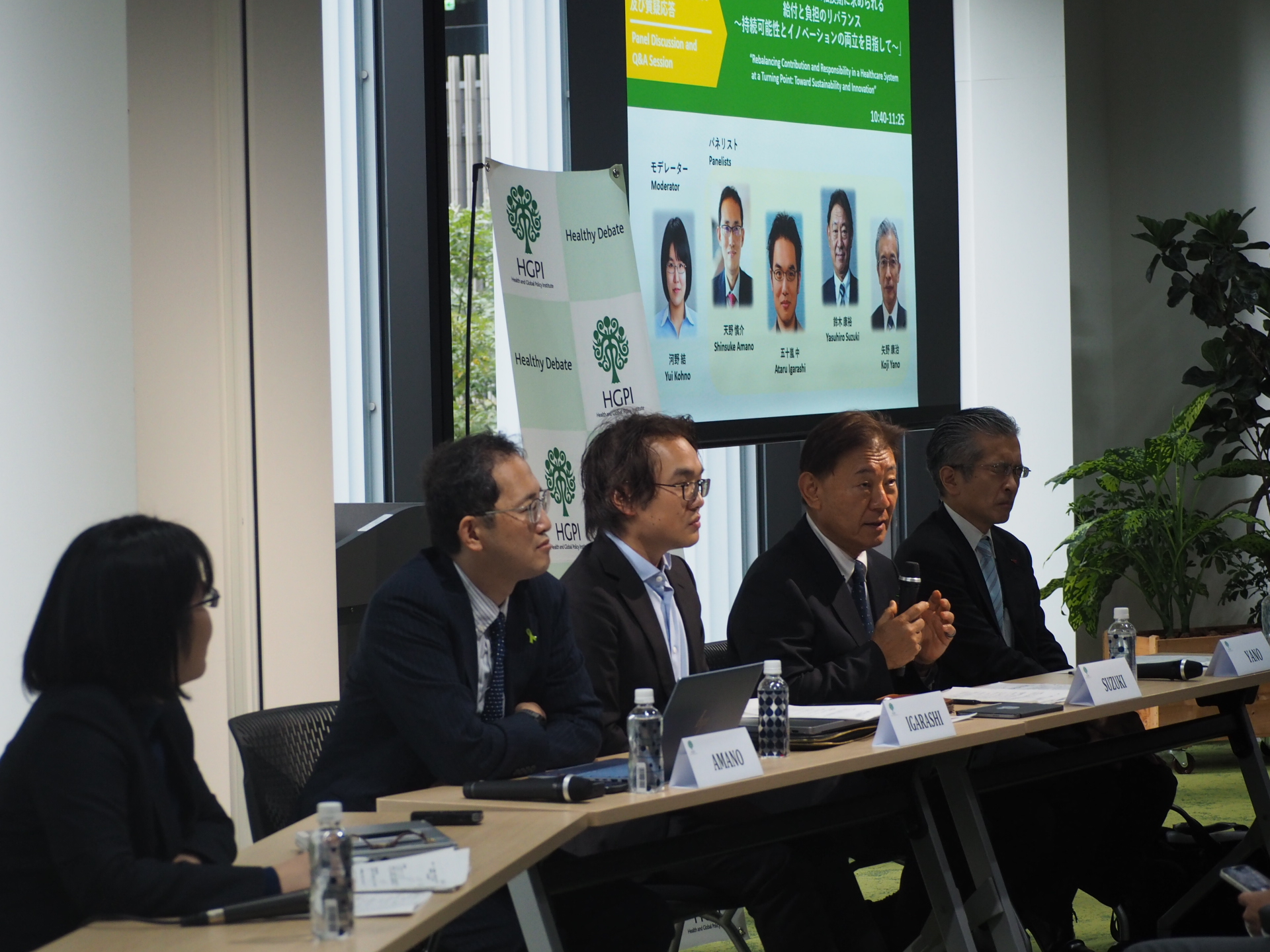 10:40-11:25 Panel discussion and Q&A Session
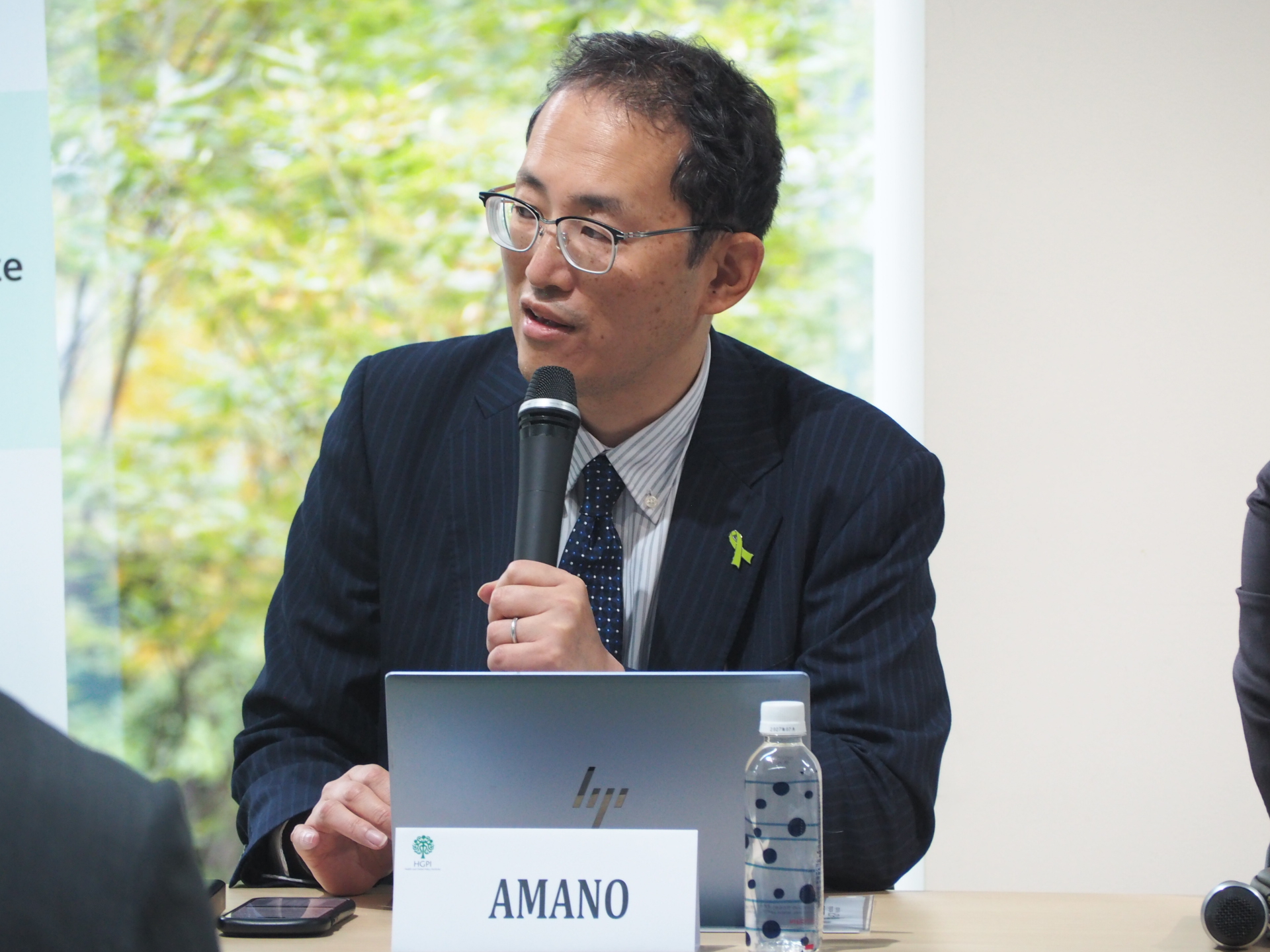
Shinsuke Amano (Chair, The Japan Federation of Cancer Patient Groups/ CEO, Group Nexus Japan)
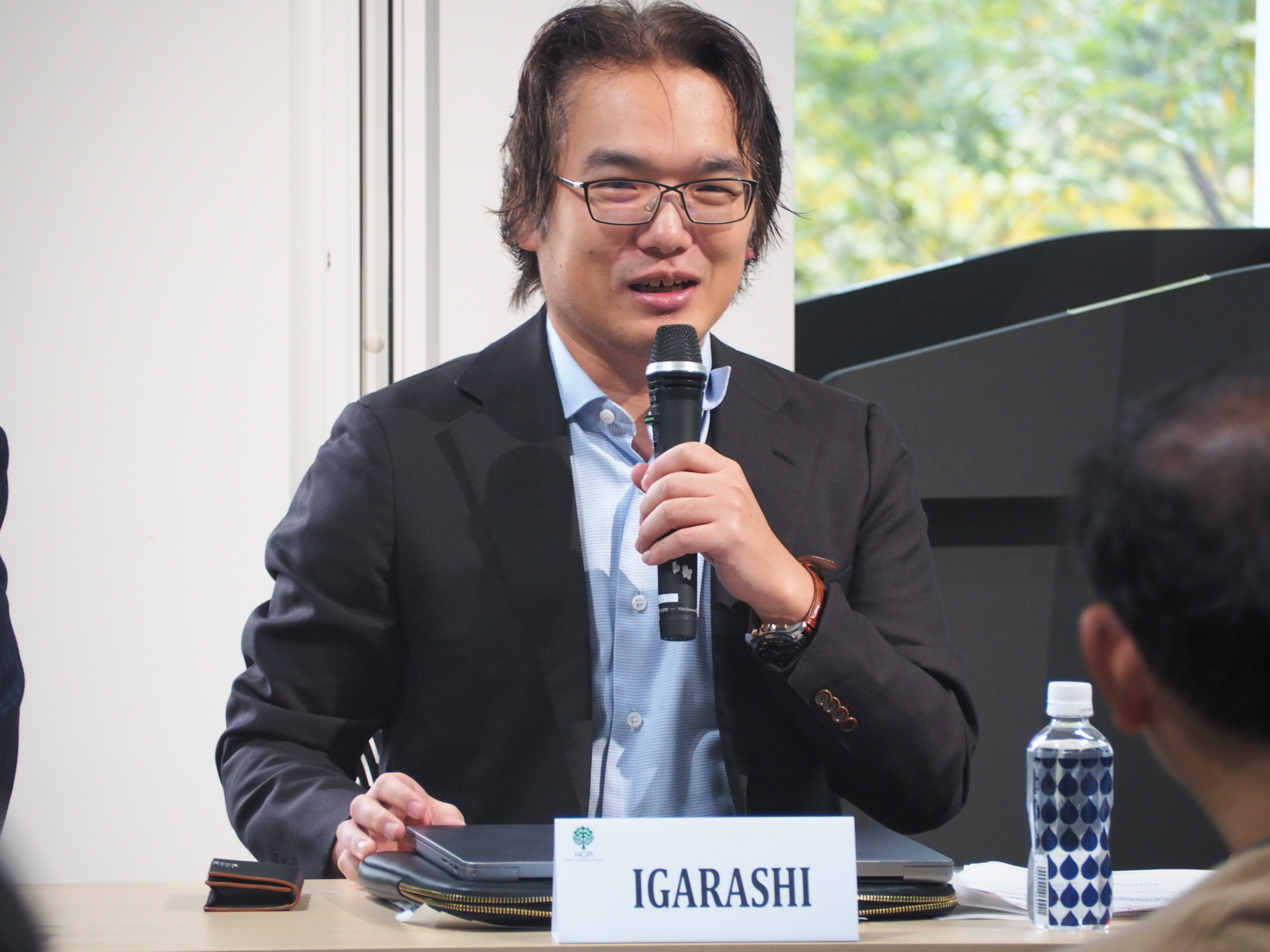
Ataru Igarashi (Project Associate Professor, Graduate School of Pharmaceutical Sciences,
The University of Tokyo/ Visiting Associate Professor, Graduate School of Data Science, Yokohama City University)
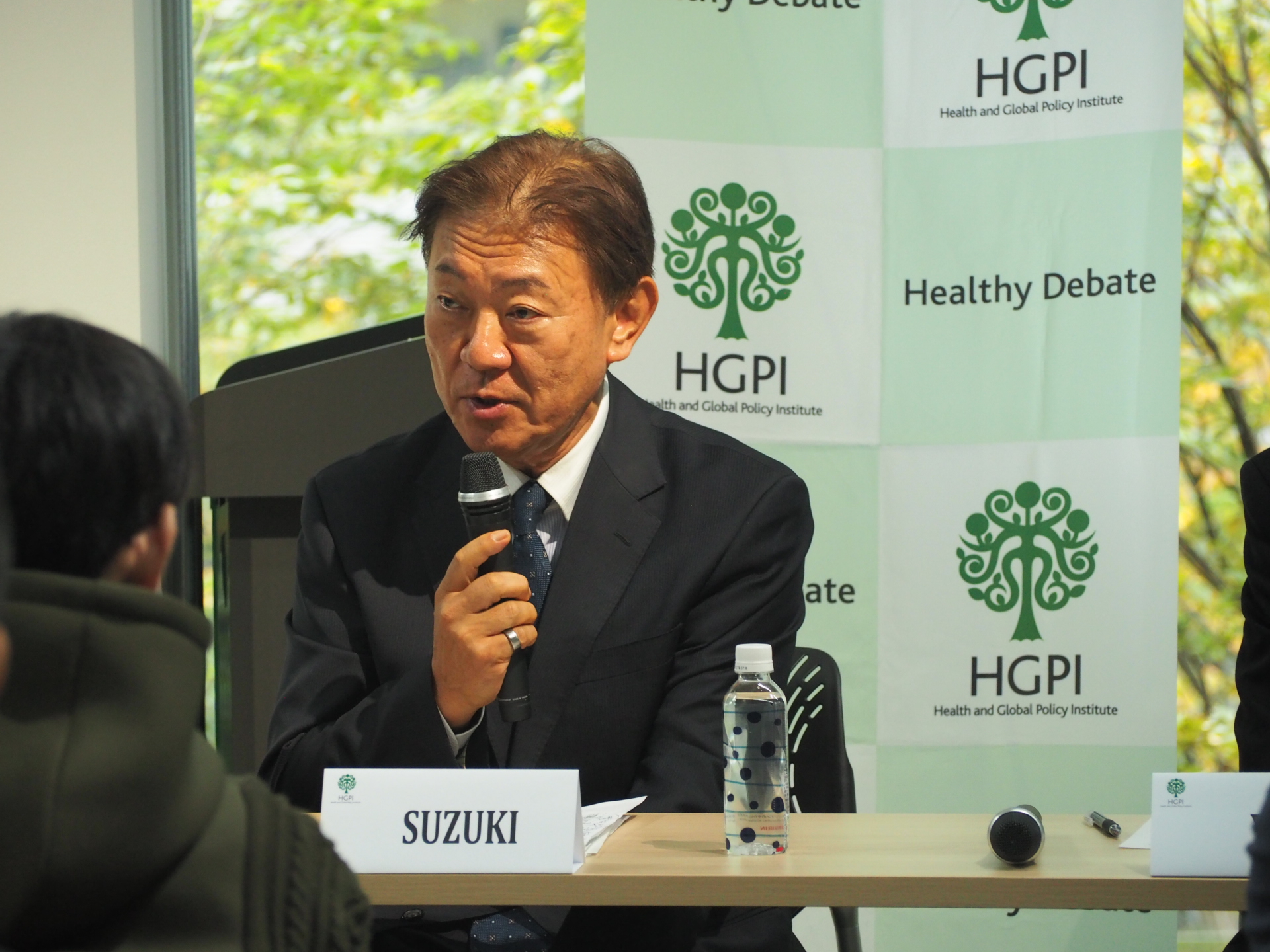
Yasuhiro Suzuki (President, International University of Health and Welfare/ Former Chief Medical and Global Health Officer, Ministry of Health, Labour and Welfare)
Koji Yano(Director, Institute of Social Security Policy, International University of Health and Welfare/ Former Vice-Minister of Finance)
Moderator: Yui Kohno (Manager, Health and Global Policy Institute)
 |
 |
 |
 |
11:25-11:30 Closing remarks
11:30-12:00 Networking
Related Posts
-
2025-04-23
[Activity Report] U.S. - Japan Joint Roundtable on "Navigating Biopharma Innovation with Patient Engagement Towards a Healthy Aging Society” (March 19, 2025)
-
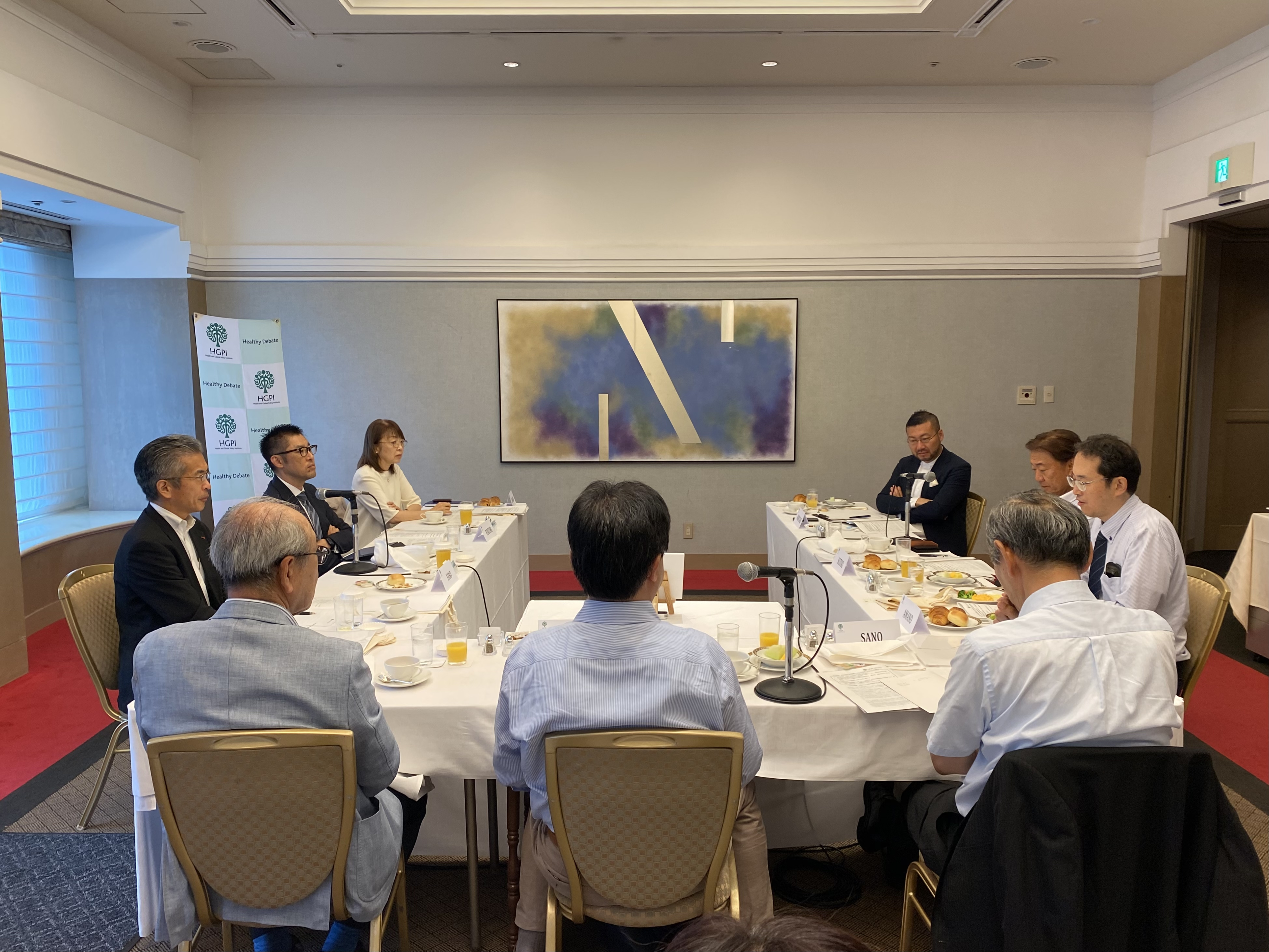
2025-09-29
[Event Report] “Future of the Healthcare System” Series - 1st Advisory Meeting: Reimagining Public Engagement for Sustainable Health Systems (September 9, 2025)
-
2025-07-04
[Recommendations] HGPI Expert Policy Advocacy Platform “Better Use of Cost-effectiveness Evaluation for Pharmaceuticals in Japan” (May 7, 2025)
-
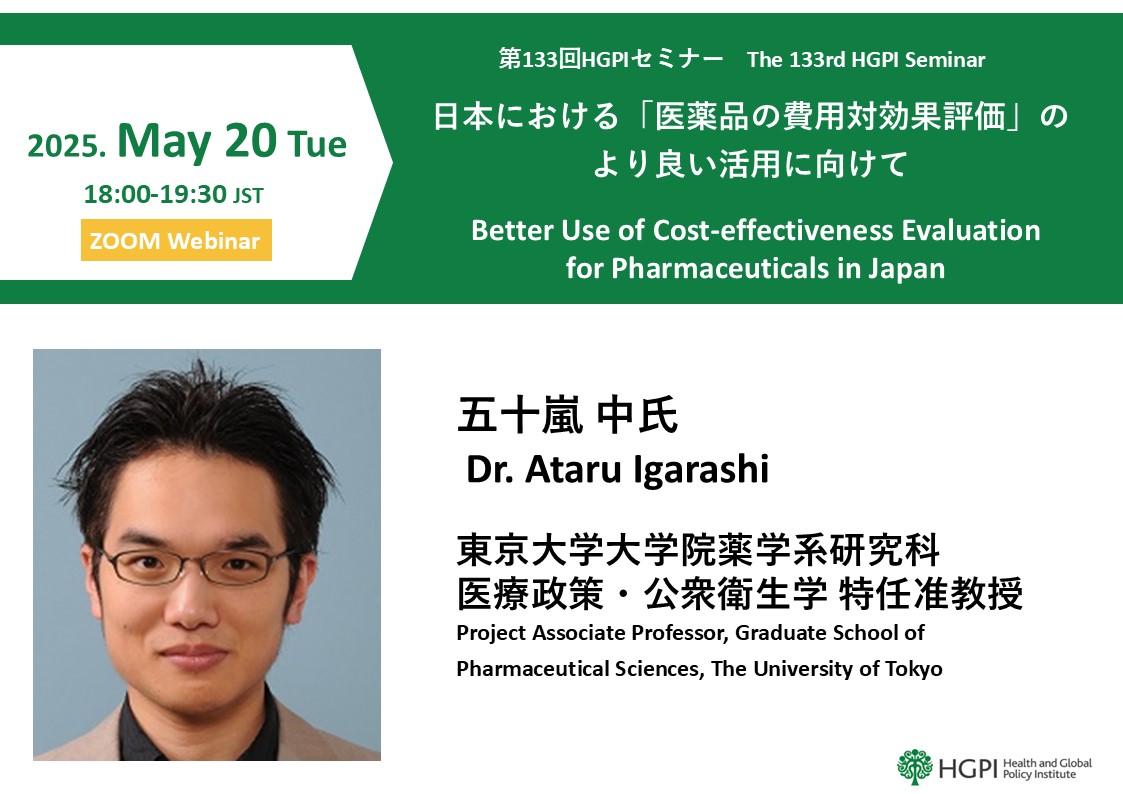
2025-07-22
[Event Report] The 133rd HGPI Seminar -HGPI Expert Policy Advocacy Platform- “Better Use of Cost-effectiveness Evaluation for Pharmaceuticals in Japan” (May 20, 2025)
Top Research & Recommendations Posts
Featured Posts
-
2026-05-18
[Registration Closed] Kick-off Panel Discussion “From Africa and Japan, Drawing from Perspectives Around the World:A Platform for Cultivating a Philosophical Health Dialogue Together” (June 15, 2026)
![[Registration Closed] Kick-off Panel Discussion “From Africa and Japan, Drawing from Perspectives Around the World:A Platform for Cultivating a Philosophical Health Dialogue Together” (June 15, 2026)](https://hgpi.org/en/wp-content/uploads/sites/2/HGPI_20260615_Eyecathch_panel-discussion-From-Japan-and-Africa-in-Discussion-with-the-World_2.png)
-
2026-08-28
[Announcement] The 3rd Kiyoshi Kurokawa Award: Call for Nominations (Deadline: November 30, 2026)
![[Announcement] The 3rd Kiyoshi Kurokawa Award: Call for Nominations (Deadline: November 30, 2026)](https://hgpi.org/en/wp-content/uploads/sites/2/Kiyoshi-Kurokawa-Award_3rd_nominations_eyecatch_caseB_ENG_web_20260929_v0.5.jpg)
-
2026-09-01
[Registration Closed] HGPI Salon 2025-2026 Looking Ahead to the Future of Japan’s Social Security System “Session 6: Japan’s Health Policy through the Lens of Global Security” (October 13, 2026)
![[Registration Closed] HGPI Salon 2025-2026 Looking Ahead to the Future of Japan’s Social Security System “Session 6: Japan’s Health Policy through the Lens of Global Security” (October 13, 2026)](https://hgpi.org/en/wp-content/uploads/sites/2/HGPISalon2025-20266.png)
-
2026-09-17
[Registration Open] (Webinar) The 145th HGPI Seminar “Toward Better AMR Measures at Elderly Care Facilities—Considering Infectious Disease Control in a Super-Aged Society From a Policy Perspective” (October 27, 2026)
![[Registration Open] (Webinar) The 145th HGPI Seminar “Toward Better AMR Measures at Elderly Care Facilities—Considering Infectious Disease Control in a Super-Aged Society From a Policy Perspective” (October 27, 2026)](https://hgpi.org/en/wp-content/uploads/sites/2/HGPIseminar145.png)
-
2026-10-06
[Registration Open] (Webinar) The 146th HGPI Seminar “How We Can Build a Society That Supports Choices Around Organ Donation: Exploring Decision-Making by Citizens and a Multi-Layered Approach Through Strategic Social Marketing” (November 9, 2026)
![[Registration Open] (Webinar) The 146th HGPI Seminar “How We Can Build a Society That Supports Choices Around Organ Donation: Exploring Decision-Making by Citizens and a Multi-Layered Approach Through Strategic Social Marketing” (November 9, 2026)](https://hgpi.org/en/wp-content/uploads/sites/2/HGPI_20261001_Eyecatch_HGPIseminer-146th-1.png)
