


[Event Report] Open Meeting at the 84th Annual Meeting of Japanese Society of Public Health “AMR Measures as Regional Health Crisis Management: The Role of Public Health Professionals and Multidisciplinary Collaboration” (October 30, 2025)
date : 12/10/2025
Tags: AMR

![[Event Report] Open Meeting at the 84th Annual Meeting of Japanese Society of Public Health “AMR Measures as Regional Health Crisis Management: The Role of Public Health Professionals and Multidisciplinary Collaboration” (October 30, 2025)](https://hgpi.org/en/wp-content/uploads/sites/2/HGPI_2501030FreeSession_84JSPH_JPNENG_20250919_v0.1r-2.png)
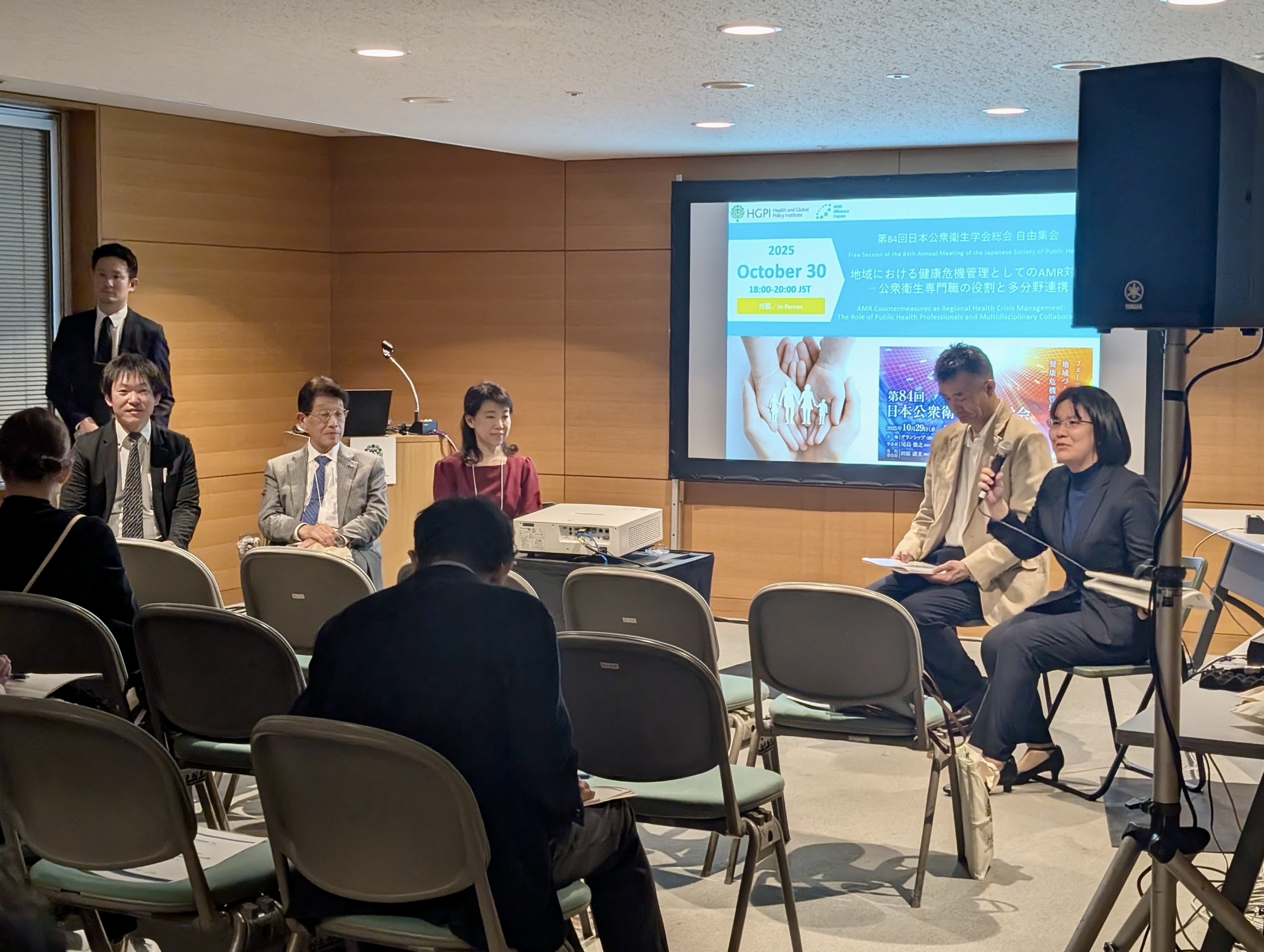
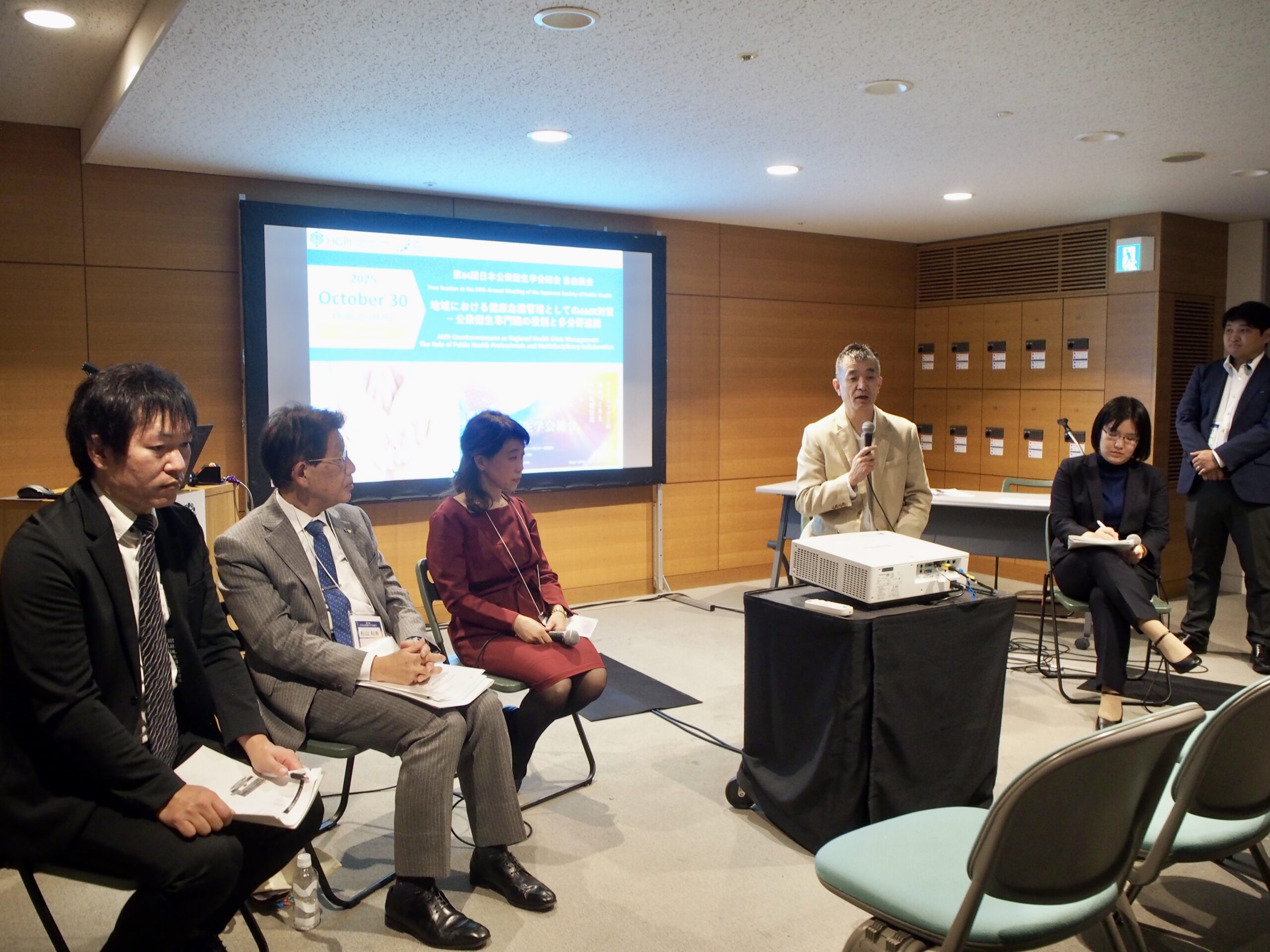
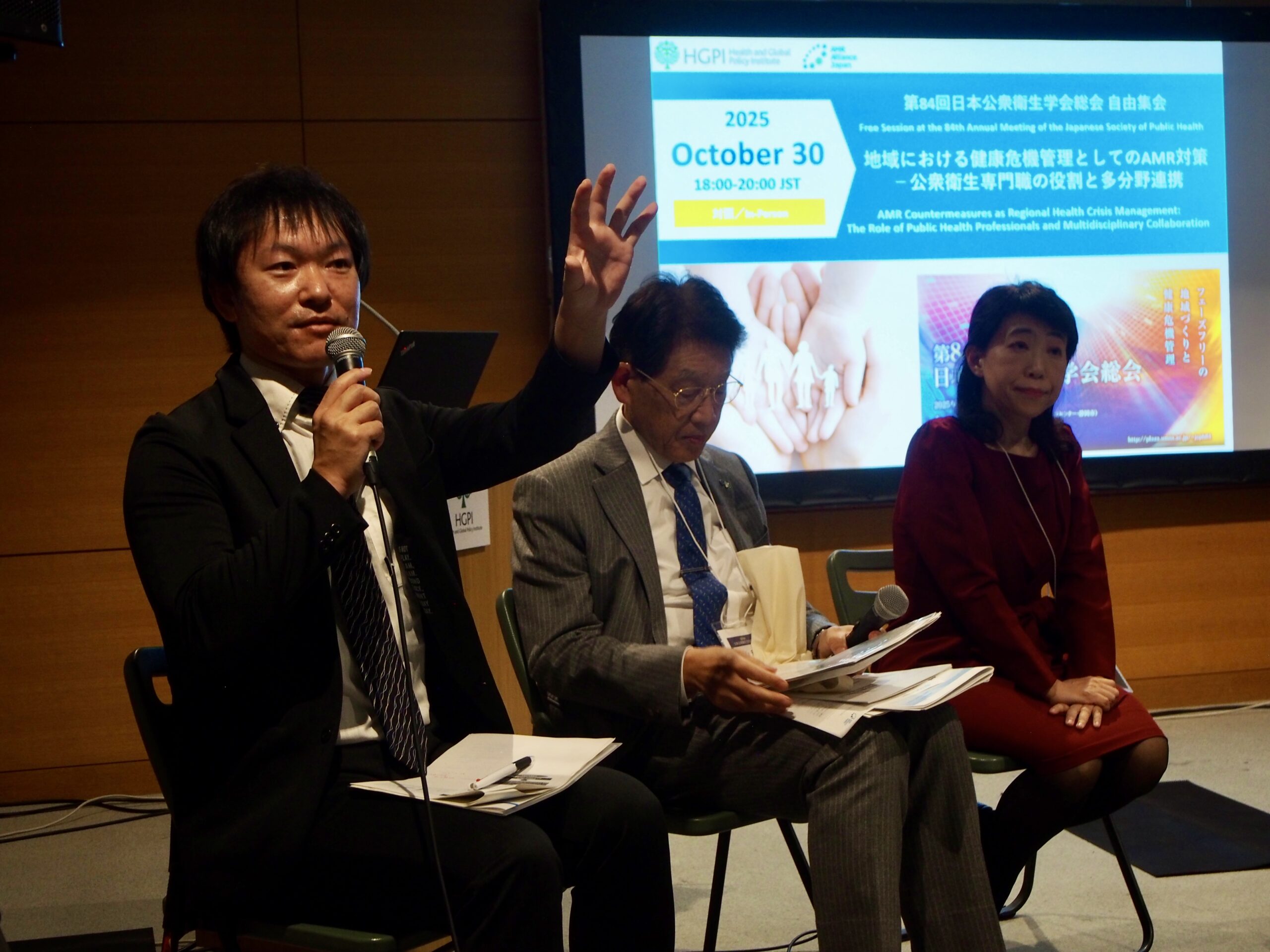
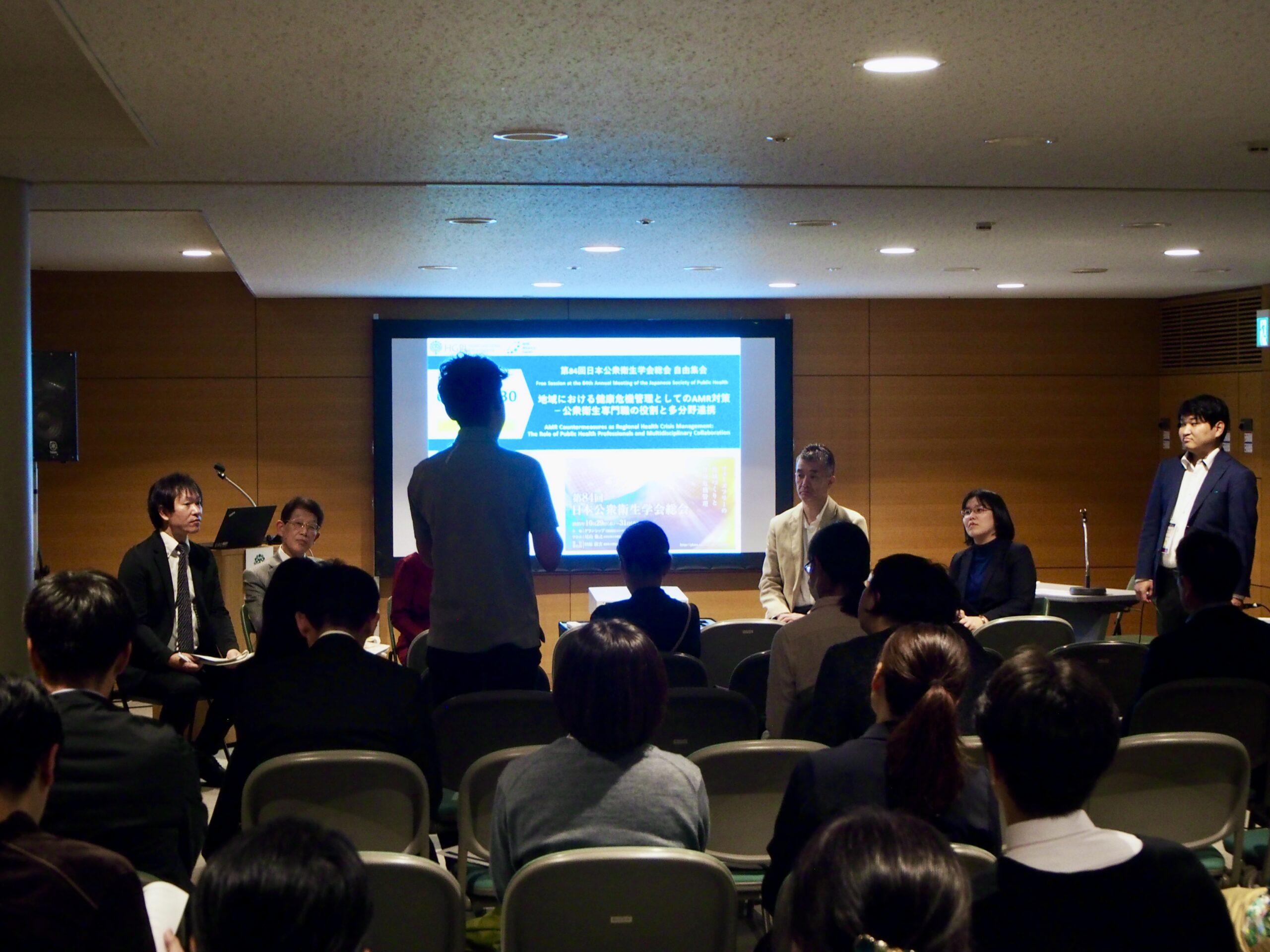
Health and Global Policy Institute (HGPI) and AMR Alliance Japan Japan hosted an Open Meeting titled “AMR Measures as Regional Health Crisis Management: The Role of Public Health Professionals and Multidisciplinary Collaboration” at the 84th Annual Meeting of Japanese Society of Public Health on Thursday, October 30, 2025.
Antimicrobial resistance (AMR) is an urgent global and public health challenge, as explicitly stated in the World Health Organization (WHO)’s “Global Action Plan on AMR” and the Japanese government’s “National Action Plan on AMR (2023-2027)”. AMR not only complicates the treatment of infectious diseases in healthcare settings but also profoundly impacts the health management of local community as well as future healthcare delivery systems. Inappropriate antibiotic use accelerates the emergence of AMR, putting even specialized medical treatments like surgery and cancer therapy at risk.
Grounded in the overall theme of the conference, “Phase-Free Community Development and Health Crisis Management,” this session positioned AMR measures within routine public health activities, educational support for local residents, and awareness campaigns. It aimed to establish AMR measures as an integral part of everyday health crisis management in daily life.
In Shizuoka Prefecture, where the Annual Meeting was held, a multilayered, community-based AMR measures program is being developed. Through the Antibiotic Awareness, Shizuoka (AAS) team, which is a group of multidisciplinary volunteers, and the prefecture’s AMR subcommittee. The team collaborates with administrative bodies (the prefecture and public health centers), the clinical sector (medical institutions), the pharmacy sector (hospital pharmacy departments and pharmacists’ associations), medical associations, laboratory services (clinical and public health laboratories), and veterinary associations. They are advancing cross-sectoral initiatives that include supporting clinical practice, raising public awareness and aiding education, and fostering human resource development. This combination of bottom-up activity and collaboration between the administrative and medical sectors serves as an excellent practical model that can be a valuable reference for other regions. In this context, the Open Meeting provided an opportunity to reconsider municipal AMR measures from the perspective of “phase-free” health crisis management.
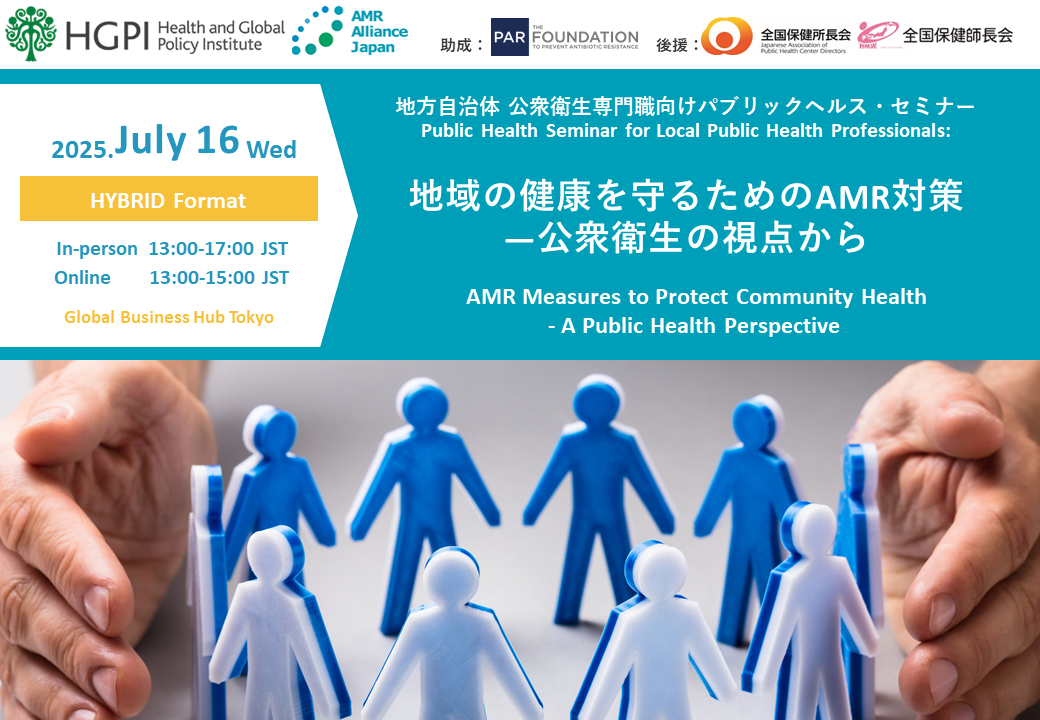
HGPI also held a preliminary Public Health Seminar in July 2025 targeting public health professionals and other professionals from local governments. Under the title “AMR Measures to Protect Community Health – A Public Health Perspective,” the seminar featured presentations from multiple local government and public health center representatives sharing concrete examples of municipal AMR initiatives. These practical examples highlighted the importance of integrating AMR measures into existing programs such as maternal and child health, food sanitation, and tuberculosis control for effective AMR management. Building on the discussions from the July seminar, the Meeting at the Annual Meeting of Japanese Society of Public Health provided a venue to examine AMR measures by local governments from both a broad policy perspective and a practical, on-the-ground standpoint.
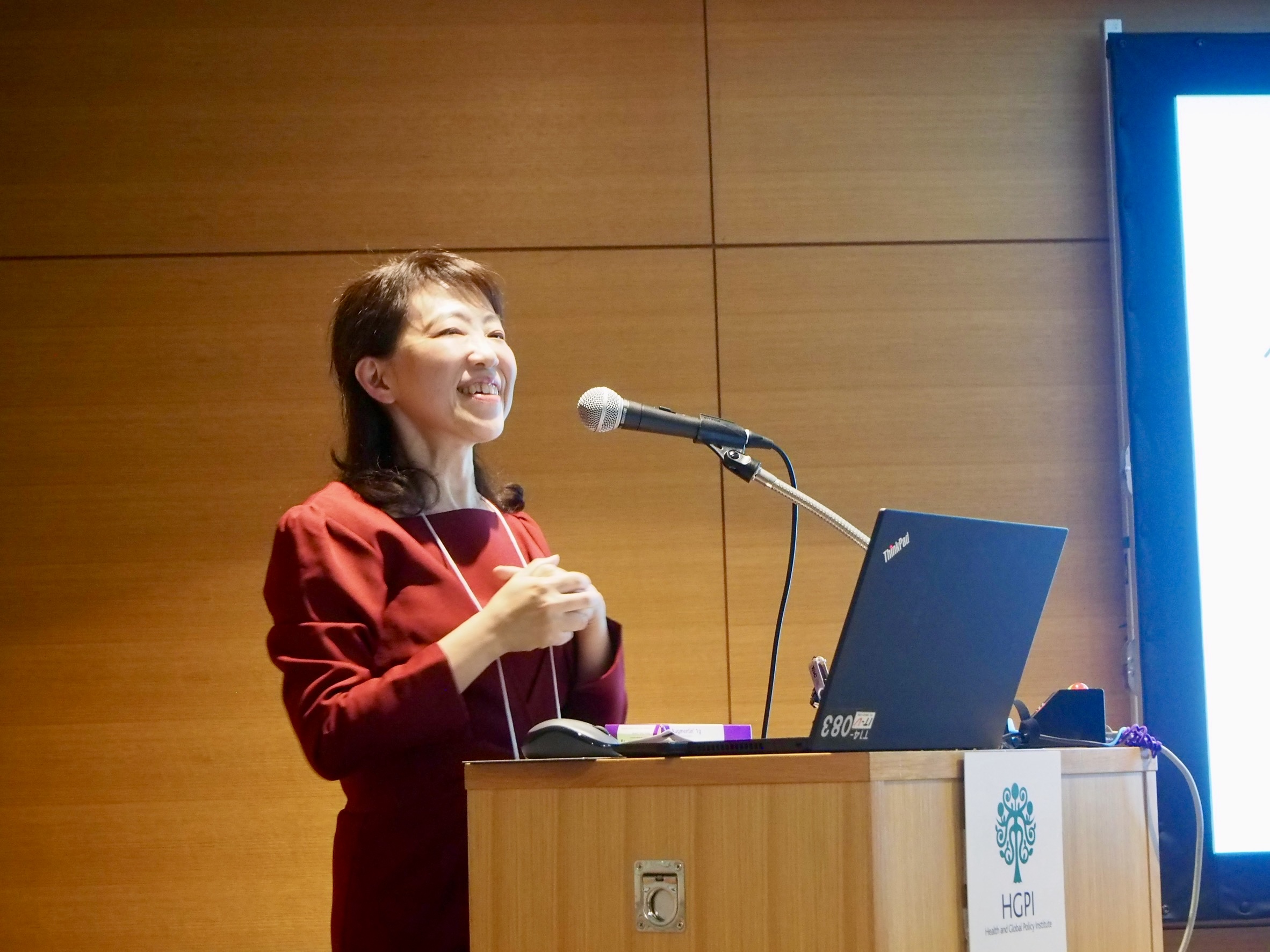
The session opened with a presentation by Dr. Michiko Nagamine, Director of the Itabashi City Public Health Center in Tokyo, on the roles expected of local government staff in advancing AMR measures. This was followed by a presentation of a research report from HGPI on the current status and challenges of implementing AMR measures in local governments across Japan, which organized key issues from multiple angles.
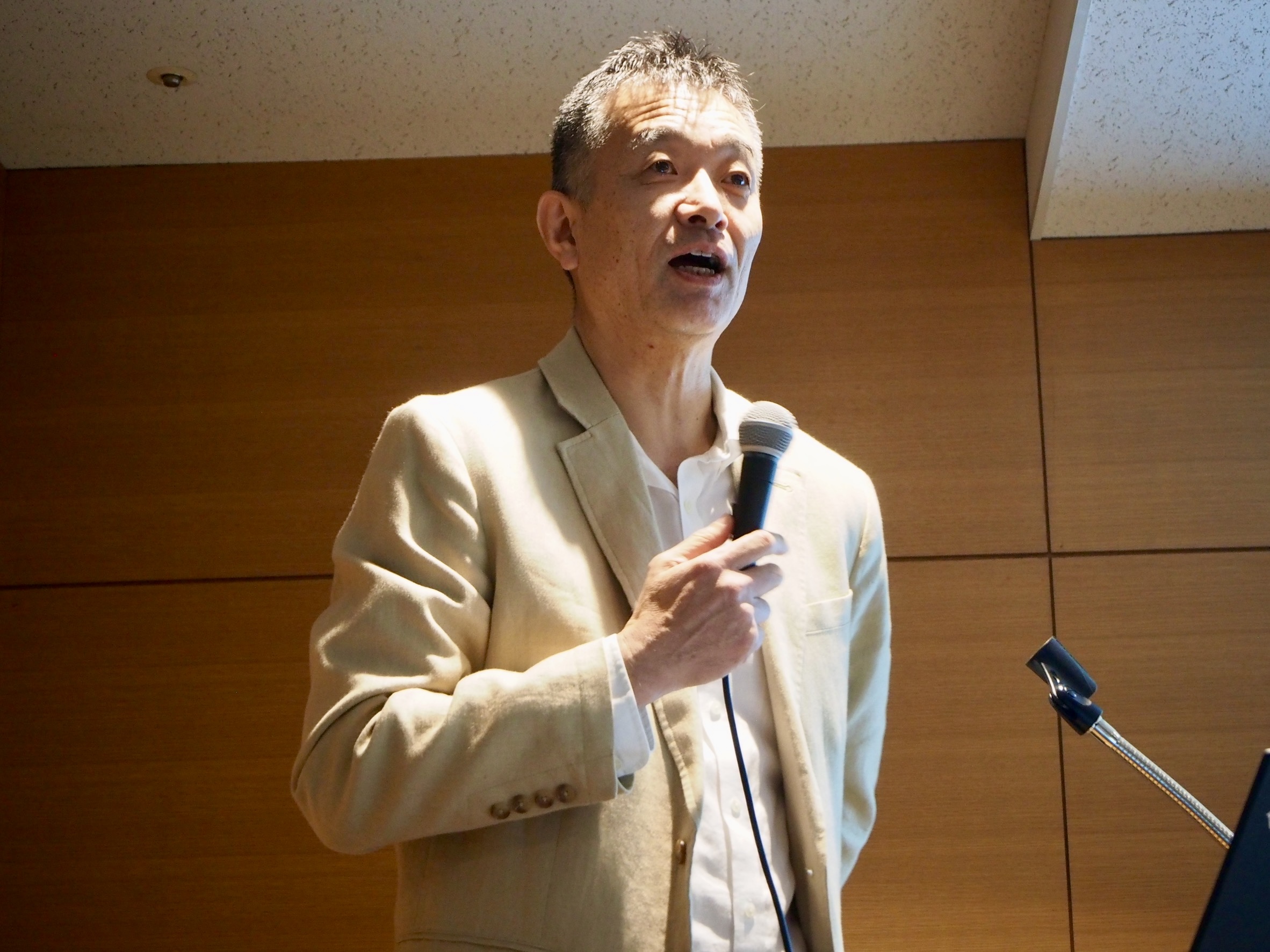
In the latter half of the session, four panelists from diverse professional backgrounds joined a panel discussion. Shedding light on the “One Health Approach,” an integrated view of human, animal, and environmental health, they exchanged views on how to design phase-free AMR measures tailored to the specific characteristics of their own regions and work. The discussion also brainstormed concrete ideas on how to incorporate elements of AMR measures into person-to-person and object-oriented services such as daily health consultations, medical examinations, vaccinations, hygiene management, and food inspections, while linking them with specific project plans and action plans.
Through this Open Meeting, participants reaffirmed the critical role of public health professionals as hubs in cross-sectoral regional networks that connect government, clinical care, pharmacy, veterinary medicine, and other sectors, thereby strengthening community health crisis management capacity in both normal times and emergencies. Going forward, HGPI and AMR Alliance Japan will continue working with local governments and related organizations to advance practical, community-based AMR measures.
 |
 |
 |
 |
 |
 |
 |
 |
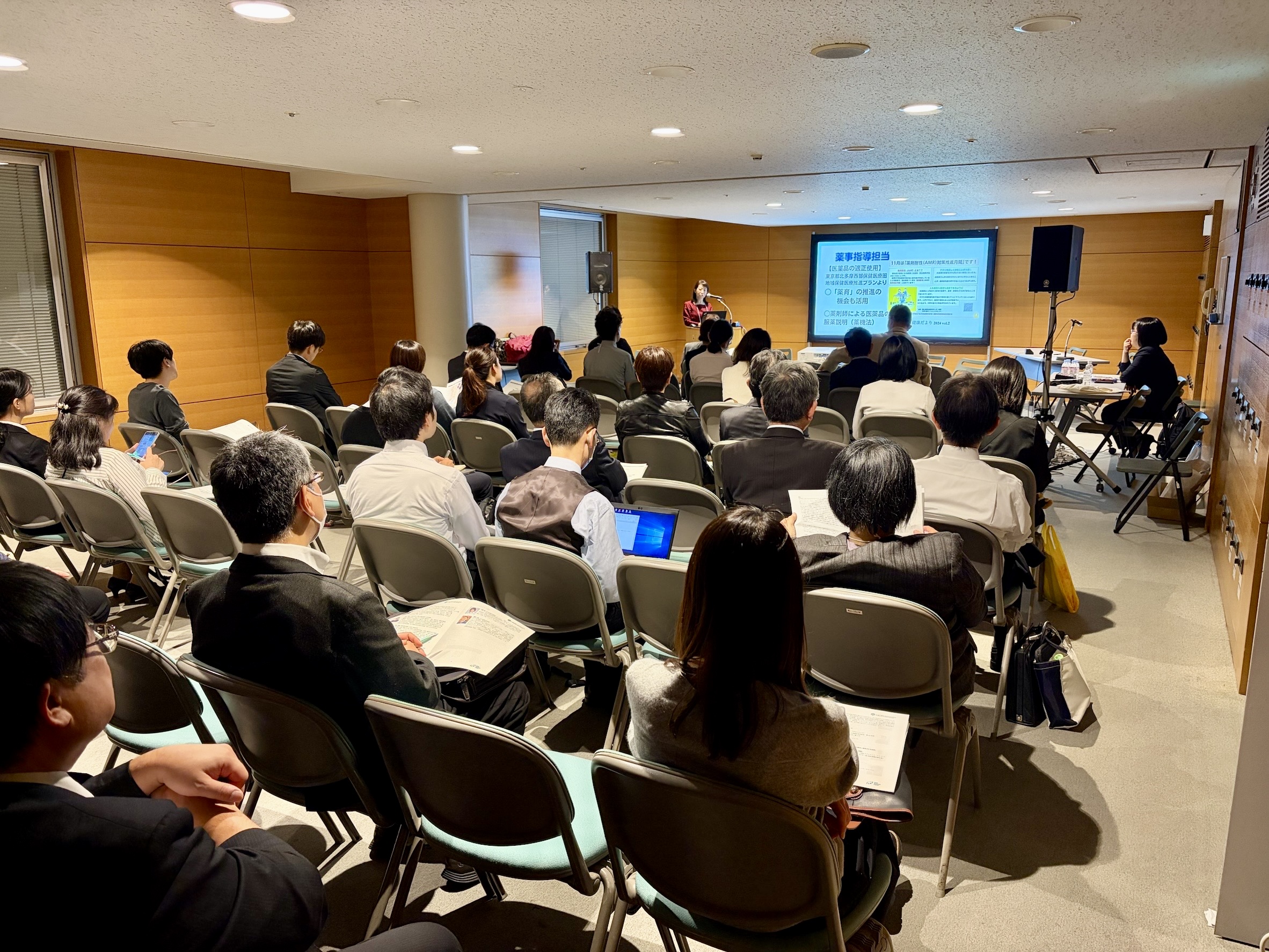
[Event Overview]
- Date & Time: Thursday, October 30, 2025, 18:00-20:00 JST
- Format: In-person
- Venue: Shizuoka Convention Arts Center “GRANSHIP”
2nd Floor Waiting Rooms 2 & 3 (the 84th Annual Meeting of the Japan Society of Public Health, Venue 15) - Language: Japanese
- Participation Fee: Free
- Capacity: 50 participants
- Organizers: Health and Global Policy Institute (HGPI), AMR Alliance Japan
[Program] (Titles omitted)
18:00-18:10 Opening Remarks and Introduction
Yui Kohno (Manager, HGPI / AMR Alliance Japan)
18:10-18:40 Presentation: AMR Countermeasures as Health Crisis Management: The Expected Role of Local Government Staff
Michiko Nagamine (Director, Itabashi City Public Health Center, Tokyo)
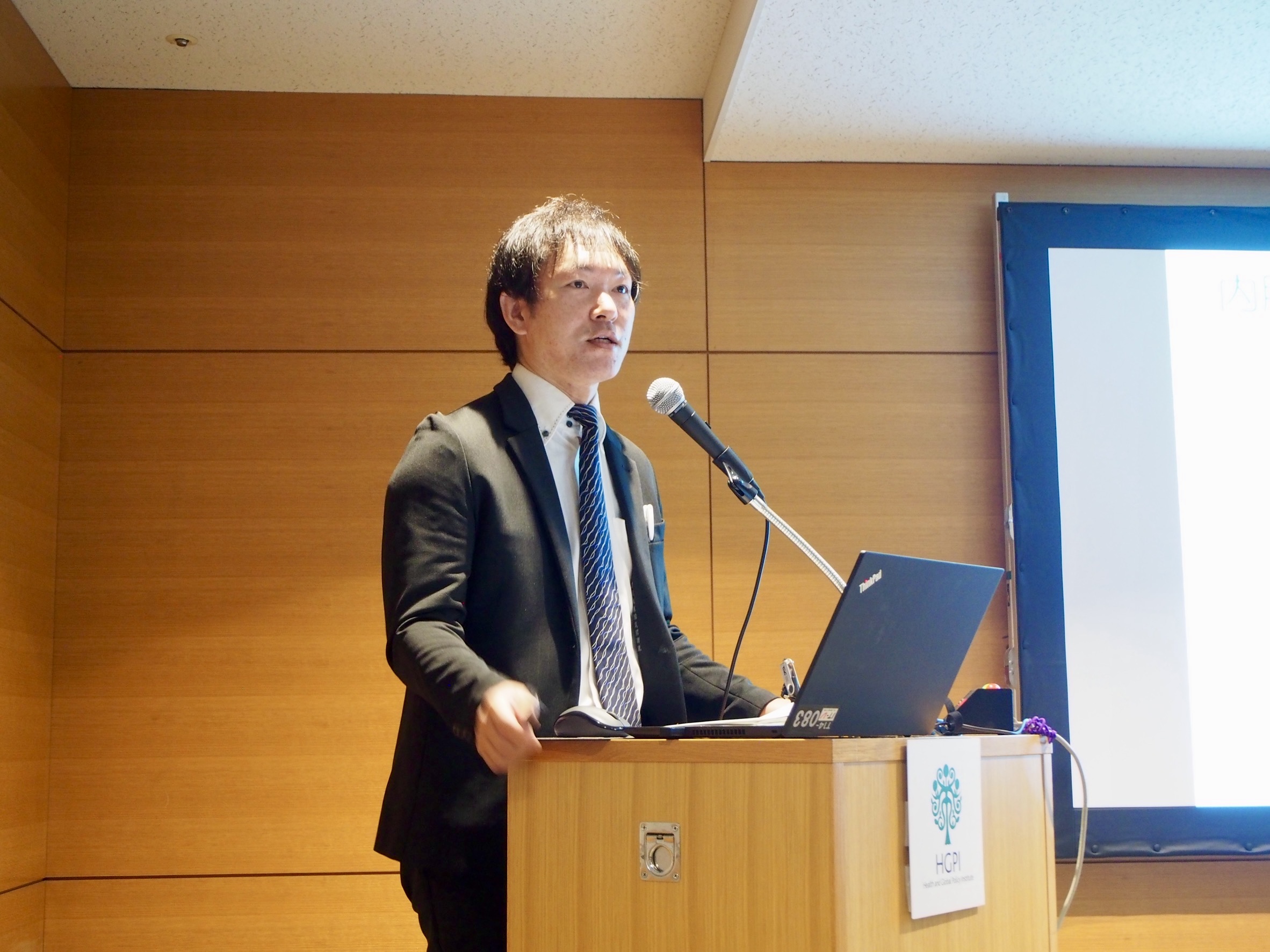
18:40-18:55 Research Report: Current Status and Challenges of AMR Countermeasures in Local Governments
Daichi Watanabe (Senior Associate, HGPI / AMR Alliance Japan)
19:00-19:55 Discussion: Considering Phase-Free AMR Countermeasures for My Region/Work
Panelists:
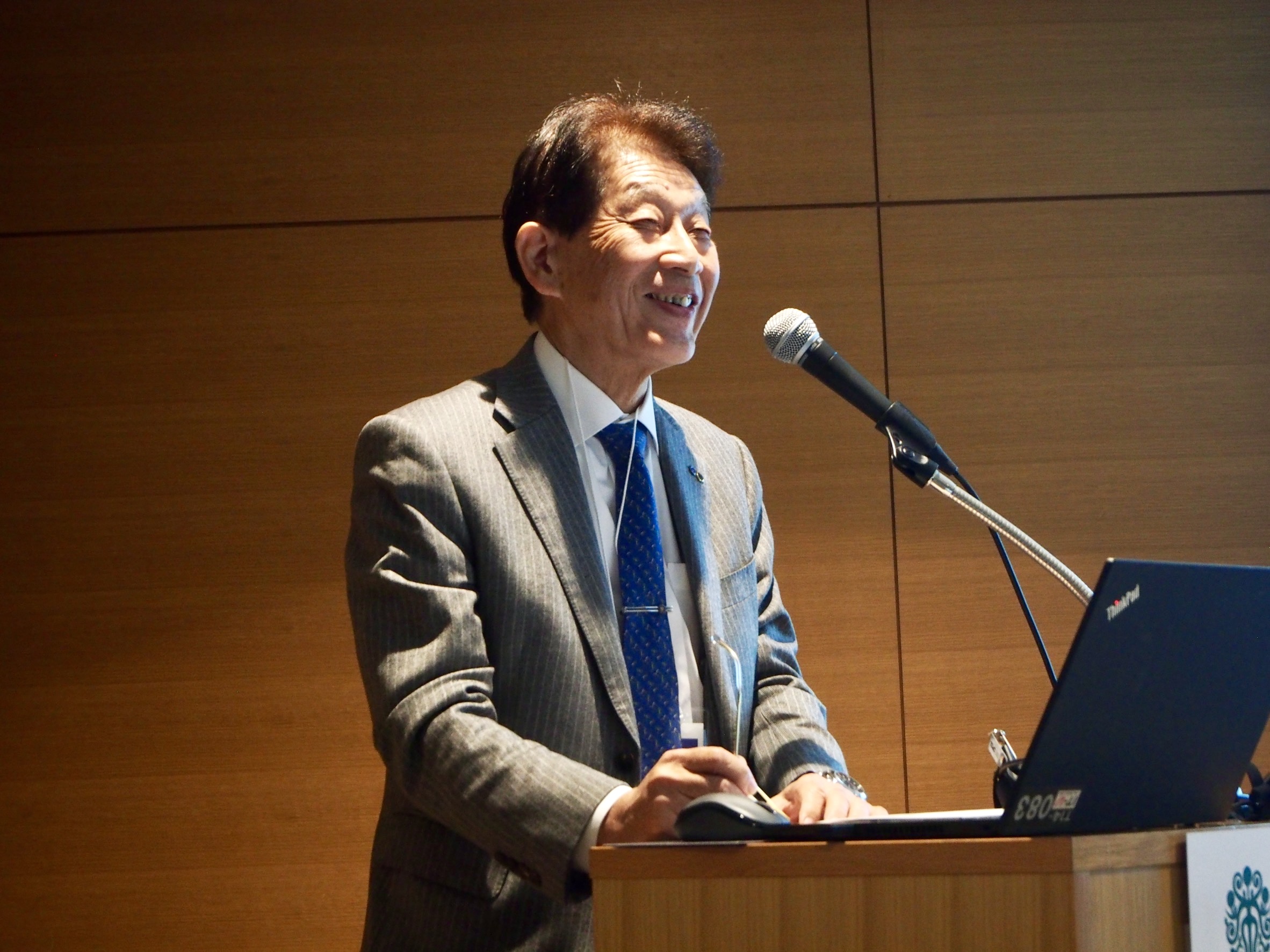
Kazutoshi Sugiyama (President, Shizuoka Veterinary Medical Association)
Toshihiro Tanaka (Chief of Pediatrics, Shizuoka Kosei Hospital)*
Michiko Nagamine (Director, Itabashi City Public Health Center, Tokyo)
Takahiro Mochizuki (Department of Pharmacy, Shizuoka Cancer Center)*
* Short presentations were delivered at the beginning of the session.
Moderator:
Yui Kohno (Manager, HGPI)
19:55-20:00 Summary and Closing Remarks
■ Speaker’s Profile (Titles Omitted)
Michiko Nagamine(Director, Itabashi City Public Health Center, Tokyo)
 Michiko Nagamine graduated from Tokai University School of Medicine. She had a strong interest in international health and tropical medicine since her medical school days, and studied abroad at the University of London and University of Nairobi, where she did clinical practice for about 9 months on a credit-exchange program. After graduation, she did her initial training in the Department of General Medicine at Kawasaki City Kawasaki Hospital. She then obtained a Diploma in Tropical Medicine (DTMH) at Mahidol University (Thailand), and worked as a researcher at the Kenya Medical Research Institute. Since 2003, she has worked as a public health physician for the Tokyo Metropolitan Government, serving in various municipalities including Shinjuku City, Setagaya City, and Minato City, engaging in infectious disease control, health promotion, and various activities. She has been in her current position since 2025. She is also an advisor to the Japanese Society of Tuberculosis, an advisor to the Japanese Society of Social Medicine, and is a certified specialist of the Japanese Society of Public Health, a certified internist of the Japanese Society of Internal Medicine, and a Doctor of Medicine.
Kazutoshi Sugiyama (President, Shizuoka Veterinary Medical Association)
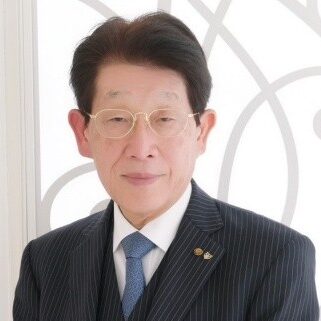 Dr. Sugiyama graduated from Azabu University’s School of Veterinary Medicine and later completed his Ph.D. there. His career includes roles at the Shizuoka Prefectural Poultry Experiment Station and Small Livestock Experiment Station (1984-1991), the Faculty of Agriculture at Shizuoka University (1987-1988), and as Representative Director of the Shizuoka City Emergency Animal Hospital (2015-2020). He currently serves the Director of the Sugiyama Veterinary Clinic, and holds numerous parallel posts, including committee member for the Japan Veterinary Medical Association, Vice President of the Shizuoka Animal Welfare Association, Vice President of the Japanese Clinical Society of Rabies, as well as a cooperative researcher at Azabu University.
Toshihiro Tanaka (Head, Department of Pediatrics, Shizuoka Kosei Hospital)
 Born in Aoi-ku, Shizuoka City, Dr. Tanaka graduated from the University of Tsukuba’s School of Medicine in March 1992. After training and practicing at hospitals within and outside Shizuoka Prefecture, and studying abroad at the Division of Clinical Pharmacology at The Hospital for Sick Children in Toronto, Canada, he has been serving as the Head of the Department of Pediatrics at Shizuoka Kosei Hospital since April 2010. His fields of interest include vaccination, pediatric infectious diseases, clinical pharmacology, intestinal bacteria, and breastfeeding. He is a member of numerous academic societies, including the Japan Pediatric Society, the Japanese Society for Pediatric Infectious Diseases (Board Member, Chair of Pharmaceutical Affairs Committee), the Japanese Association for Infectious Diseases, the Japanese Society for Vaccinology (Board Member), and many others.
Takahiro Mochizuki (Department of Pharmacy, Shizuoka Cancer Center)
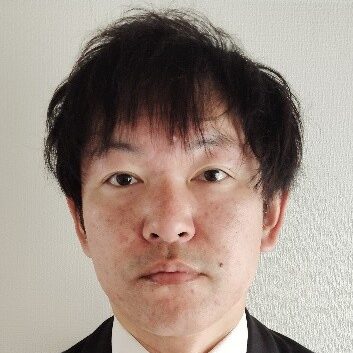 Mr. Mochizuki received his Master’s degree from the Graduate School of Pharmaceutical Sciences at Hokkaido University in 2004 and joined the Shizuoka Cancer Center in the same year. As a specialized pharmacist, he contributes to improving the quality and safety of pharmacotherapy in cancer treatment. He serves as a council member for the Japanese Society of Chemotherapy and the Japanese Society for Infection Prevention and Control. He is a board-certified infection control pharmacist and antimicrobial chemotherapy pharmacist, dedicated to infection control and appropriate drug therapy for cancer patients.
Related Posts
-
2025-10-28
[Event Report] HGPI-Keio University Joint Lecture “Rethinking Actions Against AMR: From Research to Policy, From Japan to the World” (October 1, 2025)
-
2025-09-01
[Discussion Points] International Dialogue "Fostering Community and Citizen-led Approaches to AMR: Lessons from Antibiotic Smart Sweden” (August 29, 2025)
-
2025-09-02
[Event Report] Public Health Seminar for Local Public Health Professionals: "AMR Measures to Protect Community Health - A Public Health Perspective" (July 16, 2025)
-
2025-08-04
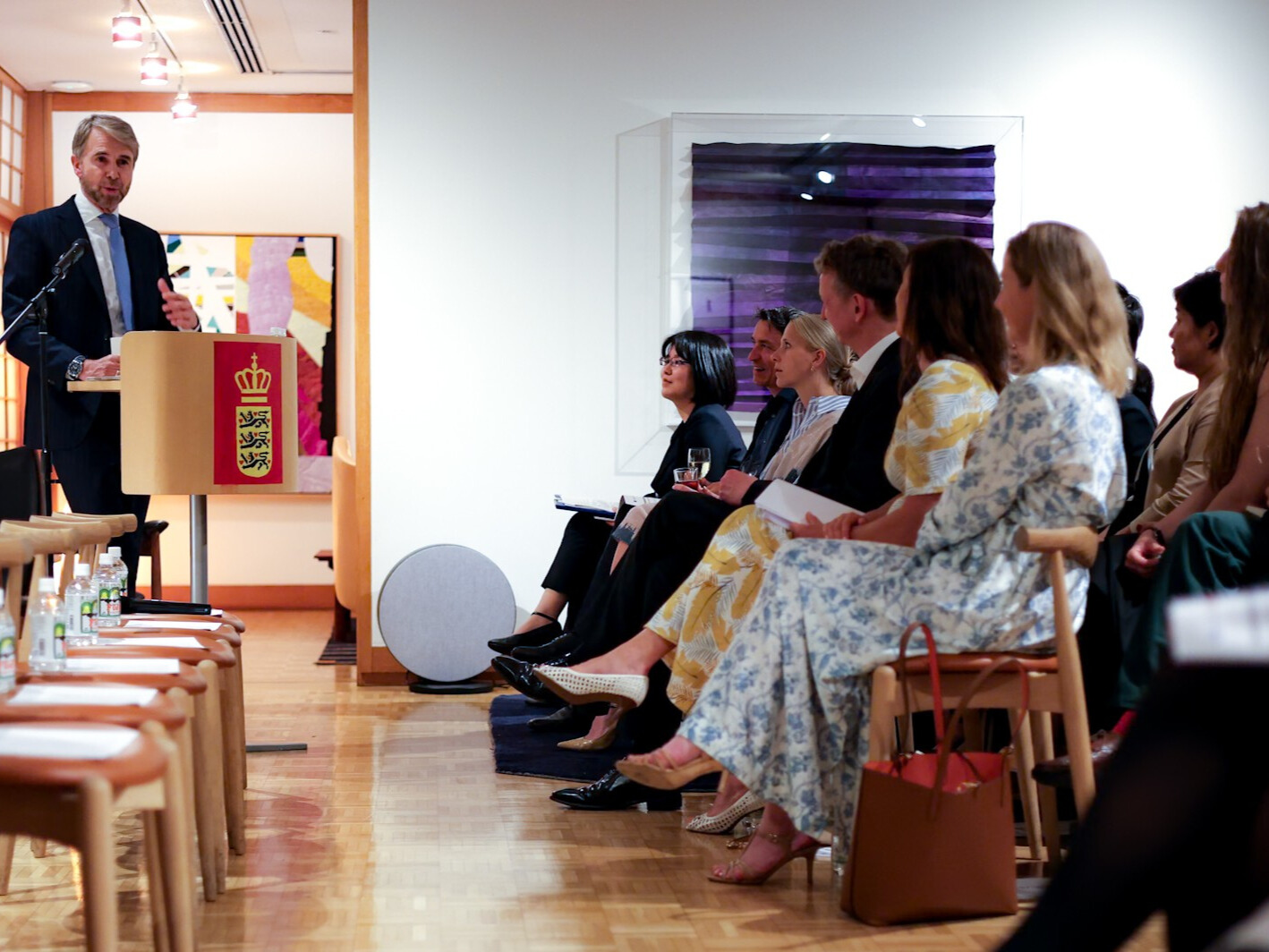
[Event Report] International Policy Dialogue “Advancing Action on AMR – Sustainable Policies, Financing, and Global Partnerships” (June 26, 2025)
-
2025-06-30
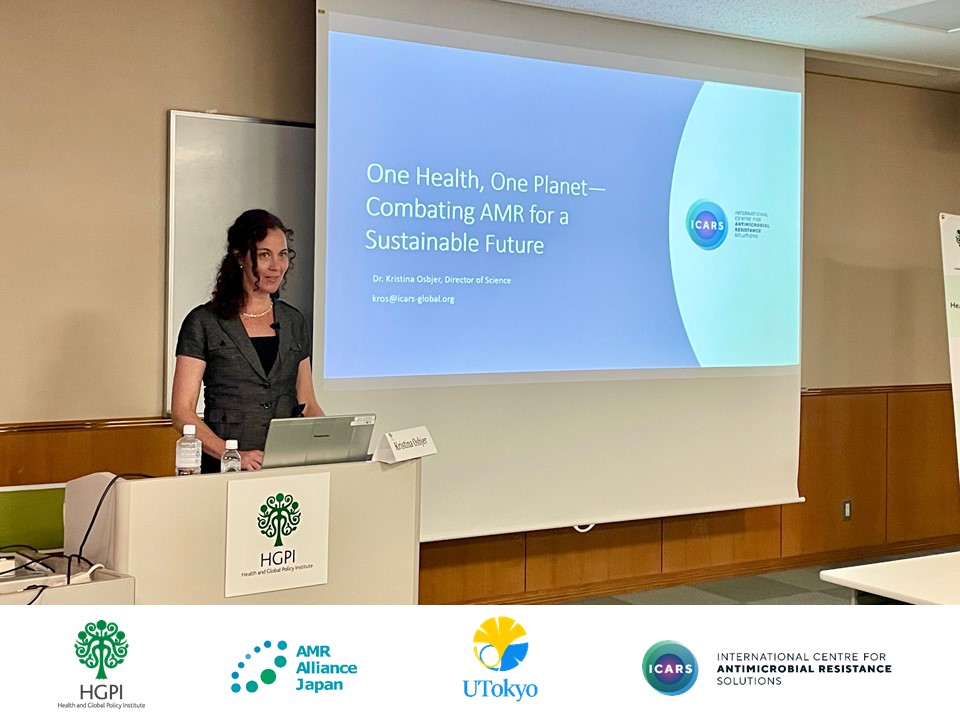
[Event Report] HGPI-The University of Tokyo Joint Lecture “One Health, One Planet – Combating AMR for a Sustainable Future” (June 24, 2025)
-
2025-09-03
[Event Report] AMR Online Seminar “Current Status of Drug-Resistant Pertussis: Challenges and Prospects in Pediatric Infectious Disease Care” (May 15, 2025)
-
2025-11-21
[Research Report] AMR Policy Update #1: AMR Policy for the Next Decade and the Next Century
Top Research & Recommendations Posts
Featured Posts
-
2026-05-18
[Registration Closed] Kick-off Panel Discussion “From Africa and Japan, Drawing from Perspectives Around the World:A Platform for Cultivating a Philosophical Health Dialogue Together” (June 15, 2026)
![[Registration Closed] Kick-off Panel Discussion “From Africa and Japan, Drawing from Perspectives Around the World:A Platform for Cultivating a Philosophical Health Dialogue Together” (June 15, 2026)](https://hgpi.org/en/wp-content/uploads/sites/2/HGPI_20260615_Eyecathch_panel-discussion-From-Japan-and-Africa-in-Discussion-with-the-World_2.png)
-
2026-08-28
[Announcement] The 3rd Kiyoshi Kurokawa Award: Call for Nominations (Deadline: November 30, 2026)
![[Announcement] The 3rd Kiyoshi Kurokawa Award: Call for Nominations (Deadline: November 30, 2026)](https://hgpi.org/en/wp-content/uploads/sites/2/Kiyoshi-Kurokawa-Award_3rd_nominations_eyecatch_caseB_ENG_web_20260929_v0.5.jpg)
-
2026-09-01
[Registration Closed] HGPI Salon 2025-2026 Looking Ahead to the Future of Japan’s Social Security System “Session 6: Japan’s Health Policy through the Lens of Global Security” (October 13, 2026)
![[Registration Closed] HGPI Salon 2025-2026 Looking Ahead to the Future of Japan’s Social Security System “Session 6: Japan’s Health Policy through the Lens of Global Security” (October 13, 2026)](https://hgpi.org/en/wp-content/uploads/sites/2/HGPISalon2025-20266.png)
-
2026-09-17
[Registration Open] (Webinar) The 145th HGPI Seminar “Toward Better AMR Measures at Elderly Care Facilities—Considering Infectious Disease Control in a Super-Aged Society From a Policy Perspective” (October 27, 2026)
![[Registration Open] (Webinar) The 145th HGPI Seminar “Toward Better AMR Measures at Elderly Care Facilities—Considering Infectious Disease Control in a Super-Aged Society From a Policy Perspective” (October 27, 2026)](https://hgpi.org/en/wp-content/uploads/sites/2/HGPIseminar145.png)
-
2026-10-06
[Registration Open] (Webinar) The 146th HGPI Seminar “How We Can Build a Society That Supports Choices Around Organ Donation: Exploring Decision-Making by Citizens and a Multi-Layered Approach Through Strategic Social Marketing” (November 9, 2026)
![[Registration Open] (Webinar) The 146th HGPI Seminar “How We Can Build a Society That Supports Choices Around Organ Donation: Exploring Decision-Making by Citizens and a Multi-Layered Approach Through Strategic Social Marketing” (November 9, 2026)](https://hgpi.org/en/wp-content/uploads/sites/2/HGPI_20261001_Eyecatch_HGPIseminer-146th-1.png)
