


[Event Report] International Dialogue “Fostering Community and Citizen-led Approaches to AMR: Lessons from Antibiotic Smart Sweden” (October 25, 2024)
date : 11/11/2024
Tags: AMR

![[Event Report] International Dialogue “Fostering Community and Citizen-led Approaches to AMR: Lessons from Antibiotic Smart Sweden” (October 25, 2024)](https://hgpi.org/en/wp-content/uploads/sites/2/cef5eae37b24c2cbd38d29f351e23473.png)
Antimicrobial Resistance (AMR) has drawn significant attention as a public health and global health challenge and has been internationally discussed at European Union (EU) and G7 levels. In 2019, 4.95 million lives were lost due to the impact of AMR. If appropriate AMR countermeasures are not implemented, it is predicted that 39 million people will lose their lives over the next 25 years.
Furthermore, AMR is a complex challenge spanning human health, animal health, food production, and the environment, necessitating cross-sectoral collaboration among medical institutions, elderly care facilities, educational institutions, water, and sewage facilities, agricultural and aquacultural facilities, and other relevant sectors. It is imperative that countries, regions, and the international society work together to promote this interdisciplinary cooperation. However, these facilities are an integral part of citizens’ daily lives in the local community, and their activities reflect the unique characteristics of each community, including demographics, history, and local industries. Given this understanding, community and citizen-led approach to AMR are essential to advance our fight against AMR in a community-based manner, in collaboration with a diverse range of stakeholders.
In line with the recognition above, Sweden has launched an inter-ministerial initiative named “Antibiotic Smart Sweden,” with multiple municipalities and regions participating to promote cross-sectoral collaboration in AMR countermeasures. With the support of various stakeholders, community and citizen-led approach to AMR are advancing, including surveys on AMR trends in sewage facilities and elderly care facilities, as well as awareness-raising activities in educational institutions.
In Japan, the significance of community and citizen-led AMR countermeasures is recognized, but specific AMR measures and budget allocations are largely at the discretion of local governments, resulting in varying levels of AMR countermeasures across local communities. At the same time, expectations for the role of local communities in infectious disease control, including AMR countermeasures, have increased, following the comprehensive revision of the “Government Action Plan for Pandemic Influenza and New Infectious Diseases.” At the global level, each country is now also encouraged to translate the vision of the international society into concrete practices at the local community level, considering the adoption of a political declaration on AMR at the high-level meeting of the United Nations General Assembly on 26 September 2024. Guidance towards community-based, citizen-led AMR Countermeasures are urgently needed.
Thus, this meeting focused on Sweden and Japan, who are leading the global fight against AMR as the EU presidency (first half of the year) and the G7 presidency in 2023. After an overview of Sweden’s AMR initiatives including Antibiotic Smart Sweden, case studies of community and citizen-led approach to AMR in both countries were presented by local government. We discussed and explored the opportunities and challenges of implementing community and citizen-led approach to AMR in expanded different locations and outline future perspectives.
The report from this international dialogue can be found here.
[Event Overview]
- Date & Time: Friday, October 25, 2024; 18:00-20:00 JST
- Format: In-person
- Venue: Global Business Hub Tokyo, Grand Cube 3F, Otemachi Financial City, 1-9-2, Otemachi, Chiyoda-ku, Tokyo
- Language: Japanese and English (with simultaneous interpretation)
- Participation Fee: Free
- Host: Health and Global Policy Institute (HGPI), AMR Alliance Japan
- Sponsored by: Scandinavia-Japan Sasakawa Foundation
[Program] (Titles omitted; listed in order of presentation)
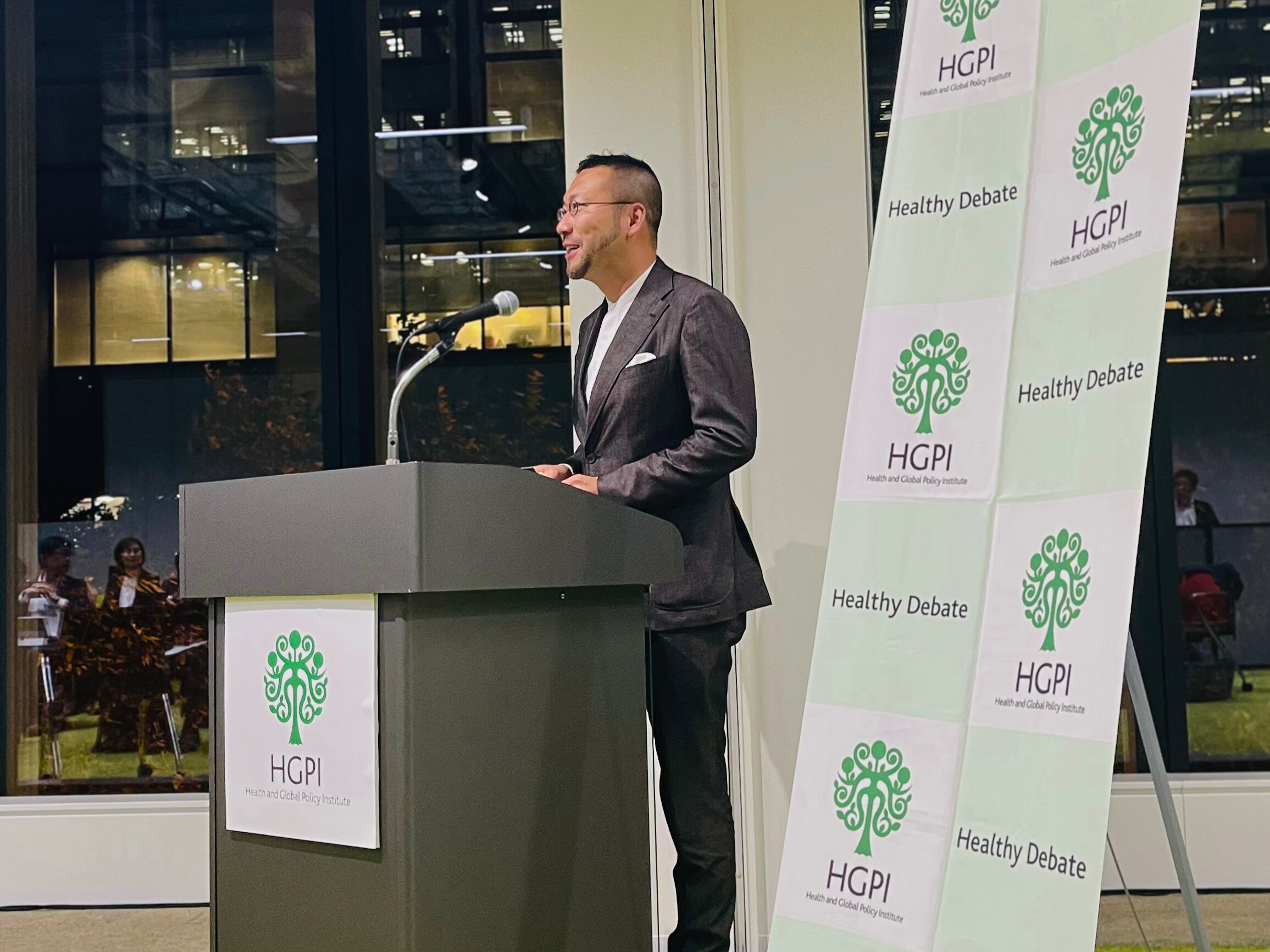
18:00-18:10 Opening Remarks
Ryoji Noritake (Chair, Health and Global Policy Institute)
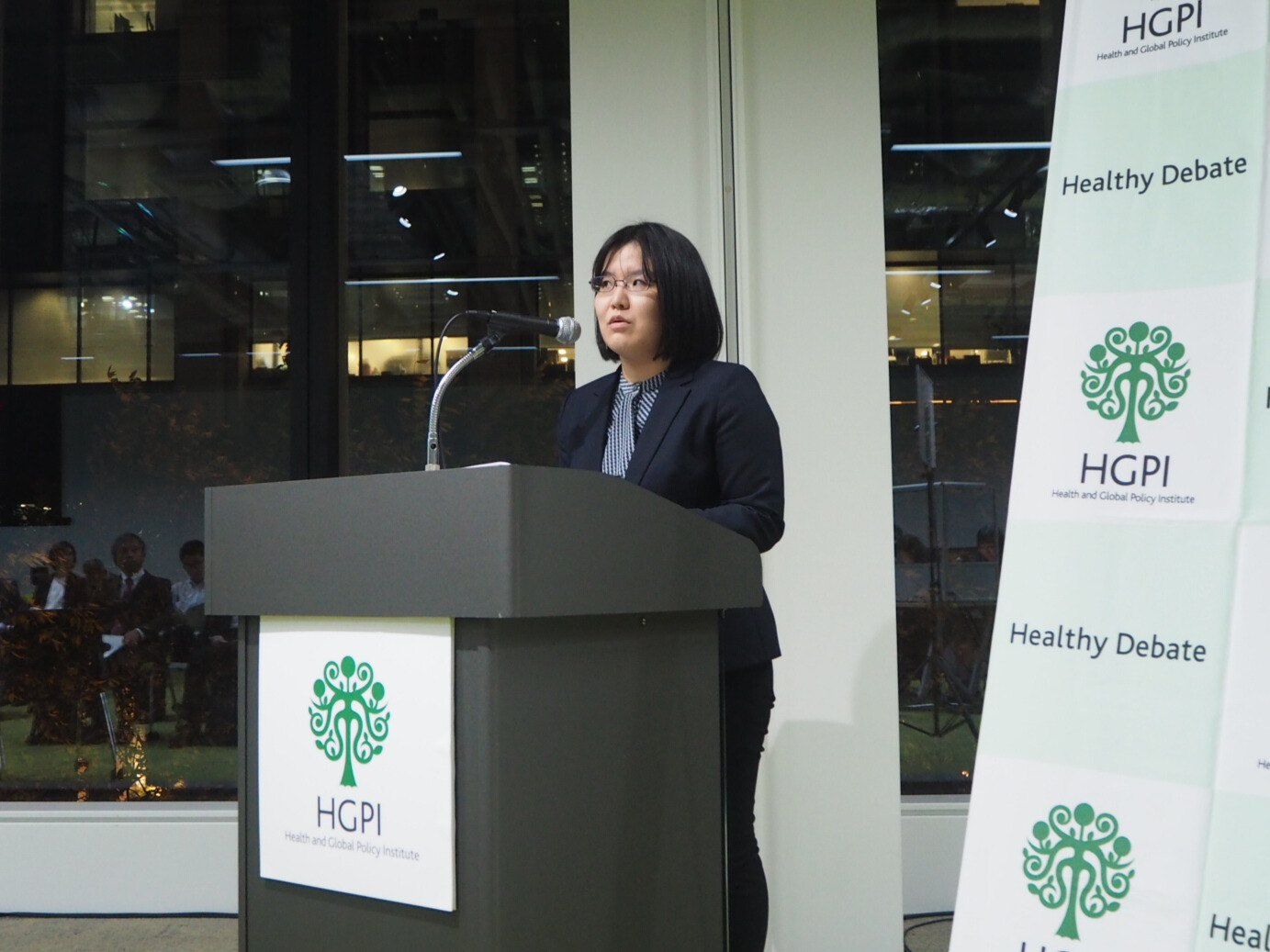 18:10-18:20 Explanatory Introduction
Yui Kohno (Manager, Health and Global Policy Institute / AMR Alliance Japan)
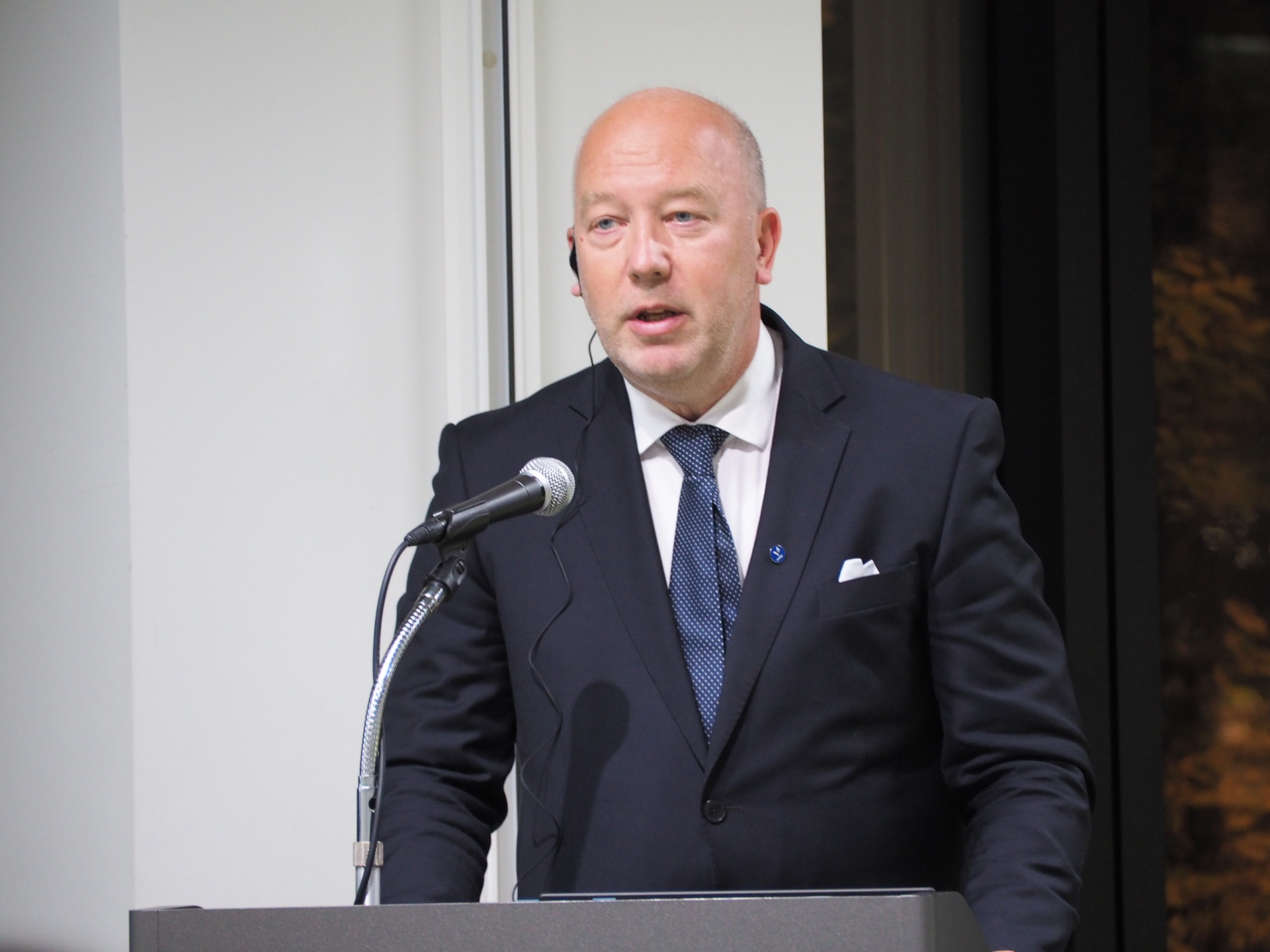
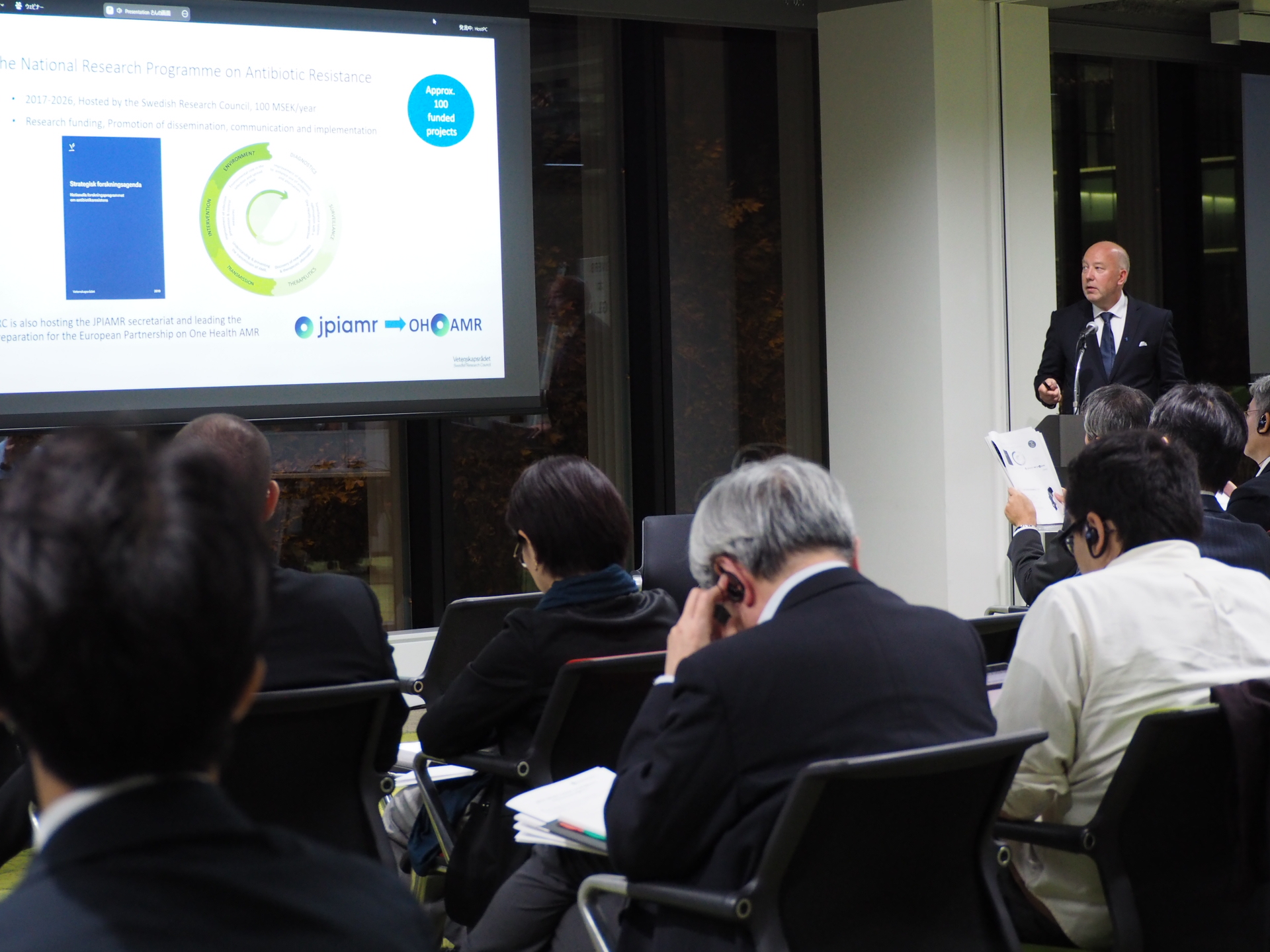
18:20-18:40 Lecture 1 “AMR Countermeasures in Europe with a Focus on Research and Policy Development ”
Patriq Fagerstedt (Senior Research Policy Officer, Vetenskapsrådet, Swedish Research Council /
Acting Head of the Secretariat, the Joint Programming Initiative on Antimicrobial Resistance (JPIAMR))
18:40-19:00 Lecture 2 “Antibiotic Smart Sweden”
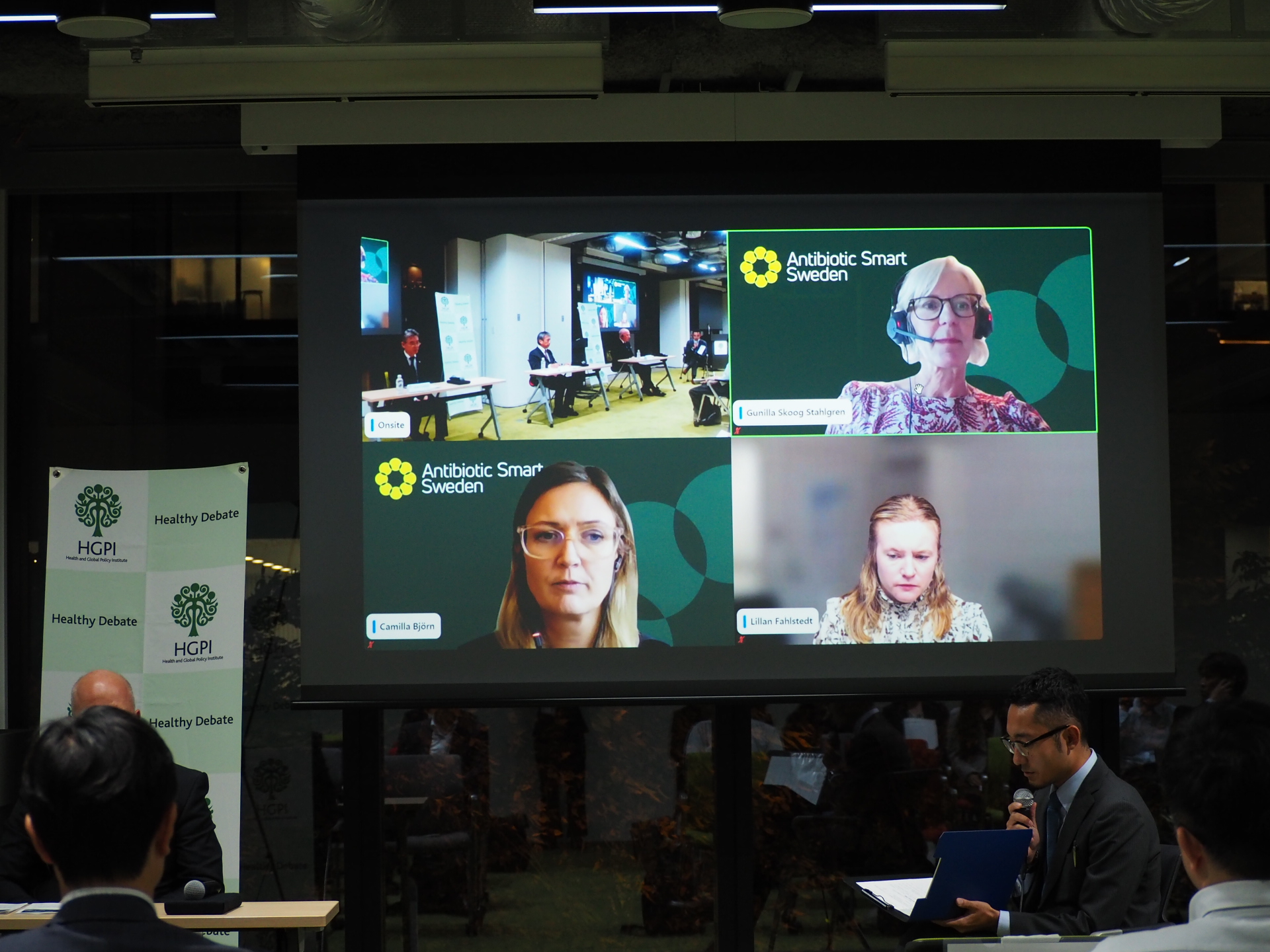
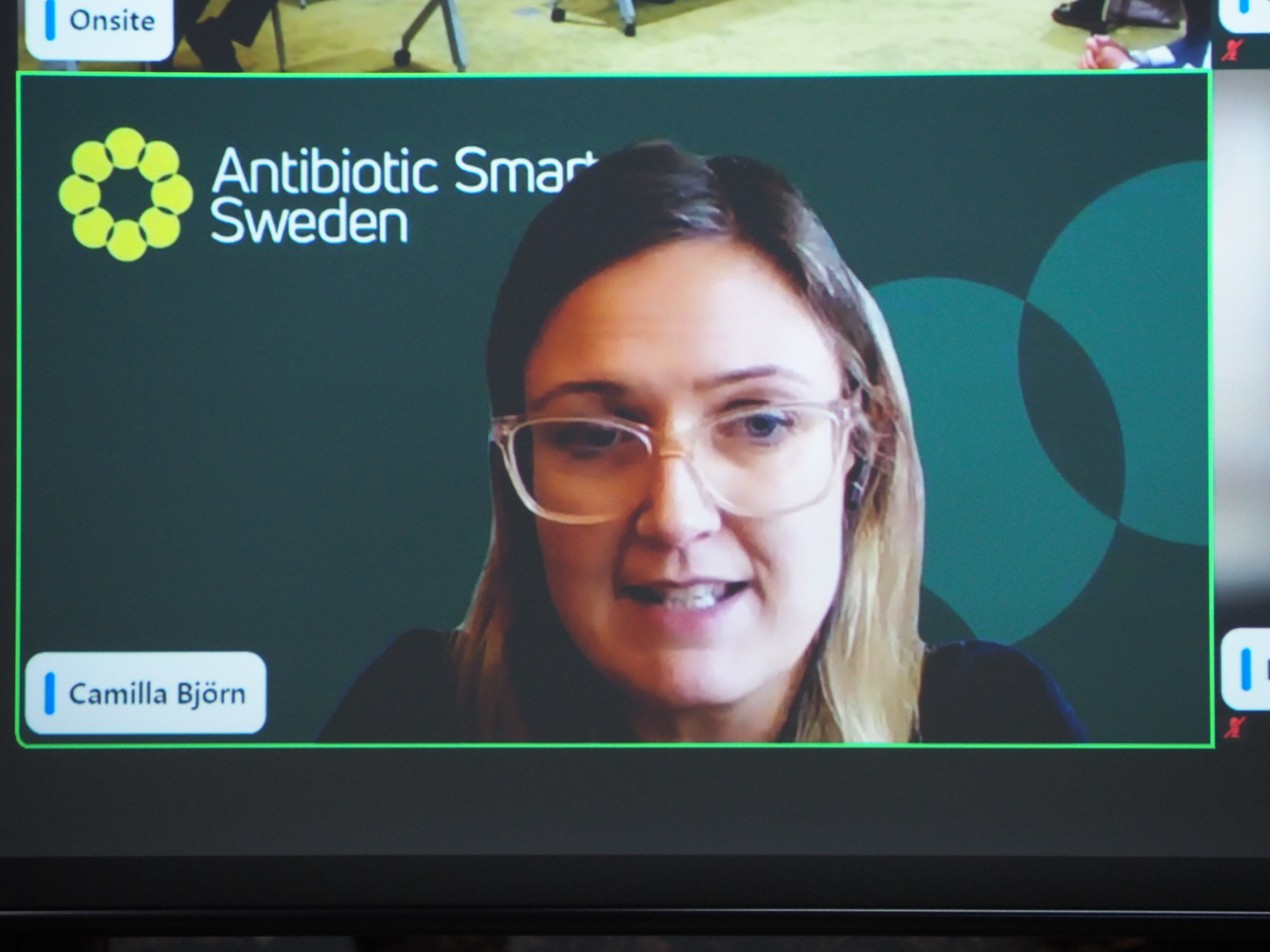 Camilla Björn (Project Leader, Antibiotic Smart Sweden/ RISE Research Institutes of Sweden)
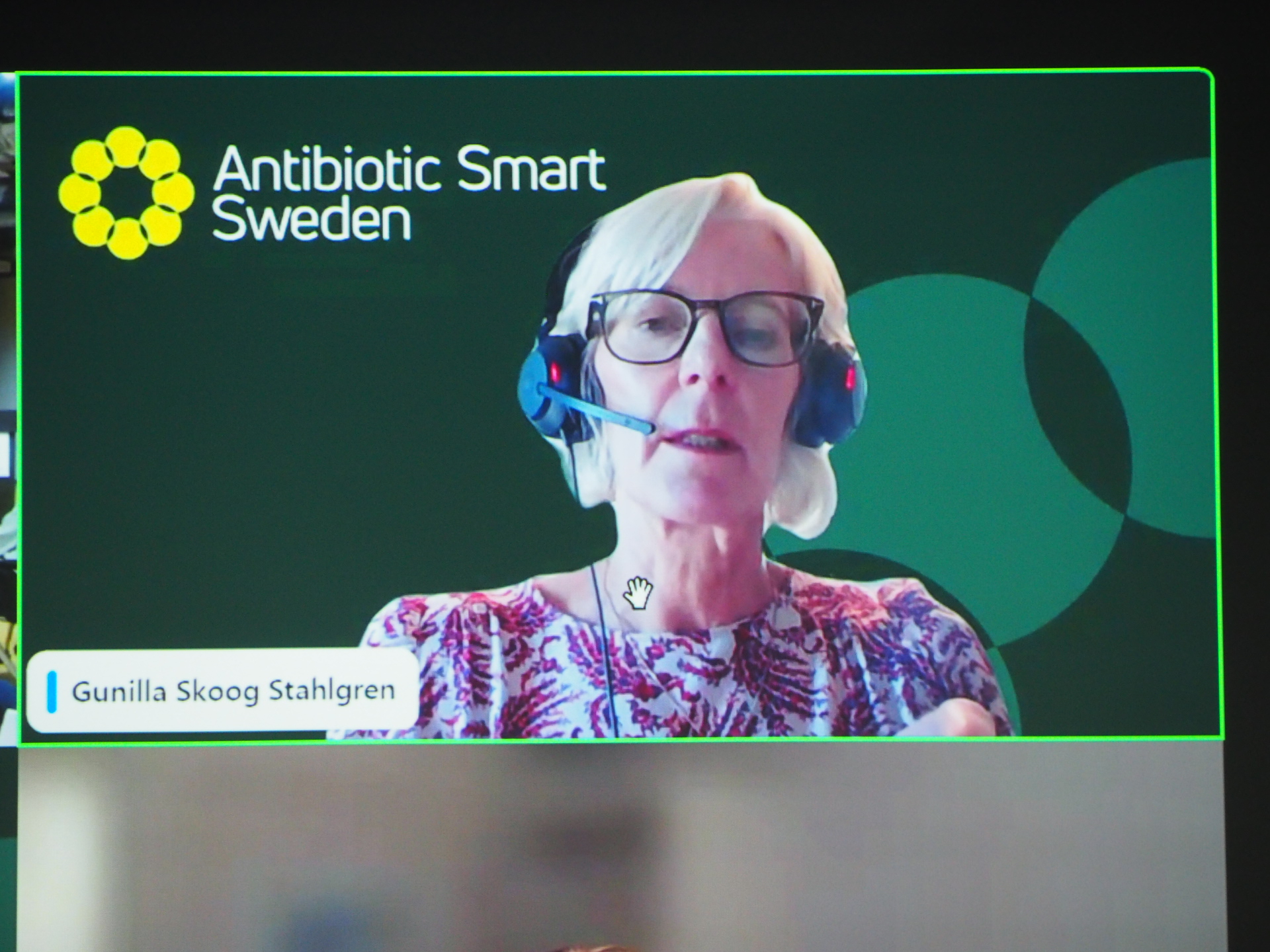 Gunilla Skoog Ståhlgren (Project Leader, Antibiotic Smart Sweden/ Public Health Agency of Sweden)
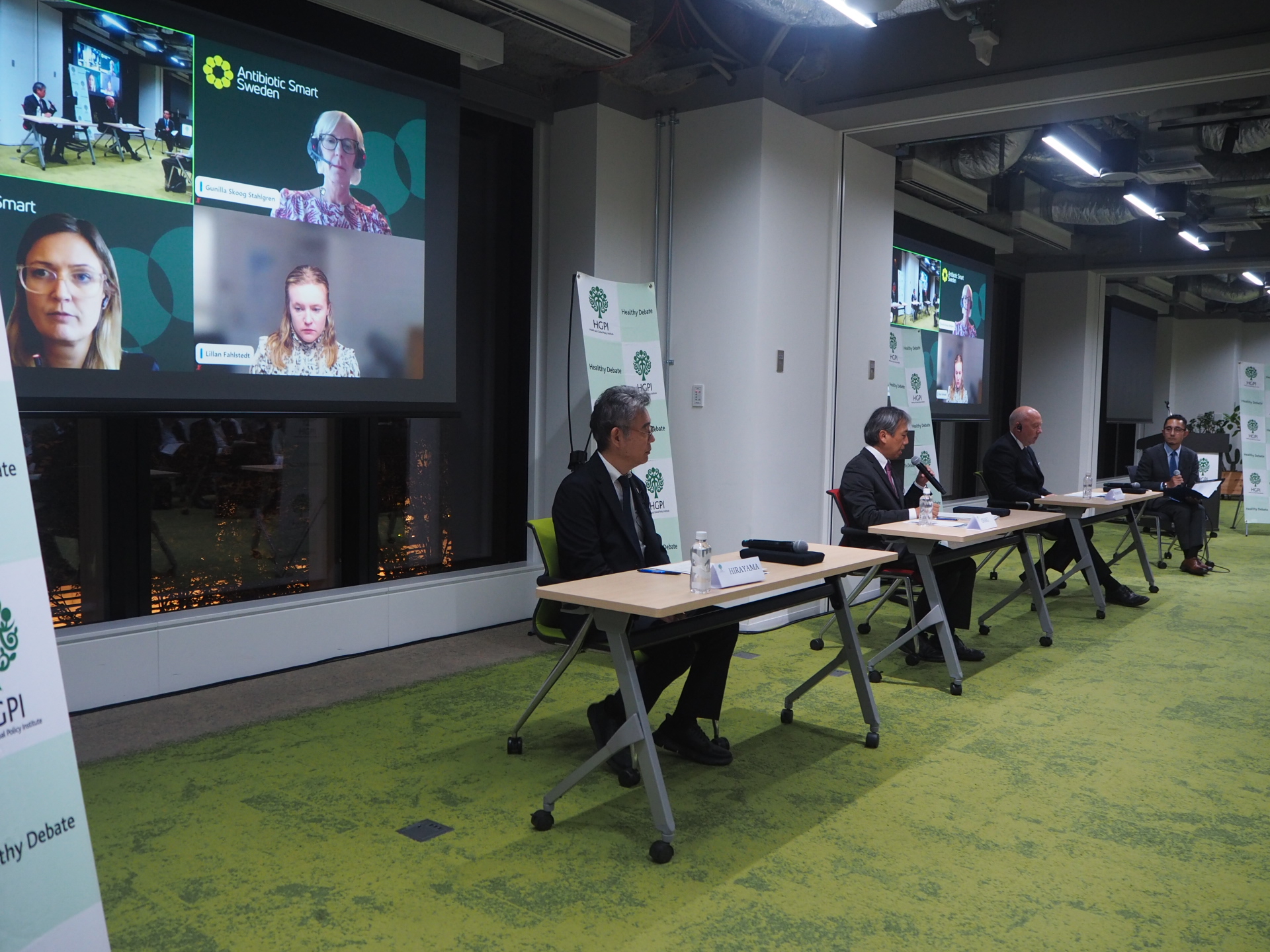
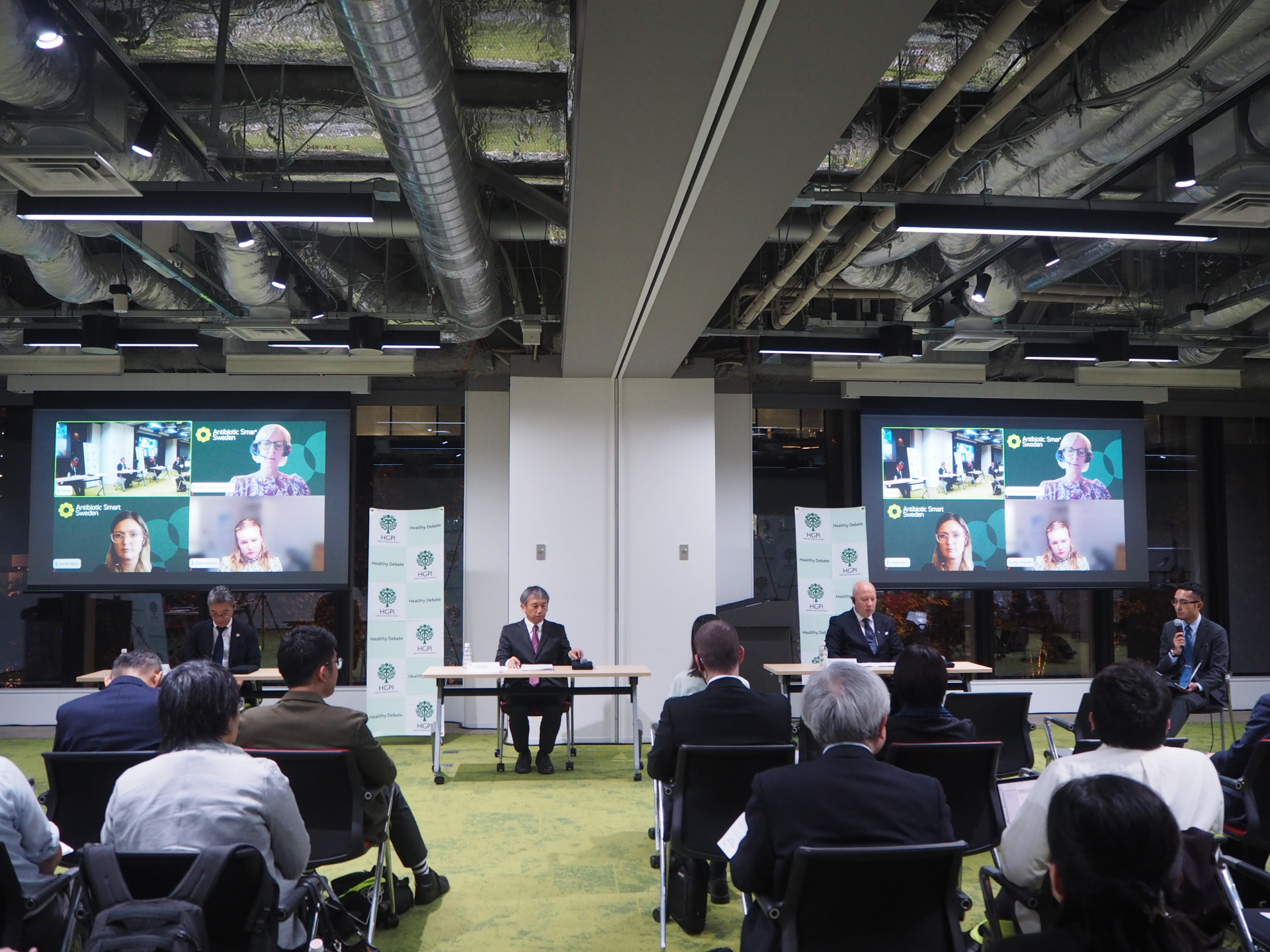
19:00-19:50 Discussion “Fostering Community and Citizen-led Approaches to AMR”
Panelists:
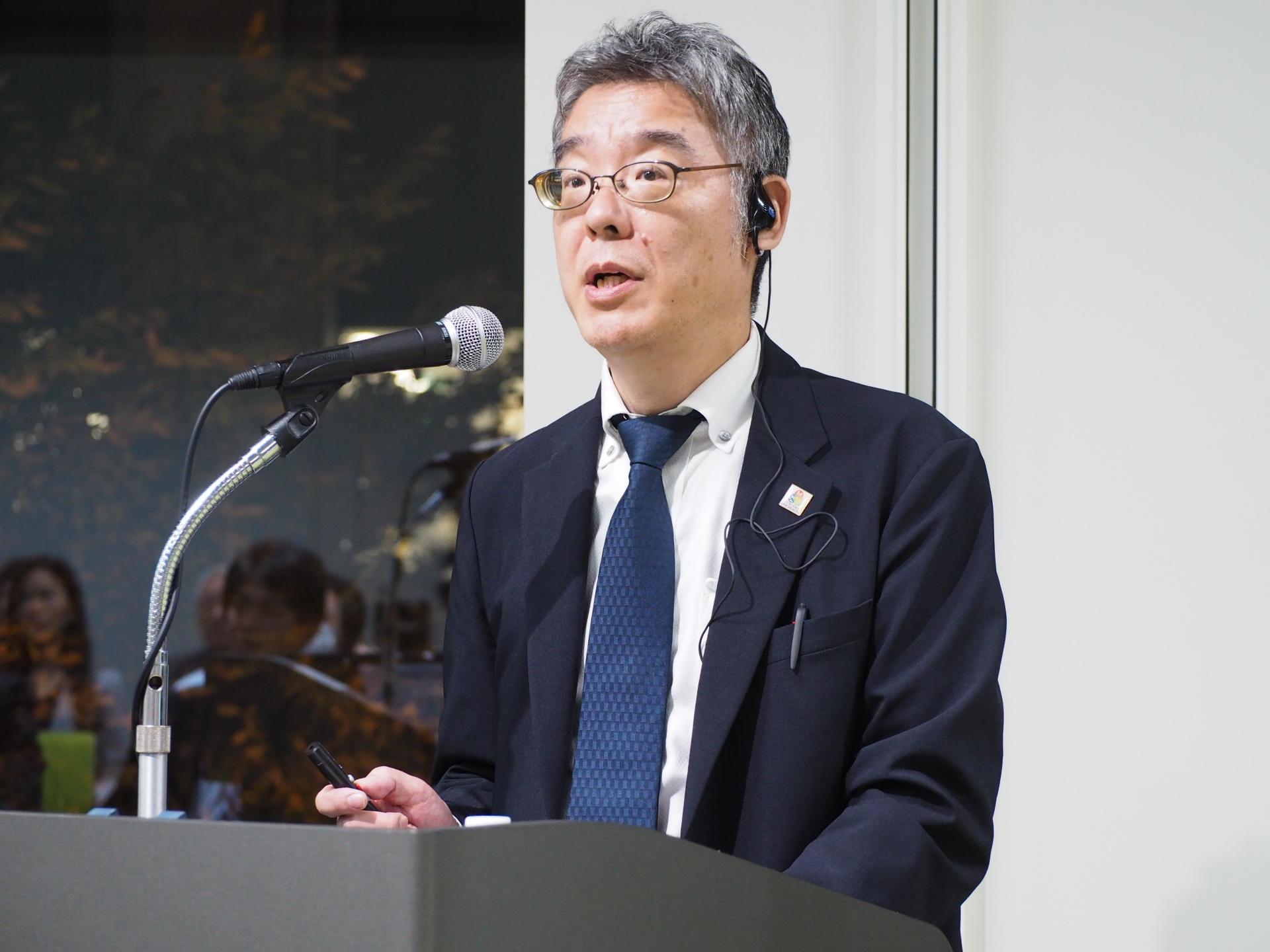
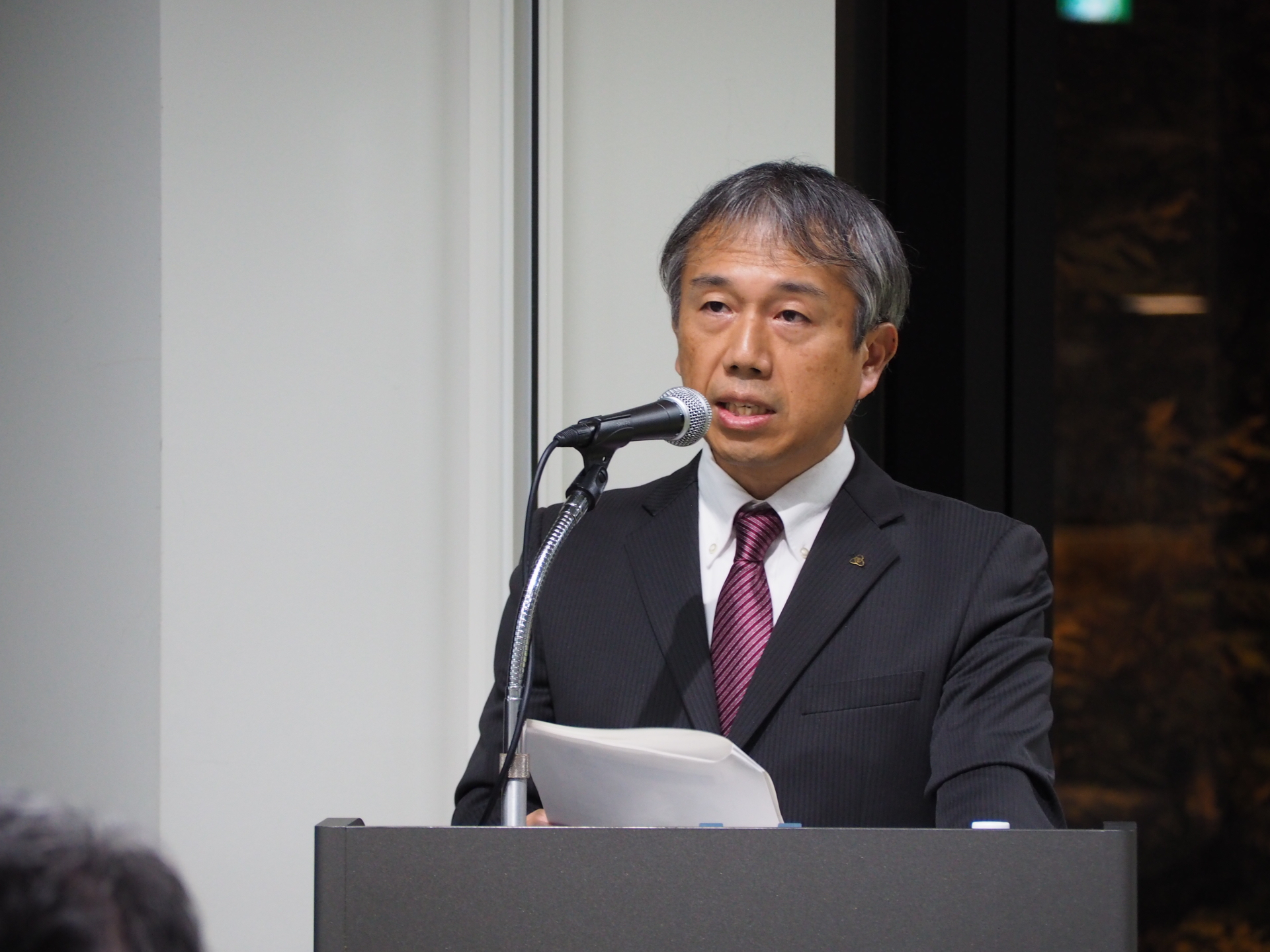 Shogo Osaki (Manager, Community Medical Division, Health and Welfare Bureau, Himeji City)
Hirofumi Hirayama (Director, One Health General Promotion Division, Fukuoka Prefectural Government)
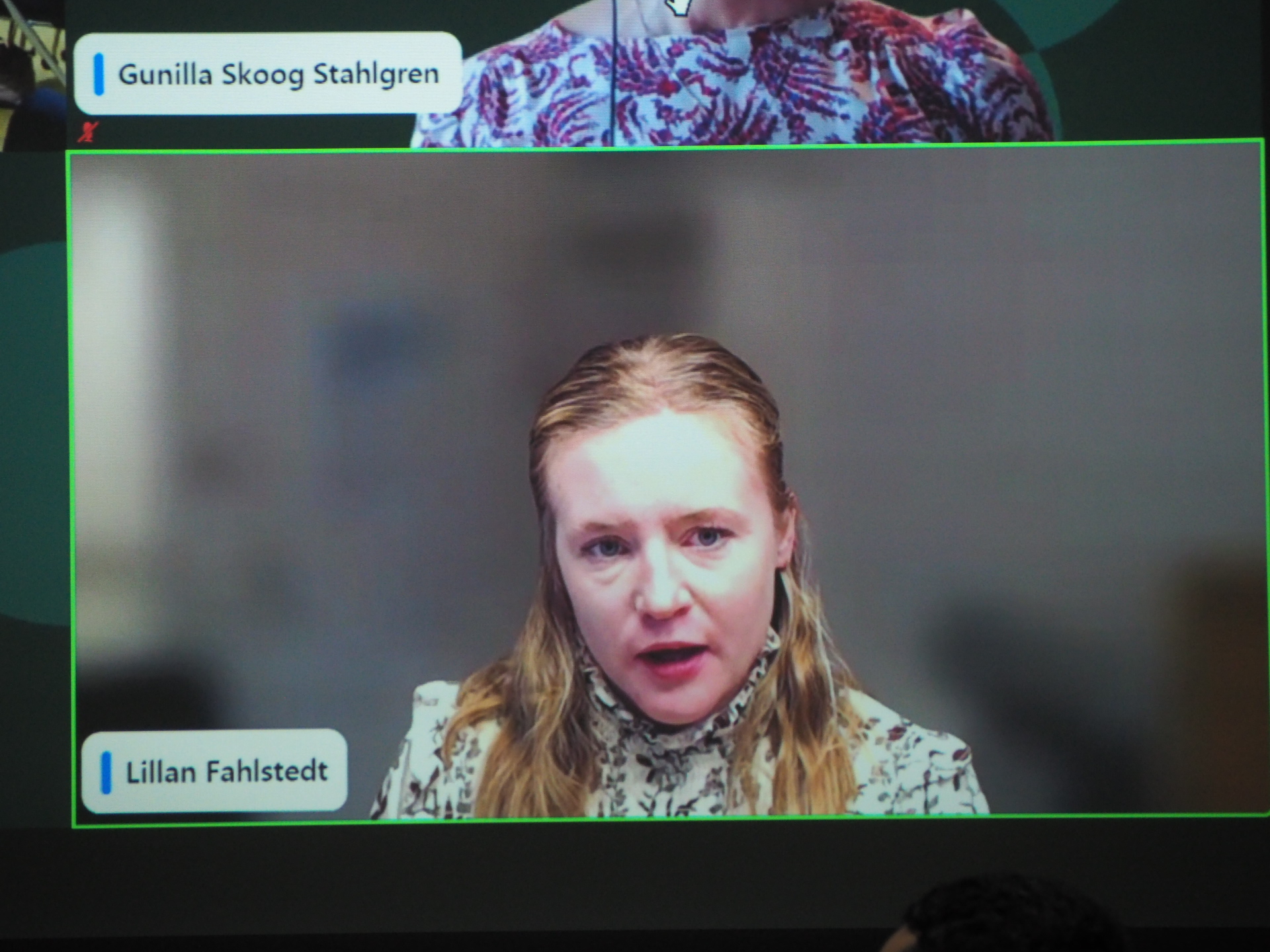 Lillan Fahlstedt (Public Health Strategist, Tanum Municipality)
Patriq Fagerstedt (Patriq Fagerstedt (Senior Research Policy Officer, Vetenskapsrådet, Swedish Research Council/Acting Head of the Secretariat, the Joint Programming Initiative on Antimicrobial Resistance (JPIAMR))
Camilla Björn (Project Leader, Antibiotic Smart Sweden/RISE Research Institutes of Sweden)
Gunilla Skoog Ståhlgren (Project Leader, Antibiotic Smart Sweden/Public Health Agency of Sweden)
Modelator:
Shotaro Tsukamoto (Senior Associate, Health and Global Policy Institute / AMR Alliance Japan)
19:50-20:00 Closing Remarks
![[Program] International Dialogue “Fostering Community and Citizen-led Approaches to AMR: Lessons from Antibiotic Smart Sweden”](/assets/img/katsudo/icon_pdf_l.png)
Related Posts
-
2024-11-21
[Reserch Report] Antimicrobial Resistance (AMR) Measures in Sweden (November 21, 2024)
-
2025-01-20
[In the Media] Commencement of the International Dialogue, “Fostering Community and Citizen-led Approaches to AMR: Lessons from Antibiotic Smart Sweden” (mVm, January 1, 2025)
-
2024-11-07
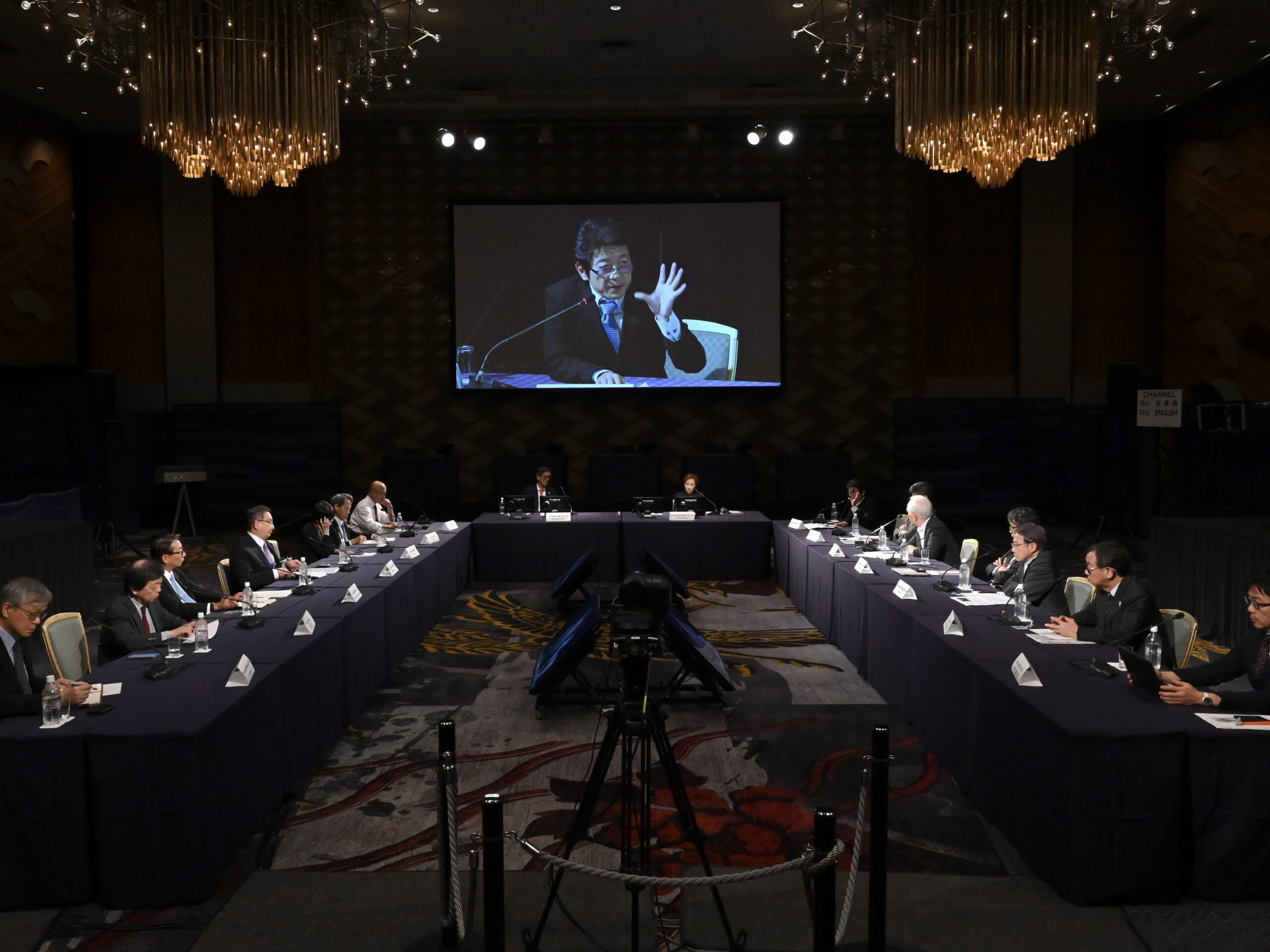
[Activity Report] The 11th Nikkei FT Communicable Diseases Conference – The AMR Consortium of the Asia Africa Medical Innovation Consortium (AMIC) (October 23, 2024)
-
2024-10-24
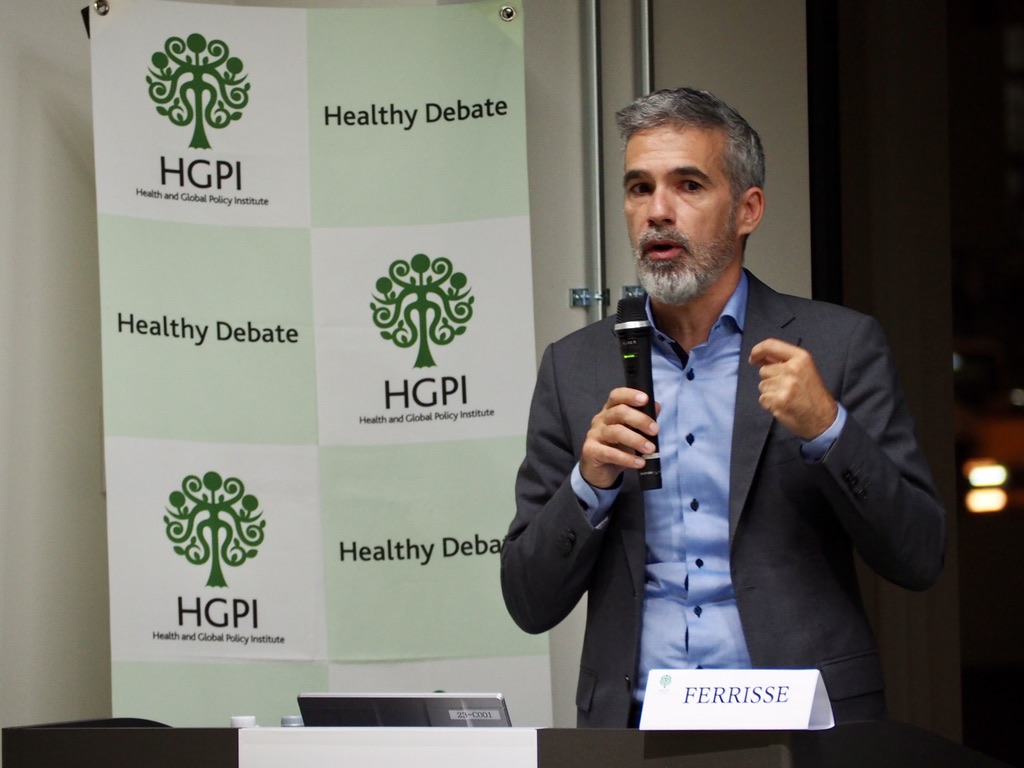
[Event Report] HGPI Salon Special Edition “Overcoming Infectious Diseases through Partnership: Focusing on examples of promoting technology transfer of antimicrobial agents” (October 21, 2024)
-
2024-10-07
[Event Report] The 9th Meeting of the AMR Consortium of the Nikkei FT Communicable Diseases Conference - Asia Africa Medical Innovation Consortium (AMIC) (October 3, 2024)
-
2024-09-26
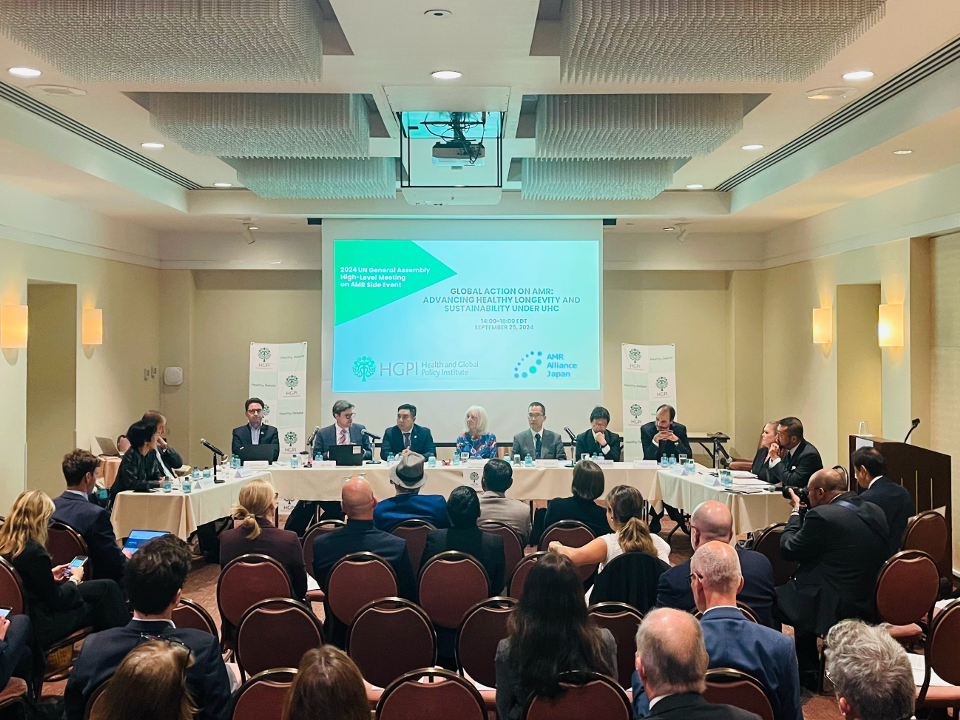
[Event Report] UN General Assembly High-Level Meeting on AMR Side Event “Global Action on AMR: Advancing Healthy Longevity and Sustainability under UHC” (September 25, 2024)
-
2024-07-03
[Japanese Version Release] “Call for Actionable Steps in Response to the Rising Threat of Antimicrobial Resistance (AMR)” (July 3, 2024)
-
2023-01-31
[Event Report] The 49th Special Breakfast Meeting - Push and Pull Incentives to Address AMR: The Experience of CARB-X and the potential for Public-Private Partnerships in Global Health (September 21, 2022)
Top Research & Recommendations Posts
Featured Posts
-
2026-05-18
[Registration Closed] Kick-off Panel Discussion “From Africa and Japan, Drawing from Perspectives Around the World:A Platform for Cultivating a Philosophical Health Dialogue Together” (June 15, 2026)
![[Registration Closed] Kick-off Panel Discussion “From Africa and Japan, Drawing from Perspectives Around the World:A Platform for Cultivating a Philosophical Health Dialogue Together” (June 15, 2026)](https://hgpi.org/en/wp-content/uploads/sites/2/HGPI_20260615_Eyecathch_panel-discussion-From-Japan-and-Africa-in-Discussion-with-the-World_2.png)
-
2026-08-28
[Announcement] The 3rd Kiyoshi Kurokawa Award: Call for Nominations (Deadline: November 30, 2026)
![[Announcement] The 3rd Kiyoshi Kurokawa Award: Call for Nominations (Deadline: November 30, 2026)](https://hgpi.org/en/wp-content/uploads/sites/2/Kiyoshi-Kurokawa-Award_3rd_nominations_eyecatch_caseB_ENG_web_20260929_v0.5.jpg)
-
2026-09-01
[Registration Closed] HGPI Salon 2025-2026 Looking Ahead to the Future of Japan’s Social Security System “Session 6: Japan’s Health Policy through the Lens of Global Security” (October 13, 2026)
![[Registration Closed] HGPI Salon 2025-2026 Looking Ahead to the Future of Japan’s Social Security System “Session 6: Japan’s Health Policy through the Lens of Global Security” (October 13, 2026)](https://hgpi.org/en/wp-content/uploads/sites/2/HGPISalon2025-20266.png)
-
2026-09-17
[Registration Open] (Webinar) The 145th HGPI Seminar “Toward Better AMR Measures at Elderly Care Facilities—Considering Infectious Disease Control in a Super-Aged Society From a Policy Perspective” (October 27, 2026)
![[Registration Open] (Webinar) The 145th HGPI Seminar “Toward Better AMR Measures at Elderly Care Facilities—Considering Infectious Disease Control in a Super-Aged Society From a Policy Perspective” (October 27, 2026)](https://hgpi.org/en/wp-content/uploads/sites/2/HGPIseminar145.png)
-
2026-10-06
[Registration Open] (Webinar) The 146th HGPI Seminar “How We Can Build a Society That Supports Choices Around Organ Donation: Exploring Decision-Making by Citizens and a Multi-Layered Approach Through Strategic Social Marketing” (November 9, 2026)
![[Registration Open] (Webinar) The 146th HGPI Seminar “How We Can Build a Society That Supports Choices Around Organ Donation: Exploring Decision-Making by Citizens and a Multi-Layered Approach Through Strategic Social Marketing” (November 9, 2026)](https://hgpi.org/en/wp-content/uploads/sites/2/HGPI_20261001_Eyecatch_HGPIseminer-146th-1.png)
