


[In the Media] Circular Economy and Planetary Health: Featured in “No Time to Waste – Circular Economy” (INDUST Issue No. 447, January 5, 2025)
date : 1/14/2025
Tags: Planetary Health

![[In the Media] Circular Economy and Planetary Health: Featured in “No Time to Waste – Circular Economy” (INDUST Issue No. 447, January 5, 2025)](https://hgpi.org/en/wp-content/uploads/sites/2/eyecatch_sugawara-3-11.png)
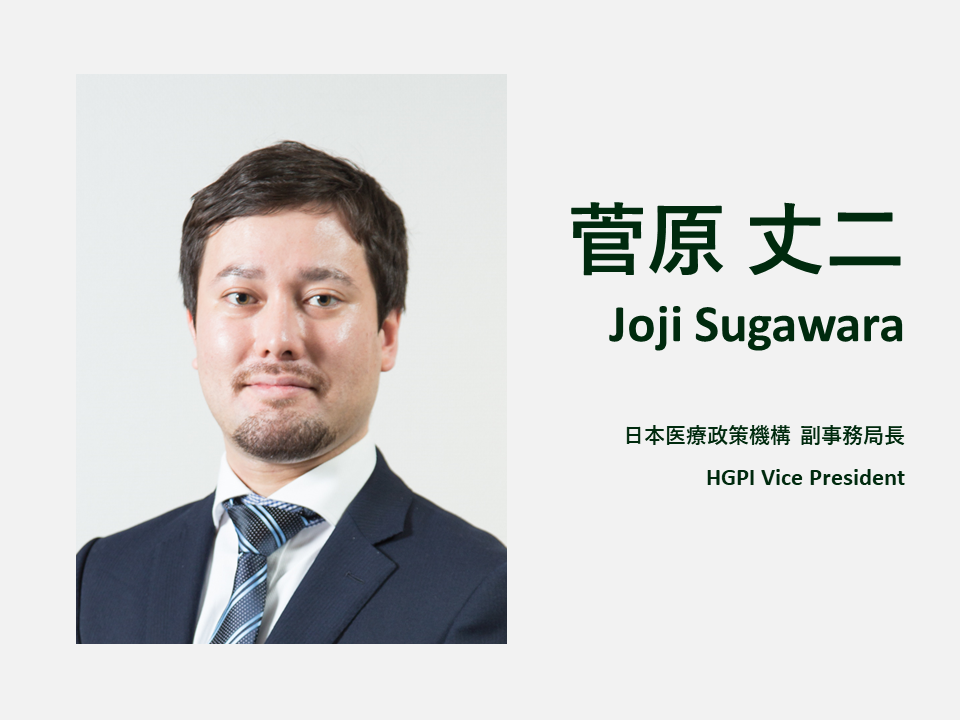
An article authored by Mr. Joji Sugawara, Vice President of Health and Global Policy Institute (HGPI), titled “Circular Economy and Planetary Health: Proposals for a Sustainable Future”, was featured as a special contribution in the 447th issue of INDUST, released on January 5, 2025.
In this article, Mr. Sugawara discusses the impact of building a circular economy on both the environment and human health, emphasizing the need for policies and practices that incorporate the principles of planetary health. Below is a summary of the article’s key points:
The Interdependence of Environment and Health: Opportunities Presented by a Circular Society
- The Fifth Fundamental Plan for Establishing a Sound Material-Cycle Society
Promoting a circular economy contributes not only to waste reduction and resource efficiency but also to community revitalization and improved well-being. Incorporating the “planetary health” perspective, which recognizes the interconnectedness of the Earth’s environment and human health, is indispensable. - Recommendations from a Global Perspective
Drawing on reports from the United Nations Environment Programme (UNEP) and the World Health Organization (WHO), the article explores the health risks associated with circular economies and countermeasures to address them. Particular attention is given to the importance of advanced recycling technologies and the role of policymaking. - Health and Climate Change Synergies
Transitioning to a circular economy is expected to reduce air pollution caused by resource extraction, which can help lower the risk of cardiovascular and respiratory diseases. However, measures must also be taken to mitigate health risks linked to recycling hazardous materials.
Advancing the Circular Economy in the Healthcare Sector
- Challenges of Medical Waste Management
The COVID-19 pandemic highlighted the global challenges of medical waste management. Non-incineration processing technologies and remanufacturing practices are gaining attention as potential solutions. - Healthcare Industry and Planetary Health
With the healthcare sector accounting for approximately 5% of global greenhouse gas emissions, initiatives to reduce its environmental impact are urgently needed. The article also touches on the role of Japan’s healthcare industry in contributing to international sustainability efforts.
Challenges and Recommendations for a Circular Economy
The Importance of Regulation and Technological Innovation
Technological breakthroughs are essential for managing waste and recycling products containing hazardous substances, with plastic pollution being a particularly pressing issue.
Public Awareness and International Cooperation
Achieving a sustainable society requires public and corporate understanding of circular economy principles and active participation. Awareness campaigns, technology transfer to developing nations, and international cooperation are key to success.
Japan’s Role as a Model Case
Japan is expected to demonstrate its leadership as a pioneer in circular economy practices through the implementation of its Fifth Fundamental Plan for Establishing a Sound Material-Cycle Society.
The article reflects insights from HGPI’s previously published recommendations, including: “Policy Recommendations: Achieving a Sustainable Society of Health and Longevity Through the Integration of Environment and Healthcare-Incorporating a Planetary Health Perspective into the 3rd Phase of The Healthcare Policy-(December 20, 2024),” “Public Comments Submitted: The Fifth Fundamental Plan for Establishing a Sound Material-Cycle Society (Draft) (May 22, 2024),” and “Event Report: Planetary Health Expert Meeting – Toward Sustainable Healthcare: Lessons from the Impact of Environmental Pollution and Medical Waste during the Pandemic (February 16, 2024).” Relevant excerpts can be accessed courtesy of INDUST. The full article and other features are available in the 447th issue of INDUST(Japanese only).

Related Posts
-
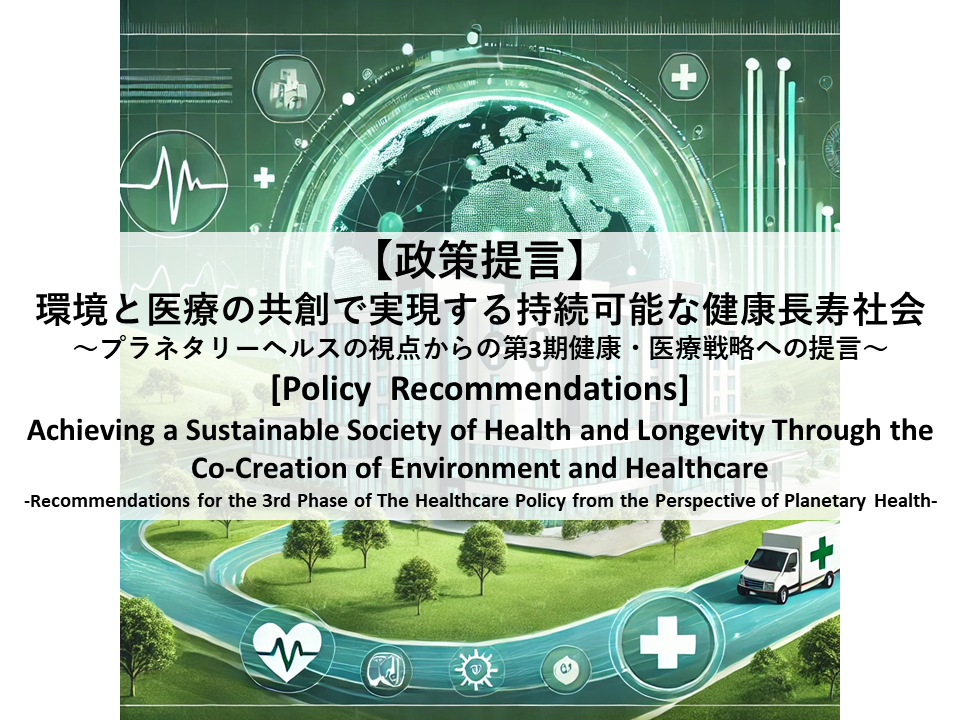
2024-12-20
[Policy Recommendations] Achieving a Sustainable Society of Health and Longevity Through the Integration of Environment and Healthcare-Incorporating a Planetary Health Perspective into the 3rd Phase of The Healthcare Policy-(December 20, 2024)
-
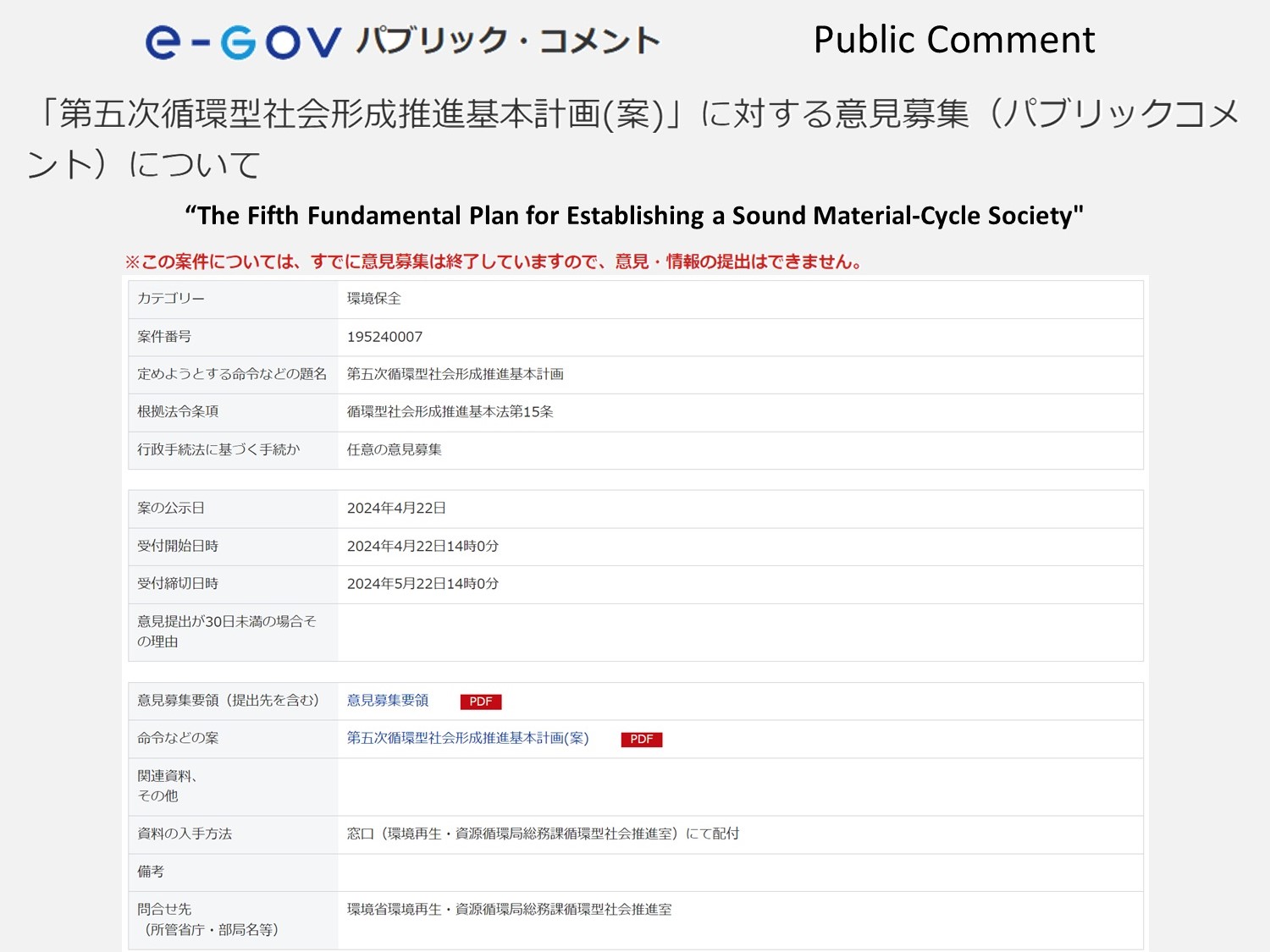
2024-06-06
[Public Comment Submission] "The Fifth Fundamental Plan for Establishing a Sound Material-Cycle Society (Draft)" (May 22, 2024)
-
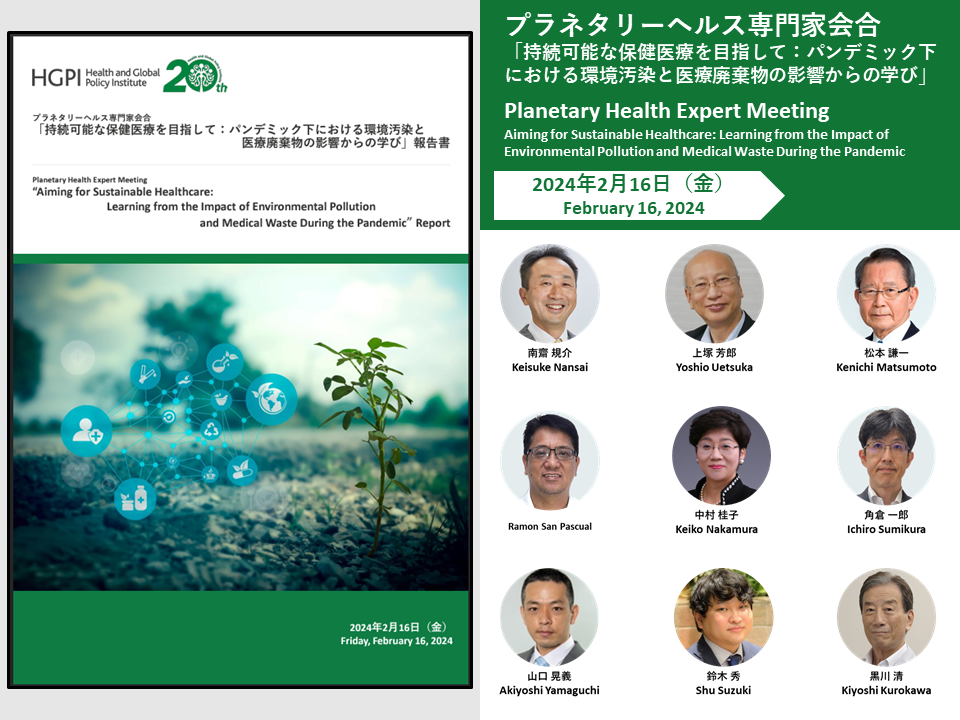
2024-04-15
[Event Report] Planetary Health Expert Meeting Aiming for Sustainable Healthcare: Learning from the Impact of Environmental Pollution and Medical Waste During the Pandemic (February 16, 2024)
-
2024-12-17
[In the Media] "Key Policy Priorities for Japan" (Lancet Countdown, December 17, 2024)
-
2024-12-12
[HGPI Policy Column] (No. 51) From the Planetary Health Project “Part 11: Efforts Toward Achieving Carbon Neutrality in Japan's Pharmaceutical Industry”
-

2024-12-06
[Lecture Report] “Partnering and Innovating for Equity and Access” (2024 Asia Health and Life Sciences Summit, November 11-12, 2024, Singapore)
-
2024-11-07
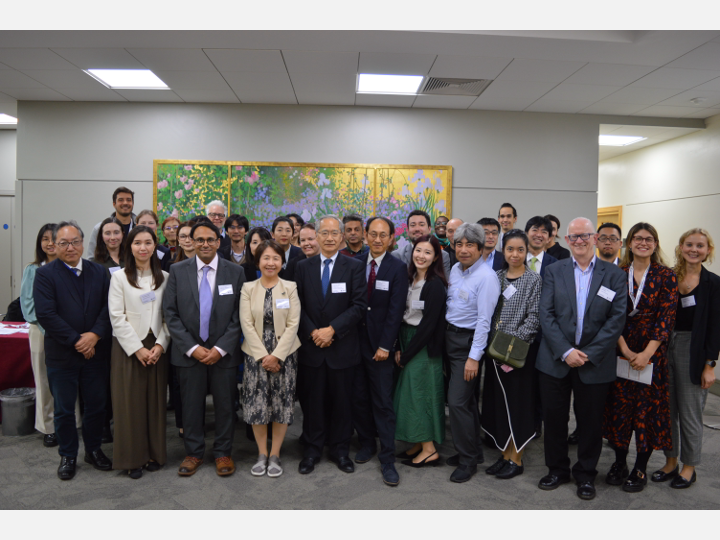
[Lecture Report] “Improving the Resilience of Health and Public Health Systems to the Impact of Climate Change: Learning Between Japan and the UK” (JSPS-AMS Policy Workshop, October 16-17, 2024, London, England)
Top Research & Recommendations Posts
Featured Posts
-
2026-05-18
[Registration Closed] Kick-off Panel Discussion “From Africa and Japan, Drawing from Perspectives Around the World:A Platform for Cultivating a Philosophical Health Dialogue Together” (June 15, 2026)
![[Registration Closed] Kick-off Panel Discussion “From Africa and Japan, Drawing from Perspectives Around the World:A Platform for Cultivating a Philosophical Health Dialogue Together” (June 15, 2026)](https://hgpi.org/en/wp-content/uploads/sites/2/HGPI_20260615_Eyecathch_panel-discussion-From-Japan-and-Africa-in-Discussion-with-the-World_2.png)
-
2026-08-28
[Announcement] The 3rd Kiyoshi Kurokawa Award: Call for Nominations (Deadline: November 30, 2026)
![[Announcement] The 3rd Kiyoshi Kurokawa Award: Call for Nominations (Deadline: November 30, 2026)](https://hgpi.org/en/wp-content/uploads/sites/2/Kiyoshi-Kurokawa-Award_3rd_nominations_eyecatch_caseB_ENG_web_20260929_v0.5.jpg)
-
2026-09-01
[Registration Closed] HGPI Salon 2025-2026 Looking Ahead to the Future of Japan’s Social Security System “Session 6: Japan’s Health Policy through the Lens of Global Security” (October 13, 2026)
![[Registration Closed] HGPI Salon 2025-2026 Looking Ahead to the Future of Japan’s Social Security System “Session 6: Japan’s Health Policy through the Lens of Global Security” (October 13, 2026)](https://hgpi.org/en/wp-content/uploads/sites/2/HGPISalon2025-20266.png)
-
2026-09-17
[Registration Open] (Webinar) The 145th HGPI Seminar “Toward Better AMR Measures at Elderly Care Facilities—Considering Infectious Disease Control in a Super-Aged Society From a Policy Perspective” (October 27, 2026)
![[Registration Open] (Webinar) The 145th HGPI Seminar “Toward Better AMR Measures at Elderly Care Facilities—Considering Infectious Disease Control in a Super-Aged Society From a Policy Perspective” (October 27, 2026)](https://hgpi.org/en/wp-content/uploads/sites/2/HGPIseminar145.png)
-
2026-10-06
[Registration Open] (Webinar) The 146th HGPI Seminar “How We Can Build a Society That Supports Choices Around Organ Donation: Exploring Decision-Making by Citizens and a Multi-Layered Approach Through Strategic Social Marketing” (November 9, 2026)
![[Registration Open] (Webinar) The 146th HGPI Seminar “How We Can Build a Society That Supports Choices Around Organ Donation: Exploring Decision-Making by Citizens and a Multi-Layered Approach Through Strategic Social Marketing” (November 9, 2026)](https://hgpi.org/en/wp-content/uploads/sites/2/HGPI_20261001_Eyecatch_HGPIseminer-146th-1.png)
