


(Event Report) Global Health Summer Program 2014
date : 9/12/2014

Dates
September 5, 2014 to September 12, 2014
Schedule
9/5-9/6/2014: Orientation and skills training (Tokyo, Japan) featuring lectures by Japan’s top global health leaders, Dr. Kenji Shibuya, Dr. BT Slingsby, and Dr. Kiyoshi Kurokawa
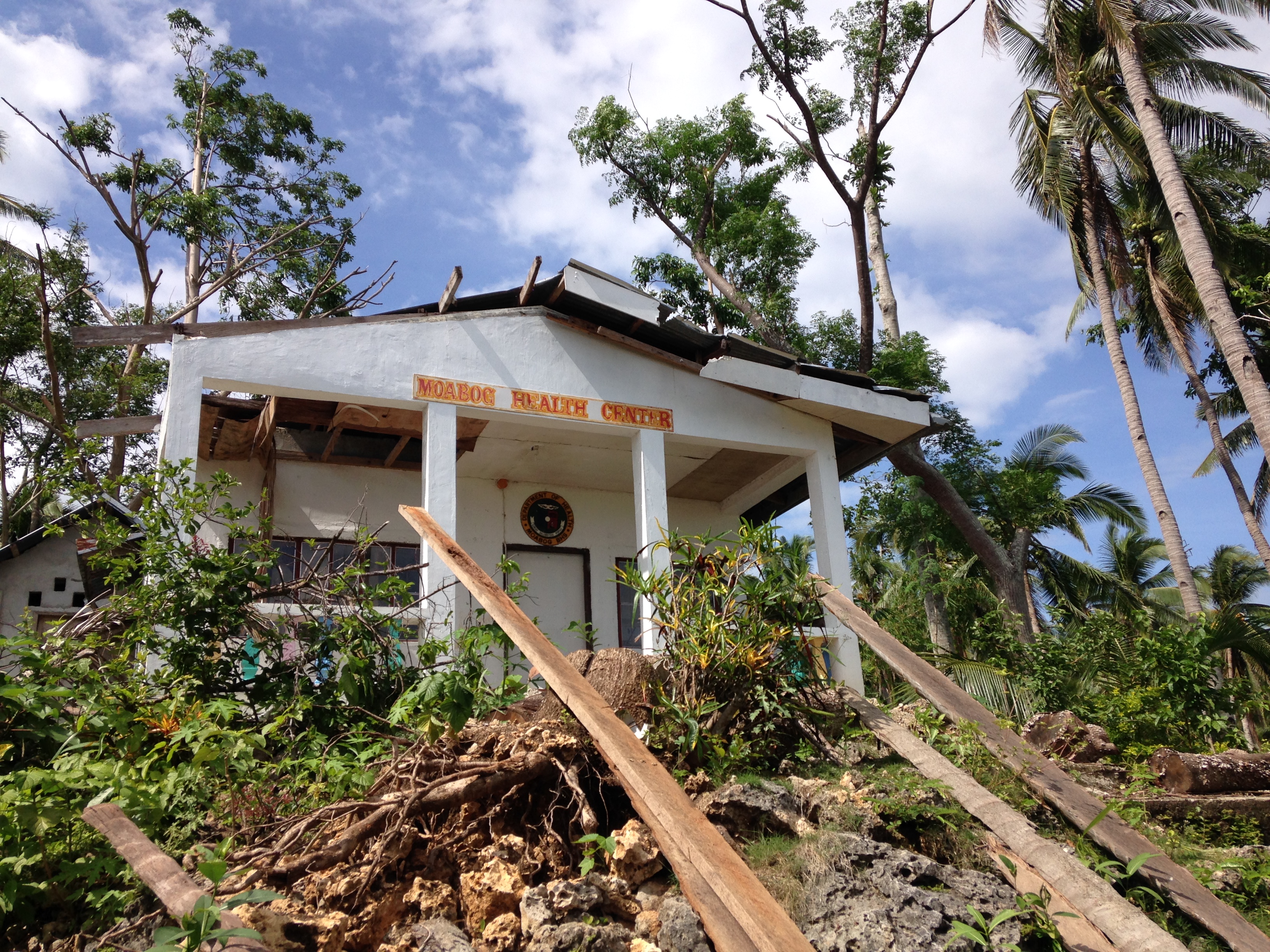
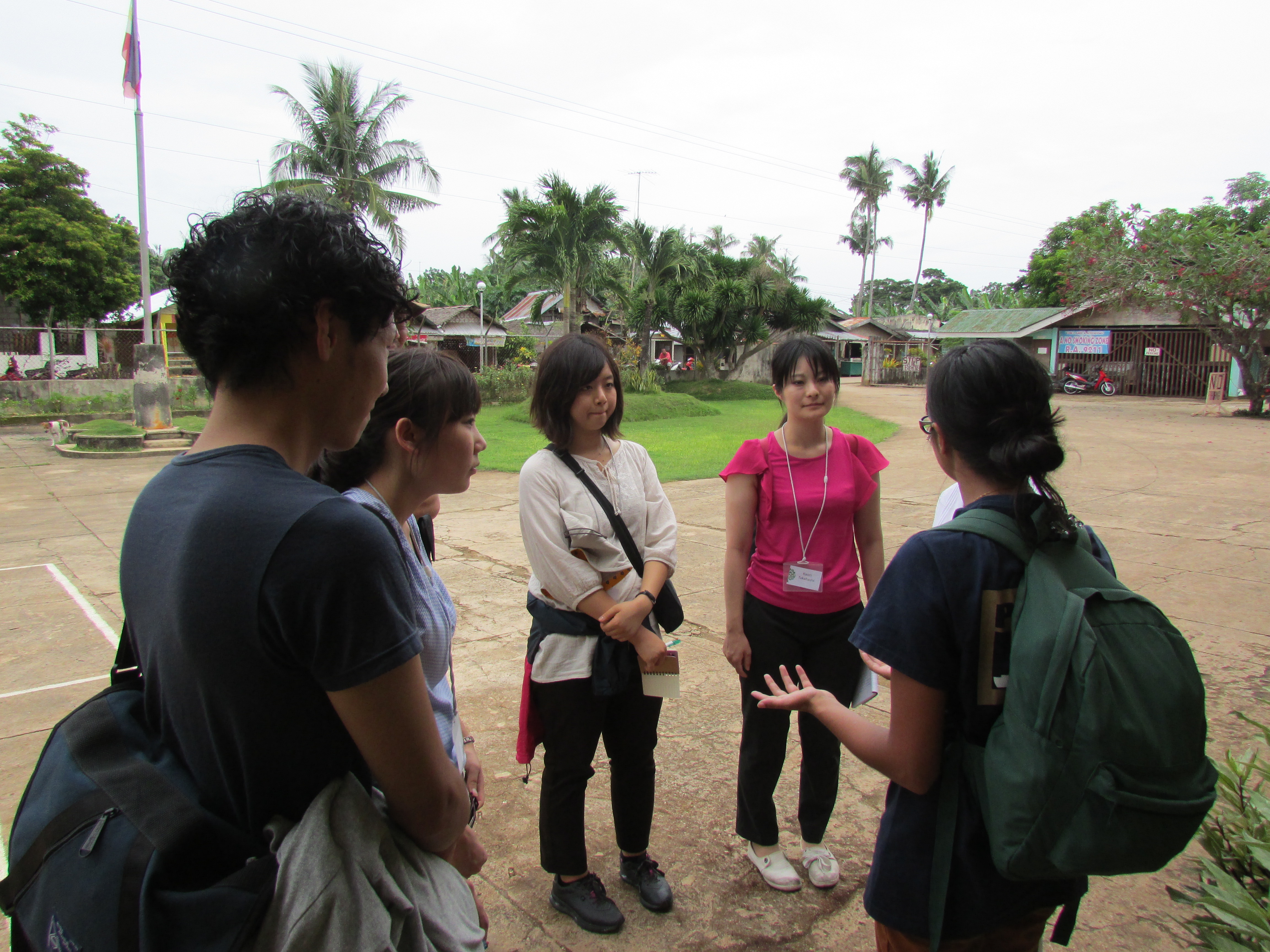
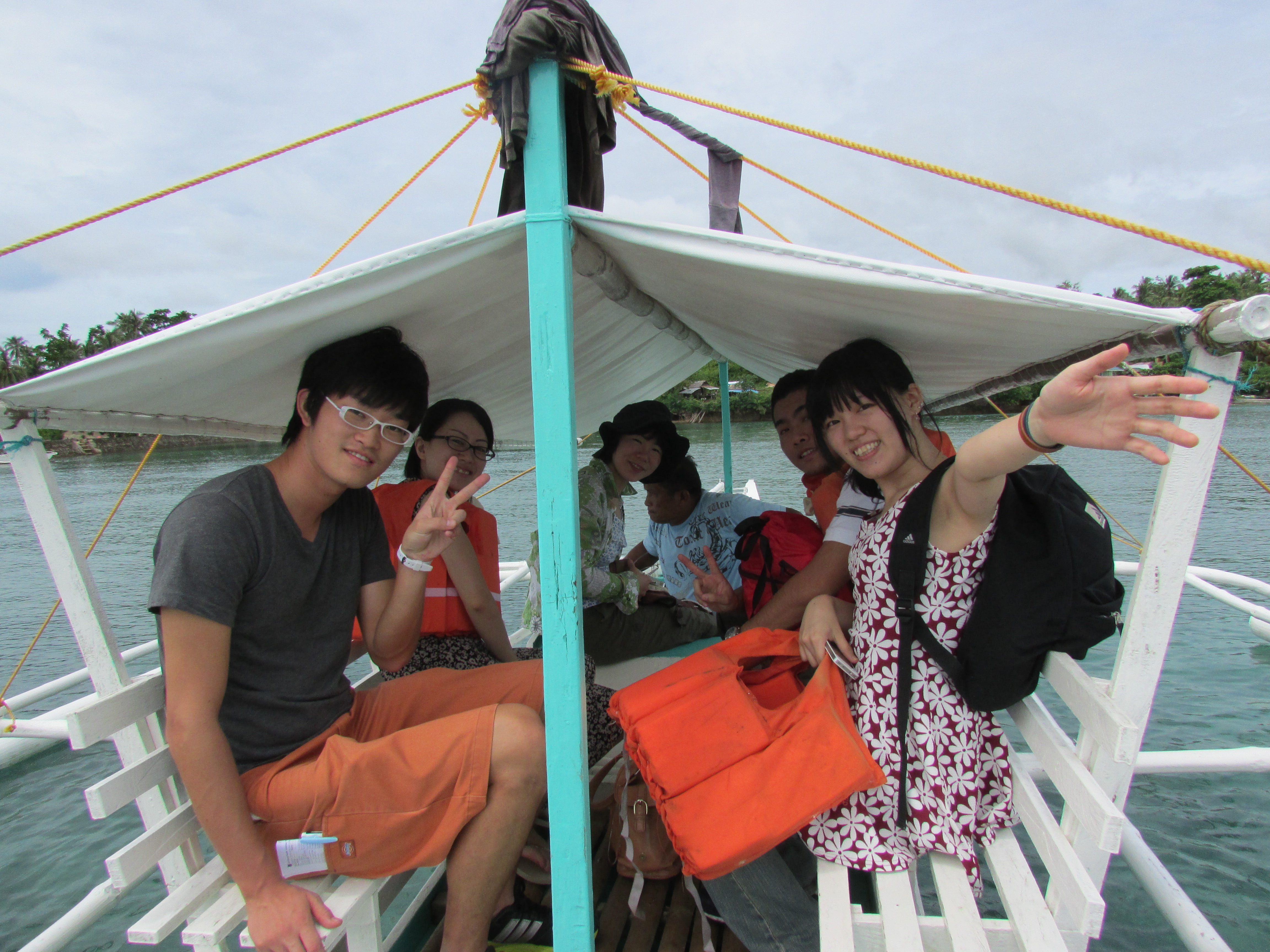
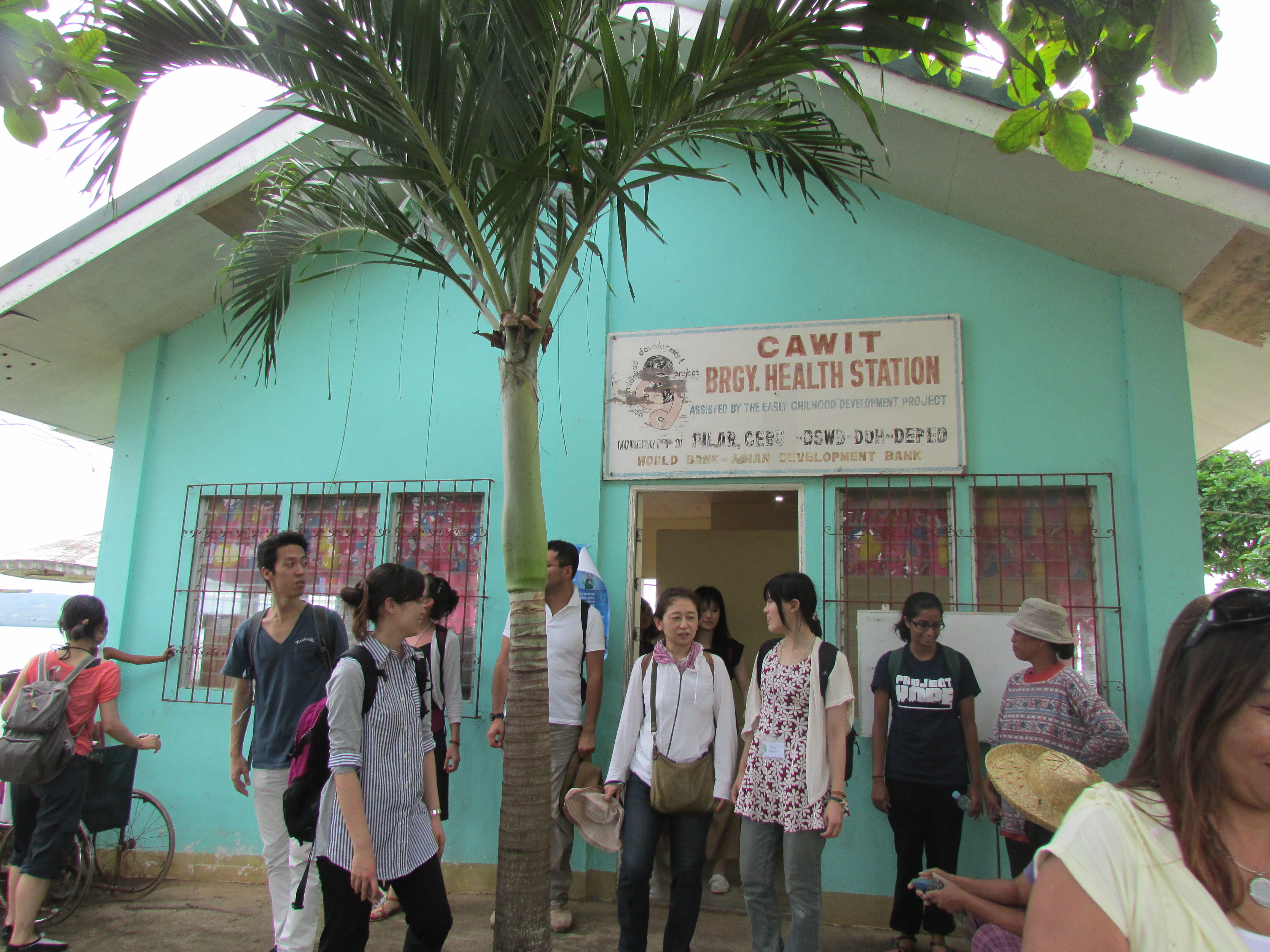
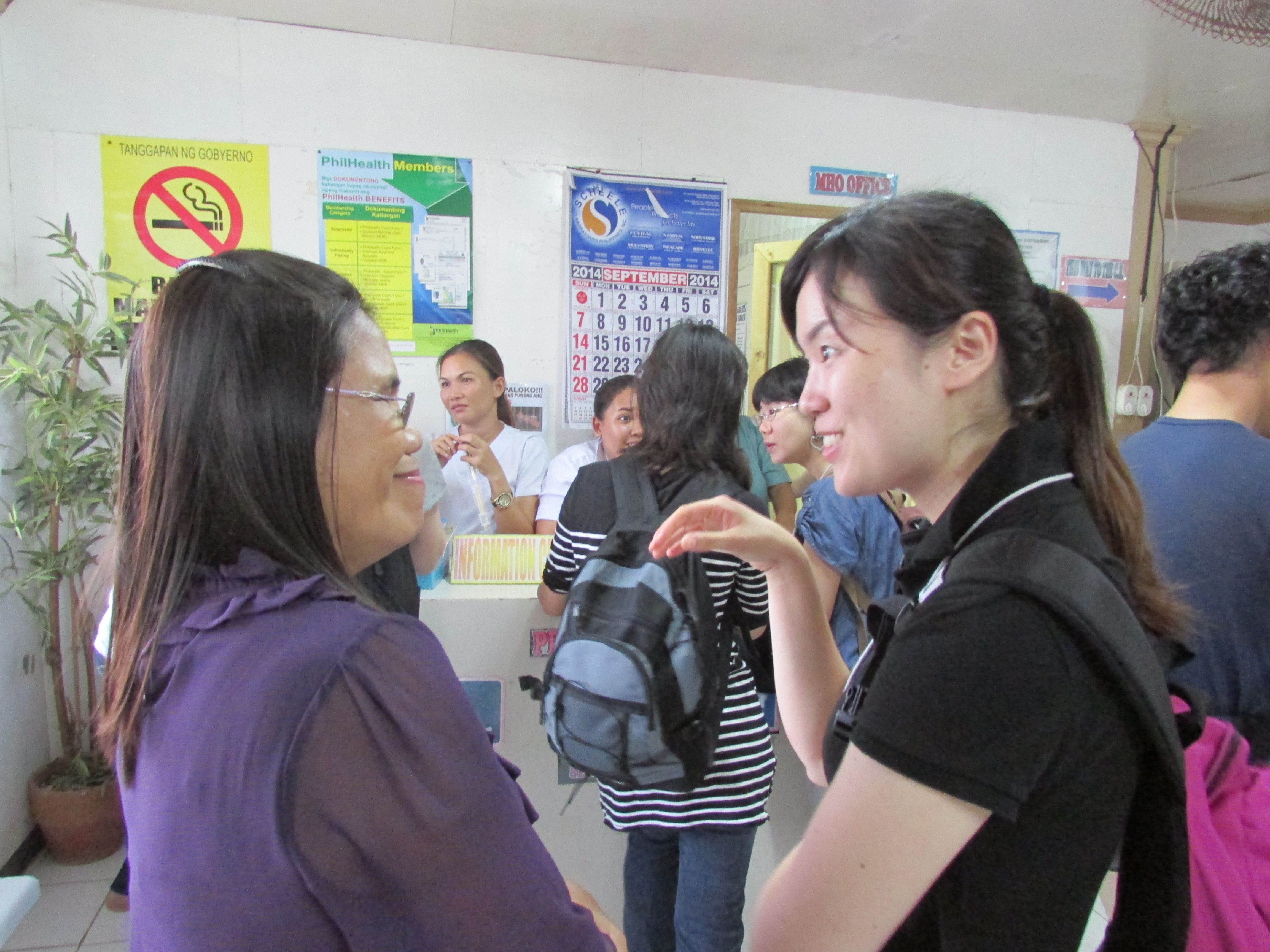
9/7-9/11/2014: Fieldwork (Cebu and Camotes Islands, Philippines) including meetings with WHO, local government officials, and community stakeholders
9/12/2014: Final meeting and presentations (Tokyo, Japan)
Venue
Tokyo meetings: Graduate Institute of Policy Studies (GRIPS) in Roppongi
Fieldwork: Cebu and Camotes Islands, Philippines
Program Details
In partnership with US NGO Project HOPE and the Global Health Innovative Technology Fund (GHIT), the 2014 GHSP spent five days and four nights in Cebu and the Camotes Islands of the Philippines, where participants learned about the issues that make attracting and keeping healthcare workers in the Camotes Islands an on-going struggle. Research activities included guest lectures with local officials, medical professionals, NGO representatives, and other health system actors as well as fieldwork. Project HOPE has been engaged in a health system rehabilitation and strengthening project in the Camotes Islands and participants had the opportunity to learn about their program as well as work as volunteer consultants for them.
The program culminated in the creation of a feasible and sustainable program proposal to support the growth of the healthcare workforce in the Camotes Islands. Upon return, students presented their ideas to HGPI Board Members and Project HOPE representatives and received feedback on the programs’ feasibility and sustainability. Through this hands-on experience and by learning from the perspectives of others, students became stronger health professionals who are more equipped to address disaster relief and health systems issues globally, as well as in their home countries.
Participants
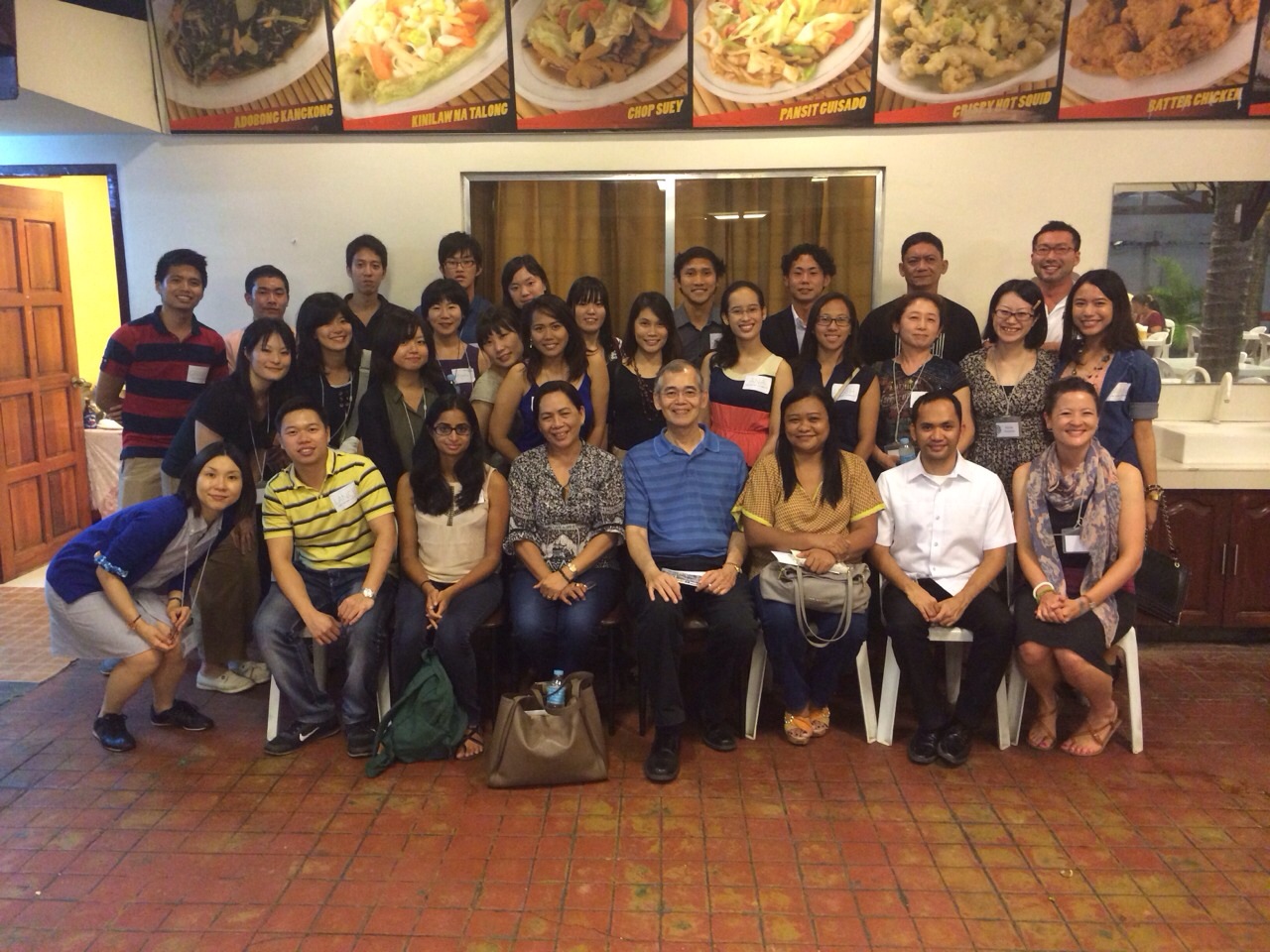
12 university and graduate level students in the fields of nursing, medicine, public policy, international affairs, public health, finance, and pharmacy with a keen interest in global health. Because this program was conducted in English, English conversation and listening skills were required.
Sponsors
Project HOPE
Global Health and Innovative Technology Fund (GHIT)
Global Health Innovation Policy Program at the National Graduate Institute for Policy Studies (GRIPS)
Contact
Anne Smith
Health and Global Policy Institute
1-11-28 Nagata-cho, Chiyoda-ku, Tokyo 100-0014 Japan
Tel: +81-(0)3-5511-8521 E-mail: jimukyoku@hgpi.org
Registration deadline: 2014-07-18
Exhibition date:2014-09-05


Top Research & Recommendations Posts
Featured Posts
-
2026-05-18
[Registration Closed] Kick-off Panel Discussion “From Africa and Japan, Drawing from Perspectives Around the World:A Platform for Cultivating a Philosophical Health Dialogue Together” (June 15, 2026)
![[Registration Closed] Kick-off Panel Discussion “From Africa and Japan, Drawing from Perspectives Around the World:A Platform for Cultivating a Philosophical Health Dialogue Together” (June 15, 2026)](https://hgpi.org/en/wp-content/uploads/sites/2/HGPI_20260615_Eyecathch_panel-discussion-From-Japan-and-Africa-in-Discussion-with-the-World_2.png)
-
2026-08-28
[Announcement] The 3rd Kiyoshi Kurokawa Award: Call for Nominations (Deadline: November 30, 2026)
![[Announcement] The 3rd Kiyoshi Kurokawa Award: Call for Nominations (Deadline: November 30, 2026)](https://hgpi.org/en/wp-content/uploads/sites/2/Kiyoshi-Kurokawa-Award_3rd_nominations_eyecatch_caseB_ENG_web_20260929_v0.5.jpg)
-
2026-09-01
[Registration Closed] HGPI Salon 2025-2026 Looking Ahead to the Future of Japan’s Social Security System “Session 6: Japan’s Health Policy through the Lens of Global Security” (October 13, 2026)
![[Registration Closed] HGPI Salon 2025-2026 Looking Ahead to the Future of Japan’s Social Security System “Session 6: Japan’s Health Policy through the Lens of Global Security” (October 13, 2026)](https://hgpi.org/en/wp-content/uploads/sites/2/HGPISalon2025-20266.png)
-
2026-09-17
[Registration Open] (Webinar) The 145th HGPI Seminar “Toward Better AMR Measures at Elderly Care Facilities—Considering Infectious Disease Control in a Super-Aged Society From a Policy Perspective” (October 27, 2026)
![[Registration Open] (Webinar) The 145th HGPI Seminar “Toward Better AMR Measures at Elderly Care Facilities—Considering Infectious Disease Control in a Super-Aged Society From a Policy Perspective” (October 27, 2026)](https://hgpi.org/en/wp-content/uploads/sites/2/HGPIseminar145.png)
-
2026-10-06
[Registration Open] (Webinar) The 146th HGPI Seminar “How We Can Build a Society That Supports Choices Around Organ Donation: Exploring Decision-Making by Citizens and a Multi-Layered Approach Through Strategic Social Marketing” (November 9, 2026)
![[Registration Open] (Webinar) The 146th HGPI Seminar “How We Can Build a Society That Supports Choices Around Organ Donation: Exploring Decision-Making by Citizens and a Multi-Layered Approach Through Strategic Social Marketing” (November 9, 2026)](https://hgpi.org/en/wp-content/uploads/sites/2/HGPI_20261001_Eyecatch_HGPIseminer-146th-1.png)
