


NCD Japan Forum 2011
date : 11/29/2011

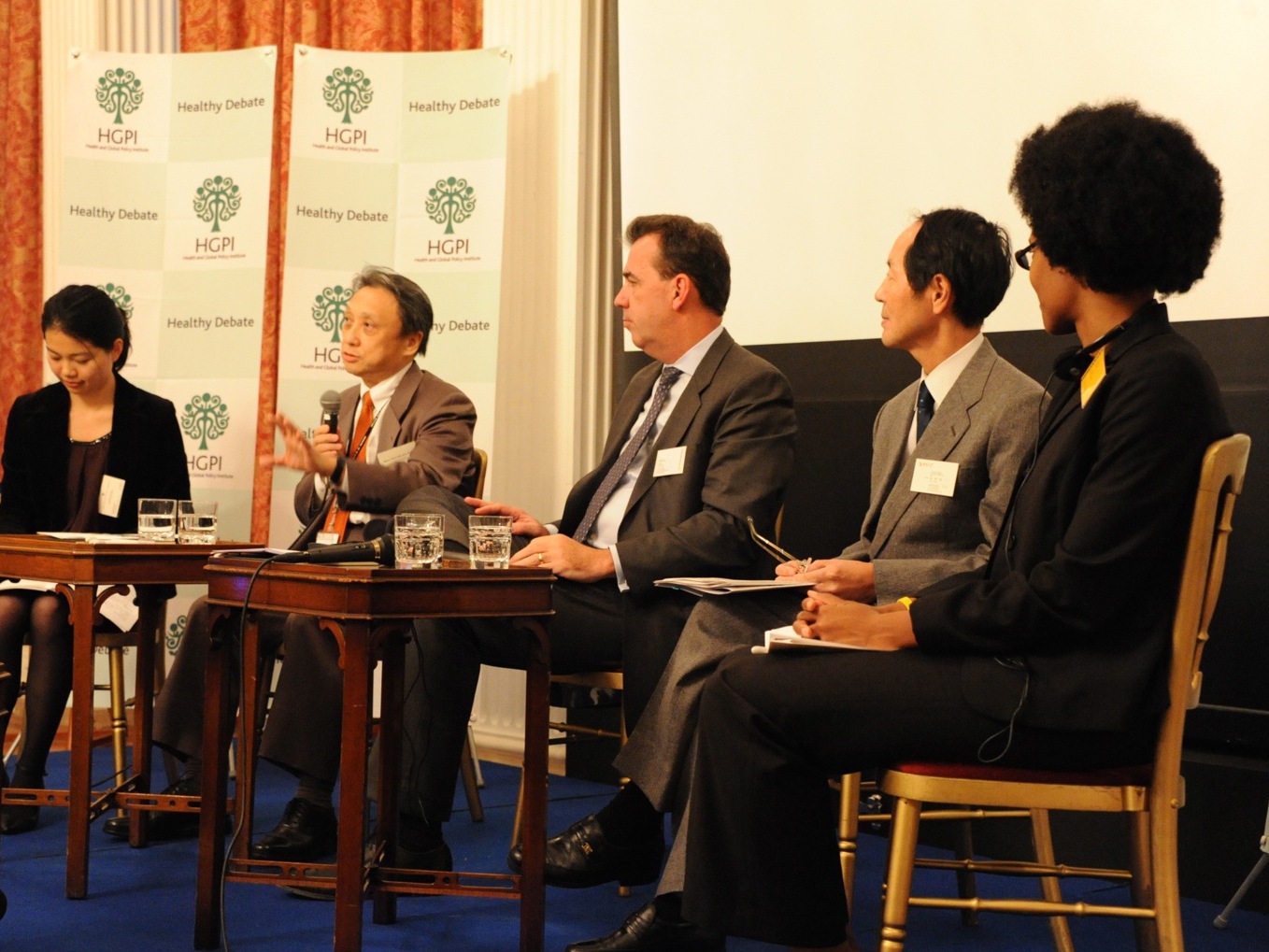
On the 29th September 2011, the Health and Global Policy Institute hosted the “NCD Forum 2011 ~ Chronic Disease Control and the NCD Agenda in Developed Countries” at the Ambassador’s Residence of the British Embassy in Tokyo.
In September, the importance of tackling non-communicable diseases (NCDs; or chronic diseases) was highlighted to the world as it became the main topic of discussion at the U.N. High Level Meeting. This forum was therefore held with a view to reminding the participants of this important issue, whilst also providing a platform for the discussion of future NCD control strategies within Japan, the sharing of perspectives and ambitions of various stakeholders in this field, and the exchange of views on the future measures to be taken by Japan.
Japan has a record of making significant contributions to infectious disease control in its role as a major donor to the U.N. In light of its knowledge in dealing with chronic disease, it is also expected that it will exert international initiative in the area of NCDs.
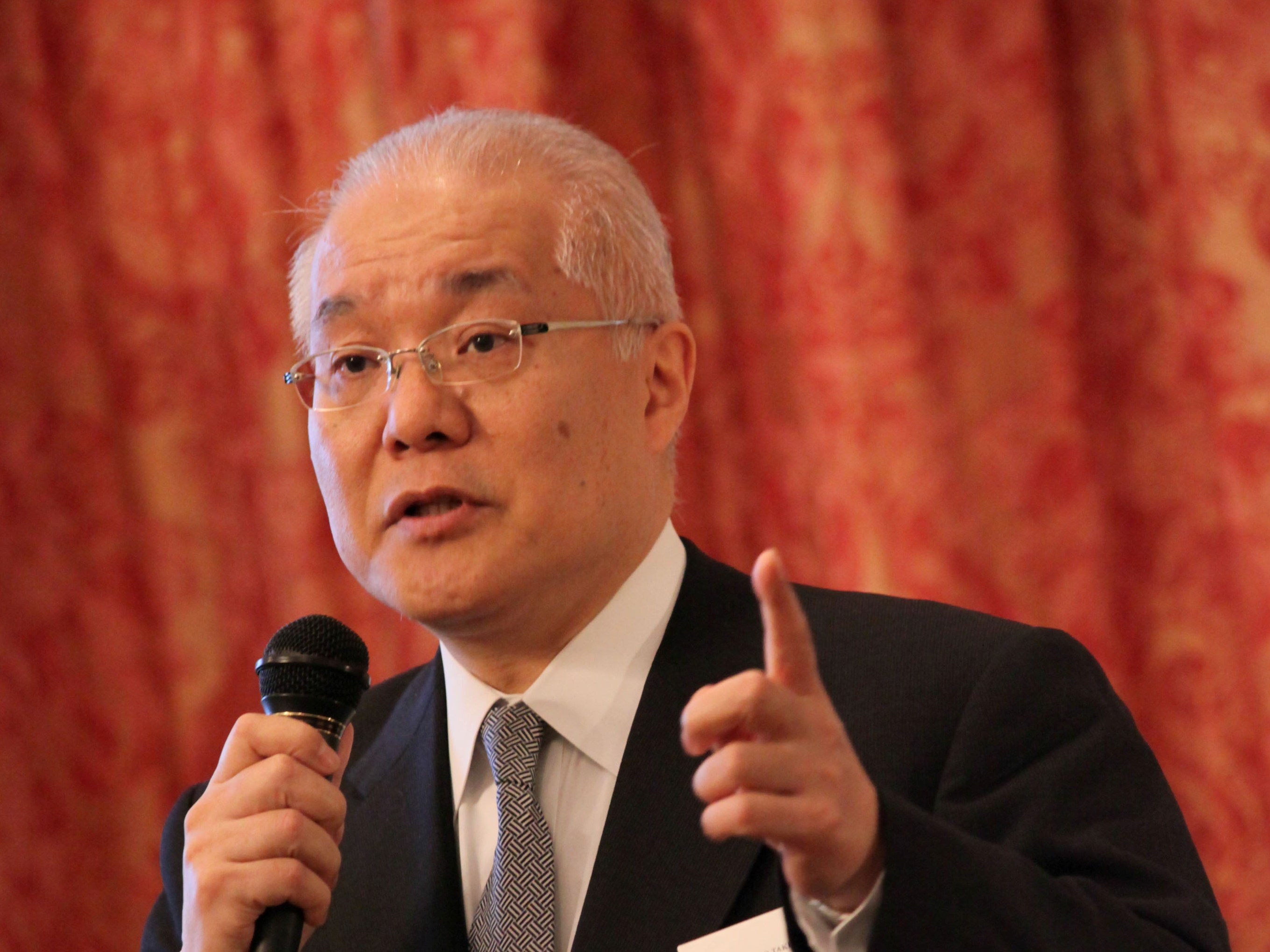
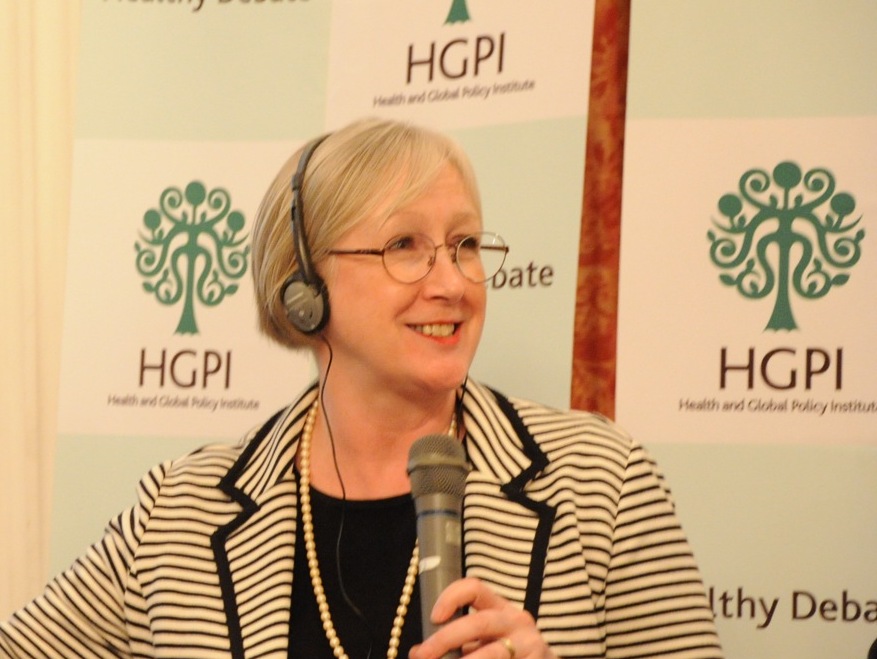
The Forum was opened with greetings from H.M. Ambassador David Warren and a keynote speech from Dr. Keizo Takemi, Professor at the School of Political Science and Economics at Tokai University and Senior Fellow at the Japan Center for International Exchange. This was then followed by presentations from Ms. Judith Watt, Strategic Consultant to the NCD Alliance (an international collaborative organization dealing with NCD issues), and Dr. Hajime Inoue, Director of the Department of Health and Welfare in Chiba Prefecture. Under the title “What are NCDs? – Implications for Japan and its Global Role”, Ms. Watt and Dr. Inoue served to both provide an introduction to, and also to deepen the audiences’ understanding of the current situation with NCDs.
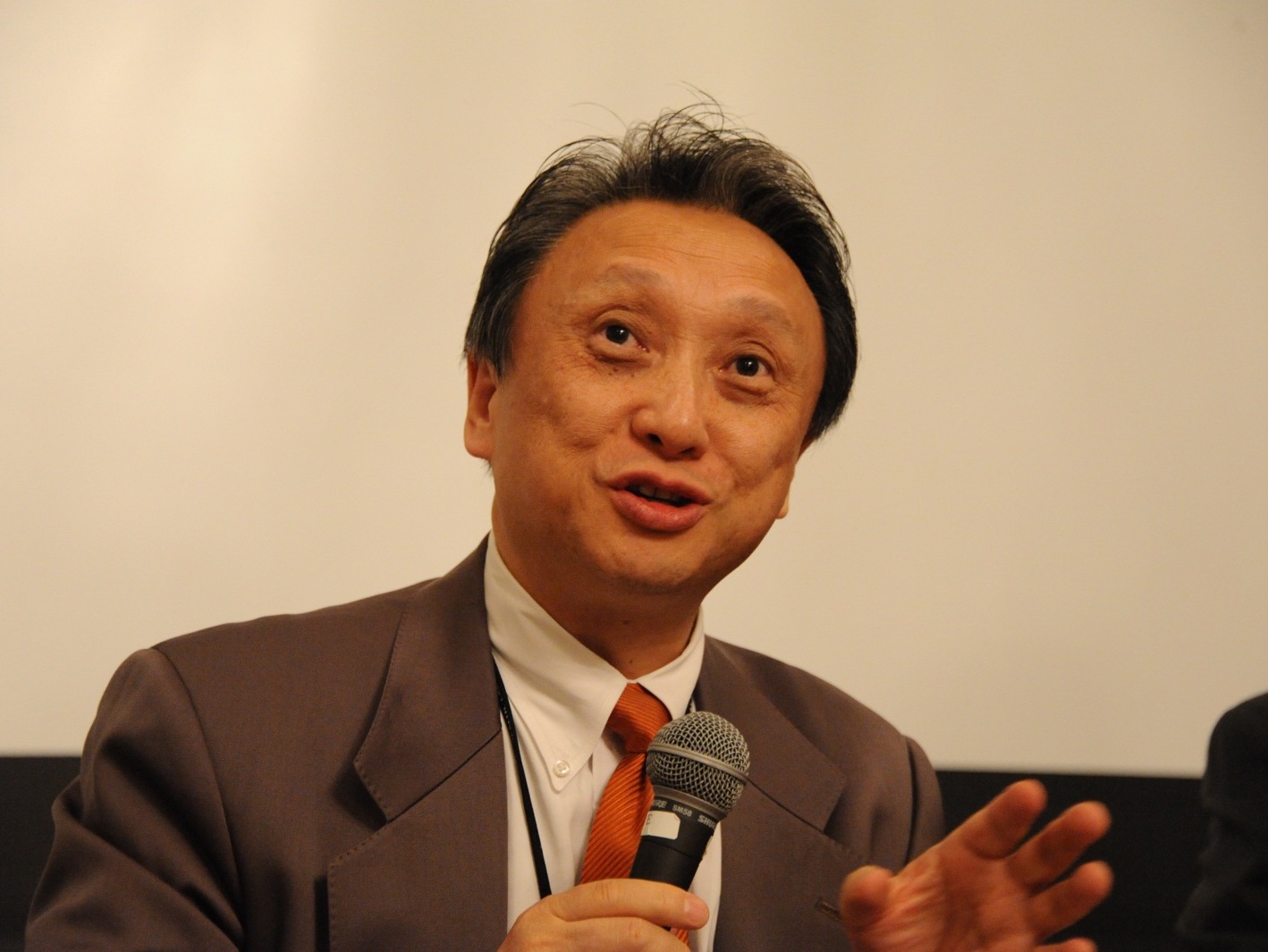
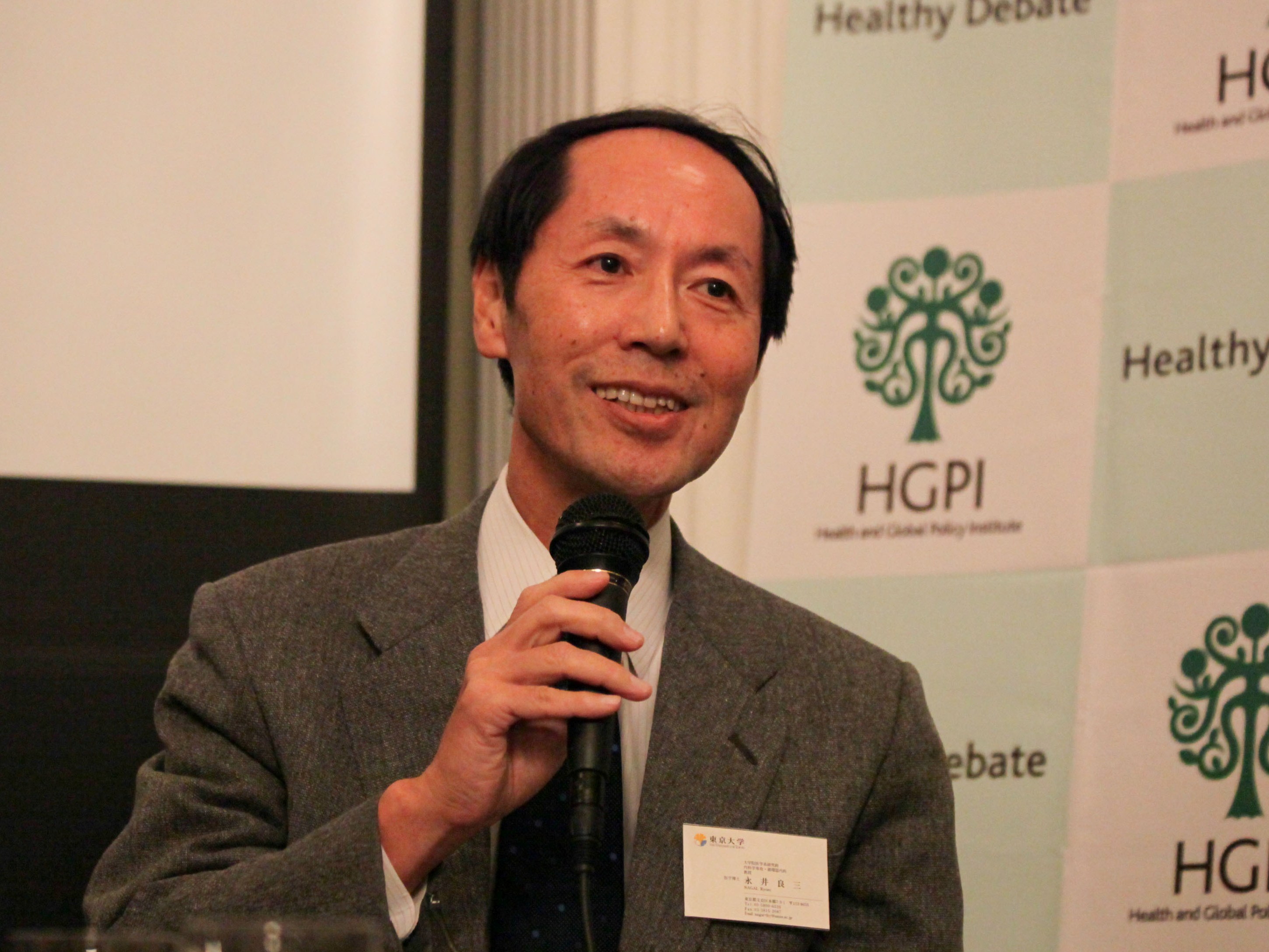
In the latter half of the Forum, a panel discussion took place with a further four experts (Dr. Ryozo Nagai, Department of Cardiovascular Medicine, The University of Tokyo; Dr. Masato Mugitani, Assistant Minister for Global Health, Ministry of Health and Welfare; Mr. David Brennan, President, International Federation of Pharmaceutical Manufacturers & Associations (IFPMA); Ms. Loyce Pace, Director of Health Policy, Lance Armstrong Foundation), under the theme of “The Roles that should be Played by Different Sectors – Global Partnerships for NCD and Beyond”. In their positions as representatives of the different stakeholders in the NCD issue, each panelist shared their thoughts on the future contributions that can be made and the initiatives that should be undertaken from their varying perspectives. The panelists also further engaged in lively discussion and an exchange of views as to how the knowledge Japan has accumulated thus far in health policy can benefit the rest of the world in the NCD field, and the contributions it could make.
Exhibition date:2011-11-29



Top Research & Recommendations Posts
Featured Posts
-
2026-05-18
[Registration Closed] Kick-off Panel Discussion “From Africa and Japan, Drawing from Perspectives Around the World:A Platform for Cultivating a Philosophical Health Dialogue Together” (June 15, 2026)
![[Registration Closed] Kick-off Panel Discussion “From Africa and Japan, Drawing from Perspectives Around the World:A Platform for Cultivating a Philosophical Health Dialogue Together” (June 15, 2026)](https://hgpi.org/en/wp-content/uploads/sites/2/HGPI_20260615_Eyecathch_panel-discussion-From-Japan-and-Africa-in-Discussion-with-the-World_2.png)
-
2026-08-28
[Announcement] The 3rd Kiyoshi Kurokawa Award: Call for Nominations (Deadline: November 30, 2026)
![[Announcement] The 3rd Kiyoshi Kurokawa Award: Call for Nominations (Deadline: November 30, 2026)](https://hgpi.org/en/wp-content/uploads/sites/2/Kiyoshi-Kurokawa-Award_3rd_nominations_eyecatch_caseB_ENG_web_20260929_v0.5.jpg)
-
2026-09-01
[Registration Closed] HGPI Salon 2025-2026 Looking Ahead to the Future of Japan’s Social Security System “Session 6: Japan’s Health Policy through the Lens of Global Security” (October 13, 2026)
![[Registration Closed] HGPI Salon 2025-2026 Looking Ahead to the Future of Japan’s Social Security System “Session 6: Japan’s Health Policy through the Lens of Global Security” (October 13, 2026)](https://hgpi.org/en/wp-content/uploads/sites/2/HGPISalon2025-20266.png)
-
2026-09-17
[Registration Open] (Webinar) The 145th HGPI Seminar “Toward Better AMR Measures at Elderly Care Facilities—Considering Infectious Disease Control in a Super-Aged Society From a Policy Perspective” (October 27, 2026)
![[Registration Open] (Webinar) The 145th HGPI Seminar “Toward Better AMR Measures at Elderly Care Facilities—Considering Infectious Disease Control in a Super-Aged Society From a Policy Perspective” (October 27, 2026)](https://hgpi.org/en/wp-content/uploads/sites/2/HGPIseminar145.png)
-
2026-10-06
[Registration Open] (Webinar) The 146th HGPI Seminar “How We Can Build a Society That Supports Choices Around Organ Donation: Exploring Decision-Making by Citizens and a Multi-Layered Approach Through Strategic Social Marketing” (November 9, 2026)
![[Registration Open] (Webinar) The 146th HGPI Seminar “How We Can Build a Society That Supports Choices Around Organ Donation: Exploring Decision-Making by Citizens and a Multi-Layered Approach Through Strategic Social Marketing” (November 9, 2026)](https://hgpi.org/en/wp-content/uploads/sites/2/HGPI_20261001_Eyecatch_HGPIseminer-146th-1.png)
