

[Event Report] Non-partisan Diet Member Briefing – 30-minute Health Policy Update “An Overview of Policy Challenges Surrounding Acute Care and a Remote ICU Initiative” (October 29, 2026)
date : 11/10/2026
Tags: Diet Member Briefing

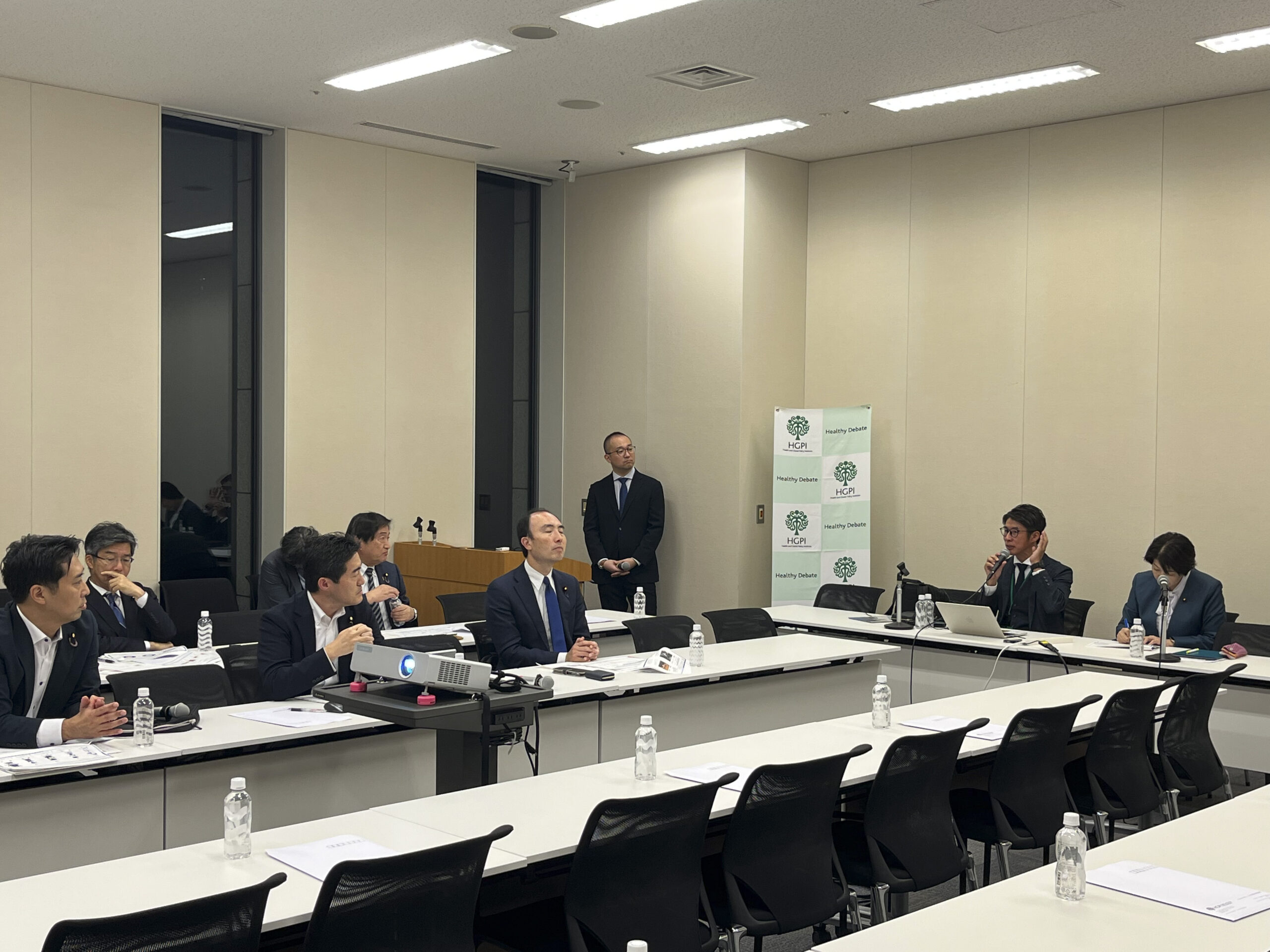
Health and Global Policy Institute (HGPI) held an installment of 30-minute Health Policy Update, a series of briefings for non-partisan Diet members on key health policy issues. This installment was titled, “An Overview of Policy Challenges Surrounding Acute Care and a Remote ICU Initiative.”
This installment featured a lecture from Dr. Shunsuke Takaki (Director and Research Professor, Intensive Care Department, Yokohama City University Hospital) on a remote ICU initiative aiming to address staff shortages and regional disparities in acute care as well as policy challenges for its widespread adoption.
There was a robust exchange of opinions during the post-lecture Q&A session, with Diet members sharing a steady flow of questions and thoughts on accountability in remote support, reimbursement rates and their distribution across healthcare institutions, expansion into perinatal care and other fields, and strategies for leveraging this system to sustain existing intensive care units (ICUs).
<Key points>
- Acute care hospitals currently face challenges in maintaining operational viability and staffing levels. While university hospitals have been able to maintain operations by accepting all emergency transfers and carefully managing care bed occupancy rates on a regular basis, many are operating at a loss following the expiration of COVID-19-related subsidies. Japan is no exception to the global shortage of nurses, and there is also a shortage of intensivists. For an increasing number of hospitals, maintaining an ICU has become unfeasible due to the high number of nurses required. Instead, many have opted to only establish step-down units called high care units (HCUs) which can be operated with fewer nurses.
- Many medical regions lack ICUs, and hospitals in such regions are left with no choice but to treat critically ill patients in HCUs or similar facilities. Domestic data indicates that managing critically ill patients in hospitals without ICUs leads to higher mortality rates. Patient transport takes longer in mountainous and remote regions, air ambulances cannot operate at night, and a mechanic shortage is causing service suspensions. Japan’s population continues to decline and age, and differences in operating entities and other factors make hospital mergers difficult. Under these circumstances, telemedicine offers a potential solution to support critically ill patients in every region.
- Since 2016, Yokohama City University has been advancing a remote ICU initiative in which an on-campus support center is providing support to multiple ICUs both within and outside of the university. In addition to providing advice based on data gathered from cameras installed at care beds, vital sign monitors, and electronic medical records from participating facilities, Yokohama City University is building relationships with frontline staff through regular daily conferences. Since the launch of the initiative, there has been a decrease in sepsis mortality as well as in mechanical ventilation duration. Additionally, the university hospital now handles most of the consultations during nights and weekends, alleviating burdens for frontline physicians. This initiative is also being used to provide nursing care education led by certified nurses.
- In one example, a remote ICU was introduced in a local community by expanding the initiative in stages through collaborative efforts between the prefectural government and the university. After building consensus among healthcare stakeholders through local symposiums, they launched a small-scale pilot, providing support only on designated days and times. Since it is difficult for the university to bear the costs of infrastructure and other expenses on its own, the prefectural government is allocating funds as a measure for strengthening its emergency healthcare system. The remote ICU has proven effective in supporting local treatment and informing decisions regarding patient transfers. For example, shortly after the initiative was launched, a critically ill patient was transferred to the university hospital at an early stage based on information that was shared remotely.
- The existing “Additional Fee for Remote Support for Designated ICUs” was set based on differences in assigned points among ICU classification tiers with different staffing requirements. Since it was not designed to cover actual staffing or system costs, the reimbursement breaks even or results in slight deficits. The requirement for support centers to have staff on-hand 24 hours a day, 365 days a year is also an obstacle when establishing these systems in new regions. Additionally, hospitals without ICUs and that treat critically ill patients in HCUs are ineligible for this fee. In many regions, establishing new ICUs is unrealistic, so there is optimism that reimbursements for remote support will be expanded to include HCUs.
- Although progress is being made in telemedicine initiatives in each region in the fields of perinatal and pediatric medicine, evidence has yet to accumulate due to the small number of pilot projects. This is hindering efforts to link these initiatives to coverage in the medical fee schedule. A framework that provides broad support to pilot projects in the initial phases is necessary. There are also ongoing efforts to develop mobile devices that require no installation that will be useful in reaching people living on remote islands or in the event of a disaster. Since understanding from people working in clinical settings or local governments will be essential for the widespread adoption of such devices, stakeholders must work together to raise awareness in communities and to generate policy recommendations.
[Program] (Titles omitted)
Explanatory Introduction
Shunichiro Kurita (Senior Manager, HGPI)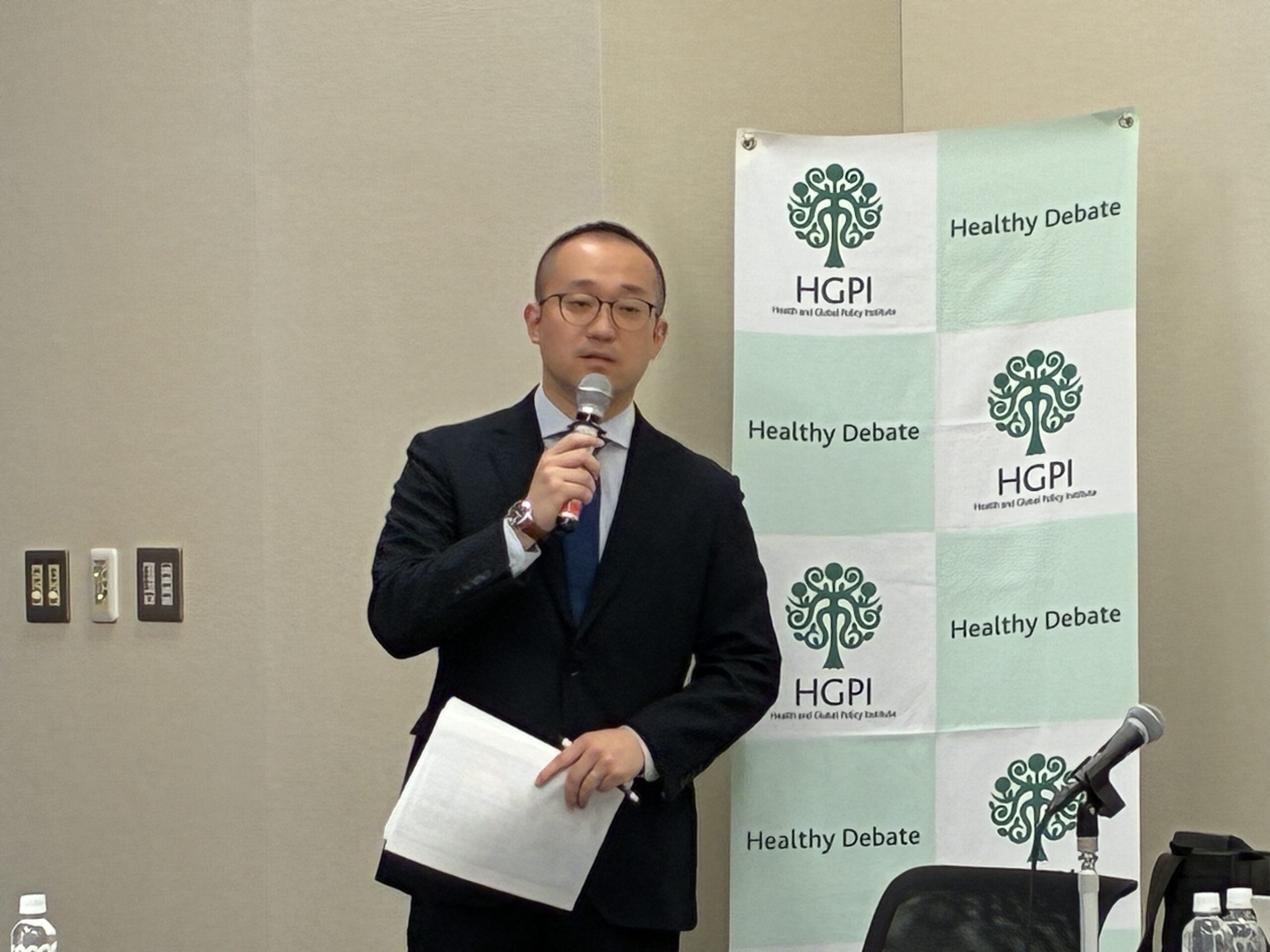
Opening Remarks
Mitsuko Numazaki (Member, House of Representatives)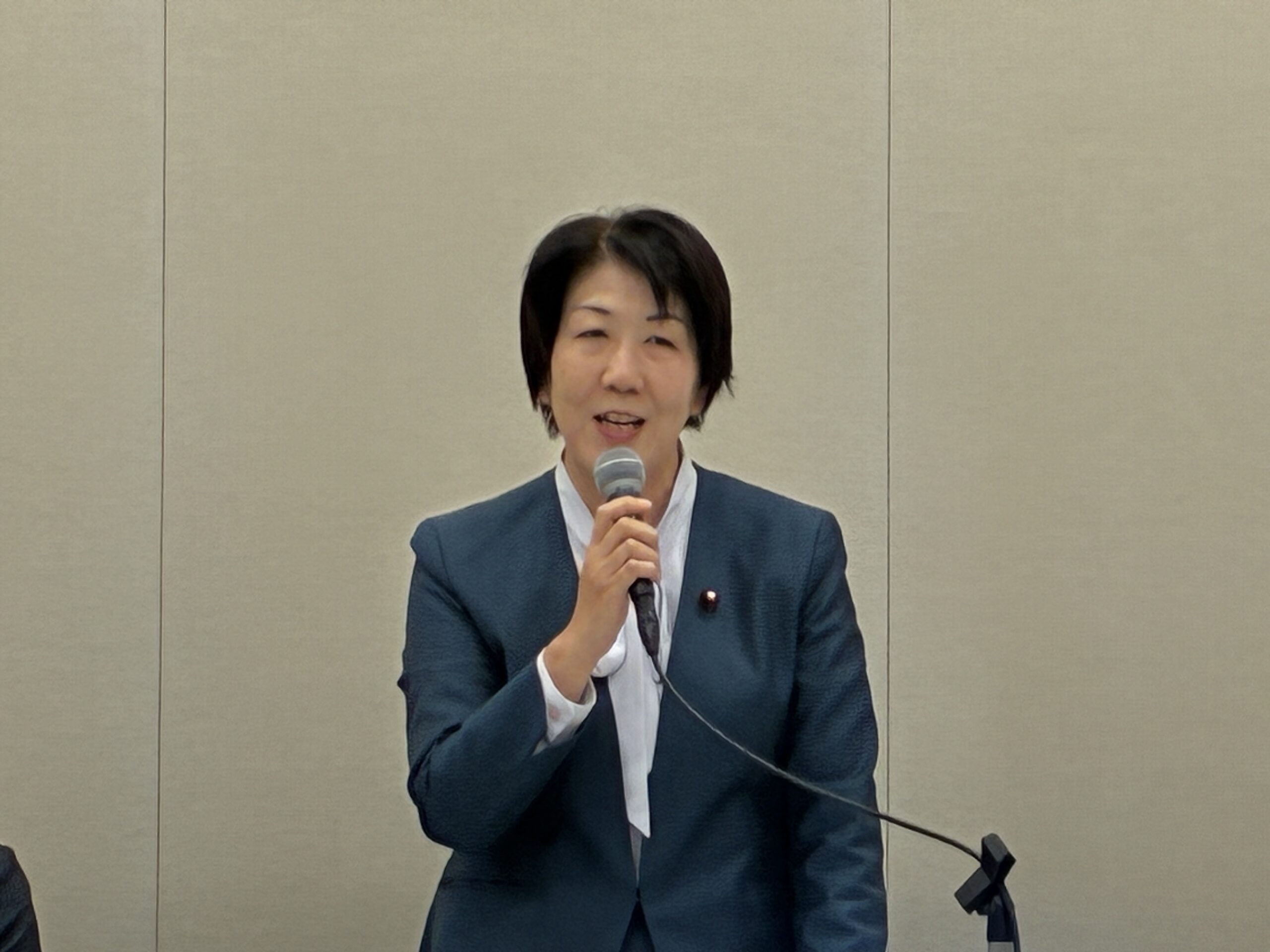
Lecture: “An Overview of Policy Challenges Surrounding Acute Care and a Remote ICU Initiative”
Shunsuke Takaki (Director and Research Professor, Intensive Care Department, Yokohama City University Hospital)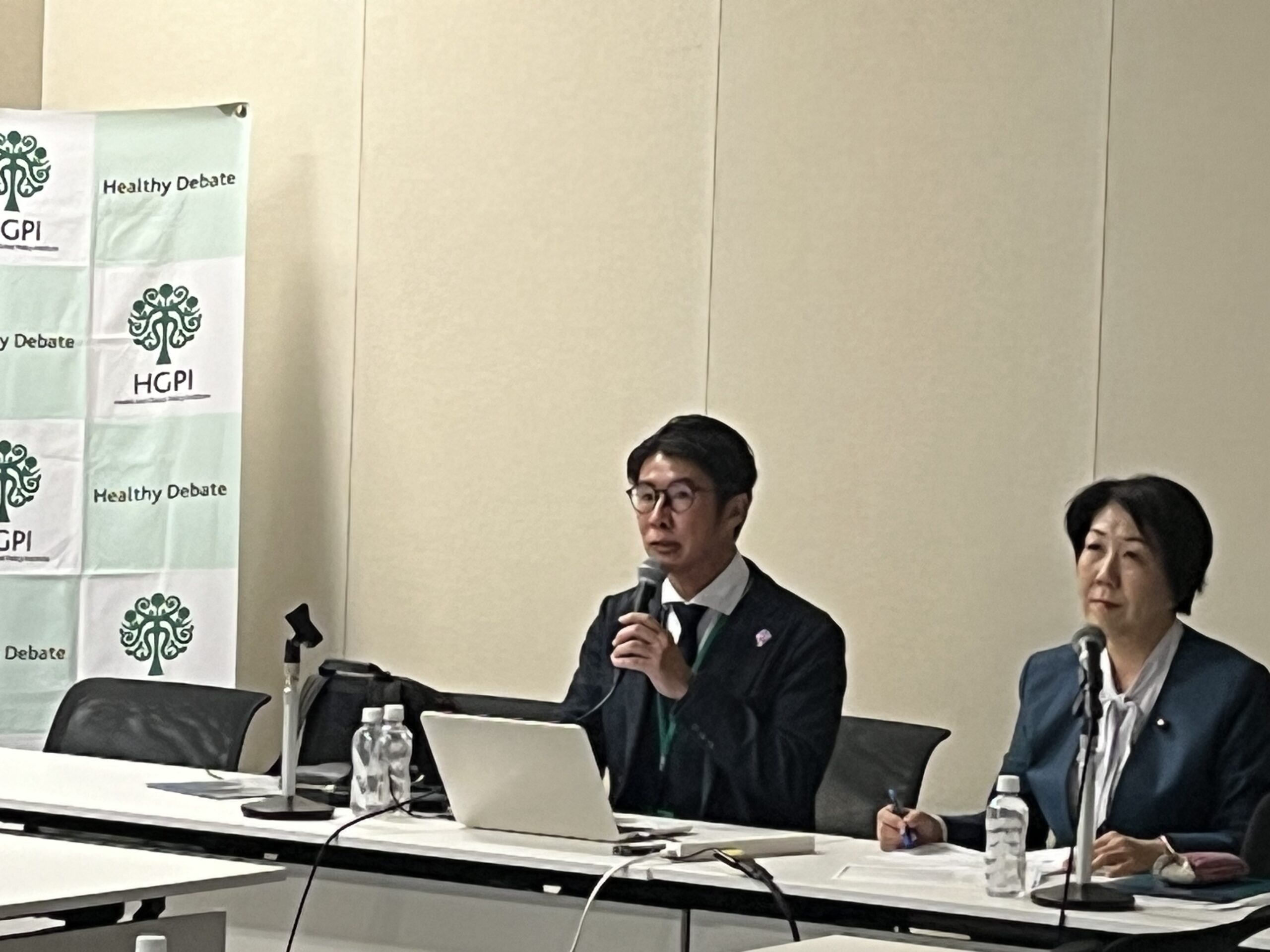
Top Research & Recommendations Posts
Featured Posts
-
2026-08-28
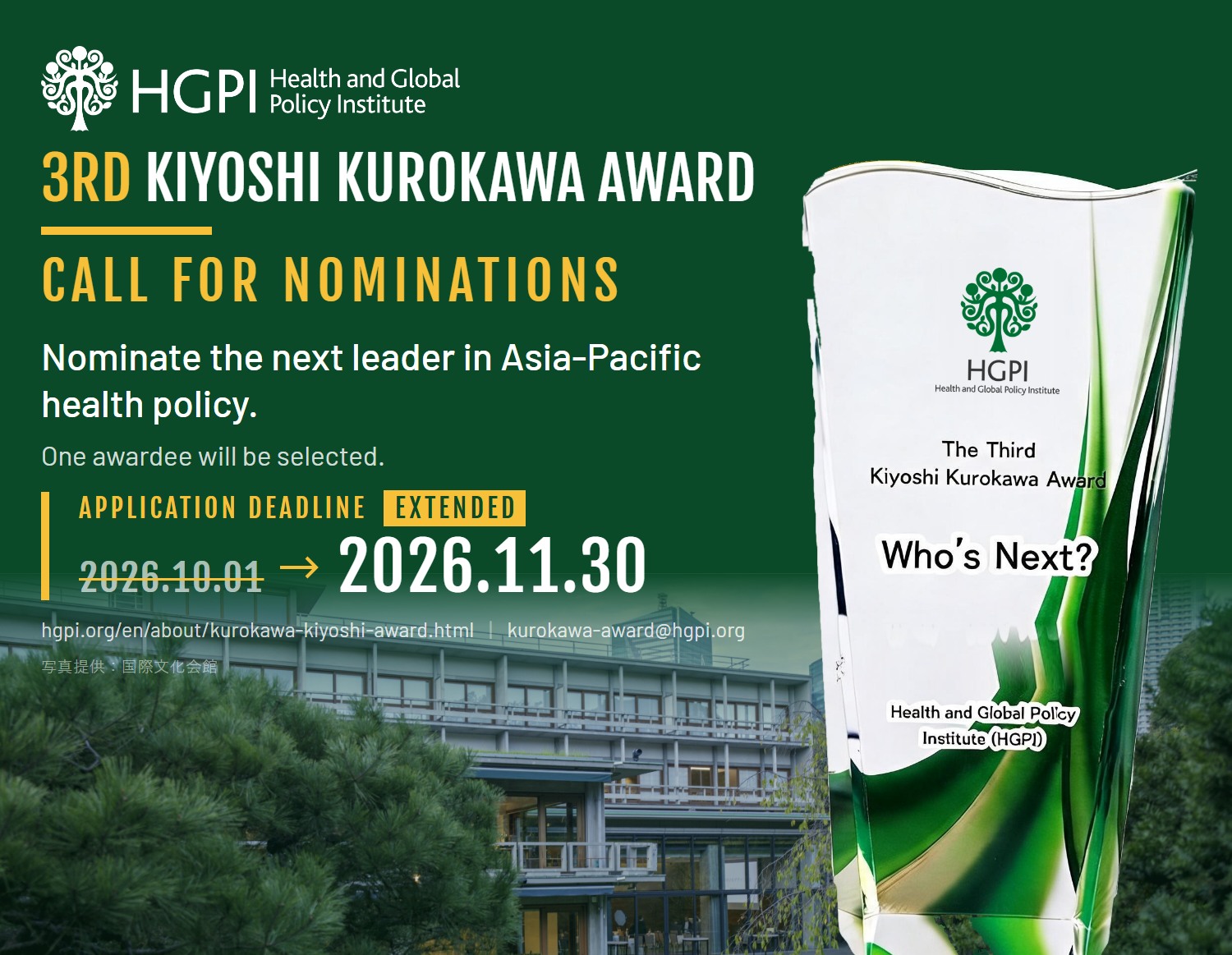
[Announcement] The 3rd Kiyoshi Kurokawa Award: Call for Nominations (Deadline: November 30, 2026)
-
2026-10-28
[Policy Recommendations] Driving Progress in Intractable and Rare Disease Policy Through Patient and Public Voices: Towards Redesigning Healthcare Delivery Systems Across Diagnosis (September 29, 2026)
-
2026-11-05
[Registration Open] HGPI Salon 2025-2026 Looking Ahead to the Future of Japan’s Social Security System “Session 7: Where We’ve Been and Where We’re Going: Lessons from Pandemic Response” (December 18, 2026)